
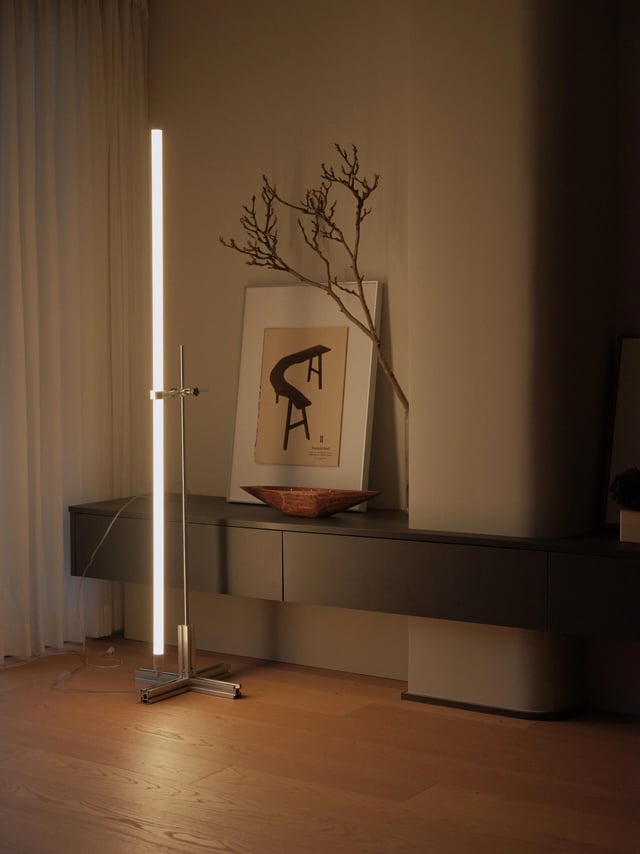
Have you ever looked at your floor lamp and wished it were just a bit taller? Maybe it’s not casting light where you need it most, or it simply doesn’t fit the vibe of your room.
You’re not alone. Making your floor lamp taller can transform the whole space, giving you better lighting and a fresh look without spending a lot of money. You’ll discover simple, practical ways to raise your lamp’s height quickly and safely.
Keep reading, and you’ll learn easy tricks that anyone can do to brighten up your room exactly the way you want.
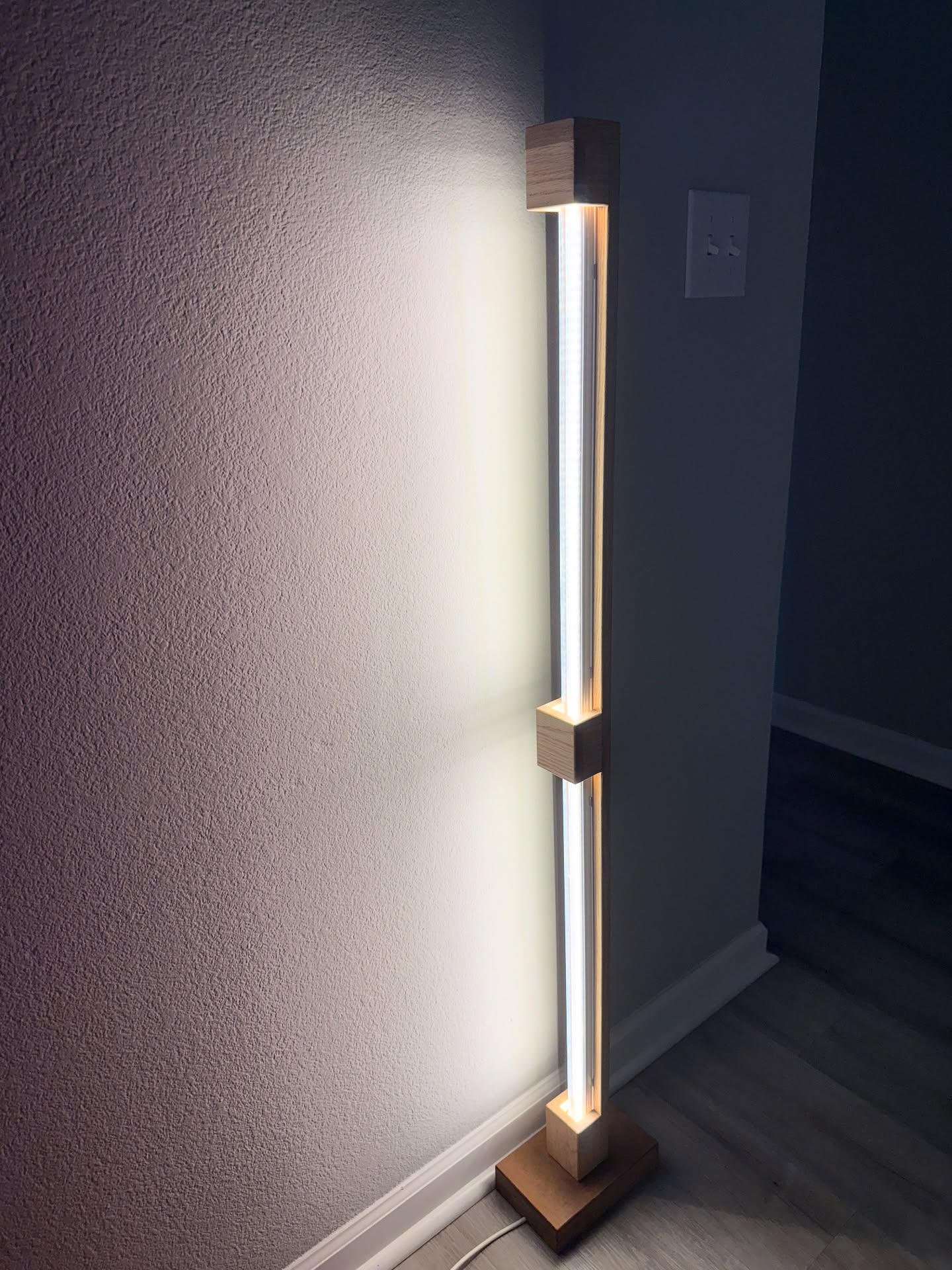
Credit: www.eastbaydiy.com
Assessing Your Floor Lamp
Before you jump into making your floor lamp taller, take a moment to really assess what you’re working with. Understanding your lamp’s design and current dimensions helps you figure out the best way to extend it without compromising stability or style. This initial check can save you time and frustration down the road.
Check Lamp Design
Look closely at the structure of your floor lamp. Is it a single pole or does it have multiple sections? Some lamps have removable parts or adjustable poles, which can make adding height easier.
Also, consider the base. A heavy, wide base supports taller extensions better. If your lamp has a lightweight or narrow base, you might need additional support to prevent tipping.
Measure Current Height
Grab a tape measure and note the exact height of your lamp from the floor to the top of the light fixture. Knowing this helps you decide how much taller you want it to be.
Measure the pole sections too. Sometimes, the height can be increased by simply rearranging or extending these parts if the design allows. Record all measurements carefully for reference.
Identify Extension Options
Now that you know your lamp’s design and height, explore ways to make it taller. You can add extension poles, replace the existing pole with a longer one, or even use a taller lamp harp if it has a lampshade.
Check if the manufacturer offers compatible extension kits. If not, look into DIY options like adding pipe fittings or custom wood blocks. Just ensure any additions are secure and won’t affect the lamp’s electrical safety.
Using Extension Poles
Using extension poles is a smart way to make a floor lamp taller without buying a new one. These poles add height by connecting to the lamp’s existing structure. It is important to choose the right poles and attach them safely to keep the lamp stable and functional. This section covers how to select compatible poles, attach them securely, and follow safety tips for using extensions.
Selecting Compatible Poles
Choose extension poles that match your lamp’s design and size. Check the diameter of the lamp’s pole before buying extensions. Poles made of metal or sturdy plastic work best for durability. Avoid poles that are too thin or too thick, as they might not fit well. Look for poles with connectors that click or screw tightly to prevent wobbling.
Attaching Poles Securely
Attach the extension poles firmly to the lamp base or existing pole. Clean both surfaces to remove dust for a better grip. Align the poles carefully and push or screw them until they lock in place. Tighten any screws or clamps to stop movement. Test the lamp’s stability before using it to avoid accidents.
Safety Tips For Extensions
- Use poles made from strong materials to support the lamp’s weight.
- Check all connections regularly to ensure they stay tight.
- Do not extend the lamp beyond the recommended height.
- Place the lamp on a flat surface to prevent tipping.
- Keep the lamp away from children and pets for safety.
Adding A Taller Lampshade
Adding a taller lampshade is a simple yet effective way to make your floor lamp appear taller without changing its base or structure. This change can dramatically affect the overall look and feel of your room by drawing the eye upward. Let’s explore how you can pick and install the perfect shade to elevate your lamp’s height and style.
Choosing The Right Shade
Start by measuring your current lampshade and lamp base to understand the size you need. A taller shade should be proportionate to the lamp’s height—too tall, and it may look awkward; too short, and it won’t create the desired effect.
Consider the shape too. Cylinder and drum shapes typically add vertical height better than bell or empire shades. Also, pick a shade material that complements your room’s lighting—lighter fabrics will brighten the space, while darker ones create a cozy ambiance.
Installing The New Shade
Removing the old lampshade is usually straightforward—unscrew the finial or clip, then lift off the shade. When placing the new taller shade, make sure it sits securely on the harp or fitter without wobbling.
Check that the bulb isn’t too close to the fabric to avoid heat issues. If needed, swap in a lower wattage or LED bulb that produces less heat but still provides enough light.
Visual Impact On Height
A taller lampshade naturally draws the eye upward, making the lamp—and the room—feel taller. You might notice your ceiling feels higher, which can open up smaller spaces.
Try pairing the taller shade with a slim, straight lamp base to enhance this effect even more. Have you ever walked into a room and felt it instantly seemed larger just because of one design tweak? This is exactly that kind of magic.

Credit: www.reddit.com
Elevating The Lamp Base
Elevating the base of your floor lamp is a straightforward way to increase its height without altering the lamp itself. This approach lets you customize the lamp’s position in your room, making it more functional and visually appealing. By focusing on the base, you can add height safely and creatively, adapting to your space’s needs.
Using Platforms Or Risers
Platforms and risers act as simple height boosters for your lamp base. You can use sturdy wooden blocks, small tables, or purpose-built risers to lift the lamp higher off the ground.
Think about the existing furniture in your room—could a side table double as a riser? Choosing a platform that matches your décor keeps the look seamless and intentional.
Have you noticed how a slightly elevated lamp changes the lighting dynamic in your space? A small lift can direct light more effectively where you need it most.
Materials For Diy Bases
If you enjoy hands-on projects, building a custom base is a rewarding option. Common materials include:
- Wood:Easy to cut and finish, wood lets you create a base with the exact height and style you want.
- Concrete or Cement:Offers a heavy, sturdy foundation but requires molds and curing time.
- Stacked Bricks or Tiles:Quick and adjustable, but make sure to secure them properly.
Using scrap wood saved from previous projects can add a personal touch and keep costs low. Have you tried mixing materials for a unique look? Combining wood with metal accents can add both style and durability.
Stability Considerations
Raising your lamp base means shifting its center of gravity, so stability is critical. A taller base can make the lamp top-heavy and prone to tipping.
To prevent accidents, choose a wide and heavy base. Adding non-slip pads under the platform or riser increases grip on smooth floors.
Ask yourself: Is the base firm enough to support the lamp’s weight without wobbling? Testing the setup before final placement saves frustration later.
Customizing With Diy Parts
Customizing a floor lamp with DIY parts is a smart way to increase its height without buying a new one. This approach saves money and lets you tailor the lamp to fit your room perfectly. Using simple parts from around the house or craft stores can make the project quick and fun.
DIY customization offers flexibility. You choose the style and materials. This makes the lamp unique and matches your decor. Even small changes can improve the lamp’s function and look.
Repurposing Household Items
Many common items work well to raise a floor lamp. Consider sturdy objects that add height safely. Old wooden dowels, PVC pipes, or metal tubes fit nicely. Thick books or stacked boxes can work temporarily. These items should be stable and strong enough to hold the lamp steady.
- Wooden dowels or curtain rods
- Metal pipes or tubes
- Sturdy plastic containers
- Stacked books or boxes
- Furniture risers
Check each item’s size and weight before use. The goal is a balanced lamp that stands firm.
Tools Needed For Modifications
Basic tools help with cutting, attaching, and securing parts. Keep these on hand for smooth assembly:
- Screwdriver set
- Measuring tape
- Drill with bits
- Utility knife or saw
- Strong adhesive or epoxy
- Sandpaper
- Clamps or tape
Safety gear like gloves and goggles is important. Protect your hands and eyes while working.
Step-by-step Assembly
Start by measuring the lamp and desired height increase. Cut your chosen parts to size carefully. Smooth rough edges with sandpaper to avoid splinters.
Attach parts securely to the lamp base or pole. Use screws or strong glue for a firm hold. Clamp pieces until the adhesive dries completely.
Check lamp stability after assembly. Adjust or reinforce connections if needed. Finally, test the lamp to ensure it stands tall and works safely.
Maintaining Lamp Stability
Making a floor lamp taller can change the mood and lighting of your room dramatically. However, increasing height often brings challenges with stability. Ensuring your lamp stays steady is crucial to avoid accidents and keep your space safe and stylish.
Balancing The Weight
When you add height, the lamp’s center of gravity shifts upward. This makes it easier to tip over. To keep your lamp stable, add weight to the base.
- Use heavy materials like sandbags or metal plates under the base.
- Consider a wider base to spread out the weight evenly.
- Make sure the base surface is flat and non-slip.
I once raised a lamp by attaching an extension pole but forgot to adjust the base. It wobbled dangerously until I added a weighted disc, proving how crucial balance is.
Securing Connections
Heightening your lamp usually means adding parts or extensions. Loose connections can cause wobbling or even collapse. Tighten all screws, bolts, and joints firmly.
- Use locking nuts or thread-locking glue for added security.
- Check the fit between extension pieces; they should slide together snugly.
- Test the lamp’s sturdiness after assembly by gently shaking it.
Think about how often you use your lamp. If it’s in a high-traffic area, securing connections becomes even more vital to avoid accidents.
Preventing Tipping Hazards
Think beyond the lamp itself. The environment around it can cause tipping hazards. Keep your lamp away from busy walkways or places where children and pets play.
- Place your lamp on a stable, level floor—avoid thick rugs or uneven surfaces.
- Use anti-tip furniture straps if the lamp is very tall or placed near unstable furniture.
- Consider adding rubber feet or pads to prevent sliding.
Have you noticed how a small nudge can topple a tall lamp? Minimizing these tipping risks will save you from frustrating and potentially dangerous accidents.
Finishing Touches
Raising a floor lamp’s height can brighten a room more effectively. Simple fixes like adding extension poles or sturdy bases work well. Adjustments help match the lamp to your space and style easily.
Adding the perfect finishing touches to your newly elevated floor lamp can transform it from a simple light source into a stunning piece of decor. Whether you’re looking to blend it seamlessly with your existing decor or make it a statement piece, there are a few creative ways to customize it. Let’s explore how you can add those final flourishes to make your lamp truly stand out.Painting And Decorating
Consider painting the lamp base or pole to give it a refreshed look. Choose a color that complements your room’s palette, or go bold with a contrasting hue for a pop of color. Adding decorative elements like stencils or decals can also personalize the piece and reflect your style.Matching Room Decor
Your lamp should harmonize with the room’s theme. If your space features rustic elements, adding a burlap wrap or wooden embellishments can tie the lamp into the room. For a modern aesthetic, sleek metallic finishes or geometric patterns might be more appropriate.Enhancing Lighting Effect
The right lighting can dramatically change a room’s ambiance. Consider using a different bulb, like an Edison bulb for a warm glow or a smart bulb for customizable lighting options. Experiment with different lamp shades that can diffuse light differently and add to the overall look of the lamp. These simple yet effective finishing touches will elevate your floor lamp, making it not just taller, but a centerpiece in its own right. How will you personalize yours?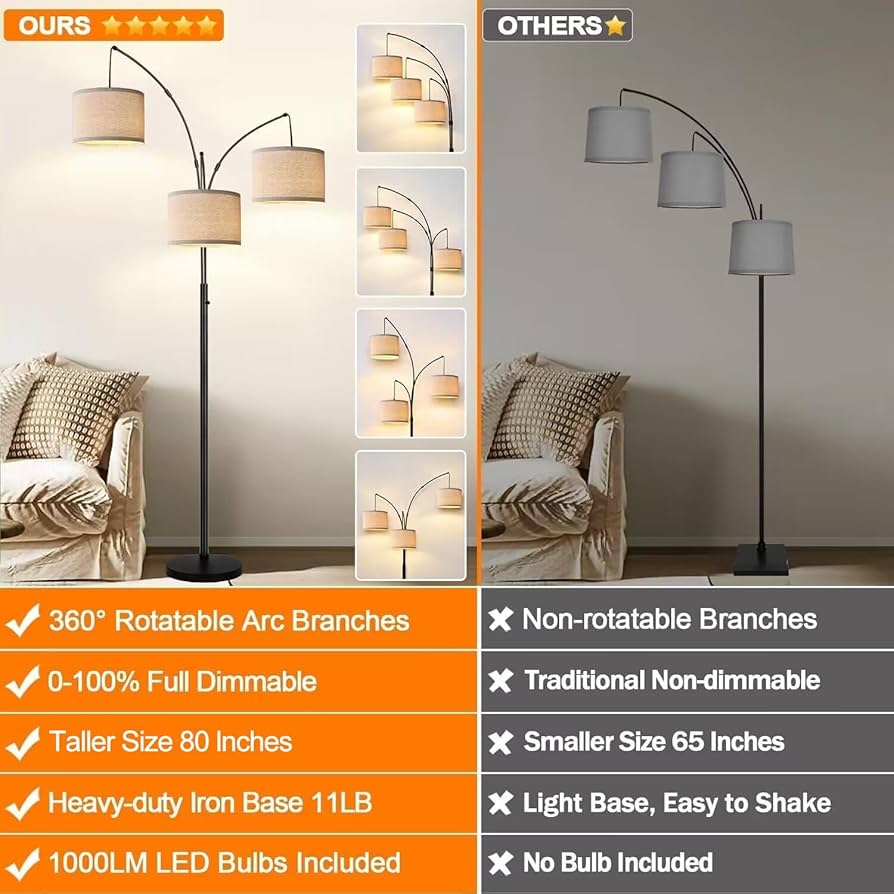
Credit: www.amazon.ca
Frequently Asked Questions
How Can I Safely Make A Floor Lamp Taller?
You can safely extend a floor lamp by adding a lamp extension pole or stacking lamp parts. Always ensure the lamp remains stable to prevent tipping and check electrical connections carefully to avoid hazards.
What Materials Work Best To Extend A Floor Lamp?
Metal or sturdy wooden poles work best for extending a floor lamp. These materials provide strength and stability while maintaining the lamp’s aesthetic appeal and safety standards.
Can I Use A Diy Method To Increase Lamp Height?
Yes, DIY methods like using PVC pipes or wooden dowels can increase lamp height. Make sure to secure parts firmly and avoid covering any electrical components for safety.
Will Making My Floor Lamp Taller Affect Its Lighting?
Increasing lamp height can improve light distribution but may reduce brightness intensity at lower levels. Adjust the bulb wattage or lampshade to balance light output after modification.
Conclusion
Making a floor lamp taller is simple and practical. Use sturdy materials and measure carefully for safety. Small changes can improve your room’s lighting and style. Adjusting lamp height helps light reach the right spots. Try different methods until you find the best fit.
Enjoy a brighter space with your taller lamp. Keep your lamp stable to avoid accidents. With these tips, your lamp will look better and work well.



