
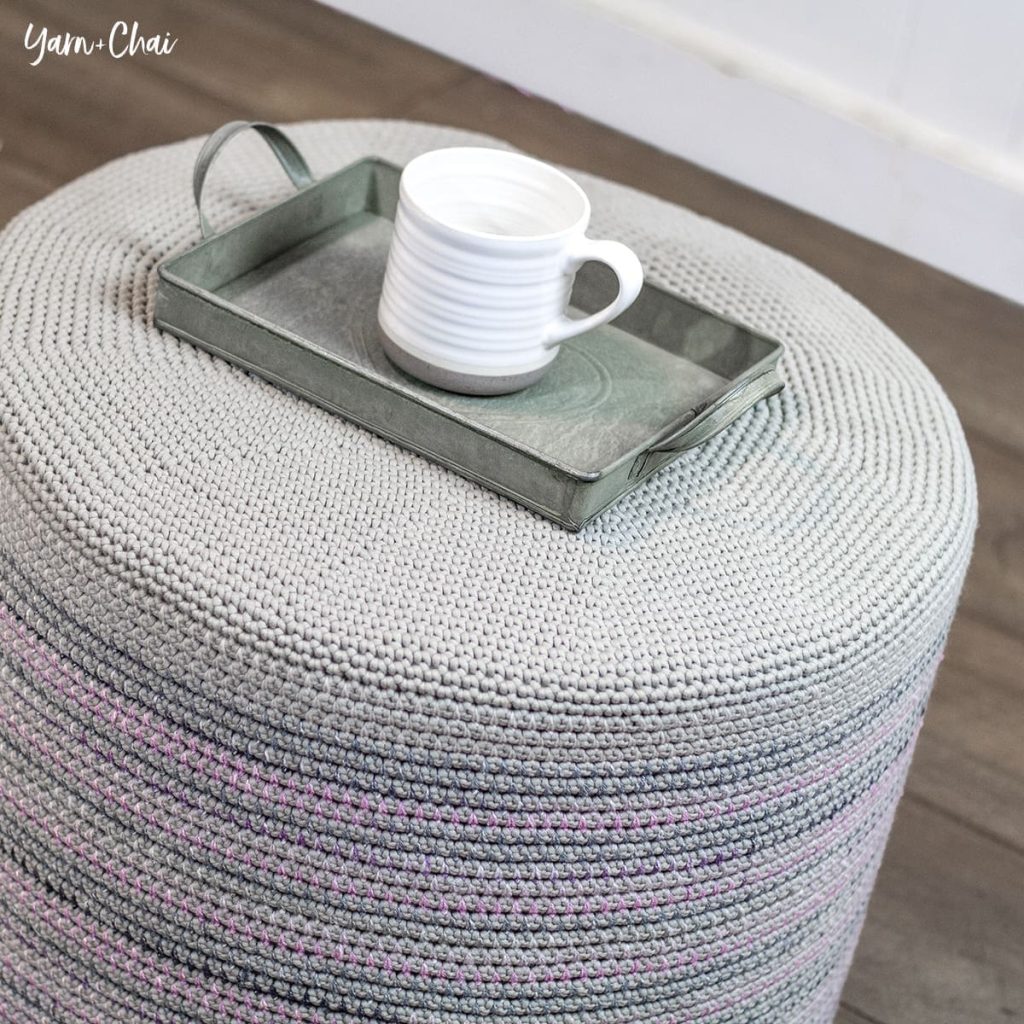
Looking to add a cozy, stylish touch to your living space without spending a fortune? Making your own floor pouf fabric is easier than you think—and it’s a fun project you can complete in just a few simple steps.
Imagine having a comfy, personalized pouf that matches your decor perfectly and invites you to relax after a long day. In this guide, you’ll discover exactly how to create one with materials you can find easily. Ready to transform your room and impress your friends with your DIY skills?
Let’s get started!
Materials Needed
Gathering the right materials sets the foundation for a successful floor pouf project. Having everything ready not only speeds up the process but also ensures your pouf turns out durable and comfortable. Let’s break down what you need to bring your floor pouf to life.
Choosing The Right Fabric
Pick a fabric that balances style and strength. Heavyweight cotton, canvas, or upholstery fabric work well because they withstand regular use without tearing. Think about where your pouf will live—outdoor spaces need weather-resistant fabric, while indoor poufs can afford softer materials like velvet or linen.
Don’t shy away from mixing textures or patterns to add personality. If you’re unsure, touch and feel samples before buying to see how they hold up to stretching and pressure. Have you ever chosen fabric based solely on looks and regretted it later? This step saves you that hassle.
Essential Tools And Supplies
Besides fabric, gather these tools to keep your project smooth:
- Sharp fabric scissors for clean cuts
- Measuring tape or ruler for precision
- Sewing machine or strong needle and thread
- Fabric chalk or markers to outline your cuts
- Pins or clips to hold fabric pieces together
- Zipper or buttons if you want a removable cover
Having these tools ready means fewer interruptions. I once started without scissors and had to pause multiple times, which dragged the project out longer than needed.
Stuffing Options
What you use to fill your pouf affects its comfort and shape. Polyfill stuffing is light, affordable, and easy to work with. It gives a soft, cushiony feel but may flatten over time.
Foam inserts provide firm support and keep the pouf looking plump. You can also stuff it with recycled fabric scraps or old clothes for an eco-friendly option. Think about how often your pouf will be used and who will use it—kids might prefer softer stuffing, while adults might want something sturdier.
Measuring And Cutting Fabric
Measuring and cutting fabric is a crucial phase in making your floor pouf. Accurate measurements ensure your pouf looks balanced and fits perfectly in your space. Cutting the fabric carefully helps avoid waste and gives your project a professional finish.
Selecting Pouf Size
Think about where you want to place your pouf. Will it be a small accent piece or a large, comfy seat? Common sizes range from 18 to 24 inches in diameter for round poufs.
Consider the height too—about 12 to 14 inches is comfortable for sitting. Write down your chosen dimensions before you start cutting. This makes the next steps easier and more precise.
Creating A Pattern
Use paper or cardboard to create a pattern for your fabric pieces. This helps you visualize the shapes and sizes before cutting fabric. Draw the top circle and the side rectangles or strips based on your pouf size.
Double-check the dimensions of your pattern parts. Are the side strips long enough to wrap around the circle? Adding about half an inch on all sides for seams is essential for sewing.
Cutting Fabric Pieces
Lay your fabric flat on a large surface. Pin the pattern pieces onto the fabric to keep them steady. Use sharp fabric scissors for clean edges.
Cut slowly and carefully, following the pattern lines exactly. If you cut extra fabric, can you use it for a matching cushion or patch? Always save scraps for future projects.
Sewing The Pouf
Cut fabric pieces and sew them together to form the pouf’s shape. Use strong stitches to keep the seams secure and neat. Finish by leaving an opening for stuffing before closing it tightly.
Sewing the pouf is where your creativity truly comes to life. It’s the stage where fabric pieces unite to create a functional and stylish home accessory. Whether you’re an experienced sewer or a beginner, this process offers a rewarding opportunity to hone your skills and personalize your space.Assembling Fabric Panels
Begin by laying out your fabric panels in the desired order. This is your chance to mix and match colors or patterns for a unique look. Pin the panels together, right sides facing each other, to ensure they stay in place while sewing. Consider using a large workspace to spread out your materials. This will help you visualize how the finished pouf will look. Does your arrangement feel balanced and appealing?Stitching Techniques
Choose a straight stitch for strong seams. Ensure your stitching is even and consistent to avoid puckering. A sewing machine will make this task quicker and more precise, but hand sewing can add a personal touch if you have the patience. Use a backstitch at the beginning and end of each seam to secure the thread. This prevents unraveling, ensuring your pouf stands the test of time. Have you thought about experimenting with decorative stitches for added flair?Adding Zippers Or Closures
Decide on the type of closure that suits your pouf. Zippers offer convenience and a clean finish, while buttons or Velcro provide a rustic charm. Measure and mark the closure placement carefully to maintain symmetry. When attaching a zipper, use a zipper foot on your sewing machine for a snug fit. Test the zipper’s functionality before finishing the seam. Would a hidden zipper enhance the sleekness of your design?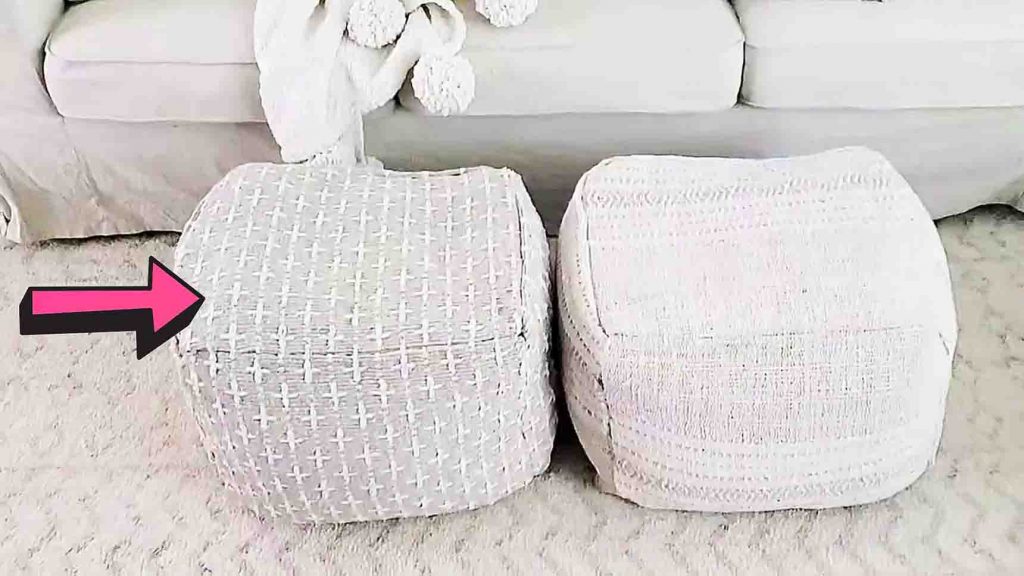
Credit: diyjoy.com
Stuffing And Shaping
Stuffing and shaping your floor pouf is where your creation truly comes to life. How firm or soft it feels depends entirely on how you fill it and adjust its shape. This part lets you customize comfort and style to suit your space and needs perfectly.
Filling The Pouf
Choose the right stuffing material first. Common options include polyester fiberfill, foam beads, or even recycled fabric scraps. Each type affects the pouf’s weight and texture differently, so think about whether you want it light and easy to move or dense and supportive.
Start filling the pouf slowly, adding small amounts at a time. This approach helps you avoid lumps and ensures the stuffing spreads evenly inside the fabric shell. Don’t rush; take your time to feel how the pouf begins to take shape.
Adjusting Firmness
Want a pouf that’s more cushioned or one that holds its shape firmly? Add or remove stuffing until you find the perfect balance. Press down on the pouf as you stuff it to test firmness—does it bounce back nicely or feel too soft?
Remember, a firmer pouf offers better support for sitting, while a softer one makes a cozy footrest. You can even mix stuffing types for a customized feel—try combining foam beads with fiberfill to get the best of both worlds.
Final Shaping Tips
Once filled, massage the pouf gently to distribute the stuffing evenly. Shape the corners and smooth out any bulges with your hands. This step makes your pouf look polished and professional.
If you notice uneven spots, adjust the stuffing by pushing it around or adding more where needed. Think about how the pouf will be used daily; you want it to keep its shape over time. How does your pouf look and feel now? Is it ready to become your new favorite seat or footrest?
Design Ideas And Customization
Designing and customizing your floor pouf fabric is where creativity truly shines. This step lets you tailor the pouf to match your space and personal style perfectly. Think about the atmosphere you want to create—cozy, vibrant, minimalist? Your choices in patterns, colors, and embellishments will set the tone.
Adding Patterns And Textures
Patterns can bring life and character to your floor pouf. You might try geometric shapes for a modern feel or floral prints for a softer touch.
Textures add depth and invite touch. Consider mixing smooth cotton with chunky knits or adding a velvet panel for a luxurious contrast. Have you thought about how different fabrics feel to sit on or touch daily?
Incorporating Colors
Colors influence mood more than you might expect. Bright hues can energize a room, while muted tones create calm.
Try pairing complementary colors for a bold statement or choose monochromatic shades for subtle elegance. Think about what colors dominate your room—should your pouf blend in or stand out?
Using Embellishments
Embellishments can turn a simple pouf into an eye-catching piece. Tassels, buttons, or fabric appliques add a unique touch.
Be careful not to overdo it—too many decorations might clash or wear out quickly. What small details could make your pouf feel truly one-of-a-kind?

Credit: modern-textiles.com
Care And Maintenance
Proper care and maintenance keep your floor pouf fabric looking fresh. It helps avoid damage and keeps the pouf comfortable. Small efforts can save money and extend its life.
Cleaning Tips
Vacuum the pouf regularly to remove dust and dirt. Use a soft brush attachment to avoid fabric damage. For spills, blot the area gently with a clean cloth.
Use mild soap and water for spot cleaning. Test any cleaner on a hidden area first. Avoid harsh chemicals that can weaken the fabric or fade colors.
Allow the pouf to dry naturally. Avoid direct sunlight to prevent fading. Rotate the pouf often for even wear on all sides.
Repairing Wear And Tear
Inspect the pouf for loose threads or small holes regularly. Use a needle and matching thread to fix minor tears. Sewing early stops damage from spreading.
Replace damaged stuffing to keep the pouf firm and comfortable. Use polyester fiberfill or foam pieces for best results. Check seams and reinforce them if needed.
For larger damage, consider professional repair services. Proper repairs extend the pouf’s usability significantly.
Extending Pouf Lifespan
Keep the pouf away from sharp objects and pets. Use a pouf cover to protect the fabric from spills and dirt. Wash covers often to maintain cleanliness.
Avoid placing the pouf in damp or humid areas. Moisture can cause mold and weaken fabric fibers. Store the pouf in a dry, cool place when not in use.
Regular cleaning and timely repairs keep the pouf looking new. Consistent care helps your floor pouf last for years.
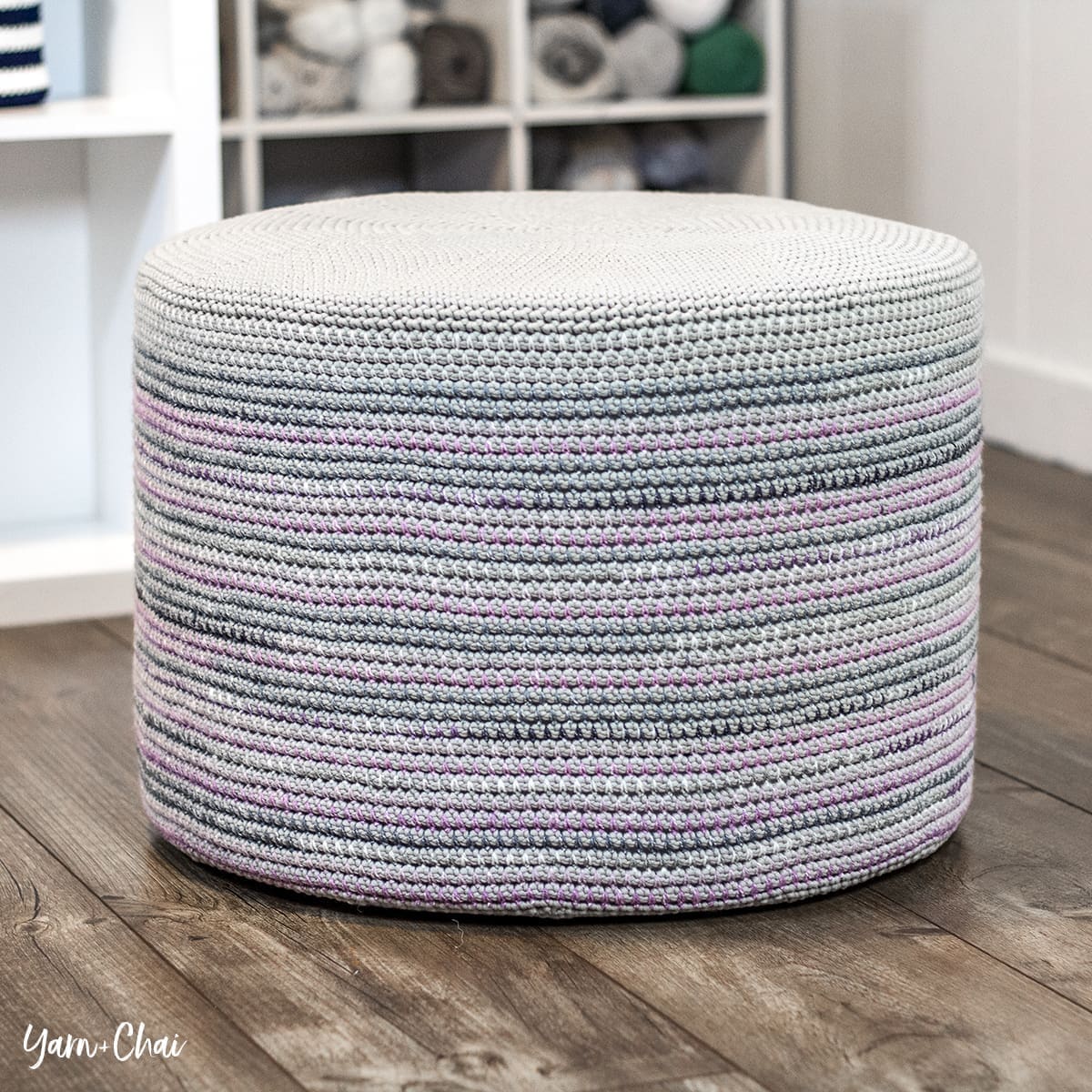
Credit: yarnandchai.com
Frequently Asked Questions
What Materials Are Needed To Make A Floor Pouf Fabric?
To make a floor pouf fabric, you need durable fabric, stuffing, thread, scissors, and a sewing machine. Choose strong fabric like canvas or upholstery fabric for durability. Use polyester fiberfill or foam for stuffing to ensure comfort and shape retention.
How Do I Sew A Round Floor Pouf Fabric?
Cut fabric into two circles and a long rectangle for the side. Sew the side strip to one circle, then attach the second circle. Leave an opening to stuff the pouf, then sew it closed securely for a neat finish.
What Stuffing Is Best For Floor Pouf Fabric?
Polyester fiberfill and high-density foam are popular stuffing options. Fiberfill is soft and affordable, while foam offers firm support. Choose stuffing based on your comfort preference and intended pouf use, ensuring it fills the pouf evenly.
How Can I Maintain And Clean A Fabric Floor Pouf?
Regularly vacuum your pouf to remove dust and dirt. Spot clean stains with mild detergent and water. Avoid soaking; allow the pouf to air dry completely. For removable covers, follow washing instructions on the fabric label carefully.
Conclusion
Making a floor pouf fabric is simple and fun. You only need a few materials and some time. This project adds a cozy touch to any room. Plus, you get to choose colors and patterns you like. Sit back and enjoy your new, handmade pouf.
It’s a great way to personalize your space. Try making one today and see the difference it brings.



