
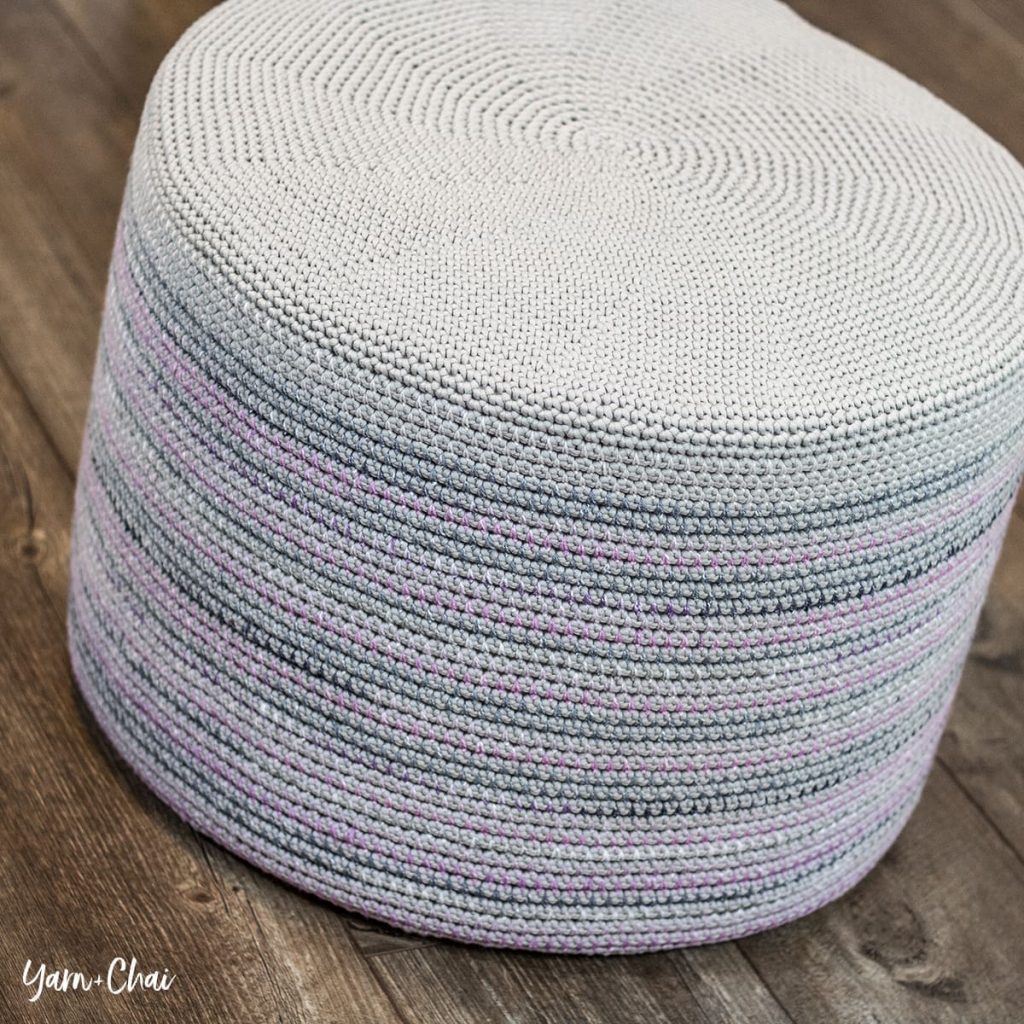
Are you looking to add a cozy, stylish touch to your living space? A hand knitted pouf ottoman is the perfect project for you.
Not only is it a fun and rewarding craft, but it also gives you a unique piece that can brighten any room. Imagine sinking your feet into a soft, chunky pouf that you made yourself—sounds inviting, right? In this guide, you’ll learn simple steps to create your own hand knitted pouf ottoman, even if you’re new to knitting.
Ready to transform your home with something warm and personal? Let’s get started!

Credit: www3.designindaba.com
Materials Needed
Gathering the right materials is the first step to creating a hand knitted pouf ottoman that looks great and feels sturdy. The choices you make for yarn, needles, and extra supplies can change the texture, durability, and size of your finished piece. Think about what kind of room your pouf will live in and how much use it will get before picking your materials.
Choosing Yarn
Pick a yarn that is thick and strong enough to hold the shape of a pouf. Chunky or super bulky yarn works well because it knits up quickly and creates a firm structure. Cotton and wool blends offer good durability and a cozy feel, but synthetic yarns like acrylic can be easier to clean if your pouf is in a high-traffic area.
Have you considered the color? Bright tones can add a pop to your room, while neutral shades blend easily with most decor. Keep in mind that yarn with a tight twist will wear better over time.
Selecting Needles
Large knitting needles, typically size US 15 (10mm) or bigger, are ideal for chunky yarns. They help you knit faster and create a looser stitch, which is perfect for a soft yet sturdy pouf. Circular needles are often easier to handle for this project because they hold many stitches comfortably.
Think about your knitting style too. If you prefer straight needles, make sure they are long enough to accommodate the number of stitches needed for your pouf’s size. Trying different needle sizes can also affect the tension and final look.
Additional Supplies
- Stuffing:Use firm polyester fiberfill or foam inserts to fill your pouf and keep its shape. Foam pieces cut to size can make the ottoman more solid.
- Tapestry Needle:A large blunt needle is necessary for sewing the knitted pieces together and weaving in yarn ends neatly.
- Stitch Markers:These help keep track of rounds or pattern repeats, especially when working in the round.
- Measuring Tape:Check your gauge and size as you go to avoid surprises in the finished pouf.
- Scissors:Have sharp scissors handy for cutting yarn cleanly.
Gathering these materials may seem like a lot, but having everything ready makes the knitting process smoother and more enjoyable. Which yarn color and texture do you feel excited to work with for your pouf?
Basic Knitting Techniques
Mastering basic knitting techniques is essential before you start crafting your hand knitted pouf ottoman. These foundational skills will help you create a sturdy, even fabric that can support weight and last through everyday use. Even if you’re new to knitting, these simple steps will build your confidence and set you up for success.
Casting On
Casting on is the way you create the first row of stitches on your needle. It’s like laying the foundation of a house; everything else depends on it. A neat, even cast on ensures your pouf will have a clean edge and proper shape.
Try the long-tail cast on for a strong, flexible edge. It’s my favorite because it balances ease and durability, perfect for chunky yarn used in poufs. Can you feel how the stitches stretch just enough without being loose?
Knit And Purl Stitches
These two stitches are the heart of knitting. The knit stitch creates a smooth, “V” shaped pattern, while the purl stitch forms a bumpier, textured look. Combining them lets you create various patterns like stockinette or ribbing, which add both style and structure to your pouf.
Start practicing by knitting a few rows, then purling a few rows. This back-and-forth rhythm feels like a simple dance once you get the hang of it. How do you think different stitch patterns will affect the firmness and appearance of your pouf?
Binding Off
Binding off finishes your project by securing the last row of stitches so they don’t unravel. It’s like tying a knot at the end of a rope to keep it from fraying. A tight but flexible bind off maintains the shape of your pouf and makes it ready for stuffing or assembly.
Use a stretchy bind off if you want the pouf cover to be easier to put on and take off. I remember once binding off too tightly and struggled to fit the cover over the cushion—don’t make the same mistake! How loose or tight will your bind off be to balance ease and durability?
Creating The Pouf Panels
Begin by knitting square panels using thick yarn and large needles to create a sturdy texture. Each panel should be even in size for easy assembly into the pouf shape. Focus on tight, consistent stitches to ensure durability and a neat appearance.
Creating the Pouf Panels Crafting a hand-knitted pouf ottoman can be a fun project. The panels form the structure of your pouf. Let’s dive into how to create them efficiently.Measuring Dimensions
Start by deciding the size of your pouf. Use a tape measure for accurate dimensions. A typical pouf measures around 20 inches in diameter. It should also be about 15 inches high. Adjust the size based on your preference. Ensure all panels will fit these dimensions.Knitting The Side Panels
Choose a soft yet durable yarn for the side panels. Cast on stitches based on your measured circumference. Knit in stockinette stitch for a smooth texture. The side panel should be a long rectangle. Its length should match the pouf’s circumference. The height should be equal to the pouf’s intended height. Bind off stitches when complete.Knitting The Top And Bottom
For the top, cast on stitches for a circle. Start with a small number of stitches. Gradually increase as you knit outward. Use circular needles for ease. The final circle should match the pouf’s diameter. Repeat the same process for the bottom panel. Ensure both top and bottom panels are identical in size.Assembling The Pouf
Assembling the pouf is the final step to bring your hand-knitted creation to life. This process involves carefully joining all the knitted panels, filling the pouf with stuffing, and closing it securely. Each action affects the pouf’s shape, comfort, and durability. Take time to handle each step with care.
Sewing Panels Together
Start by arranging the knitted panels flat on a clean surface. Match the edges of two panels, right sides facing each other. Use a yarn needle and matching yarn to sew along the edges with a whip stitch or mattress stitch. Keep stitches tight but not too tight to avoid puckering. Continue joining panels until you form the pouf’s shape. Leave one side open for stuffing.
Adding Stuffing
Choose a soft but firm stuffing material like polyester fiberfill or foam inserts. Gently push the stuffing into the pouf through the open side. Fill evenly to avoid lumps and maintain shape. Add stuffing slowly, pressing down lightly after each handful. Check the firmness often. The pouf should feel plush but supportive.
Securing The Opening
Once the pouf is filled, fold the open edges inward to hide raw yarn ends. Use a yarn needle and the same yarn to sew the opening closed. Employ small, neat stitches to blend with the knitted fabric. Tie a secure knot at the end and weave in the yarn tail to keep it hidden. This step ensures the stuffing stays inside and the pouf looks polished.
Customizing Your Pouf
Customizing your hand knitted pouf allows you to create a unique piece that fits your style perfectly. It transforms a simple pouf into a statement item for your room. You can make it match your décor or stand out with bold choices. Small changes in patterns, colors, and textures bring your vision to life.
Adding Patterns
Patterns add character and interest to your pouf. Stripes, chevrons, or geometric shapes work well. Use knitting techniques like cables or colorwork to create patterns. Simple stitches repeated can also form beautiful designs. Patterns help your pouf tell a story or reflect your personality.
Choosing Colors
Color choice impacts the mood and style of your pouf. Pick colors that blend with your room’s palette. Neutral shades create a calm, cozy look. Bright colors make your pouf a focal point. Consider mixing two or three shades for a balanced effect. Yarn color and type influence the final appearance.
Incorporating Textures
Texture brings depth and touch appeal to your pouf. Combine smooth yarns with fuzzy or chunky ones. Different stitches create various textures, such as ribbing or bobbles. Texture adds warmth and interest, inviting people to touch and use the pouf. Play with texture to make your pouf feel special and inviting.

Credit: lo-rain.com
Care And Maintenance
Proper care and maintenance extend the life of your hand knitted pouf ottoman. They keep the fabric looking fresh and the structure strong. Regular attention prevents wear and tear. This section covers easy ways to clean, repair, and store your pouf.
Cleaning Tips
Dust your pouf regularly with a soft brush or vacuum on low setting. Spot clean stains quickly using a mild detergent and cold water. Dab gently; avoid rubbing to prevent damage. For deep cleaning, hand wash the knitted cover if removable. Lay flat to dry to keep its shape. Avoid direct sunlight during drying to prevent fading.
Repairing Knits
Check for loose or broken yarns often. Use a needle and matching yarn to fix small holes or pulls. Work carefully to blend repairs with the original knit. Tighten loose stitches by pulling yarn gently. For bigger damage, consider asking a knitting expert or using a patch of similar yarn.
Storage Advice
Store your pouf in a dry, cool place. Avoid damp or humid areas to prevent mold. Cover it with a cloth or breathable bag to keep dust away. Do not stack heavy items on top to maintain shape. If storing long term, remove the cover and store it flat to avoid stretching.
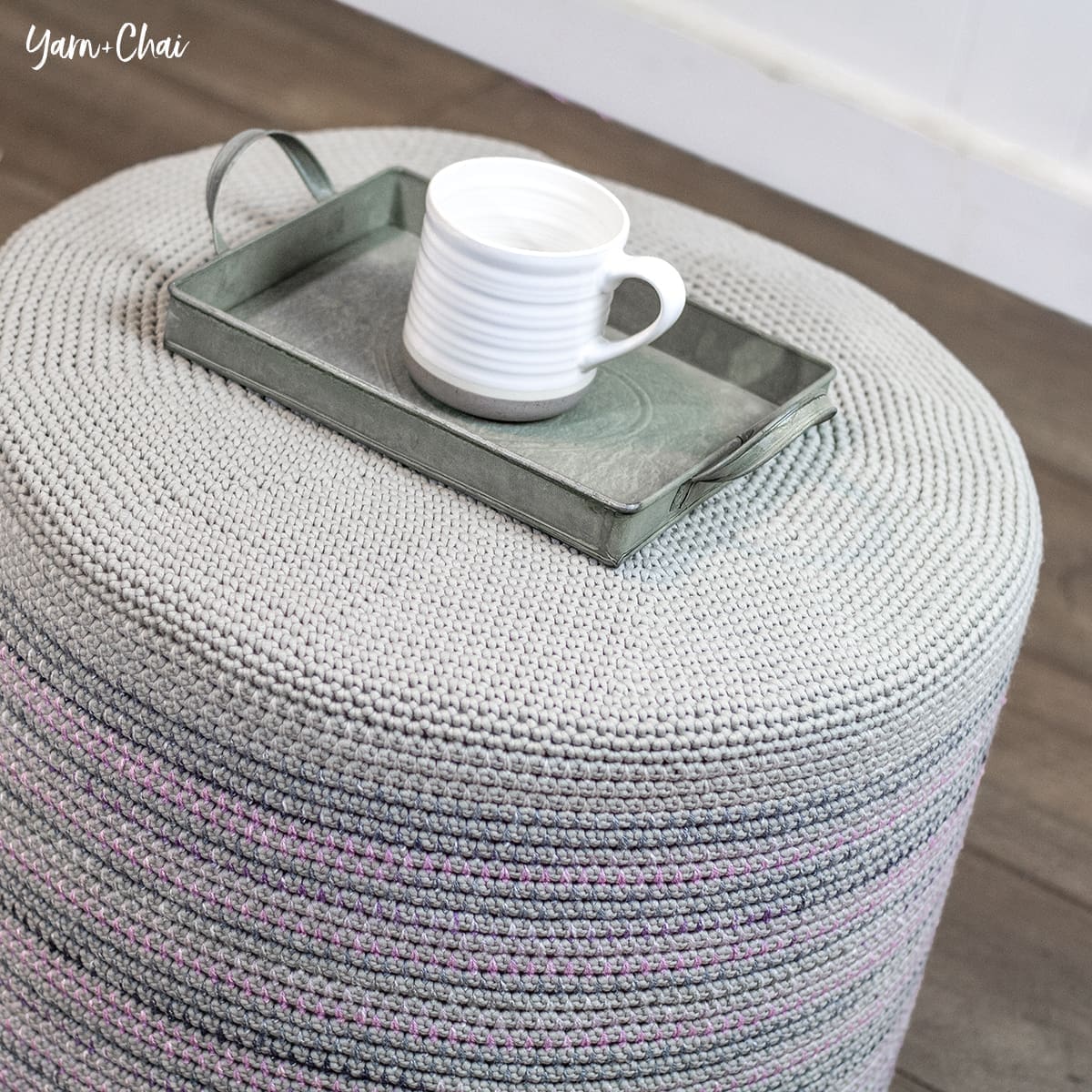
Credit: yarnandchai.com
Frequently Asked Questions
What Materials Do I Need For A Hand Knitted Pouf Ottoman?
You need chunky yarn, large knitting needles, a pouf filling, scissors, and a tapestry needle. Choose soft, durable yarn for comfort and strength.
How Long Does It Take To Knit A Pouf Ottoman?
Knitting a pouf ottoman usually takes 6 to 10 hours. Time depends on your knitting speed and pattern complexity.
Can Beginners Make A Hand Knitted Pouf Ottoman?
Yes, beginners can knit a pouf ottoman. Start with simple stitches and follow clear instructions for best results.
How Do I Stuff A Knitted Pouf Ottoman?
Fill the pouf evenly with foam beads or polyester fiberfill. Ensure the filling is firm but not overstuffed.
Conclusion
Creating a hand knitted pouf ottoman brings warmth to any room. You can choose colors and patterns that fit your style. The process takes patience but feels rewarding. Each stitch adds character and charm to your space. Enjoy the comfort and uniqueness of your handmade piece.
Try making one today and see the joy it brings. Simple steps lead to beautiful results. Keep practicing, and your skills will grow. Crafting your own pouf is fun and relaxing. A cozy, stylish ottoman is within your reach.



