
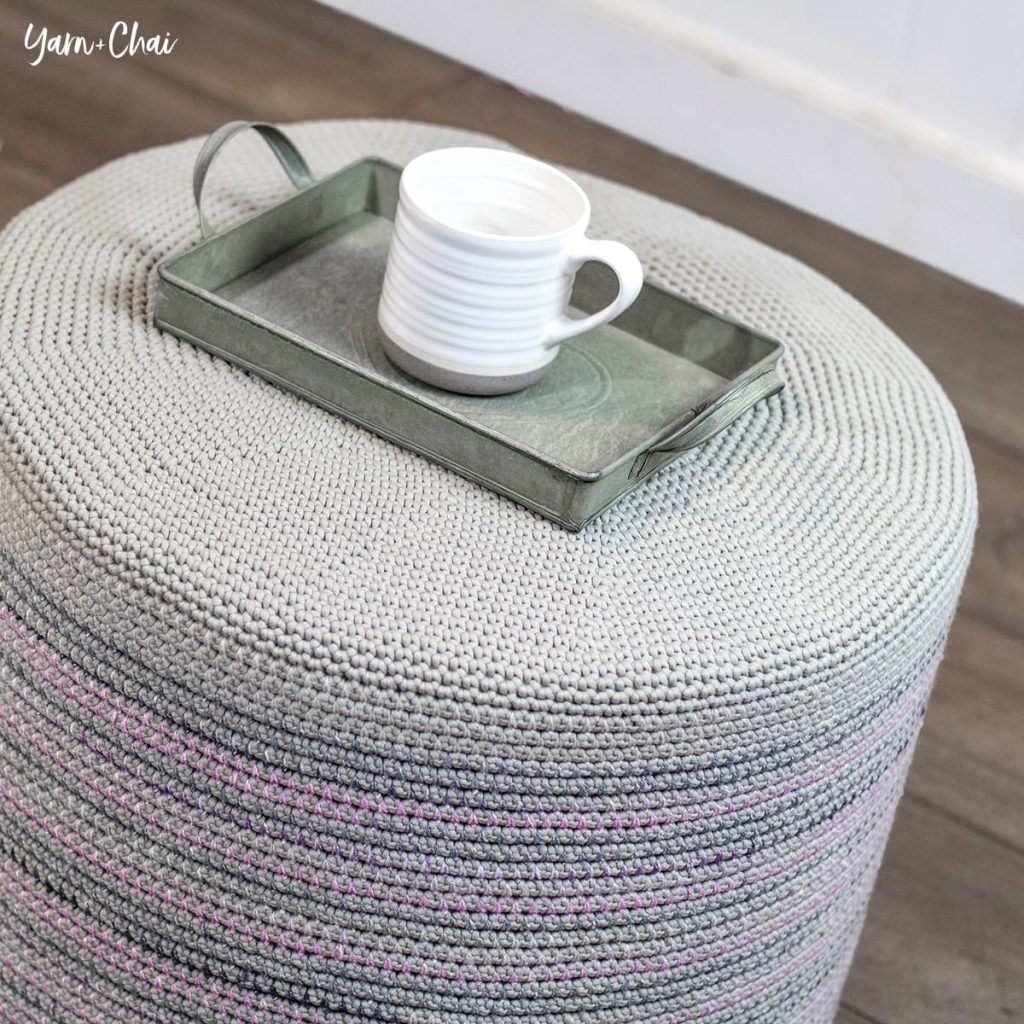
Looking to add a cozy, stylish touch to your living space without spending a fortune? A homemade pouf ottoman might be exactly what you need.
Not only does it offer a comfy spot to rest your feet, but it can also serve as extra seating or a unique decor piece. Best of all, you can customize it to match your style perfectly. Ready to create something that’s both practical and beautiful?
Keep reading, and you’ll discover simple steps to make your very own pouf ottoman at home—no special skills required.
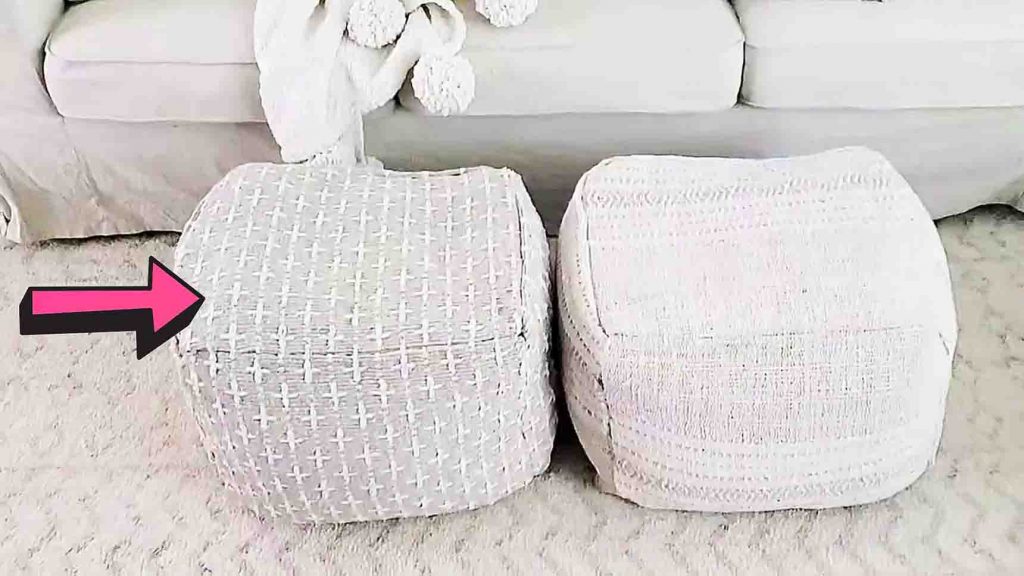
Credit: diyjoy.com
Materials Needed
Gathering the right materials is key to making a sturdy and stylish pouf ottoman. Choose fabrics that match your room’s decor and feel comfortable. Select filling that provides good support and shape. Have the necessary tools ready for an easier crafting process.
Fabric Choices
- Cotton: Soft, breathable, and easy to sew.
- Linen: Durable and has a natural look.
- Canvas: Strong and perfect for heavy use.
- Velvet: Adds a luxurious touch and soft feel.
- Patterned Fabric: Great for adding personality.
Filling Options
- Polyester Fiberfill: Lightweight and fluffy for comfort.
- Foam: Provides firm support and holds shape well.
- Old Clothes or Fabric Scraps: Eco-friendly and cost-effective.
- Bean Bag Pellets: Offers a flexible, moldable form.
- Combination: Mix foam and fiberfill for balance.
Tools Required
- Sewing Machine: Speeds up stitching and creates strong seams.
- Fabric Scissors: Sharp for clean cuts.
- Measuring Tape: Ensures accurate dimensions.
- Pins: Hold fabric pieces together while sewing.
- Needle and Thread: For hand stitching and finishing touches.
- Marker or Chalk: Marks fabric for cutting lines.
Choosing The Right Size
Choosing the right size for your homemade pouf ottoman is essential. The perfect size helps your space look balanced and comfortable. It also makes sure the pouf fits well and serves its purpose, whether as extra seating or a footrest.
Consider the room size and how you plan to use the pouf. Too big can crowd the room. Too small might feel lost or not useful enough.
Measuring Your Space
Start by measuring the area where you want to place the pouf. Use a tape measure to get the length and width of the space. Note any nearby furniture or obstacles.
Leave enough room for easy movement around the pouf. About 18 to 24 inches of clearance works well in most rooms. This prevents the space from feeling cramped.
Selecting Dimensions
Choose pouf dimensions that match your space and needs. Common sizes range from 16 to 24 inches in diameter or width. Height usually falls between 14 and 18 inches.
- For small spaces, pick a compact pouf around 16 inches wide.
- Larger rooms allow bigger poufs, up to 24 inches wide.
- Height should be close to your sofa or chair seat height.
Think about how many people will use it at once. For seating, a wider pouf works best. For footrests, height and comfort matter more.
Cutting The Fabric
Cutting the fabric is a key step in making a homemade pouf ottoman. The fabric pieces must fit perfectly to shape the ottoman. Accurate cutting ensures a neat and professional look. Preparing the fabric carefully saves time and frustration later. Use sharp scissors or a rotary cutter for clean edges. Lay the fabric flat on a large surface to avoid wrinkles. Pin the pattern pieces securely to prevent shifting during cutting.
Creating Patterns
Start by drawing the shapes needed for your pouf on paper. Common shapes include circles, rectangles, or hexagons, depending on the design. Use a ruler and compass for straight lines and curves. Mark seam allowances around each shape, usually about half an inch. Cut out the paper patterns carefully. Place these patterns on the fabric before cutting. This helps visualize the pieces and reduces fabric waste.
Tips For Precision
- Use sharp fabric scissors or a rotary cutter for clean cuts.
- Cut on a flat, stable surface to maintain accuracy.
- Pin the pattern to the fabric firmly to prevent slipping.
- Follow the edges of the pattern slowly and steadily.
- Double-check measurements before cutting each piece.
- Cut one layer at a time unless fabric is thin.
- Mark fabric with tailor’s chalk for clear cutting lines.
Sewing The Pieces
Sewing the pieces of your homemade pouf ottoman is where your project really starts to take shape. This step requires attention to detail and some patience, but it’s also the most rewarding part. You’ll see your fabric panels transform into a sturdy, stylish pouf that’s ready to use.
Stitching Techniques
Choosing the right stitching technique affects both the durability and the look of your pouf. A strong, straight stitch is essential for seams that will hold up to regular use. Use a heavy-duty needle and polyester thread to prevent breaks or fraying.
Consider double-stitching along the seams for extra strength. This is especially important if your pouf will be used as a footrest or extra seating. If you want a decorative touch, try topstitching around the edges—it adds character and reinforces the seams.
Adding Zippers Or Closures
Adding a zipper or closure makes your pouf cover removable, which is great for cleaning or switching out fabrics. Choose a zipper that matches your fabric’s color and is long enough to allow easy access to the stuffing inside.
Sew the zipper carefully into one seam, keeping the fabric edges aligned. If you’re new to zippers, practice on scrap fabric first to avoid puckering. Alternatively, you can use sturdy hook-and-loop tape or buttons for a simpler closure method.
Have you thought about how often you’ll need to clean your pouf? Adding a closure not only makes maintenance easier but also lets you update the look without sewing a new cover from scratch.
Filling The Pouf
Filling your homemade pouf ottoman correctly is crucial for comfort and durability. The right filling not only supports your weight but also keeps the pouf looking great over time. Let’s dive into practical ways to stuff your pouf so it feels just right and holds its shape well.
Stuffing Tips
Choose a filling that matches how you plan to use your pouf. Polyester fiberfill is soft and lightweight, perfect if you want a cushiony feel. For a firmer pouf, try foam chunks or upholstery foam.
Don’t hesitate to mix fillings. For example, adding a small amount of foam inside fiberfill can give your pouf extra support without losing softness. Remember to add the filling gradually—stuff a little, then test the firmness.
Have you ever sat on a pouf that felt flat after a week? That usually means it needs more filling or a denser material. Keep some extra stuffing handy for topping up later.
Ensuring Even Shape
Uneven filling can make your pouf look lumpy and uncomfortable. To avoid this, spread the stuffing evenly across the pouf’s interior as you go. Use your hands to press and shape the filling inside.
Check the shape frequently by pressing on the pouf’s surface. Does it feel balanced, or do some sides sink more? Adjust by adding stuffing where needed and smoothing it out.
Think about how you want your pouf to sit. If you want it more rounded, focus on filling the edges firmly. For a squarer look, keep the stuffing uniform and pack the corners tightly.
Finishing Touches
Finishing touches give your homemade pouf ottoman a polished look. These final details make your piece unique and inviting. Small additions can enhance comfort and style. Proper care keeps it looking great for years.
Adding Decorative Elements
Decorative touches add charm and personality to your pouf. Consider sewing on colorful buttons or tassels. Use fabric paint to create simple patterns. Attach a braided rope trim around the edges for a rustic feel. Choose elements that match your room’s style and color scheme.
Maintaining Your Pouf
Keep your pouf clean and fresh with regular care. Vacuum the surface gently to remove dust. Spot clean stains quickly using mild soap and water. Rotate the pouf often to prevent uneven wear. Store it in a dry place to avoid moisture damage.
Styling Your Pouf
Create a cozy pouf ottoman by filling a sturdy fabric cover with soft materials like old clothes or foam. Customize its size and shape to fit your space and style perfectly. Use colorful fabrics or patterns to add a personal touch and brighten any room.
Styling your pouf ottoman can be a fun and creative process that elevates the look of any room. It’s not just about placing it in a corner; it’s about making it a centerpiece or a subtle complement to your existing decor. The versatility of a pouf allows it to transform spaces with ease, whether you’re aiming for a bohemian vibe or a minimalist touch. Let’s explore some engaging ways to style your pouf ottoman at home.Combining With Decor
A pouf can be a bold statement or a harmonious addition to your living space. Consider the color scheme of your room and select fabrics and patterns that either complement or contrast beautifully. Imagine a bright, patterned pouf in a neutral room—it becomes a striking focal point. Mix and match textures for a rich, layered look. Pair a leather pouf with a soft, wool throw or place it alongside a sleek, modern coffee table. Do you have a favorite piece of art? Coordinate your pouf with the colors in your artwork for a cohesive look.Using In Different Rooms
The beauty of a pouf lies in its adaptability across various settings. In the living room, it serves as extra seating or a cozy footrest. Picture it by the fireplace, where it invites warmth and relaxation. In a bedroom, a pouf can act as a chic bedside accessory. Top it with a tray and it transforms into a stylish nightstand. Think about how a pouf could bring comfort to a home office. It can be a soft spot to take a break or an extra seat for impromptu meetings. Consider the needs of each room and let your pouf meet them with flair. By thoughtfully styling your pouf, you not only enhance its functionality but also enrich the aesthetic appeal of your home. How will you let your pouf reflect your personal style?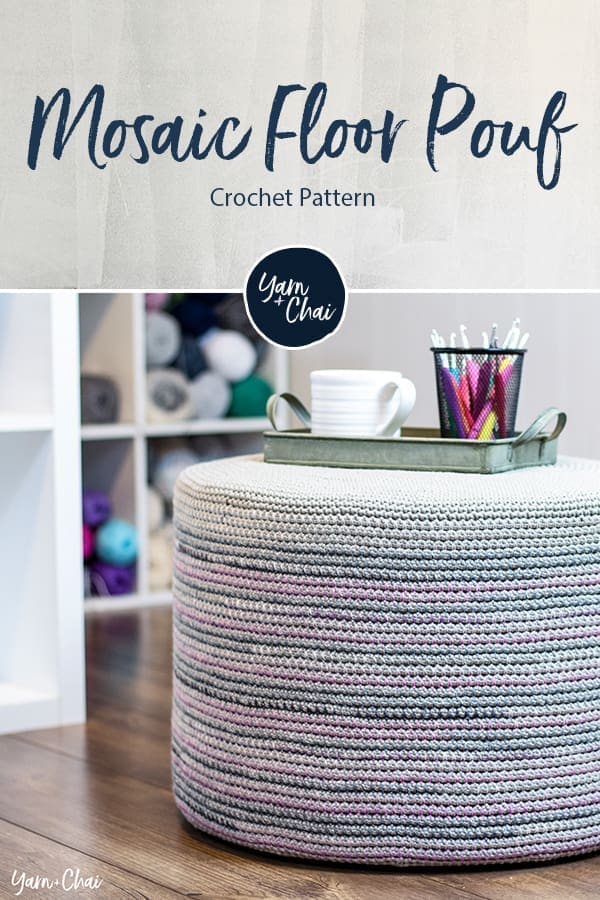
Credit: yarnandchai.com
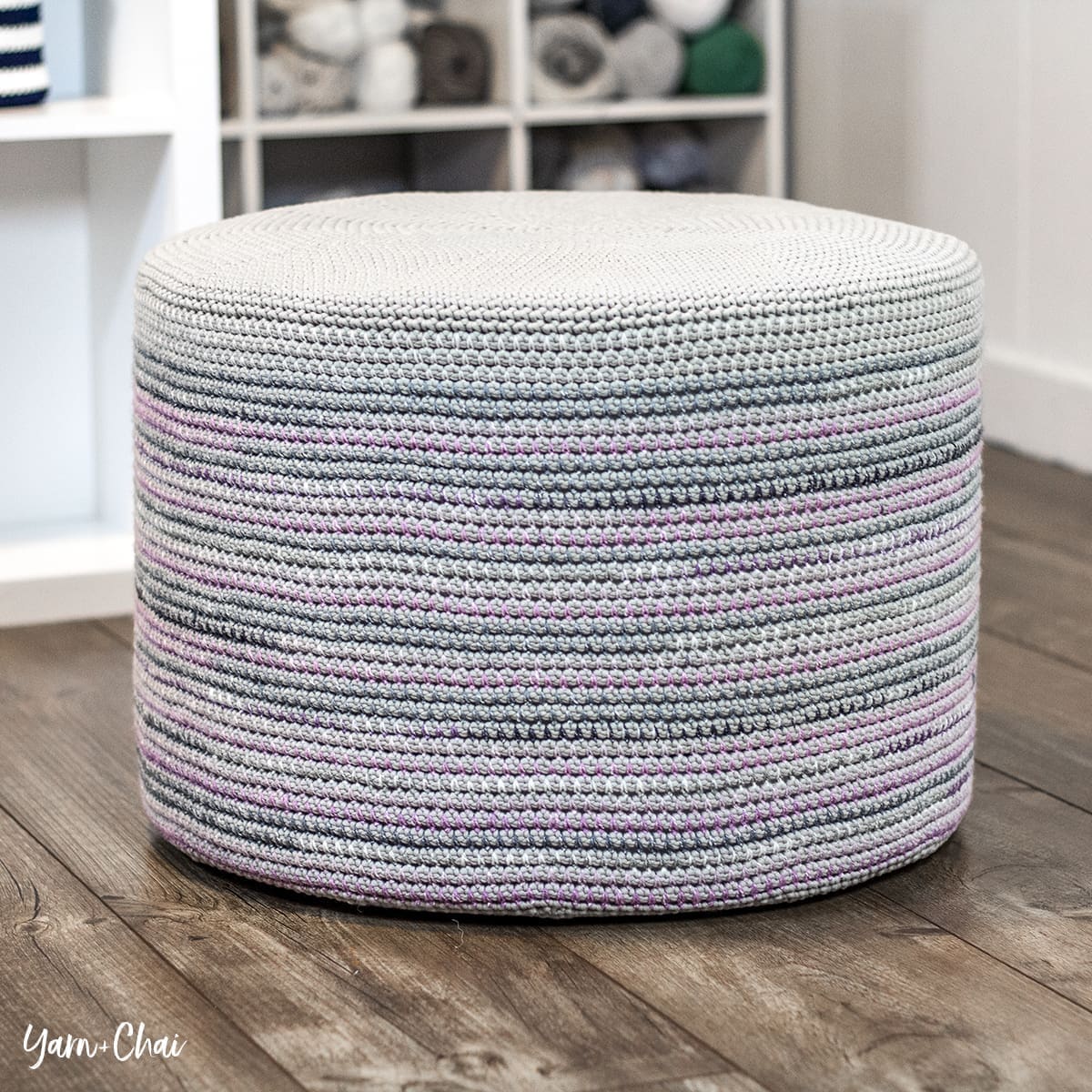
Credit: yarnandchai.com
Frequently Asked Questions
What Materials Are Needed To Make A Pouf Ottoman?
You need fabric, stuffing (like foam or old clothes), thread, scissors, and a sewing machine or needle. Optional items include buttons and decorative trims for added style.
How Long Does It Take To Make A Homemade Pouf Ottoman?
Making a pouf ottoman typically takes 2 to 4 hours. Time depends on your sewing skills and the complexity of your design.
Can I Customize The Size Of My Pouf Ottoman?
Yes, you can customize the size by adjusting fabric measurements. Choose dimensions that fit your space and intended use.
What Stuffing Works Best For A Pouf Ottoman?
High-density foam or polyester fiberfill works best for comfort and durability. You can also use old clothes or fabric scraps as eco-friendly stuffing.
Conclusion
Making a homemade pouf ottoman is simple and fun. You only need a few materials and some patience. This project adds style and comfort to any room. You can choose colors and fabrics that fit your taste. Plus, it saves money compared to buying one.
Try making one yourself and enjoy a cozy, personalized piece. It feels good to create something with your own hands. Ready to start your pouf?



