
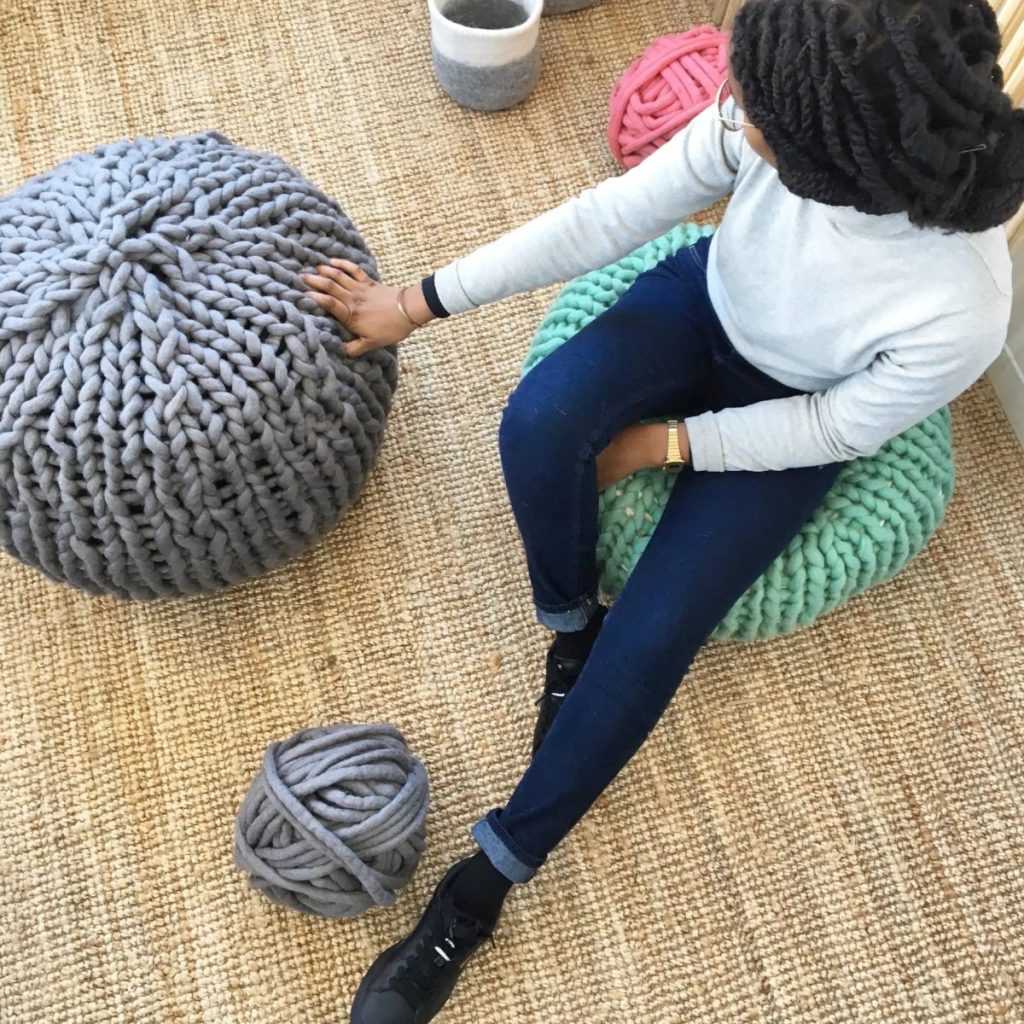
Looking to add a cozy, stylish touch to your living space? A knitted pouf ottoman is the perfect choice.
It’s soft, comfortable, and surprisingly easy to make with just some yarn and a little patience. Imagine having a unique piece you created yourself, one that not only looks great but also gives your room a warm, inviting feel. In this guide, you’ll discover simple steps to craft your own pouf ottoman, even if you’re new to knitting.
Ready to transform your home and impress your friends? Let’s get started!
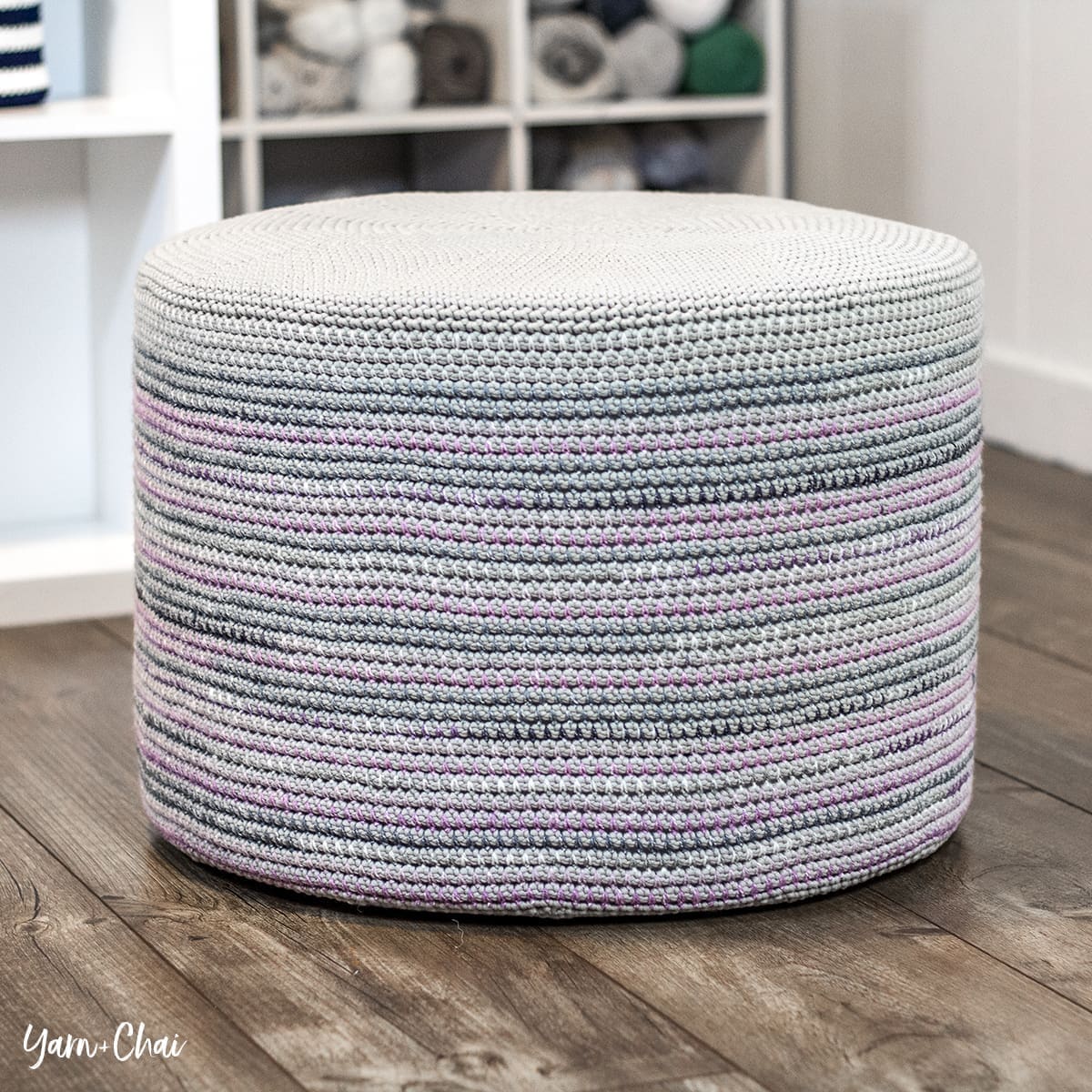
Credit: yarnandchai.com
Materials Needed
Gathering the right materials is key to creating a beautiful knitted pouf ottoman. Choosing quality supplies helps your project look great and last long. Prepare all items before you start knitting.
Yarn Selection
Pick thick, chunky yarn for a sturdy pouf. Wool or acrylic blends work well for durability and softness. Choose a color that fits your room’s style. Avoid thin yarn; it won’t hold shape well.
Knitting Needles
Use large needles to match chunky yarn size. Circular needles are best for knitting in the round. Size 10 mm or larger works well. Check the yarn label for recommended needle size.
Stuffing Options
Fill your pouf with soft stuffing to keep it comfy. Polyester fiberfill is light and easy to use. Foam pieces add firmness and shape. Old clothes or fabric scraps can work as budget stuffing.
Additional Tools
- Stitch markers to keep track of rounds
- Tapestry needle for sewing ends
- Measuring tape to check size
- Scissors for cutting yarn
Choosing The Right Yarn
Choosing the right yarn is a key step in making a knitted pouf ottoman that looks great and lasts long. The yarn you pick affects not only the pouf’s appearance but also its comfort and durability. Let’s break down what you need to consider before buying yarn for your project.
Texture And Weight
The texture of your yarn sets the feel of the pouf. Smooth yarns create a sleek look, while fluffy or chunky yarns add coziness and volume.
Weight matters too. Bulky yarn works well for a sturdy pouf and helps you finish faster. On the other hand, lighter yarns give a delicate appearance but may need more stitches and time.
Think about where you’ll use your pouf. Will it be a soft footrest or a firm seat? Your choice of texture and weight should match its purpose.
Color Choices
Color can make your pouf a statement piece or blend it into your room’s style. Bright colors catch the eye, while neutral tones offer versatility.
Consider your existing decor. Are you aiming for a bold contrast or a subtle match? Also, keep in mind that darker colors may hide dirt better, which is useful for high-traffic areas.
Would a variegated or solid color yarn suit your style more? Variegated yarn adds interest with changing hues, but solid colors often highlight the knitting pattern better.
Durability Considerations
Your pouf needs to hold up to regular use, so durability is crucial. Look for yarns made from strong fibers like wool blends, acrylic, or cotton.
Check the care instructions. Can you machine wash the yarn? If your pouf will see spills and mess, easy cleaning is a big plus.
Also, think about pilling. Some yarns pill quickly, making your pouf look worn out fast. Choosing a low-pilling yarn keeps it looking fresh for longer.
Basic Knitting Techniques
Learning the basic knitting techniques is essential for creating a knitted pouf ottoman. These techniques lay the foundation for your project. Once you understand these steps, you can knit with confidence. Let’s explore the core techniques needed to start your knitting journey.
Casting On
Casting on is the first step in knitting. It involves creating the first row of stitches on your needle. Use the long-tail cast on method for a neat edge. This technique provides a stable base for your knitting. Ensure your stitches are even and not too tight.
Knit And Purl Stitches
The knit stitch is the most basic stitch. It creates a smooth texture on one side. Insert the right needle into the loop on the left needle. Wrap the yarn around the right needle and pull through. The purl stitch is the opposite of the knit stitch. It creates a bumpy texture. With the yarn in front, insert the right needle into the loop from the back. Wrap the yarn and pull it through.
Binding Off
Binding off secures your stitches at the end. Knit two stitches as usual. Use the left needle to lift the first stitch over the second. Continue this until you reach the last stitch. Cut the yarn, leaving a tail. Pull the tail through the last loop to secure it. This finishes your knitting with a clean edge.
Knitting The Pouf Cover
Knitting the pouf cover is where your project truly begins to take shape. This part requires focus on shaping each section carefully so the final piece fits snugly around your pouf form. With the right tension and stitch count, your cover will not only look great but also hold up well over time.
Creating The Base
The base of your pouf cover is usually a flat circle or square, depending on the shape you want. Start by casting on enough stitches to match the diameter of your pouf. If you choose a circular base, use increasing stitches evenly to keep the shape flat.
Keep your tension consistent to avoid puckering or uneven edges. I found that counting increases carefully every few rows helped me maintain a smooth, even base. Do you find it easier to work with circular needles or double-pointed needles for this part?
Knitting The Sides
Once the base is ready, you’ll knit the sides to give your pouf its height. This usually means knitting in the round, straight up from the edge of the base. Maintain the same stitch count unless you want a tapered shape.
Choose a stitch pattern that adds texture and strength. I like a simple rib or seed stitch because it adds stretch and durability. How do you decide between a tight or loose stitch for your pouf sides? Consider how firm you want the cover to feel.
Joining The Pieces
After knitting the base and sides, it’s time to join them together. If you knitted the sides in the round separately, use a mattress stitch or similar invisible seam to attach them neatly. For a circular pouf, you might knit the sides directly onto the base to avoid seams.
Finishing touches, like weaving in ends and blocking, make a big difference in how professional your pouf looks. I always set aside time for careful seaming because a sloppy join can ruin the entire look. What’s your favorite technique for hiding seams in knitting projects?
Stuffing The Pouf
Stuffing the pouf is a key step that shapes its comfort and appearance. How you fill it affects its sturdiness and how it holds up over time. Let’s dive into picking the right filling, tips on stuffing it for the perfect shape, and how to keep everything in place securely.
Choosing The Right Filling
Your choice of filling impacts both the look and feel of the pouf. Polyester fiberfill is soft and easy to work with, making it ideal if you want a plush, cushiony pouf. If you prefer a firmer, more structured pouf, consider foam beads or old foam pieces.
Another option is using recycled materials like shredded fabric or even plastic pellets for added weight. Think about how you’ll use your pouf—should it be soft enough for lounging or firm enough to double as extra seating? This decision guides your filling choice.
Stuffing Tips For Shape
Start by filling the pouf loosely, then add more gradually. This way, you avoid lumps and uneven spots. Press the filling down gently as you go to create a smooth surface.
Pay special attention to the edges and corners. They often get less filling, which can make the pouf look flat or saggy. Try to keep the pressure even by pressing the filling outward from the center towards the edges.
Ask yourself: do you want a pouf that molds to your body or one that keeps its form? Adjust the amount and density of filling accordingly. Sometimes, mixing different fillings can give you the best of both worlds.
Securing The Filling
Once you’re happy with the shape, it’s crucial to secure the filling so it doesn’t shift or spill out. Using a sturdy inner liner or pillowcase can keep the filling contained. Sew or zip this liner closed tightly before covering it with your knitted pouf shell.
If your pouf has an opening, consider adding a zipper or buttons for easy removal and washing. This not only protects the filling but also makes maintenance simpler. Have you thought about how often you might need to wash or refill your pouf? Planning ahead will save you hassle later.
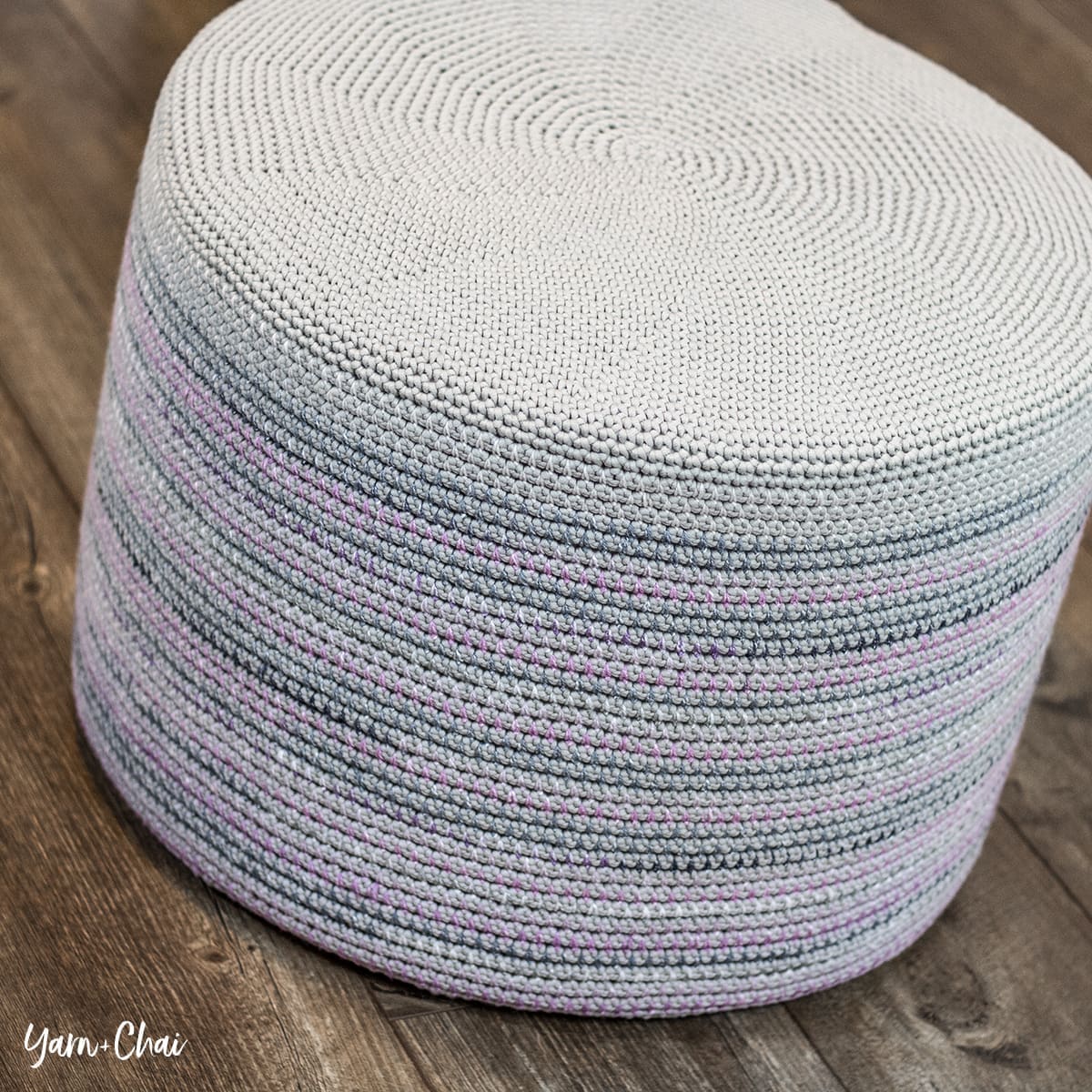
Credit: yarnandchai.com
Finishing Touches
Finishing touches bring your knitted pouf ottoman to life. They ensure the pouf looks neat and lasts longer. These steps help secure your work and add personal style. Let’s explore how to complete your project beautifully.
Seaming The Cover
Joining the knitted pieces carefully creates a smooth pouf cover. Use a yarn needle and matching yarn for invisible seams. Align edges evenly before stitching to avoid gaps.
Try mattress stitch for a clean finish. It pulls the edges together tightly and hides the seam inside. Take your time to keep stitches even and consistent.
Adding Decorative Elements
Personalize your pouf with simple decorations. Add tassels or pom-poms to corners for a fun look. Use contrasting colors to make them stand out.
Consider embroidery or knitted patterns on the surface. Small buttons or beads can add texture and interest. Keep decorations light to avoid distorting the pouf shape.
Caring For Your Pouf
Keep your pouf clean and fresh with gentle care. Spot clean stains with a soft cloth and mild soap. Avoid harsh chemicals that can damage yarn fibers.
Air the pouf regularly to prevent odors. Store it away from direct sunlight to protect colors. Fluff the pouf often to maintain its shape and comfort.
Troubleshooting Tips
Knitting a pouf ottoman can come with small challenges. Troubleshooting helps fix problems quickly. It keeps the project smooth and fun. Knowing common issues and solutions saves time. It also improves the final look and strength of the pouf.
Fixing Common Knitting Mistakes
Dropped stitches are common but easy to fix. Use a crochet hook to pull the stitch back up. Twisted stitches can change the pattern. Untwist by carefully turning the stitch in the right direction. Uneven tension creates bumpy fabric. Try to keep yarn tight but not too tight. Check your work often to catch mistakes early.
Adjusting Size And Shape
Measure your pouf parts as you knit. Add or remove stitches to change size. Use different yarn weights for a bigger or smaller pouf. Change needle size to affect the tightness and shape. Keep the shape even by counting rows regularly. Stuff the pouf evenly to keep a nice round shape.
Maintaining Durability
Choose strong yarn made for home items. Double-check seams to avoid gaps. Use tight stitches to keep stuffing inside. Wash gently by hand to keep yarn soft. Avoid sharp objects near the pouf. Repair small holes or loose threads quickly to prevent bigger damage.

Credit: www3.designindaba.com
Creative Variations
Adding creative variations to your knitted pouf ottoman can transform a simple project into a unique piece that reflects your style. Experimenting with colors, shapes, and materials keeps the process exciting and allows you to customize the final product to fit your space perfectly. These variations also challenge your knitting skills in fun ways, making the project more rewarding.
Color Patterns
Playing with color patterns can completely change the look of your pouf. Try combining bold, contrasting colors for a modern feel or soft pastels for a cozy touch. Stripes, chevrons, or even a random patchwork of colors add personality and depth.
Consider using self-striping yarn to save time or mixing different yarns to create your own gradient effect. Have you thought about how a pop of bright color could lift your room’s mood instantly?
Different Shapes
While the classic pouf is round or square, you can experiment with other shapes like hexagons, cylinders, or even irregular forms. This not only challenges your knitting but also offers functional benefits—like a cylindrical pouf doubling as a bolster.
Shape affects how your pouf fits into your space. Would a smaller, cube-shaped ottoman work better in your cozy reading nook, or does your living room call for a larger, round centerpiece?
Using Alternative Materials
Knitting with different materials opens up exciting textures and durability options. You might swap traditional yarn for chunky wool for extra warmth or use recycled fabric strips for an eco-friendly touch.
Experimenting with materials like cotton rope or synthetic blends can make your pouf more robust and easier to clean. What material suits your lifestyle and home environment best?
Frequently Asked Questions
What Materials Do I Need For A Knitted Pouf Ottoman?
You need chunky yarn, knitting needles, a pouf insert or stuffing, scissors, and a yarn needle. Choose soft, durable yarn for comfort and longevity. These materials ensure a sturdy and cozy finished ottoman.
How Long Does It Take To Knit A Pouf Ottoman?
Knitting a pouf ottoman usually takes 6 to 10 hours. The time depends on your knitting speed and pattern complexity. Beginners may take longer, while experienced knitters can finish faster.
Can I Customize The Size Of My Knitted Pouf Ottoman?
Yes, you can customize the size by adjusting the knitting pattern and yarn amount. Larger poufs need more yarn and bigger needles. Measure your pouf insert or desired dimensions before starting.
How Do I Care For And Clean A Knitted Pouf Ottoman?
Spot clean with mild soap and water to avoid damage. For deeper cleaning, check yarn care instructions. Avoid machine washing to maintain shape and texture. Regular dusting keeps it fresh.
Conclusion
Creating a knitted pouf ottoman adds charm to any room. It feels great to craft something useful with your own hands. This project suits beginners and experienced knitters alike. Choose colors and patterns that match your style. Enjoy the cozy comfort your pouf provides.
Keep practicing to improve your knitting skills. Handmade items bring warmth and personality to your home. Try making one today and see the difference!



