
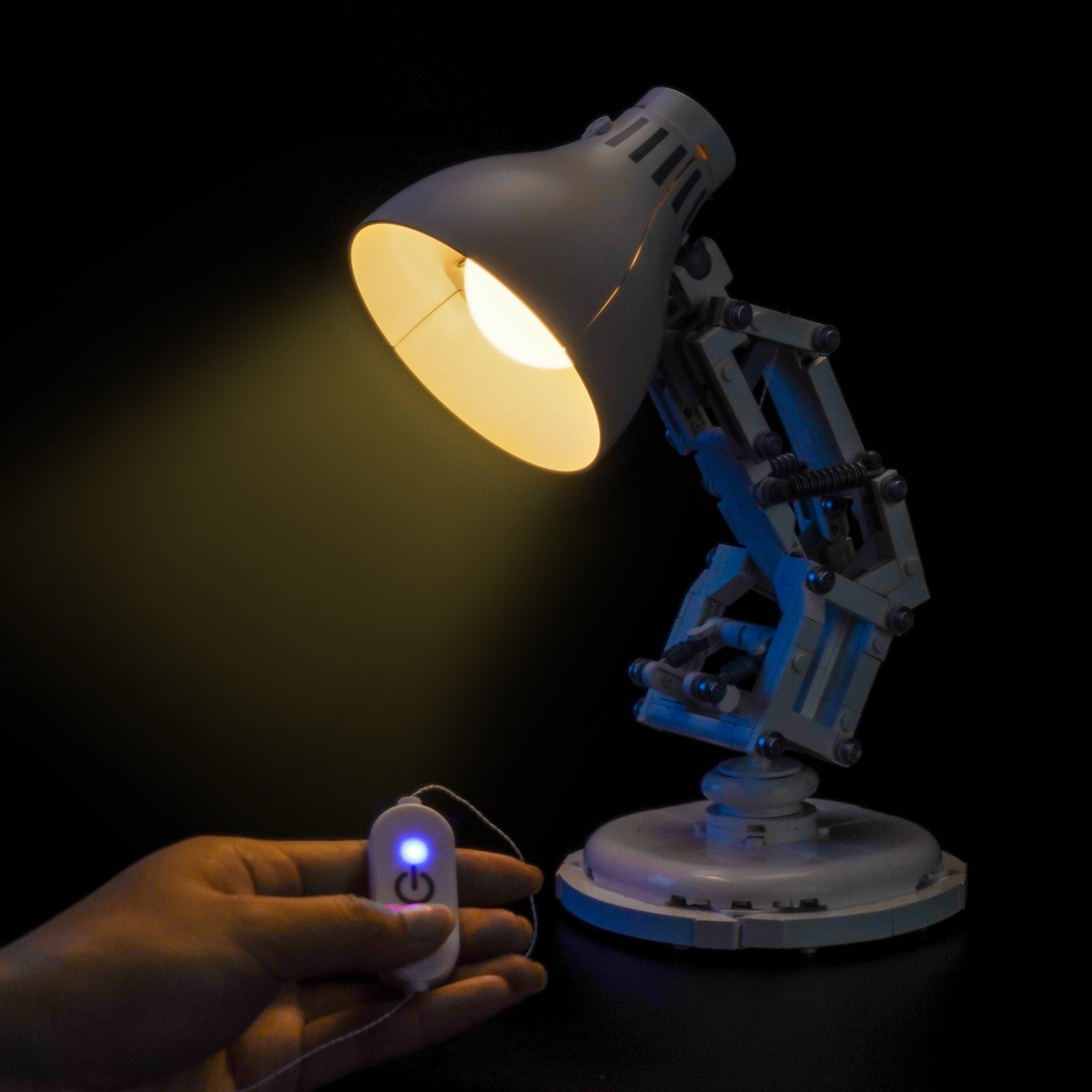
Looking for a fun and creative way to brighten up your workspace? Imagine having a desk lamp that’s not only useful but also a cool conversation starter—built by you with colorful Lego bricks!
You don’t need to be an expert or have fancy tools. In this guide, you’ll discover simple steps to make your very own Lego desk lamp that fits your style and lights up your room. Ready to add a playful touch to your desk?
Let’s dive in and bring your unique lamp to life!
Credit: ideas.lego.com
Materials Needed
Gathering the right materials is essential before you start building your Lego desk lamp. The quality and type of each component will affect how sturdy and functional your lamp turns out. Let’s break down the materials you’ll need to bring your creative idea to life.
Lego Pieces Selection
Choose Lego bricks that are sturdy and fit well together to support the lamp’s structure. Include a variety of sizes and shapes like plates, beams, and bricks with holes to allow wiring through. Don’t forget to pick some decorative pieces to make your lamp visually appealing.
Have you checked your Lego collection for unique parts that can double as a lampshade or base? Adding transparent or translucent pieces can create interesting light effects. Think about color coordination to match your workspace.
Electrical Components
You’ll need a small LED light bulb or a strip that fits within your Lego design. Select a low-voltage LED to keep the lamp safe and energy-efficient. A battery pack or USB power source will provide the necessary electricity to light up your creation.
Make sure to get a switch to control the light easily. Wires, connectors, and a socket compatible with your LED are also key. Are you ready to handle simple electrical connections? It’s easier than you might think!
Tools Required
Some basic tools will make assembling the lamp and handling electrical parts much smoother. A small screwdriver, wire stripper, and pliers are essential for connecting and securing wires. You might also need a hot glue gun or tape to keep electrical components stable inside the Lego structure.
Having a ruler or measuring tape helps keep your design balanced and proportional. Do you have a clean, well-lit workspace? It makes all the difference when working on a project that requires precision.
Planning Your Design
Planning your Lego desk lamp design sets the foundation for a smooth build. It helps you save time and avoid mistakes. Thoughtful planning also ensures the lamp looks great and works safely.
Focus on style, layout, and safety before building. This approach makes the project clear and enjoyable.
Choosing The Lamp Style
Pick a lamp style that fits your space and taste. Consider classic desk lamps, modern designs, or creative shapes. Think about the size and height that suits your desk.
Choose colors that match your room or make the lamp stand out. Decide if you want a simple or complex design. Keep your Lego pieces and tools in mind.
Sketching The Layout
Create a rough drawing of your lamp idea. Sketch the base, stem, and lampshade separately. Show where the light bulb and wiring will go.
Use simple shapes to plan the structure. Mark the dimensions and note the Lego pieces you need. This helps avoid changes during building.
Safety Considerations
Plan for safe electrical parts. Use LED bulbs as they stay cool and use less power. Avoid placing wires where they can get pinched or damaged.
Make sure the lamp base is stable to prevent tipping. Check that all Lego parts fit tightly to avoid gaps. Keep the lamp away from flammable materials.
Building The Base
Start by selecting sturdy Lego pieces to create a strong base for your desk lamp. Ensure the base is wide enough to support the lamp’s weight and keep it steady. Building a solid foundation helps your lamp stand firm and last longer.
Building a Lego desk lamp is an exciting project that sparks creativity and innovation. At the heart of this project is the base, which provides stability and integrates essential components. Crafting a solid foundation ensures that your lamp not only stands tall but also functions smoothly. Let’s dive into the essential steps for building the base, where creativity meets practicality.Creating A Stable Foundation
Start by selecting a sturdy surface for your base. A larger Lego plate works well here, as it offers enough room for support and customization. Consider using a square or rectangular shape for better balance. Build up the sides using Lego bricks of uniform size. This creates a robust perimeter that prevents wobbling. Aim for a height that complements your lamp’s design while ensuring stability. Add weight to the base by incorporating heavier Lego pieces at the bottom. This will anchor the lamp, making it less likely to tip over. Experiment with different configurations until you find the perfect balance.Integrating The Wiring Channel
Think about how you’ll hide the wires within your Lego creation. Carve out a channel by leaving gaps between the bricks at the center of your base. This will serve as a discreet pathway for wiring. Use flat Lego pieces to cover the channel, keeping wires securely tucked away. This not only maintains the aesthetic appeal but also safeguards the wiring from damage. Ensure there’s a clear exit point for the cord. Leave a small opening at the back of the base for an unobtrusive and efficient wire path. Have you ever considered how much a simple Lego piece can transform an ordinary lamp into a unique masterpiece? With a stable foundation and integrated wiring, your Lego desk lamp will not only light up your room but also spark conversations about your creative journey.
Credit: www.youtube.com
Constructing The Lamp Arm
Constructing the lamp arm is a key part of building a Lego desk lamp. It needs to be strong and flexible. The arm should hold the lamp head steady. At the same time, it should move easily to change the light angle. Careful design and wiring are essential for safety and function.
Designing Adjustable Joints
Use Lego hinge pieces to create movable joints. These allow the arm to bend and twist smoothly. Connect several joints to build an extendable arm. Test each joint to ensure it holds position well. Tighten loose parts by adding small Lego bricks around the joints. This improves stability without losing flexibility.
- Choose sturdy hinge elements for strong support.
- Align joints so the arm moves naturally.
- Use small plates to reinforce the connection points.
Securing The Electrical Wires
Run the wires through the arm carefully. Avoid sharp bends to prevent damage. Use small clips or Lego bricks to fix the wire inside the arm. Keep the wire loose enough to move with the arm. Check that the wire does not get pinched at any joint. This ensures safe electricity flow and prevents shorts.
- Strip wires to proper length for easy connections.
- Hide wires inside hollow Lego pieces for neatness.
- Secure loose wires with tape or small Lego clips.
Assembling The Lamp Shade
Assembling the lamp shade is a key part of building your Lego desk lamp. The shade controls how light spreads and gives the lamp its style. Careful choice and arrangement of Lego pieces can create a bright, soft glow that suits any room.
Selecting Translucent Lego Pieces
Pick Lego pieces that let light pass through. Translucent bricks work best for a lamp shade. Clear or colored translucent pieces add a unique look.
- Choose bricks labeled as translucent or transparent.
- Mix colors for a colorful glow or use clear for a simple look.
- Use flat pieces to create smooth surfaces for light to shine through.
These pieces help the light shine but keep it gentle on the eyes.
Ensuring Proper Light Diffusion
Arrange the pieces so light spreads evenly. Avoid gaps that create harsh shadows.
- Overlap translucent bricks slightly to soften the light.
- Use smaller pieces around edges to prevent bright spots.
- Test the shade by placing a light inside and adjusting pieces.
This creates a warm, even glow and protects your eyes from direct light.
Wiring And Electrical Setup
Setting up the wiring and electrical parts is key for your Lego desk lamp. It brings your lamp to life with light and control. Safety is important, so handle all parts carefully and double-check connections.
Connecting The Led Bulb
Start by choosing a small LED bulb that fits your Lego design. Use thin wires to connect the LED’s positive and negative legs. Make sure the positive wire goes to the longer leg of the LED. Secure wires with electrical tape or heat shrink tubing to avoid shorts. Keep the wires neat to fit inside the Lego structure.
Installing The Switch And Power Source
Pick a simple switch that matches your lamp’s size. Connect one wire from the LED’s positive side to one terminal of the switch. Then, connect another wire from the switch to the power source’s positive terminal. Attach the LED’s negative wire directly to the power source’s negative terminal. Use a battery pack or USB power adapter depending on your preference. Make sure all connections are tight and insulated.
Testing The Circuit
Before closing your lamp, test the circuit carefully. Turn on the switch and check if the LED lights up. If it doesn’t, check all wire connections again. Use a multimeter to check for any breaks or wrong connections. Once the light works, secure all parts inside the Lego lamp body. Your lamp is ready to brighten your desk!
Final Assembly And Finishing Touches
The final assembly and finishing touches are where your Lego desk lamp truly comes to life. This stage requires patience and precision to ensure all parts fit securely and the lamp functions safely. It’s also your chance to add personality and style, making the lamp uniquely yours.
Attaching All Components
Begin by carefully connecting the Lego base to the lamp structure. Make sure the electrical parts, like the wiring and bulb holder, fit snugly without forcing them. Secure the lampshade last, ensuring it aligns well with the light source.
Double-check every connection for stability. Loose components can cause the lamp to wobble or even break. Ask yourself: is each piece locked in place firmly enough to handle daily use?
Decorating The Lamp
Adding decorations lets your creativity shine. Consider using colorful Lego bricks or themed pieces that match your workspace or favorite colors. Small accessories like mini figures or transparent bricks can add a fun twist.
Think about how light will reflect off your decorations. Some translucent pieces create beautiful effects when illuminated. Don’t hesitate to mix and match styles to find what feels right for you.
Troubleshooting Tips
If the lamp doesn’t light up, start by checking the bulb and wiring connections. Make sure the battery or power source is working and inserted correctly. Sometimes, a loose wire inside the Lego structure might be the culprit.
Watch out for Lego bricks that block the light or cause overheating. You want the lamp to be safe and functional, not just stylish. Have you tested the lamp in different positions to see if the light spreads evenly?
Maintenance And Safety Tips
Keeping your Lego desk lamp in good shape ensures it lasts longer and stays safe. Regular care helps maintain its look and function. Follow simple tips to clean, replace parts, and avoid hazards. This keeps your lamp bright and secure.
Cleaning Your Lego Lamp
Dust and dirt can dull your lamp’s colors. Use a soft cloth or a small brush to clean the bricks gently. Avoid water near electrical parts to prevent damage. A dry or slightly damp cloth works best for cleaning the surface.
Replacing Bulbs And Batteries
Check bulbs regularly to make sure they work well. Replace bulbs with the right size and type for your lamp. If your lamp uses batteries, change them when the light dims or stops. Use fresh batteries and insert them correctly to avoid leaks.
Avoiding Electrical Hazards
Keep the lamp away from water or wet areas. Do not use damaged cords or plugs. Make sure wires are not pinched or twisted. Turn off the lamp before changing bulbs or batteries. Use only recommended electrical parts to prevent accidents.
Credit: brickblingtoy.com
Frequently Asked Questions
What Materials Are Needed For A Lego Desk Lamp?
You need Lego bricks, a small lamp kit, LED bulb, wires, and a power source. Optional tools include glue and a screwdriver. Choose bricks sturdy enough to support the lamp’s weight.
How Do I Safely Wire A Lego Desk Lamp?
Use low-voltage LED bulbs to prevent overheating. Secure wires inside Lego bricks without pinching. Test connections before final assembly to avoid electrical hazards.
Can I Customize The Lego Desk Lamp Design?
Yes, Lego bricks offer infinite design options. Customize shape, color, and size to match your style. Mix standard and specialty bricks for unique features.
How Long Does It Take To Build A Lego Desk Lamp?
Building time varies by complexity but typically takes 1-3 hours. Planning your design beforehand speeds up assembly and wiring. Allow extra time for testing.
Conclusion
Building a Lego desk lamp is a fun and creative project. It brightens your space and shows your style. You can change the design anytime you want. Using simple materials keeps the process easy and safe. This lamp fits well in any room or office.
Try building one to add a personal touch. Let your imagination guide your next Lego creation. Enjoy the light and the pride of making it yourself.



