
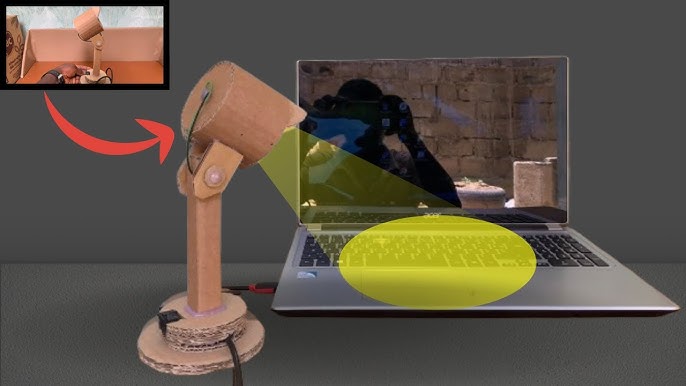
Looking to add a cozy touch to your workspace or create a unique gift? Making your own mini desk lamp is easier than you think.
Imagine having a lamp that perfectly fits your style and brightens your desk just the way you want. In this guide, you’ll discover simple steps to build a mini lamp with materials you can find easily. By the end, you’ll have a stylish, functional light that’s all yours.
Ready to light up your space? Let’s get started!
Materials Needed
Gathering the right materials is the first step to making a mini desk lamp. Choosing simple and easy-to-find items helps the project move smoothly. This list includes basic tools and parts needed for the lamp. Each item plays a key role in the lamp’s function and design.
Basic Electrical Components
- LED bulb or small light bulb
- Battery holder with switch
- AA or AAA batteries
- Wires for connections
- Soldering iron and solder (optional for secure connections)
Structural Materials
- Wooden block or sturdy cardboard base
- Thin wooden sticks or metal rods for the lamp arm
- Small lampshade or translucent paper
- Glue or strong adhesive
- Paint or markers for decoration
Tools And Accessories
- Scissors or craft knife
- Ruler and pencil for measurements
- Hot glue gun or craft glue
- Wire stripper or small pliers
- Tape for temporary holding
Choosing The Right Lamp Design
Choosing the right lamp design is key to making a mini desk lamp that fits your style and needs. The design affects not only the look but also how well the lamp works on your desk. Think about the space where you want to place the lamp and what kind of lighting helps you focus best.
Consider Your Desk Space And Size
Look at how much room you have on your desk before deciding on a lamp design. A bulky lamp might clutter a small desk, while a sleek, compact design can save space. Ask yourself if you want a lamp that takes up little space or one that can be adjusted and moved easily.
Choose The Right Light Source
Your lamp’s light source affects your comfort and productivity. LED bulbs are energy-efficient and last long, making them a great choice for desk lamps. If you prefer a softer glow, consider bulbs with adjustable brightness or color temperature to reduce eye strain.
Pick A Design That Matches Your Style
The lamp should reflect your personality and room decor. Do you like modern, minimal designs, or something more vintage and cozy? Selecting a design you enjoy looking at will make your workspace inviting and inspire you to work more.
Think About Functionality And Adjustability
Adjustable arms or swivel heads let you direct light exactly where you need it. This feature can be a game-changer if you work on detailed tasks or switch between reading and computer work. Would a fixed lamp or an adjustable one serve your daily routine better?
Material Matters For Durability And Look
Materials like metal, wood, or plastic change the lamp’s weight and appearance. Metal offers durability and a modern look, while wood adds warmth and a natural feel. Consider how the material matches your desk and how sturdy you want your lamp to be.
Preparing The Lamp Base
Choose a sturdy base for your mini desk lamp to ensure stability. Drill a hole in the center to fit the lamp rod or wiring securely. Sand the edges smooth to avoid rough spots or splinters.
Preparing the lamp base is a crucial step in crafting your mini desk lamp. A stable base ensures safety and functionality. This section guides you through creating a reliable foundation for your lamp. Let’s delve into the steps that bring your lamp to life.Choosing The Right Materials
Select materials that provide stability. Common choices include wood, plastic, or metal. Ensure the base material is durable and not easily breakable. Consider the weight and balance of the materials.Measuring And Cutting The Base
Measure the desired size for your lamp base. Use a ruler or measuring tape for accuracy. Cut the material according to measurements. Ensure edges are smooth to avoid any accidents.Drilling A Hole For The Lamp Stand
Mark the center of the base for the lamp stand. Use a drill to make a hole. Ensure the hole diameter matches the lamp stand’s size. This ensures a snug fit.Sanding And Finishing The Base
Sand the base to remove rough edges. This prevents splinters and gives a polished look. Use sandpaper or a sanding machine. Finish with paint or varnish for a clean appearance.Attaching Non-slip Pads
Add non-slip pads to the bottom of the base. This prevents the lamp from sliding. It also protects the surface of your desk. Choose pads that adhere well to your chosen material. With these steps, your lamp base will be ready. This foundation is essential for a functional and stylish mini desk lamp.
Credit: www.iraqiaddress.com
Wiring The Lamp Safely
Wiring your mini desk lamp safely is crucial to avoid hazards and ensure it works properly. Taking time to choose the right components and connect them correctly can save you from electrical troubles later. Let’s focus on how to handle the wiring step-by-step so your lamp shines bright without any risks.
Selecting The Bulb And Socket
Choosing the right bulb and socket sets the foundation for safe wiring. Pick a bulb that matches the power rating of your socket to prevent overheating or short circuits.
Consider LED bulbs as they generate less heat and consume less electricity. Also, check the socket type—E12, E14, or E26 are common sizes—and make sure it fits your lamp design.
Have you ever tried using a bulb that didn’t fit or blew out quickly? That’s usually because the socket and bulb weren’t compatible. Avoid this by double-checking specifications before buying.
Connecting The Electrical Components
Start by stripping about half an inch of insulation off the wires to expose the copper. Use wire connectors or twist the wires securely before wrapping with electrical tape to prevent loose connections.
Attach the live (usually brown or black) and neutral (blue or white) wires to the correct terminals on the socket. Incorrect connections can cause the lamp to malfunction or pose a shock hazard.
Always connect the ground wire if your lamp includes one—it’s a safety feature that can protect you from electric shocks. If unsure, consult the wiring diagram that comes with your socket or bulb.
Before plugging in, double-check all connections to ensure they’re tight and insulated. Have you checked your work carefully? A quick test with a multimeter can save you from surprises.
Assembling The Lamp Shade
Assembling the lamp shade is a key part of creating your mini desk lamp. The shade controls the light’s direction and adds style. Take your time and handle parts carefully. A well-built shade improves both function and look.
Choosing The Shade Material
Select a material that lets light pass gently. Paper, thin fabric, or plastic work well. Avoid thick materials that block too much light. The shade should be sturdy but light.
Cutting The Shade Pieces
Use a ruler and pencil to mark shapes on your material. Cut carefully along the lines with scissors. Smooth any rough edges with sandpaper or a file. Accurate cuts make assembly easier.
Joining The Shade Parts
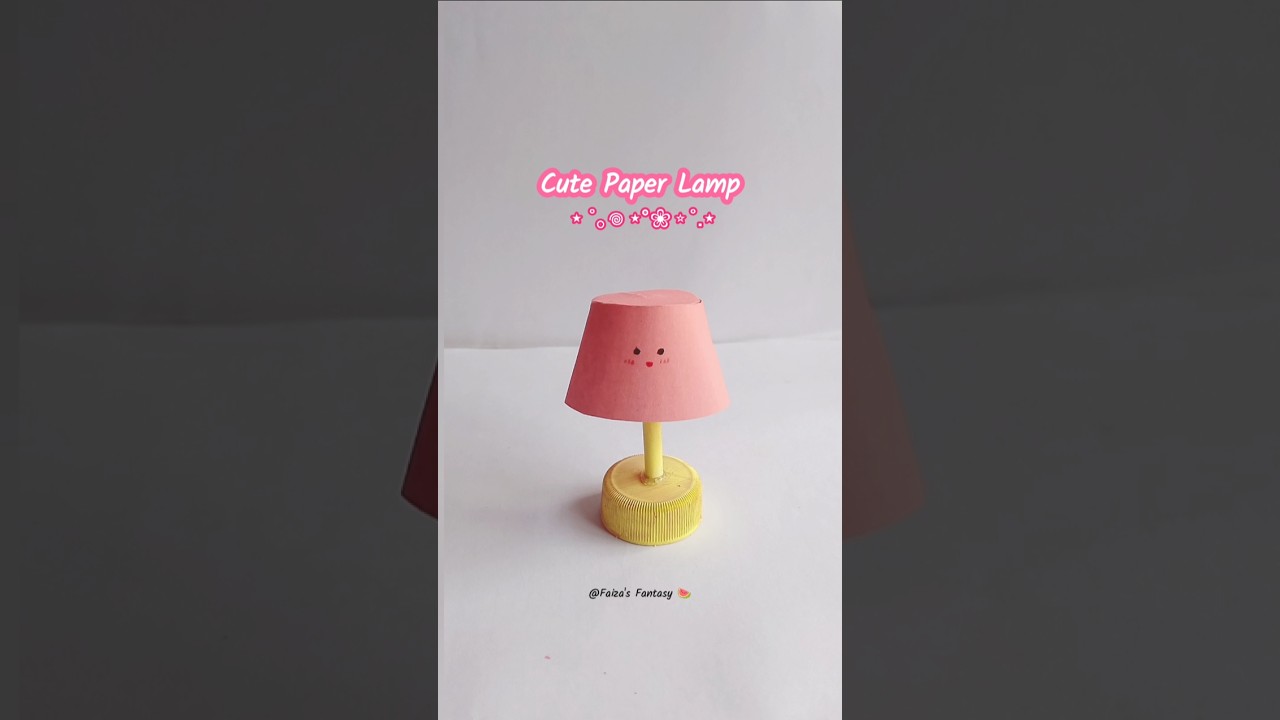
Use glue or tape to connect the shade pieces. Hold parts together until the glue dries. Make sure the shape is even and secure. Avoid gaps where light could leak unevenly.
Attaching The Shade To The Frame
Fit the shade onto the lamp frame gently. Use clips or glue to fix it in place. Check that the shade does not touch the bulb. Leave space for air to cool the lamp.
Credit: www.youtube.com
Finishing Touches And Decoration
Finishing touches and decoration bring your mini desk lamp to life. These final steps make it unique and fit your space perfectly. Small details can create a big impact on style and function.
Choose decoration that matches your room’s theme. Play with colors, textures, and shapes to add personality. The lamp should look inviting and brighten your workspace.
Painting And Color Choices
Paint the lamp base or shade to match your style. Use acrylic paints for easy application and quick drying. Matte or glossy finishes change the lamp’s mood. Try soft pastels for a calm vibe or bold colors for energy.
Adding Decorative Elements
- Wrap the lamp base with twine or ribbon for texture.
- Attach small charms or beads for a playful touch.
- Use washi tape to create patterns on the lamp shade.
- Glue fabric or lace around the shade for a cozy look.
Personalizing With Custom Details
Write or stencil words on the lamp base to inspire you. Attach small photos or notes with clips or magnets. Use stickers or decals that reflect your hobbies or interests. These small touches make the lamp truly yours.
Testing And Troubleshooting
Testing and troubleshooting are key steps in making a mini desk lamp. They ensure the lamp works safely and shines brightly. Careful checks help find and fix common issues fast. This section covers simple ways to test your lamp and solve problems you might face.
Checking The Electrical Connections
Start by checking all wires and connections. Make sure each wire is tight and secure. Loose wires can cause the lamp not to work. Look for any damaged or frayed wires. Replace any faulty wires before testing the lamp.
Testing The Light Bulb
Use a bulb that matches your lamp’s specifications. Insert the bulb firmly in the socket. Turn on the power switch to see if the bulb lights up. If it does not, try another bulb. This checks if the problem is the bulb or the wiring.
Using A Multimeter For Voltage Testing
A multimeter helps check if electricity flows correctly. Set the multimeter to measure voltage. Touch the probes to the lamp’s power points. A reading shows if power reaches the bulb. No reading means a wiring or switch issue.
Fixing Common Problems
- The lamp does not turn on: Check the power source and switch.
- The bulb flickers: Tighten the bulb and check the socket.
- The lamp feels hot: Use a bulb with lower wattage or check ventilation.
- The lamp has a burning smell: Unplug it immediately and inspect for wire damage.
Final Safety Checks
Make sure the lamp does not overheat. Test the switch multiple times for smooth operation. Confirm all parts are stable and secure. Never use the lamp if you find exposed wires or sparks. Safety first for a long-lasting desk lamp.

Credit: www.youtube.com
Tips For Customizing Your Lamp
Customizing your mini desk lamp makes it truly yours. Small changes can show your style and brighten your space. Choose colors, shapes, and materials that fit your taste. Personal touches create a lamp that feels special and unique.
Choose Colors That Match Your Room
Pick paint or materials that blend well with your room. Soft tones create calm, while bright colors add energy. Use spray paint or colored tape for easy changes. Match the lamp base and shade for a balanced look.
Add Personal Decorations
Use stickers, washi tape, or small decals to decorate. Glue on beads, buttons, or fabric pieces for texture. Wrap the lamp cord with colorful yarn or ribbon. Small decorations make the lamp more interesting and fun.
Use Different Lamp Shades
Try shades made from paper, fabric, or metal. A paper shade can have patterns or drawings. Fabric shades offer soft light and a cozy feel. Metal shades give a modern or industrial look. Change shades to create different moods.
Experiment With Light Bulbs
Choose bulbs with different brightness levels and colors. Warm white bulbs create a soft glow. Cool white bulbs help with focus and reading. LED bulbs save energy and last longer. Test bulbs to find the best light for you.
Incorporate Functional Features
Add a dimmer switch to control light strength. Use a flexible neck for easy light direction. Attach a small clip to hold notes or photos. Combine style and function for a practical lamp.
Frequently Asked Questions
What Materials Are Needed To Make A Mini Desk Lamp?
You need a small LED bulb, lamp holder, wire, switch, battery or power source, and a lamp base. Optional materials include paint and decorative elements to personalize your lamp.
How Long Does It Take To Assemble A Mini Desk Lamp?
Assembly typically takes 30 to 60 minutes. Time depends on your experience and whether you customize the design. Following clear instructions speeds up the process.
Can I Use Recycled Materials For The Mini Desk Lamp?
Yes, recycled materials like old jars, bottle caps, or wood scraps work well. They add a unique look and help reduce waste while saving costs.
Is Soldering Required To Make A Mini Desk Lamp?
Soldering is recommended for secure electrical connections but not always necessary. Twist wire connectors or electrical tape can be alternatives for beginners.
Conclusion
Making a mini desk lamp is simple and fun. You can use basic materials found at home. It adds light and style to any desk or room. Crafting your own lamp gives a sense of pride. Plus, it saves money compared to buying one.
Try different designs to match your space. Small projects like this boost creativity and focus. Start your mini lamp project today and enjoy the glow it brings.



