
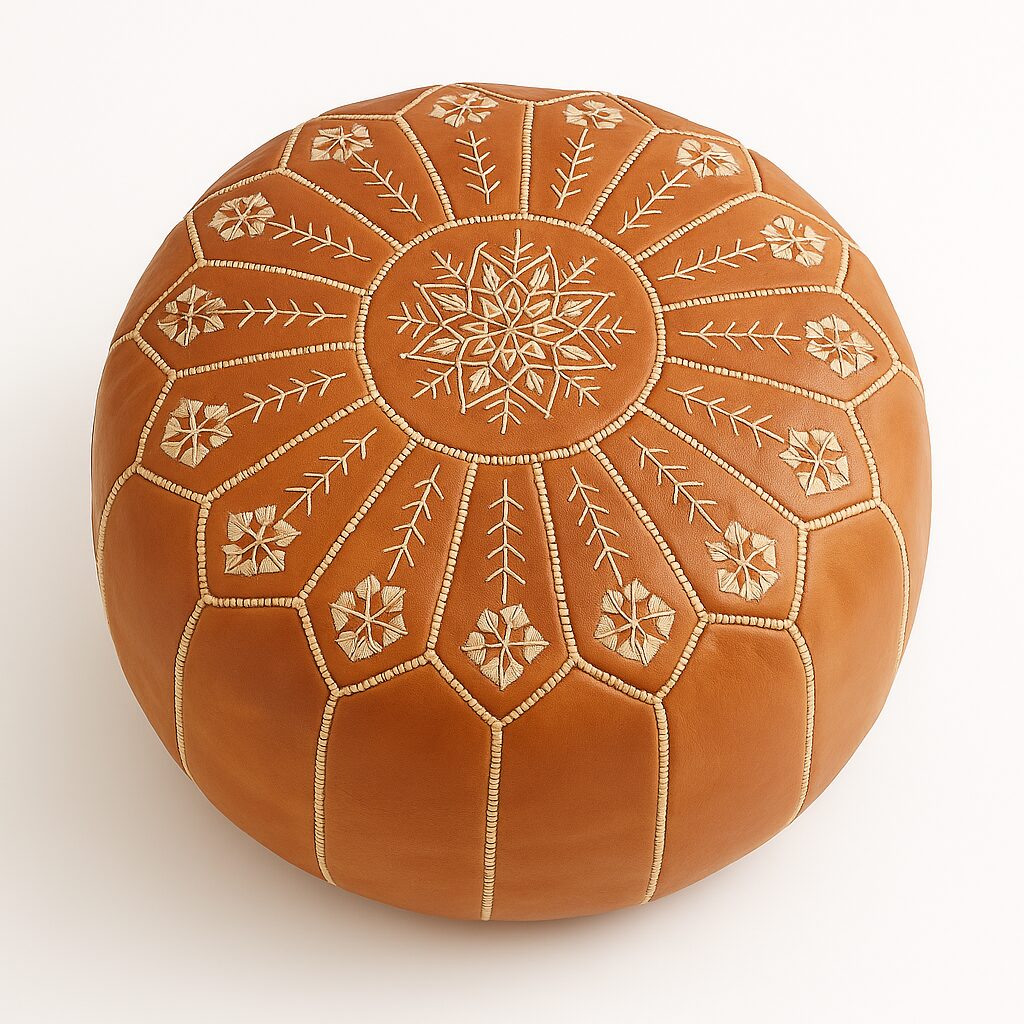
Are you looking to add a unique and stylish piece to your living space? A Moroccan pouf ottoman is the perfect blend of comfort and charm, and you can make one yourself!
Imagine having a handcrafted pouf that reflects your personality and fits perfectly with your décor. In this guide, you’ll discover simple steps to create your own Moroccan pouf ottoman, even if you’ve never tried sewing before. Keep reading, and by the end, you’ll have a beautiful, cozy piece that you’ll be proud to show off.
Ready to start? Let’s dive in!
Materials And Tools Needed
Gathering the right materials and tools is key to making a beautiful Moroccan pouf ottoman. Choosing quality supplies ensures your pouf looks authentic and lasts long. You need fabric, stuffing, and basic sewing tools. Each item plays a role in shaping the final product.
Below is a clear list of essential materials and tools for this project. Prepare everything before starting. This helps the work flow smoothly and avoids interruptions.
Fabrics And Materials
- Leather or faux leather fabric for the outer cover
- Strong cotton thread matching the fabric color
- Soft stuffing like polyester fiberfill or foam
- Needle suitable for thick fabric
- Zipper or buttons for closure (optional)
Sewing Tools
- Heavy-duty sewing needle or sewing machine
- Scissors for cutting fabric
- Measuring tape or ruler
- Fabric chalk or marker for tracing patterns
- Thimble to protect fingers while sewing
Additional Supplies
- Paper or cardboard for creating sewing patterns
- Pins or clips to hold fabric pieces together
- Optional decorative elements like embroidery thread or beads

Credit: homeon129acres.com
Choosing The Right Fabric
Choosing the right fabric is key to making a beautiful Moroccan pouf ottoman. The fabric sets the tone and feel of the pouf. It affects comfort, style, and durability. Picking the best fabric ensures your pouf lasts long and fits your room perfectly.
Consider texture, color, and strength when selecting fabric. The fabric should match your decor and handle regular use. Some fabrics offer a traditional look, while others bring modern vibes. Understanding fabric types helps you make a smart choice.
Understanding Fabric Types
Natural fabrics like leather and cotton are popular for Moroccan poufs. Leather gives a classic, rich look. It is strong and ages well. Cotton feels soft and is easy to clean. Synthetic fabrics like polyester are durable and affordable. They resist stains and wear well.
Choosing Colors And Patterns
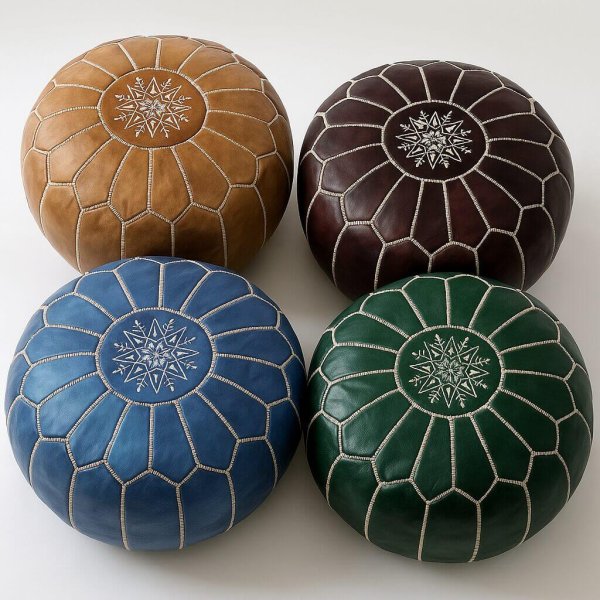
Traditional Moroccan poufs often feature bold colors and patterns. Earth tones, reds, and blues are common. Choose colors that match your room’s palette. Patterns add charm and character. Solid colors work well for a modern, simple style.
Considering Fabric Durability
Durability matters for a pouf used daily. Strong fabrics resist tears and stains. Leather and heavy cotton last longer. Avoid delicate or thin fabrics. Test fabric strength by feeling its weight and texture. Durable fabric keeps your pouf looking new.
Evaluating Comfort And Feel
The fabric should feel nice to touch. Soft fabrics provide comfort when sitting or resting feet. Rough or stiff fabric may cause discomfort. Consider fabric breathability to avoid heat build-up. Choose fabric that balances comfort and durability.
Cutting The Fabric Pieces
Cutting fabric pieces accurately is crucial for crafting a Moroccan pouf ottoman. Use a pattern to trace and cut each piece carefully. Ensure each section is the correct size and shape for a perfect fit.
Cutting the fabric pieces for a Moroccan pouf ottoman is a critical step. This process sets the foundation for the entire project. With precision and care, you can achieve a beautiful result. Begin by selecting your favorite fabric. Ensure it complements your room’s decor. The fabric should be durable and easy to clean.Measure And Mark The Fabric
Start by measuring your fabric accurately. Use a measuring tape for precision. Mark the fabric with a fabric pen. This ensures straight and even cuts. Double-check your measurements before cutting.Cut The Top And Bottom Circles
Draw two large circles on the fabric. Use a large bowl or compass to guide you. These circles form the pouf’s top and bottom. Carefully cut along the marked lines. Ensure smooth edges to avoid fraying.Cut The Side Panels
The side panels give the pouf its height. Measure the desired height and circumference. Divide the circumference into even sections. Cut rectangular panels based on these dimensions. Keep the edges straight and neat.Create The Decorative Strips
Optional decorative strips add flair. Cut narrow strips from contrasting fabric. These can be sewn onto the panels. They enhance the pouf’s visual appeal. Ensure they are evenly spaced for symmetry.Prepare For Sewing
Lay out all fabric pieces. Confirm you have everything needed. This prevents mid-project interruptions. Organize the pieces by size and shape. Now, you’re ready to sew your pouf ottoman.Sewing The Panels Together
Sewing the panels together is a key step in making a Moroccan pouf ottoman. The panels form the pouf’s shape and structure. Accurate stitching ensures durability and a neat look. It takes patience and attention to detail.
Start by aligning the edges of two panels carefully. Pin them together to hold the fabric in place. This prevents shifting while sewing. Use strong thread to withstand pressure and weight.
Sewing With A Straight Stitch
A straight stitch works best for joining the panels. Sew slowly and keep the seam allowance consistent. Backstitch at the beginning and end to secure the seam. Press the seams open with an iron for a smooth finish.
Joining All Panels
Attach one panel at a time, sewing around the edges. Keep the panels flat and aligned. Check the shape regularly to avoid uneven parts. Use pins liberally to maintain control over the fabric.
Creating The Pouf’s Top And Bottom
After sewing the side panels, sew the top and bottom pieces. These pieces close the pouf and give it a finished look. Align edges precisely for clean seams. Reinforce these seams as they carry the most weight.
Creating The Top And Bottom Panels
Creating the top and bottom panels of your Moroccan pouf ottoman sets the foundation for its unique shape and style. These panels need to be cut and sewn with precision to ensure the ottoman looks neat and holds its structure well. Let’s focus on crafting these pieces carefully, as they are key to achieving that authentic, handcrafted feel.
Choosing The Right Fabric And Size
Select a durable fabric that can handle regular use, like leather or thick cotton. Your top and bottom panels should be perfect circles, so use a large compass or a string tied to a pencil to draw the shape.
Measure twice before cutting; a typical pouf top diameter ranges from 16 to 20 inches, depending on the size you want. Remember, a slightly larger panel allows for seam allowances and stuffing space.
Cutting And Preparing The Panels
Cut the circles carefully with sharp fabric scissors to avoid frayed edges. If you’re working with leather, consider using a rotary cutter for cleaner cuts.
Mark the center and the seam lines lightly with tailor’s chalk. This helps keep the design symmetrical, which is crucial for that polished look.
Pin the panels to the side pieces, matching the seam marks to keep everything aligned. Use a strong stitch like a backstitch or a heavy-duty sewing machine stitch.
Keep your stitches tight and consistent to prevent gaps or puckering. You’ll want to leave a small opening to insert the stuffing later, so plan your stitching accordingly.
Assembling The Ottoman Shape
Assembling the shape of a Moroccan pouf ottoman is a crucial step. This process gives the pouf its classic, rounded form that adds charm to any room. Careful stitching and filling create the soft, inviting look typical of these ottomans.
Start by preparing the fabric pieces cut from your pattern. These pieces usually include several panels shaped like elongated diamonds or hexagons. Stitching them together in the right order forms the ottoman’s body.
Next, focus on the seams. Strong, even stitches hold the shape firmly. Use a durable thread and a tight stitch to prevent gaps or stretching over time. Reinforcing stress points helps maintain the pouf’s structure.
After sewing the panels, turn the pouf right side out. This reveals the full shape. It should look like a soft, stuffed ball before filling.
Preparing The Fabric Panels
- Cut fabric into correct shapes using the pattern
- Mark seam allowances for accurate stitching
- Arrange panels to match the design and colors
Stitching The Ottoman Panels Together
- Pin panels with edges aligned carefully
- Sew panels with a strong, consistent stitch
- Reinforce corners and stress points with extra stitching
Turning And Shaping The Pouf
- Turn sewn panels right side out slowly
- Check seams for strength and smoothness
- Adjust shape by gently pulling and molding fabric
Stuffing The Pouf
Stuffing your Moroccan pouf ottoman properly is key to achieving that perfect balance between comfort and structure. The right filling will determine how well your pouf holds its shape and how inviting it feels to sit on. Let’s explore how to stuff your pouf effectively so it looks great and lasts long.
Choosing The Right Filling Material
You want a filling that’s both firm and soft enough to mold comfortably when you sit. Common options include:
- Polyester fiberfill:Soft and lightweight, but may compress over time.
- Foam pieces:Provide good support but can be bulky.
- Recycled fabric scraps:Eco-friendly and adjustable but may feel uneven.
- Old clothes or cushions:A budget-friendly way to reuse materials while adding softness.
Think about how you’ll use your pouf—will it be for occasional seating or daily use? This helps decide which filling suits your needs best.
Filling Techniques For A Balanced Shape
Start by filling the pouf loosely and then gradually add more material. This way, you avoid lumps and achieve an even shape.
Try stuffing the pouf in layers: add some filling, press it down, then add more. This gives you control over firmness.
As you fill, frequently check the pouf from all sides to ensure it’s symmetrical. Don’t rush—taking your time here makes a big difference.
How Much Stuffing Is Enough?
It’s tempting to stuff the pouf as full as possible, but overfilling can strain the seams and distort the shape. Too little stuffing makes it saggy and uncomfortable.
A good rule is to fill until the pouf feels firm when pressed but still has a little give. Imagine sitting on it; it should support you without feeling rock hard.
Ask yourself: Does it bounce back after you press it? If yes, you’re on the right track.
Securing The Filling Inside
Once the pouf is stuffed to your liking, you need to close it securely to prevent the filling from escaping.
If your pouf has a zipper, make sure it’s fully closed and the fabric around it is smooth. Without a zipper, sew the opening tightly using strong thread.
Consider adding a lining inside to keep the filling contained and protect the outer fabric. This extra step can save you from future messes and repairs.
Credit: www.marrakeche.com
Adding Decorative Details
Adding decorative details brings life and charm to your Moroccan pouf ottoman. These touches give the pouf a unique look and showcase your personal style. Focus on simple, bold decorations that enhance the handcrafted feel.
Embroidery And Stitching
Embroidery adds texture and color to your pouf. Choose bright threads that contrast with the base fabric. Use basic stitches like chain, satin, or running stitch. Create geometric shapes or floral patterns for an authentic look. Stitch carefully along seams or in open spaces to avoid bulky fabric. Embroidery also strengthens the fabric, making the pouf durable.
Attaching Tassels And Trims
Tassels and trims give your pouf a playful, traditional touch. Sew tassels at each corner or around the top edge. Use trims like braided cords or lace to outline shapes or seams. Choose colors that complement or contrast with the embroidery. Secure all decorations firmly to prevent wear or loss. Tassels add movement and softness, making the pouf inviting and cozy.
Finishing Touches And Care Tips
Finishing touches make your Moroccan pouf ottoman look complete and stylish. Proper care keeps it beautiful for many years. Small details bring out the authentic charm and durability of your handmade piece.
Focus on neat stitching and secure closures. Use a soft brush or cloth to clean the pouf gently. Avoid harsh chemicals that can damage the leather or fabric.
Securing The Final Seams
Check every seam for tightness. Reinforce any loose threads with a strong needle and matching thread. A clean finish prevents stuffing from escaping and keeps the shape firm.
Adding Decorative Elements
Embellish your pouf with tassels or embroidery. Choose colors that match your room decor. These small touches enhance the authentic Moroccan look.
Cleaning And Maintenance Tips
- Dust regularly with a soft brush or dry cloth.
- Spot clean stains with a damp cloth and mild soap.
- Keep pouf away from direct sunlight to prevent fading.
- Rotate pouf regularly to avoid uneven wear.
- Use leather conditioner if your pouf is made from genuine leather.
Storage Suggestions
Store your pouf in a cool, dry place when not in use. Cover it with a breathable cloth to protect from dust. Avoid plastic covers that trap moisture and cause mold.

Credit: www.amazon.com
Frequently Asked Questions
What Materials Do I Need For A Moroccan Pouf Ottoman?
You need leather or faux leather fabric, strong thread, needle, stuffing, and a sewing machine. Optional decorative beads add charm.
How Long Does It Take To Make A Moroccan Pouf?
Making a Moroccan pouf ottoman typically takes 4-6 hours. It depends on your sewing skills and design complexity.
Can Beginners Sew A Moroccan Pouf Ottoman?
Yes, beginners can sew a pouf ottoman by following simple patterns. Basic sewing skills and patience are essential.
How Do I Stuff A Moroccan Pouf Ottoman Properly?
Use firm stuffing like polyester fiberfill or foam. Fill evenly to maintain shape and provide comfortable support.
Conclusion
Making a Moroccan pouf ottoman can add charm to any room. It brings a cozy and stylish touch to your home. You can customize colors and patterns to fit your taste. The process is fun and rewarding to try at home.
With basic materials and steps, anyone can create one. Enjoy your new pouf as a seat or footrest. Handmade pieces like this also make great gifts. Start crafting today and brighten your living space easily.



