
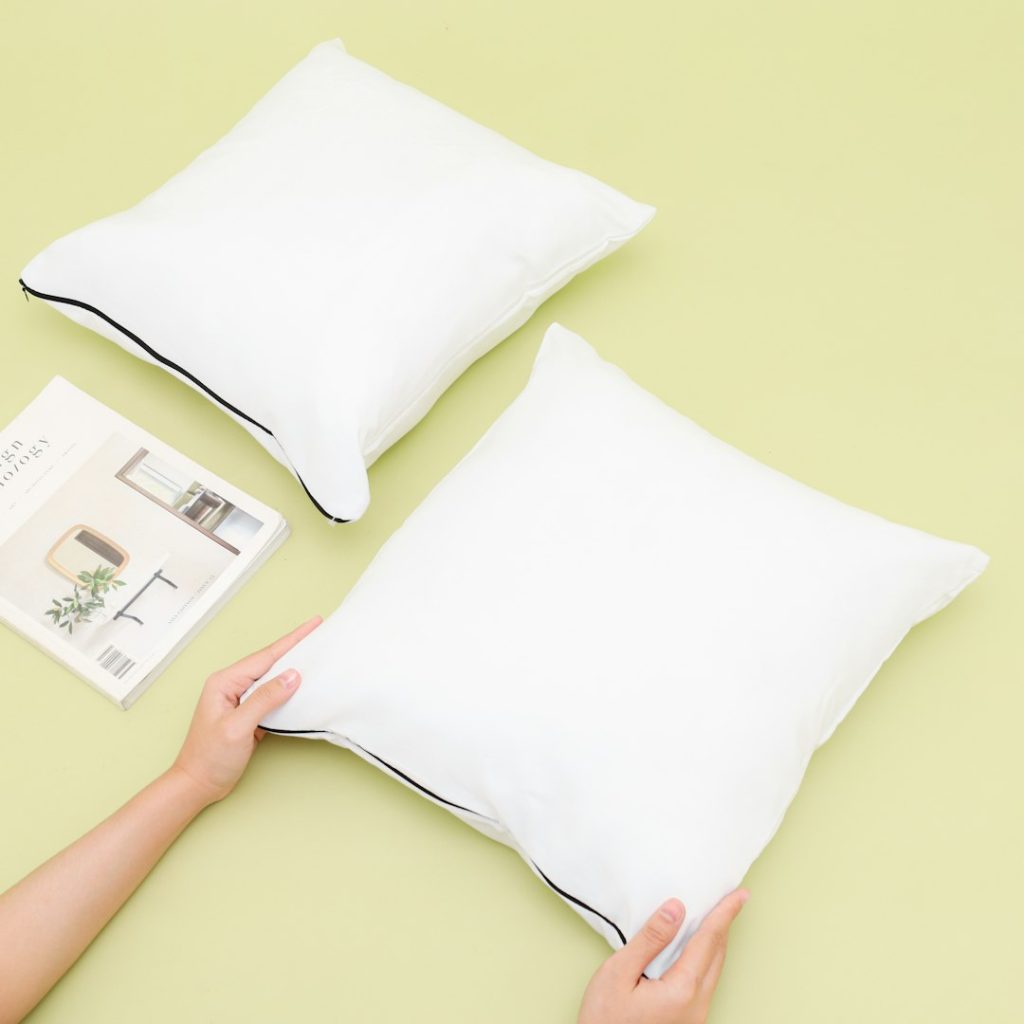
Looking to add a cozy, stylish touch to your living space without spending hours sewing? You’re in the right place.
Making a no sew pillow pouf is easier than you think, and it’s a fun way to refresh your room on a budget. Imagine having a soft, comfy pouf ready to lounge on or impress your guests—all made by you, with simple steps and no sewing skills needed.
Keep reading, and I’ll show you exactly how to create this trendy home accessory quickly and effortlessly. Your perfect pouf is just a few steps away!

Credit: www.youtube.com
Materials Needed
Before you dive into making your no sew pillow pouf, gathering the right materials sets the stage for a smooth and enjoyable project. Having everything ready not only saves time but also sparks creativity as you see how different elements come together. Let’s break down what you’ll need, so you feel confident and prepared to start crafting.
Fabric Selection
Your choice of fabric impacts both the look and durability of your pillow pouf. Opt for thick, sturdy fabrics like canvas, denim, or upholstery fabric to ensure your pouf holds its shape well. Soft fabrics like fleece or cotton blends add comfort, but might require extra layers or reinforcement.
Think about where you’ll use the pouf—indoors or outdoors—and pick a fabric that suits the environment. Have you ever touched a fabric and instantly imagined it in your living room? That’s the feeling to look for here.
Filling Options
The filling gives your pouf its cozy, cushioned feel. Common choices include polyester fiberfill, foam chunks, or even recycled fabric scraps. Each offers different levels of firmness and support.
Consider what you want—do you prefer a firm pouf to sit on, or a softer one to rest your feet? Personal experience taught me that mixing foam chunks with fiberfill creates the perfect balance of comfort and shape retention.
Additional Supplies
Besides fabric and filling, a few extra tools make the process easier. You’ll need a measuring tape to get precise fabric sizes, scissors sharp enough to cut thick material, and fabric glue or hot glue for assembling your pouf without sewing.
Don’t forget a ruler or straight edge to keep your cuts clean and even. Sometimes, having a sturdy marker to outline your cutting lines helps avoid mistakes—do you already have these handy, or will you need to pick them up?
Preparing The Fabric
Preparing the fabric is the first important step to make your no sew pillow pouf. It sets the foundation for a neat and sturdy pouf. Choosing the right fabric and cutting it accurately saves time and effort later. Use a fabric that feels soft but strong enough to hold stuffing. Cotton or fleece work well.
Before cutting, wash and dry the fabric to avoid shrinking later. Iron it flat for clean edges. This makes measuring and cutting easier. Keep your workspace clean and clear for precision.
Measuring And Cutting
Start by measuring the fabric according to your pouf size. Use a ruler or measuring tape for accuracy. Mark the dimensions lightly with a pencil or fabric chalk.
Cut the fabric into a large square or rectangle. This piece will form the main body of the pouf. Make sure edges are straight and corners sharp. Use sharp scissors or a rotary cutter for clean cuts.
Creating Fabric Strips
Next, cut fabric strips from the edges of the square. These strips will tie the pouf together without sewing. Each strip should be about 1 to 2 inches wide and 4 to 6 inches long.
Cut strips evenly around all sides. Keep strips straight and the same size for a balanced look. Avoid cutting too close to the center to maintain the pouf’s shape.
Assembling The Pouf
Cut fabric pieces into squares and arrange them neatly. Tie or knot the edges to form the pouf shape without sewing. Fill the inside with stuffing, then close the remaining gaps by tying edges securely.
Assembling the pouf is an exciting step in your no-sew pillow pouf project. This is where your creativity comes alive, transforming basic materials into a stylish home accessory. It’s an opportunity to blend practicality with design without needing a sewing machine.Forming The Base
To form the base of your pillow pouf, start by choosing a sturdy yet flexible fabric. Think about the colors and patterns that will complement your room’s décor. Lay the fabric flat on a clean surface. Place your stuffing material in the center. You can use old pillows, bean bag filler, or even soft clothes you no longer wear. Gather the fabric edges over the stuffing, creating a soft, round shape. Adjust the stuffing to ensure the pouf is symmetrical and stable. This base will serve as the foundation for your no-sew masterpiece.Attaching Strips Without Sewing
Now, let’s get those strips attached without a single stitch. Cut fabric strips or use pre-made decorative trims to add a personal touch to your pouf. To attach the strips, simply tie them around the gathered fabric. Secure each strip with a knot that’s tight enough to hold but not too tight to damage the fabric. Make sure the strips are evenly spaced, maintaining a consistent look. Consider alternating colors or textures for a playful effect. As you tie each strip, step back and assess the balance and design. Is there symmetry? Does it reflect your style? Adjust as needed, allowing your artistic flair to shine through. Embrace the simplicity and freedom of this no-sew technique. It’s not just about creating a pouf; it’s about crafting something uniquely yours.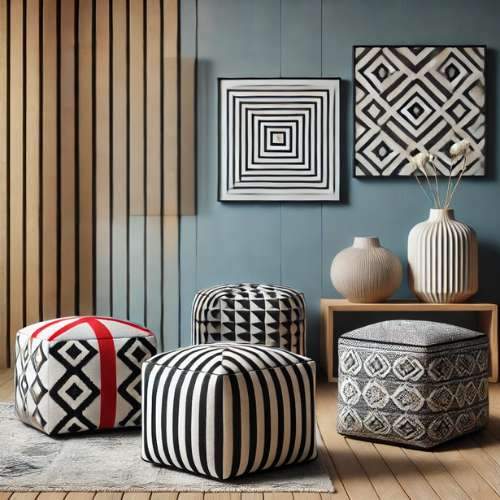
Credit: www.reasonstoskipthehousework.com
Filling The Pouf
Filling the pouf is a key step to give it shape and comfort. The right filling makes your pouf soft yet firm enough to sit on. It also affects the pouf’s weight and durability. Choose filling material carefully to suit your needs and style.
Choosing The Right Filling
Many materials work well for filling a no sew pillow pouf. Popular options include:
- Polyester fiberfill – light and fluffy, easy to shape
- Foam pieces – firm and supportive, holds shape longer
- Old clothes or fabric scraps – eco-friendly and budget-friendly
- Plastic pellets or beans – adds weight and stability
- Memory foam – molds to the body for comfort
Consider how soft or firm you want your pouf. Also think about the weight and feel. Mix fillings for a balanced result.
Stuffing Techniques
Fill the pouf evenly to avoid lumps. Start by adding small amounts and pressing down gently. This helps the filling settle properly.
Use your hands to push filling into corners and edges. Rotate the pouf as you fill to keep shape uniform.
For extra firmness, pack the filling tightly. For a softer pouf, keep the filling loose. Check the firmness by pressing the surface.
Seal the opening securely to keep filling inside. Smooth the surface by patting and adjusting the filling as needed.
Finishing Touches
Finishing touches give your no sew pillow pouf a polished look and ensure it stays sturdy over time. These final steps are where your creativity can truly shine. Adding both security and style will make your pouf a standout piece in any room.
Securing The Edges
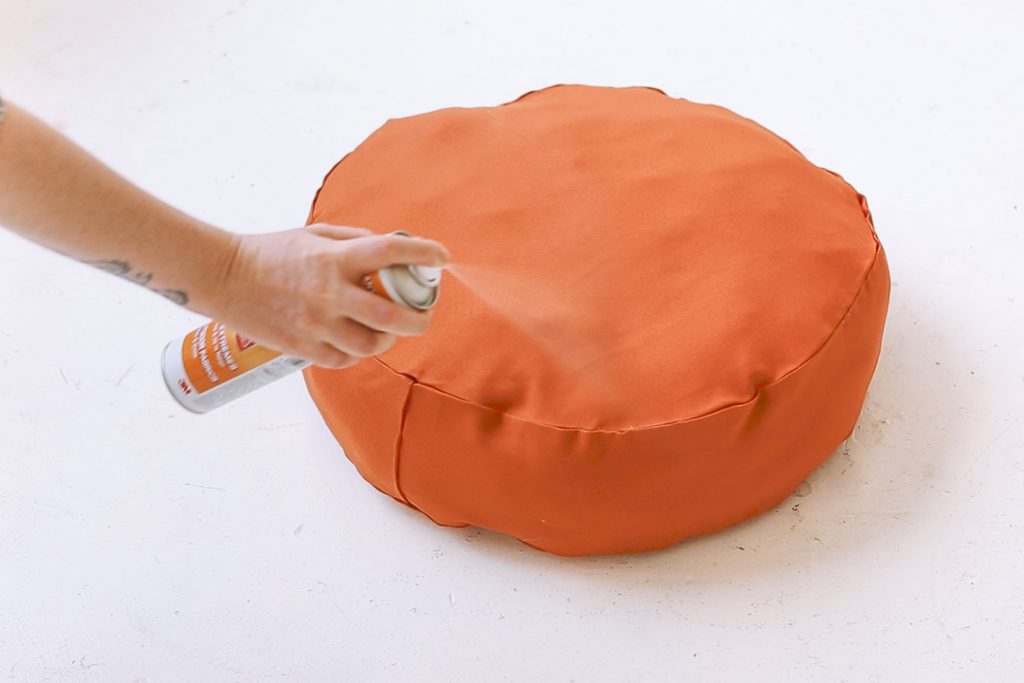
After assembling your pouf, check all the edges carefully. Use fabric glue or iron-on hem tape to seal any open seams. This prevents the filling from escaping and keeps everything intact.
Press the edges firmly for a few seconds to make sure they stick well. If you have fabric tape, apply it inside the seams for extra strength without visible glue marks. Do you feel the difference when edges are perfectly secured versus loosely finished?
Adding Decorative Elements
Decorative touches turn your pouf into a unique accent piece. Try adding buttons, tassels, or fabric paint to match your room’s style. You can even glue on patches or trim for a personalized look.
Think about what colors and textures excite you. Would a bright pom-pom border make your pouf pop, or do you prefer subtle embroidery? These details don’t just enhance appearance—they make your handmade pouf truly yours.
Care And Maintenance
Taking care of your no sew pillow pouf ensures it stays comfortable and attractive for a long time. Regular maintenance prevents small issues from becoming big problems. You’ll find that a little attention goes a long way in keeping your pouf looking fresh and inviting.
Cleaning Tips
Keep your pouf clean by spot cleaning with a mild detergent and warm water. Use a soft cloth or sponge to gently dab the stained area without rubbing too hard.
For deeper cleaning, remove the cover if possible and hand wash it carefully. Avoid machine washing to prevent fabric damage or distortion.
Air dry your pouf cover completely before putting it back on to avoid mold or mildew. Do you notice any lingering odors? Sprinkle baking soda on the surface, leave it for 15 minutes, then vacuum it off to freshen up your pouf.
Repairing Common Issues
If the fabric starts to fray, apply a small amount of fabric glue to the edges to stop further unraveling. This quick fix can extend the life of your pouf without any sewing.
For minor tears, patch the area using an iron-on adhesive patch or a fabric glue patch on the inside of the cover. This keeps the outside looking neat and prevents the tear from growing.
Has your pouf lost some of its shape? Add extra stuffing like old clothes or foam pieces to bring it back to life. A well-stuffed pouf feels cozier and supports better seating.
Creative Variations
Creative variations bring personality to your no sew pillow pouf. Experimenting with different designs lets you match any room’s style. Changing shapes or fabric styles creates unique looks. These simple tweaks make your project stand out and feel personal.
Different Shapes
Try making poufs in various shapes for a fresh look. Round poufs give a soft, cozy feel. Square poufs look modern and clean. You can also create hexagon or octagon shapes for something unusual. Each shape changes the room’s vibe and adds fun to your décor.
Shapes affect comfort and use. Round shapes work well as footrests. Square shapes can double as extra seating. Choose a shape that fits your space and needs.
Using Patterned Fabrics
Patterned fabrics add color and life to your pouf. Stripes, florals, and geometric prints brighten any corner. Bold patterns can be a focal point in a neutral room. Smaller prints blend well with busy décor.
Mixing patterns can create a playful effect. Use contrasting colors for a lively touch. Keep patterns balanced to avoid visual clutter. Patterned fabrics let you express your style without sewing skills.
Credit: fallfordiy.com
Frequently Asked Questions
What Materials Do I Need For A No Sew Pillow Pouf?
You need fabric, stuffing like polyester or old clothes, scissors, and a fabric glue or hot glue gun. These simple materials make the project easy and quick.
How Long Does It Take To Make A No Sew Pillow Pouf?
It usually takes about 30 to 45 minutes, depending on your skill level. The no-sew method speeds up the process significantly.
Can I Customize The Size Of My Pillow Pouf?
Yes, you can adjust the fabric size and stuffing amount to create any pouf size you want. Customization is simple and flexible.
Is The No Sew Pillow Pouf Durable For Regular Use?
Yes, using strong fabric and quality glue ensures durability. It holds up well for casual seating or footrest purposes.
Conclusion
Creating a no sew pillow pouf is simple and fun. You only need a few materials and some patience. This project saves time and money while adding style to your space. Plus, it’s perfect for beginners or anyone who dislikes sewing.
Try different fabrics and colors to match your room. Enjoy your cozy, handmade pouf that brings comfort and charm. Give it a go and see how easy crafting can be!



