
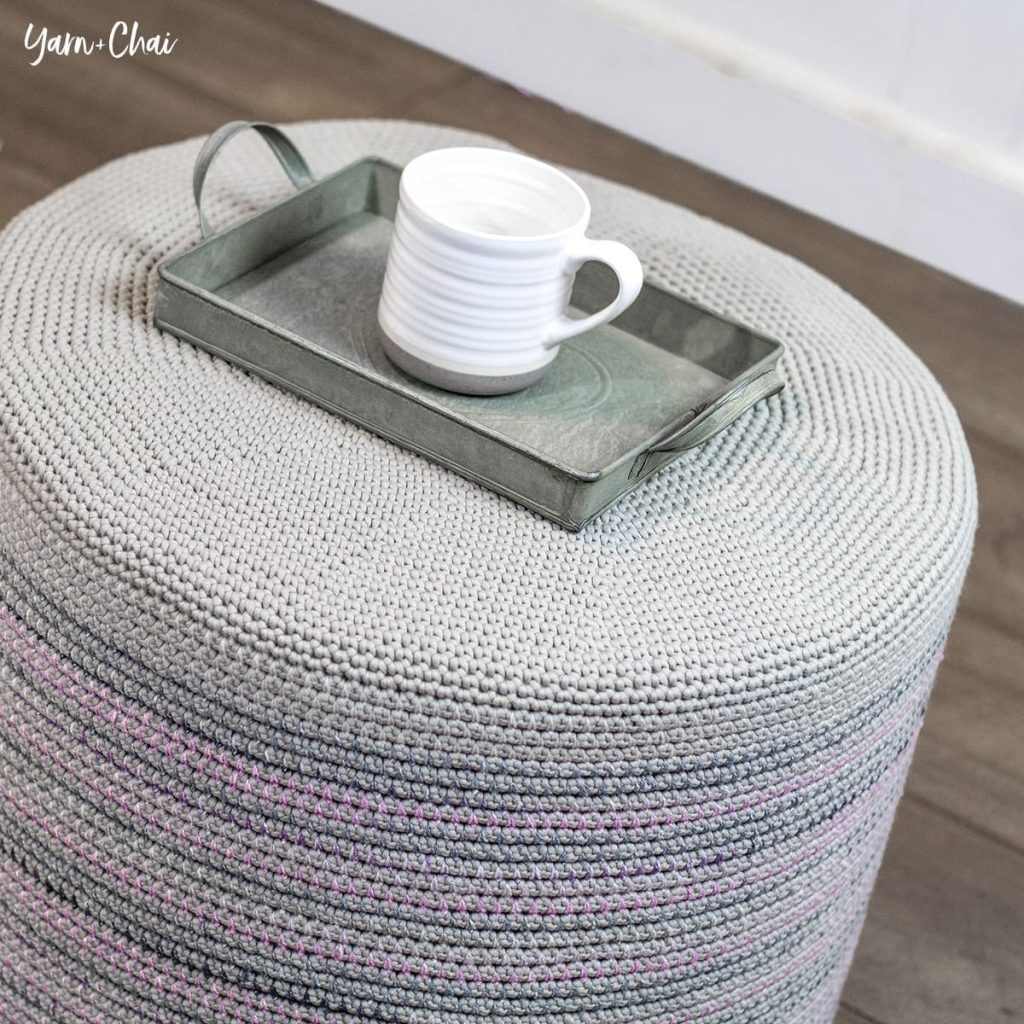
Looking for a stylish and comfy addition to your living space? You’re in the right place.
Making your own Ottoman pouf floor pillow is easier than you might think. Imagine having a cozy spot to relax, a unique piece that matches your style, and the satisfaction of creating it yourself. In this guide, you’ll discover simple steps to craft a beautiful pouf that fits perfectly in your home.
Ready to transform your room and impress your guests? Let’s get started!
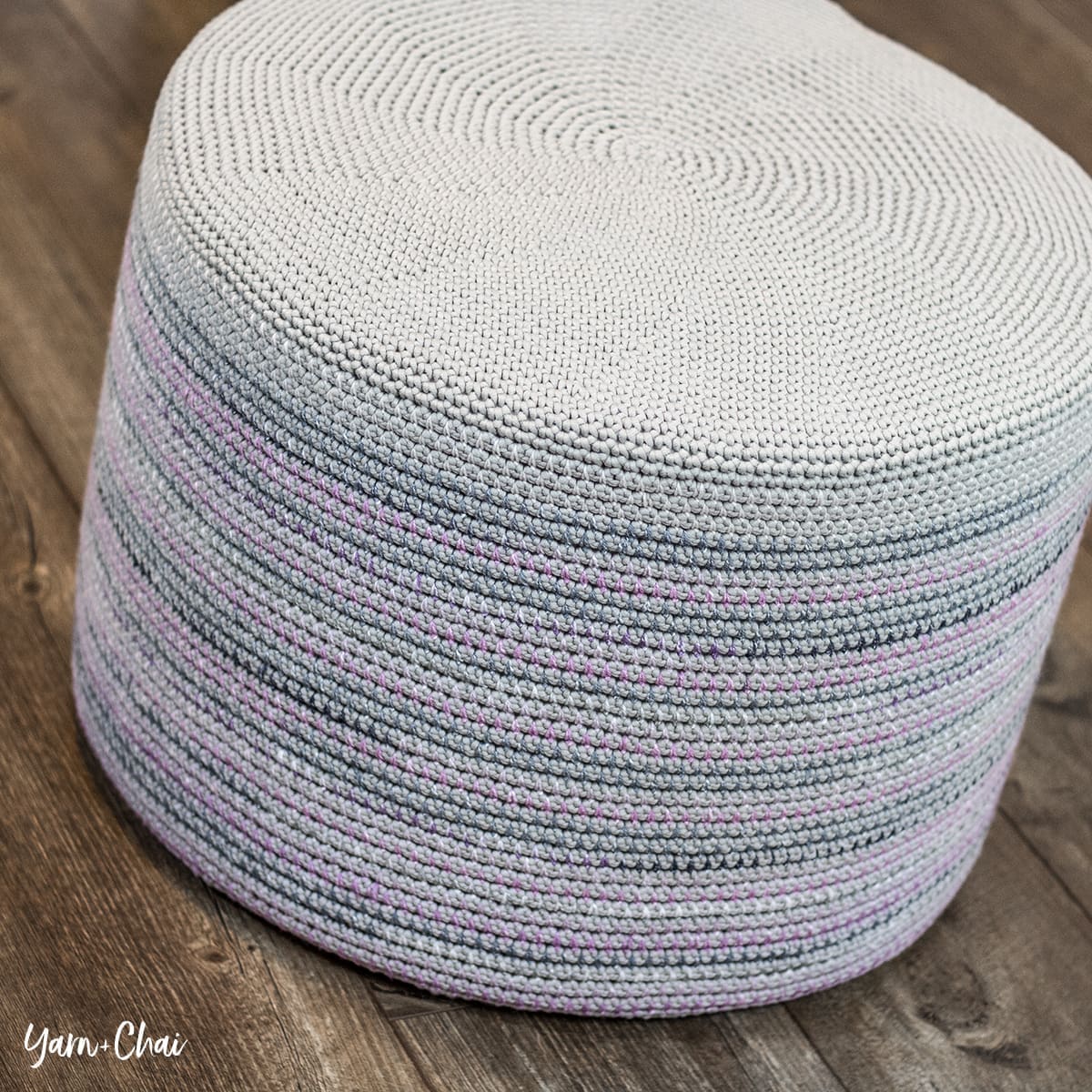
Credit: yarnandchai.com
Materials Needed
Gathering the right materials is key to creating a comfortable and stylish ottoman pouf floor pillow. The choices you make for fabric, filling, and tools directly impact the final look and feel. Let’s dive into the essentials you’ll need to bring your pouf to life.
Fabric Choices
Pick a fabric that matches your room’s style and is durable enough for floor use. Cotton and linen offer breathability and softness, while canvas and denim stand up better to heavy wear. Want something cozy? Velvet or faux leather can give your pouf a luxe touch.
Think about how easy the fabric is to clean. Removable covers with zippers are a smart idea if you expect spills or pets. You’ll need about 2 to 3 yards of fabric depending on the size of your pouf.
Filling Options
Choosing the right filling affects comfort and shape. Polyfill is lightweight and affordable, perfect if you want a soft, fluffy pouf. For firmer support, consider foam pieces or a dense upholstery foam block.
Another option is recycled fabric scraps or old clothes, which add eco-friendly value. Don’t forget to add a lining or inner bag to keep the filling contained and make refilling easier later.
Tools Required
Having the right tools makes the project smooth and enjoyable. You’ll need a sewing machine for stronger seams and quicker stitching, but hand sewing is fine for small details. Sharp fabric scissors, pins, and measuring tape are must-haves.
A zipper foot attachment helps if you add a zipper. Plus, fabric chalk or a washable marker keeps your cutting lines precise. Do you already have some of these tools lying around? Using what you have saves time and money.
Measuring And Cutting Fabric
Measuring and cutting fabric is an important step in making an ottoman pouf floor pillow. Accurate measurements ensure the fabric fits perfectly. Clean cuts help the pieces join smoothly and look neat. Taking time with these steps saves effort later. Prepare your tools and workspace before starting to cut.
Determining Size
Decide the size of your ottoman pouf first. Think about where you will use the pillow. Common sizes range from 18 to 24 inches in diameter or width. Measure twice to avoid mistakes. Add extra fabric for seams, usually 1/2 to 1 inch on all sides. Consider the height of the pouf as well. Write down all measurements clearly before cutting.
Cutting Techniques
Use sharp fabric scissors or a rotary cutter for clean edges. Cut on a flat, stable surface to keep fabric steady. Pin the fabric pieces together to prevent shifting. Follow your measurements carefully, cutting slowly and steadily. Trim any loose threads after cutting. Keep fabric scraps for future small projects or testing stitches.
Sewing The Pouf Cover
Cut fabric pieces carefully and sew them together to form the pouf cover’s shape. Use strong stitches to keep it durable and neat. Leave an opening to fill the pouf before closing it completely.
Creating an ottoman pouf floor pillow is a delightful project that combines creativity and function, offering a cozy addition to your living space. Once you’ve chosen your fabric and gathered your materials, it’s time to dive into the exciting part—sewing the pouf cover. This section will guide you through crafting a sturdy and stylish cover that will hold up to daily use and add a touch of flair to any room.Stitching The Sides
To begin, cut your fabric into rectangles according to the dimensions you desire for your pouf. Ensure each piece is of equal size for a balanced look. Align the edges of two rectangles with the right sides facing each other. Use pins to secure them in place. Sew along one edge, maintaining a consistent seam allowance, usually about 1/2 inch. Continue adding and sewing the remaining rectangles together until you form a long strip. This will create the sides of your pouf. Once all sides are attached, connect the first and last rectangles to form a cylinder. Remember to press the seams open with an iron for a neat finish. This step is crucial for a professional look and ease when attaching the top and bottom panels.Creating The Top And Bottom Panels
Cut two circles for the top and bottom of your pouf, making sure they are the same diameter as your cylinder. Use a plate or compass to trace perfect circles on your fabric. Pin the top circle to the top edge of the cylinder, aligning the edges carefully. Sew around the circle, easing the fabric as you go to prevent puckering. Repeat this process with the bottom circle, but leave a small opening to turn the pouf right-side out later. This opening will also be used for stuffing your pouf. Consider using a double stitch for extra durability, especially if your pouf will be used frequently. A strong seam ensures your pouf maintains its shape and lasts longer. Once the top and bottom are securely attached, turn your pouf right-side out through the opening. Can you already envision how this pouf will complement your space? With these sewing skills, you’re well on your way to crafting a beautiful and functional piece for your home.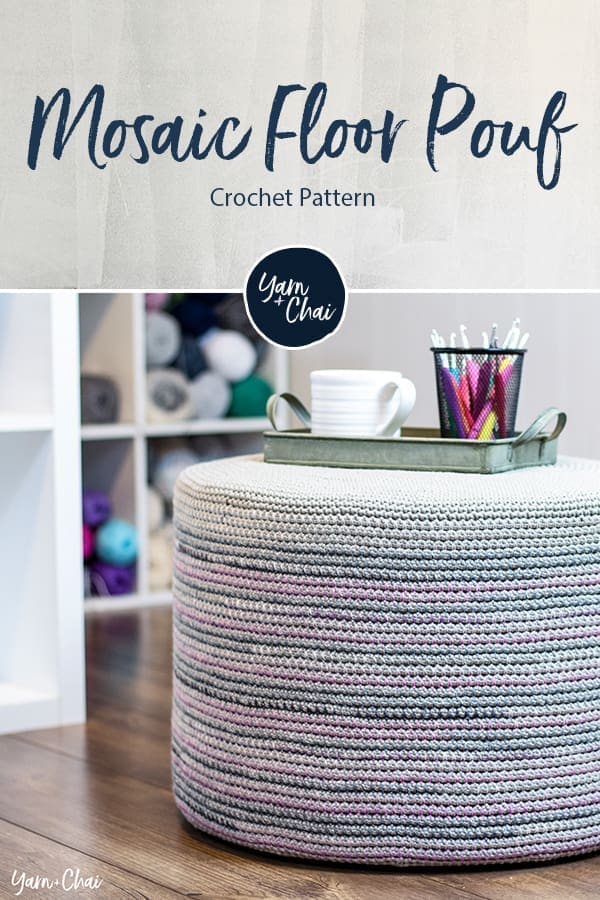
Credit: yarnandchai.com
Assembling The Pouf
Assembling your ottoman pouf floor pillow is where your project truly comes together. It’s the moment when all your carefully cut and prepared fabric pieces start to form the cozy, stylish pouf you’ve been envisioning. This stage requires a bit of patience and precision, but seeing the panels take shape is incredibly rewarding.
Attaching Panels
Begin by aligning the fabric panels with the right sides facing each other. Pin the edges securely to keep the pieces from shifting as you sew. Using a strong, durable stitch will ensure your pouf holds up well over time.
Take your time sewing each seam, checking that the edges match perfectly. If you notice any puckering or unevenness, pause to adjust the fabric before continuing. This attention to detail will make your pouf look professionally made and last longer.
Have you considered adding piping along the seams? It not only reinforces the edges but gives your pouf a polished look. You can easily add this detail before closing the last side.
Adding A Zipper Or Closure
Incorporating a zipper or closure is key if you want to remove the cover for washing. Choose a zipper length that fits one of the larger panels to make stuffing easier. An invisible zipper works best for a clean, seamless appearance.
Pin the zipper carefully in place, ensuring it aligns with the fabric edges. Sew slowly to avoid catching the zipper teeth in your stitches. If a zipper feels too complicated, consider using Velcro strips or buttons as alternatives.
Think about how often you’ll need to clean your pouf. A well-installed zipper can save you time and effort in the long run. Plus, it lets you change the cover’s fabric whenever you want a fresh new look.
Stuffing The Pouf
Stuffing the pouf is a key step in making a comfortable and durable floor pillow. The right stuffing gives the pouf its shape and softness. It also affects how long the pouf will last and how cozy it feels to sit on. Filling the pouf correctly requires choosing the best materials and applying some useful tips for even stuffing and comfort.
Choosing The Right Filling
Select a filling that balances softness and support. Common choices include:
- Polyester fiberfill – soft, lightweight, and easy to handle
- Foam beads – moldable, providing firm support
- Old clothes or fabric scraps – eco-friendly and cost-effective
- Memory foam pieces – excellent for comfort and shape retention
Consider the pouf’s size and use. For frequent sitting, firmer fillings like foam beads work better. For decorative use, softer fiberfill is enough.
Filling Tips For Comfort
Fill the pouf evenly to avoid lumps and uneven surfaces. Use small amounts of stuffing at a time. Press and shape the pouf as you go. Check the firmness by sitting on it or pressing down gently.
Leave some space to adjust the stuffing later. Overstuffing can make the pouf too hard. Understuffing causes it to collapse quickly. For extra durability, stitch the opening securely after stuffing.
Finishing Touches
The finishing touches bring your Ottoman pouf floor pillow to life. These final steps protect and beautify your creation. They ensure durability and style. Small details make a big difference in the overall look.
Sealing The Pouf
Sealing the pouf helps protect the fabric from dirt and spills. Use a fabric protector spray made for upholstery. Spray evenly over the entire surface. Let it dry completely before using the pouf.
Choose a sealant that keeps the fabric soft. Avoid harsh chemicals that could damage the fibers. Test the spray on a small hidden area first. This prevents unwanted discoloration or texture changes.
Decorative Options
Decorate the pouf to match your room’s style. Use colorful tassels, buttons, or embroidery. These add personality and charm.
- Sew on decorative buttons in a pattern.
- Add tassels to the edges for a boho look.
- Use fabric paint to create simple designs.
- Attach a removable cover for easy cleaning.
Keep decoration simple for a clean, modern feel. Or go bold with bright colors and textures. Your pouf can be a statement piece or blend in quietly.
Maintenance And Care
Keeping your ottoman pouf floor pillow in great shape takes a bit of effort but pays off with lasting comfort and style. Maintenance and care help protect the fabric and stuffing, making your pouf a cozy spot for years. Let’s dive into some simple ways you can clean and fix your pouf without hassle.
Cleaning Tips
Regular cleaning keeps your pouf fresh and inviting. Start by vacuuming the surface often to remove dust and crumbs. This prevents dirt from settling deep into the fabric.
If you spot a stain, act quickly. Blot the area gently with a clean cloth and mild soap mixed with water. Avoid rubbing hard; it can push the stain deeper or damage the fabric.
For poufs with removable covers, check the care label for washing instructions. Many covers can be machine washed on a gentle cycle, but some may need hand washing or dry cleaning. Always air dry to avoid shrinking or warping.
Repairing Common Issues
Over time, your pouf might show signs of wear like loose threads, small tears, or flattened stuffing. Don’t ignore these issues as they can worsen quickly.
For loose threads, carefully trim them with scissors to stop unraveling. If you find a small tear, sewing it up with a needle and matching thread can save the fabric. Use a strong backstitch for durability.
If your pouf feels less fluffy, add extra stuffing to restore its shape. Polyester fiberfill or old pillow stuffing works well and is easy to insert through a hidden zipper or small opening. This quick fix brings back comfort without needing a replacement.
Have you noticed any specific damage on your pouf that’s tricky to fix? Sometimes, small repairs extend the life of your favorite floor pillow more than you expect.
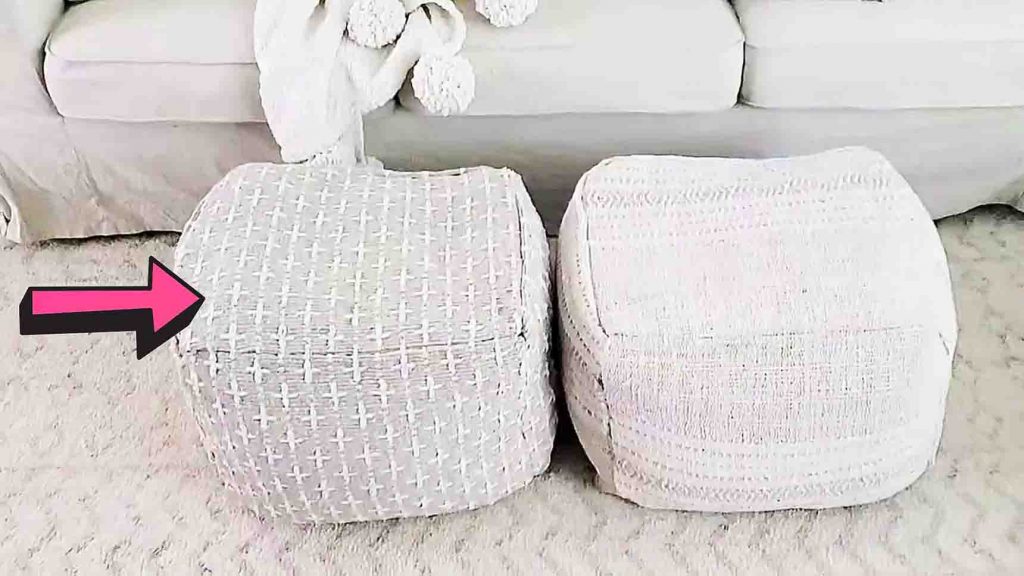
Credit: diyjoy.com
Frequently Asked Questions
What Materials Are Needed To Make An Ottoman Pouf Floor Pillow?
You need fabric, stuffing, a sewing machine, thread, and scissors. Optional supplies include zippers and fabric glue for finishing touches.
How Do I Choose The Right Fabric For My Pouf?
Select durable, thick fabric like canvas or upholstery material. It should be easy to clean and complement your decor.
What Is The Best Stuffing For An Ottoman Pouf?
Use polyester fiberfill, foam, or old cushions. These materials provide comfort and help maintain the pouf’s shape.
How Long Does It Take To Make A Pouf Floor Pillow?
It usually takes 2 to 4 hours depending on your sewing skills and design complexity.
Conclusion
Creating an ottoman pouf floor pillow brings warmth and style to any room. It offers comfort and a unique touch to your space. The steps are simple and fun to follow. You can choose colors and fabrics that match your home.
This project also saves money compared to buying ready-made poufs. Enjoy sitting, resting, or chatting on your handmade pillow. It adds personality and coziness to your living area. Give it a try and see how it changes your room’s feel.
A small project with a big impact.



