
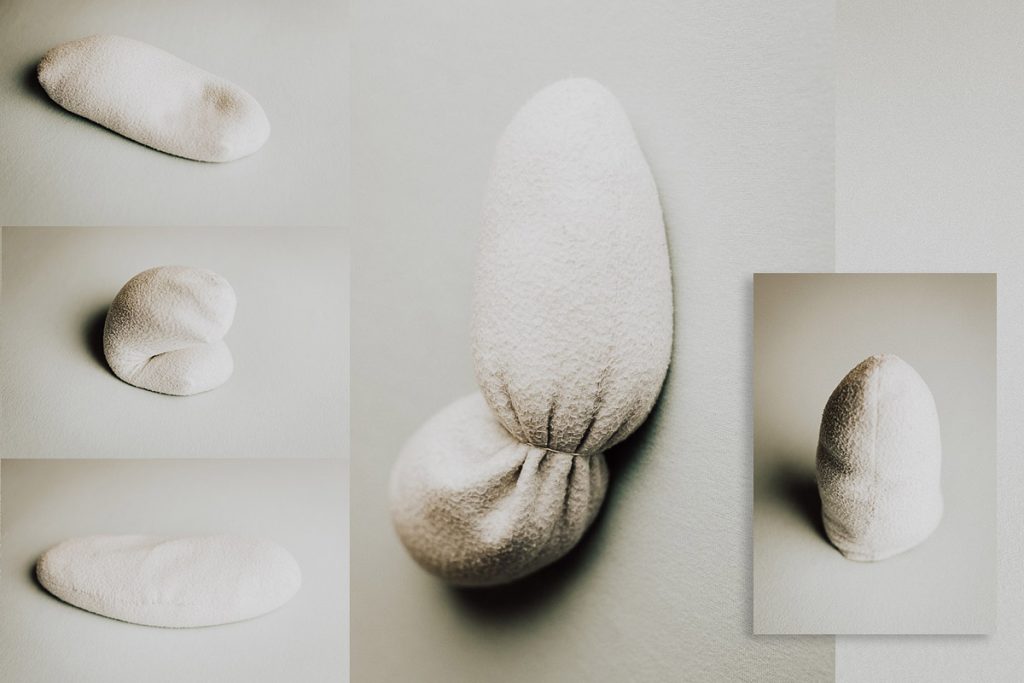
Are you looking for a simple way to improve your photography setup? A posing pouf might be exactly what you need.
It helps your subjects feel comfortable and look natural in photos. Plus, making one yourself can save money and let you customize it to fit your style. You’ll learn easy steps to create your own photography posing pouf. By the end, you’ll have a handy tool that takes your photos to the next level.
Ready to get started? Let’s dive in!
Materials Needed
Gathering the right materials is the first step to make a photography posing pouf. The choice of fabric affects comfort and style. Filling impacts shape and support. Additional supplies help with assembly and durability. Each material plays a key role in the pouf’s final look and function.
Fabric Choices
- Cotton: Soft, breathable, and easy to sew.
- Linen: Durable with a natural texture.
- Canvas: Sturdy, ideal for heavy use.
- Velvet: Adds a luxurious feel and rich color.
- Faux leather: Easy to clean and stylish.
Filling Options
- Polystyrene beads: Lightweight and moldable for easy shaping.
- Foam chunks: Provide firm support and retain shape well.
- Polyester fiberfill: Soft, fluffy, and inexpensive.
- Old clothes or fabric scraps: Eco-friendly and budget-friendly.
Additional Supplies
- Sewing machine or needle and thread for stitching.
- Measuring tape to cut fabric accurately.
- Scissors suitable for fabric cutting.
- Fabric chalk or markers for marking cut lines.
- Zipper or buttons for closing the pouf.
- Pins to hold fabric pieces together.

Credit: us.amazon.com
Preparing The Fabric
Preparing the fabric is a key part of making a photography posing pouf. It sets the foundation for the whole project. Choosing the right fabric and preparing it carefully helps ensure a neat and sturdy pouf. Cutting and sewing the fabric with care shapes the pouf perfectly.
Measuring And Cutting
Start by measuring the size of your pouf frame or stuffing. Add extra inches for seams and folding. Use a ruler or measuring tape for accuracy. Mark the fabric with tailor’s chalk or a washable marker. Cut slowly along the marks with sharp fabric scissors. Keep the edges straight to avoid uneven seams.
Sewing Basics
Use a sewing machine or hand stitch to join fabric pieces. Choose a strong thread that matches the fabric color. Pin the fabric pieces together before sewing to hold them in place. Sew with straight, even stitches to make the pouf durable. Leave a small opening to fill the pouf later. After sewing, trim excess threads for a clean finish.
Assembling The Pouf
Begin by gathering all pouf parts and tools needed for assembly. Connect the base and sides securely, ensuring stability. Finally, attach the cover neatly to complete the photography posing pouf.
Assembling the Pouf involves bringing all the prepared pieces together. This step is crucial for creating a sturdy and comfortable photography posing pouf. Follow these simple steps to ensure a seamless assembly.Stitching The Pieces
Start by laying out all fabric pieces on a flat surface. Align them according to your design plan. Use straight pins to hold the pieces together temporarily. This helps maintain alignment during stitching. Thread your sewing machine with matching thread color. Sew along the edges of the fabric pieces. Maintain a consistent seam allowance for a neat finish. Backstitch at the beginning and end to secure the seams. Inspect the seams for any gaps or loose threads. Trim any excess fabric if necessary.Adding Zippers Or Closures
Decide where the zipper or closure will go. Typically, it’s at the bottom or side for easy access. Mark the zipper placement with a fabric pen. Cut a slit if necessary for inserting the zipper. Align the zipper with the slit or marked area. Pin it in place to prevent shifting. Use a zipper foot on your sewing machine for precise stitching. Sew the zipper in place, ensuring it operates smoothly. Test the zipper several times to confirm functionality. For closures, sew buttons or hook-and-loop fasteners according to your design. Ensure they are secure and easy to use. Finally, check all closures for strength and ease of use. Your pouf is now ready for stuffing and final touches.
Credit: www.behance.net
Filling The Pouf
Filling the pouf is a key step in making a photography posing pouf. The right filling gives shape and comfort. It helps the pouf hold poses well and last longer.
Choosing the correct filling material affects the pouf’s weight and softness. The way you fill the pouf also changes its look and feel. Both choices impact your final product’s quality.
Choosing The Right Filling
Select filling that is light yet firm. Polyester fiberfill is soft and easy to shape. It also keeps the pouf fluffy and comfortable.
Foam pieces provide firmer support. They hold shape better for more structured poses. Use small foam chunks for flexibility.
Old clothes or fabric scraps can be reused. This option is eco-friendly and budget-friendly. Make sure the material is clean and dry.
- Polyester fiberfill for softness
- Foam chunks for firmness
- Fabric scraps for recycling
Filling Techniques
Fill the pouf gradually for even shape. Start by loosely adding filling. Press gently to check the firmness.
Use your hands to distribute filling evenly. Avoid lumps that cause discomfort. Add or remove filling to adjust size.
Close the pouf securely after filling. Use a strong zipper or tight stitching. This keeps the filling inside and pouf intact.
- Fill slowly and check firmness
- Distribute filling evenly by hand
- Secure closing to hold filling
Finishing Touches
Finishing touches make your photography posing pouf both practical and visually appealing. These final steps ensure your pouf stays sturdy during shoots and reflects your unique style. Paying attention to details now saves you from frustrations later.
Securing The Pouf
Make sure all seams are tightly stitched to avoid any stuffing coming out. Use strong thread and double-stitch areas that will face the most pressure. Adding a zipper or Velcro closure lets you adjust or replace the filling easily.
Consider reinforcing the base with a non-slip fabric or rubber pads. This prevents the pouf from sliding on smooth surfaces, keeping your model safe and steady. Have you tested your pouf on different floor types to see how it holds up?
Customizing The Design
Choose fabrics that match your photography style—bold patterns for creative shoots or neutral tones for classic portraits. Adding decorative buttons or embroidery can give your pouf a personal touch without sacrificing durability.
You might want to add handles made from sturdy straps for easy transport. Think about the size and shape that best suits your typical poses and subjects. What design elements will make your pouf uniquely yours and functional at the same time?
Using The Pouf In Photography
Using a photography posing pouf can add a fresh dynamic to your shoots. It offers a versatile prop that helps your subjects feel more relaxed and natural. Whether you’re working with individuals, couples, or groups, the pouf creates opportunities to experiment with posture and composition.
Posing Ideas
The pouf is great for casual, candid poses. Have your subject sit sideways with one leg draped over the edge for a relaxed vibe. You can also ask them to lean forward slightly, resting elbows on their knees to create an intimate moment.
Try standing poses where the subject leans on the pouf with one hand, shifting weight for a confident stance. For couples, sitting close together on the pouf encourages natural interaction and closeness.
- Use the pouf as a footrest for seated poses to vary height and angles.
- Encourage playful movements like bouncing or shifting to capture spontaneity.
- Experiment with different body orientations around the pouf to find flattering angles.
Have you noticed how a simple prop can unlock new expressions and moods in your photos? The pouf invites subjects to explore comfort and creativity simultaneously.
Lighting Tips
Lighting around a pouf setup can make or break the mood. Soft, diffused light works well to highlight textures and keep the scene inviting. Position your light source to create gentle shadows that emphasize the pouf’s shape and the subject’s form.
Natural window light can be ideal, especially when the pouf is placed near a large window. If shooting outdoors, use reflectors to bounce light back onto your subject, avoiding harsh shadows.
| Lighting Type | Effect | Best Use |
|---|---|---|
| Softbox | Even, soft light | Indoor shoots with controlled lighting |
| Natural Light | Warm, natural tones | Daytime window or outdoor sessions |
| Reflector | Fill shadows | Outdoor shoots with direct sunlight |
Think about how light interacts with your pouf and subject. Could adjusting your light source angle create more depth or highlight details you hadn’t noticed before?

Credit: us.amazon.com
Frequently Asked Questions
What Materials Do I Need To Make A Photography Posing Pouf?
You need fabric, stuffing like polyester fiberfill, a sewing machine, scissors, and thread. Optional items include a zipper or buttons for closure and measuring tape for accuracy.
How Long Does It Take To Make A Posing Pouf?
Making a photography posing pouf typically takes 2 to 4 hours. This depends on your sewing skills and the complexity of the design.
Can I Customize The Size Of My Posing Pouf?
Yes, you can customize the size to fit your photography needs. Measure your subjects or props to determine the ideal pouf dimensions.
Is Making A Posing Pouf Cost-effective Compared To Buying?
Making your own pouf is usually cheaper. You control material quality and design, saving money while creating a unique item.
Conclusion
Making a photography posing pouf is simple and fun. You only need a few materials and some time. This pouf helps create better photos with easy poses. It fits well in any studio or home setting. Try different fabrics and shapes to find your style.
Enjoy crafting your own pouf and improve your photo sessions. It adds comfort and style to every shoot. Keep practicing and see your photos look more professional. Simple projects like this bring big changes to your work.



