
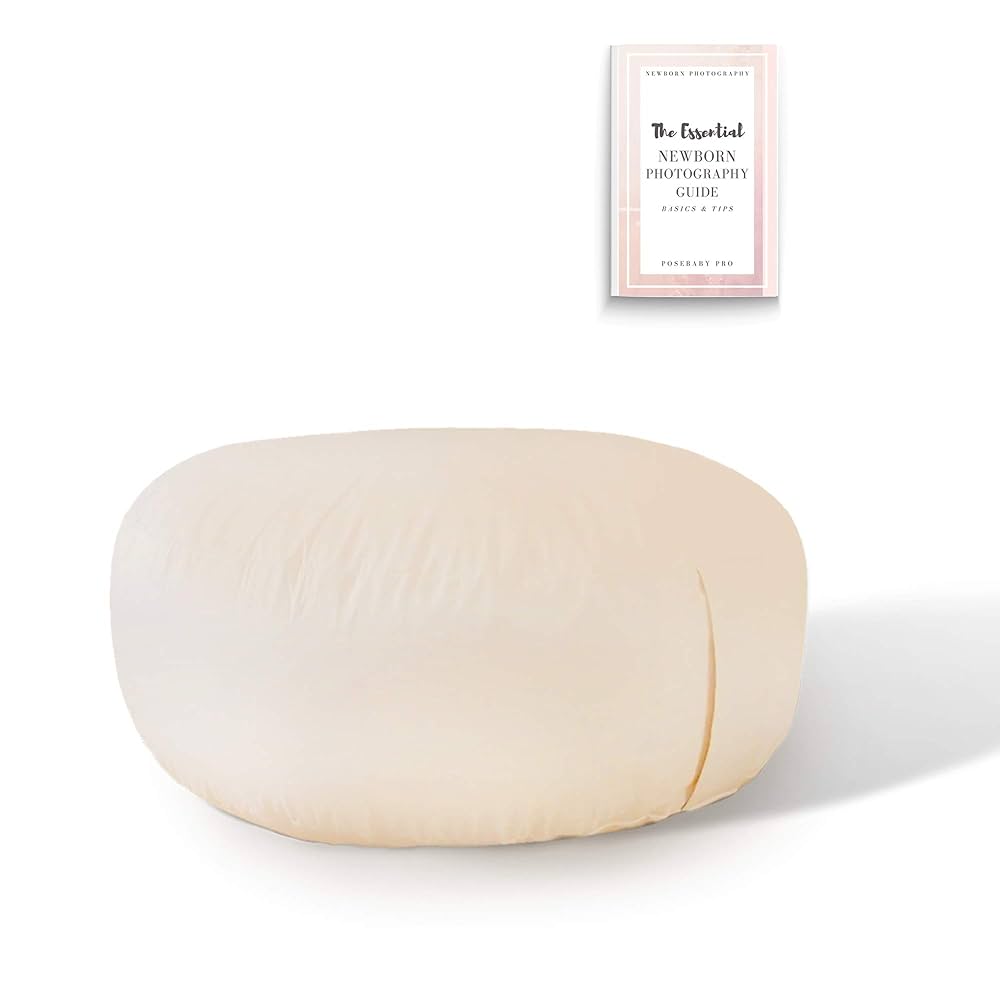
Are you looking for a fun and creative way to add style and comfort to your living space? Making your own posing pouf frame is easier than you think, and it gives you a unique piece that matches your personality perfectly.
Imagine having a cozy spot that not only looks great but also feels just right. In this guide, you’ll discover simple steps to build a sturdy and stylish posing pouf frame that you can customize any way you want. Ready to transform your home with a DIY project that’s both practical and impressive?
Let’s get started!
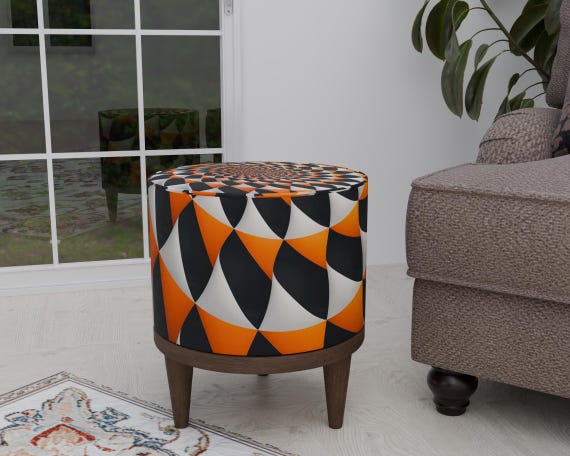
Credit: www.etsy.com
Materials Needed
Gathering the right materials sets the foundation for a successful posing pouf frame project. Selecting quality components not only ensures durability but also adds a professional touch to your finished piece. Before you start, make sure you have everything on hand to avoid interruptions and maintain your creative flow.
Choosing The Right Fabric
Fabric choice affects both comfort and appearance. Look for soft, stretchy materials like cotton jersey or spandex blends to provide gentle support without causing discomfort. Consider color and pattern that complement your photography style; neutral shades often work best for versatility.
Think about cleaning too—can the fabric be easily washed or wiped down? Your posing pouf should stay fresh after repeated use.
Selecting The Frame Base
The frame base provides structure and stability to your pouf. Popular options include wooden hoops, embroidery frames, or even sturdy embroidery rings. Wood offers a natural look and is easy to work with, while metal frames add extra durability.
Choose a size that fits your typical posing needs—too small and it limits poses; too large and it becomes cumbersome.
Essential Tools
- Staple gun or upholstery tacks:for securing fabric tightly around the frame.
- Scissors:sharp enough to cut through fabric smoothly.
- Measuring tape:to ensure precise fabric dimensions.
- Needle and strong thread:in case you need to reinforce fabric edges.
- Foam or stuffing:to fill the pouf and provide the right level of firmness.
Having these tools ready helps you work efficiently and avoid frustration. Which of these do you already have at home?
Preparing The Frame
Preparing the frame is a crucial part of making a posing pouf. A sturdy, well-measured frame ensures your pouf holds its shape and supports weight evenly. Taking your time here saves you from wobbly results and frustration later.
Measuring And Cutting The Base
Start by deciding the size of your pouf base. Use a tape measure to mark precise dimensions on your plywood or sturdy board. Accuracy here is key—double-check your measurements before cutting to avoid wasted material.
Use a fine-toothed saw or jigsaw to cut along your marked lines. Smooth the edges with sandpaper to prevent splinters. Remember, a clean cut makes assembly easier and the final piece look professional.
Assembling The Frame Structure
Once your base is ready, gather wood strips for the sides and support braces. Arrange them around the base to form a box frame that matches your desired pouf height. Use wood glue and screws to secure each joint firmly.
Ensure corners are square using a carpenter’s square or by measuring diagonals—they should be equal. This step might seem tedious, but it guarantees your pouf won’t lean or collapse. Have you ever built something only to find it wobbly? Checking angles prevents that.
Adding cross braces inside the frame distributes weight and adds stability. Attach these braces evenly with screws, and don’t skip the glue for extra hold. Your frame is the backbone of the pouf, so make it strong and precise.
Creating The Pouf Cover
Creating the pouf cover is a key step in making a posing pouf frame. The cover gives the pouf its style and comfort. Choosing the right fabric and sewing it well ensures the pouf looks great and lasts long.
Attention to detail during this stage makes a big difference. Accurate cutting and strong sewing keep the cover fitting perfectly and holding its shape.
Cutting Fabric Pieces
Start by selecting a durable fabric with a soft texture. Measure the pouf frame carefully to get the right size. Mark the fabric with a fabric chalk or pencil for clear edges.
Cut the fabric pieces on a flat surface using sharp scissors. Make sure to cut extra fabric for seams, about half an inch on each side. This extra space helps in sewing the pieces together neatly.
- Cut one circle for the top and bottom.
- Cut one long rectangle for the side panel.
- Double-check measurements before cutting.
Sewing Techniques For Durability
Use a strong thread that matches the fabric color. Choose a sewing machine setting for a straight stitch, which is strong and neat. Sew slowly to keep the stitches even.
Start by sewing the side panel’s short edges together to form a loop. Next, attach the top circle to the loop carefully. Use pins to hold fabric in place while sewing.
Finish by sewing the bottom circle to the loop. Reinforce stress points with backstitching for added strength. This prevents the cover from tearing during use.
- Use a ¼ inch seam allowance for neat edges.
- Press seams flat with an iron for a clean look.
- Check the cover fits snugly over the frame.
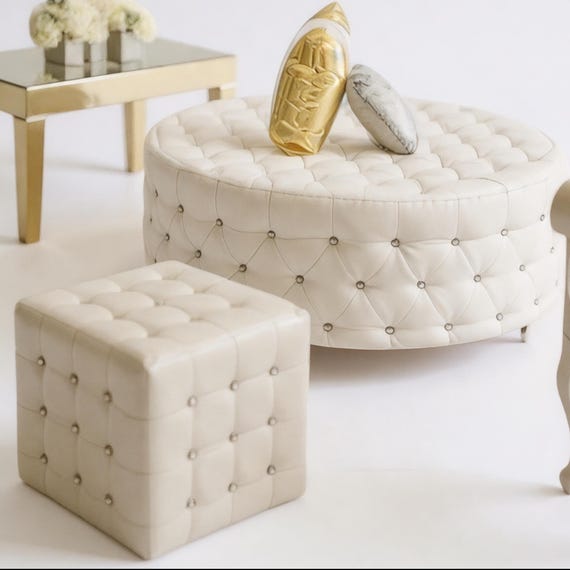
Credit: www.etsy.com
Adding Padding And Support
Soft foam or batting creates a comfy surface on the posing pouf frame. Secure layers tightly for firm support and lasting shape.
Adding padding and support to a posing pouf frame is crucial. It ensures comfort and stability. The right materials create a soft yet firm surface. This enhances the pouf’s functionality and appearance.Selecting The Right Filling
Choose filling that provides both comfort and durability. Foam is a popular choice. It offers a soft feel and resists compression. Polyester fiberfill is another option. It gives a plush texture without losing shape. Consider eco-friendly materials. They are sustainable and safe for the environment.Securing The Padding Inside
Ensure padding stays in place. Use strong fabric covers. Stitch them tightly around the frame. This prevents slipping or bunching. Velcro strips or zippers are useful. They allow easy removal and replacement. Check for gaps regularly. Adjust or add padding as needed. This keeps the pouf firm and comfortable.Final Assembly
The final assembly of your posing pouf frame is where all your hard work comes together. It’s essential to handle this stage carefully to ensure your pouf is sturdy, comfortable, and visually appealing. This part requires attention to detail and patience, but the result will be worth every minute.
Attaching The Cover To The Frame
Start by aligning the cover with the frame evenly. Smooth out any wrinkles or folds so the fabric sits flat and looks neat.
Use a staple gun or strong upholstery tacks to secure the cover around the edges of the frame. Pull the fabric tight as you go to avoid sagging later.
Check the corners carefully—they often need extra attention to look crisp and clean. Folding the fabric neatly before stapling helps achieve a professional finish.
Finishing Touches For A Polished Look
Once the cover is attached, examine the pouf for any loose threads or uneven spots. Trim any excess fabric to keep the edges tidy.
Adding decorative elements like piping or buttons can enhance the pouf’s appearance and make it unique. These details can also help conceal any small imperfections.
Have you considered how the pouf will be used? If it’s for frequent sitting, reinforce the corners with extra staples or stitches to boost durability.
Tips For Stunning Results
Creating a posing pouf frame that looks stunning requires attention to detail and thoughtful choices. Small tweaks in color, texture, and care can make your pouf stand out. The right combination enhances its visual appeal and durability. Here are key tips to achieve beautiful results.
Color And Texture Combinations
Pick colors that complement the room’s style and mood. Soft, neutral tones create a calm feel. Bright, bold colors add energy and focus. Mix smooth fabrics with textured ones for contrast. For example:
- Linen with velvet
- Cotton with wool
- Leather with faux fur
This mix adds depth and interest. Try patterns sparingly to avoid clutter. Stick to one or two textures for balance. These choices make your pouf inviting and photogenic.
Maintenance And Care
Keep your pouf clean to maintain its charm. Use a soft brush or vacuum to remove dust. Spot clean stains immediately using gentle soap and water. Avoid harsh chemicals that damage fabric. Rotate the pouf regularly to prevent uneven wear. Store it away from direct sunlight to avoid fading. Proper care extends the life and beauty of your posing pouf frame.

Credit: www.amazon.com
Frequently Asked Questions
What Materials Are Needed To Make A Posing Pouf Frame?
You need sturdy wood or PVC pipes, screws, fabric, foam padding, and a staple gun. These materials ensure durability and comfort for your posing pouf frame.
How Do You Assemble A Posing Pouf Frame Step-by-step?
Start by cutting wood or pipes to size, then join pieces to form a frame. Add foam padding, cover with fabric, and secure with staples for a neat finish.
What Size Is Ideal For A Posing Pouf Frame?
A typical size is around 18 inches square and 12 inches high. This size offers comfort and stability for posing purposes.
Can I Customize The Fabric For My Pouf Frame?
Yes, choose any fabric that suits your style and décor. Durable, easy-to-clean fabrics work best for long-lasting use.
Conclusion
Making a posing pouf frame is simple and fun. You only need a few materials and some patience. Follow the steps carefully to build a strong frame. This project saves money and gives you a custom pouf. Enjoy your new pouf for sitting or posing in photos.
Try different fabrics to match your style. Keep practicing to improve your skills. Creating your own pouf frame brings pride and joy. Give it a go and see the results yourself!



