
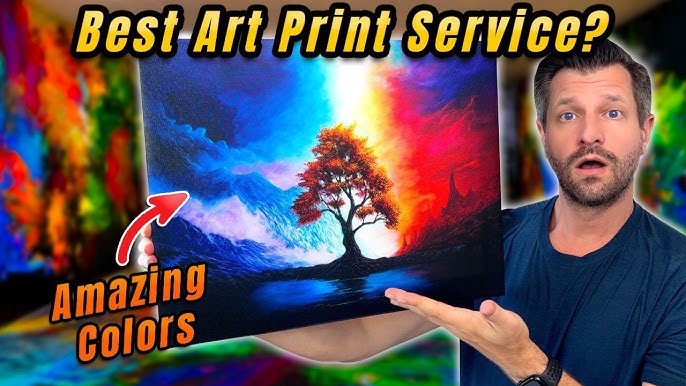
Have you ever wished you could turn your favorite painting into a beautiful canvas print? Imagine seeing that artwork come to life on your wall, adding personality and charm to your space.
Making a print of a painting on canvas is easier than you think, and with the right steps, you can create a stunning piece that feels both personal and professional. In this guide, you’ll discover how to transform your painting into a high-quality canvas print that lasts.
Ready to bring your art to life? Let’s dive in!
Choosing The Right Painting
Choosing a painting with clear details and vibrant colors helps create a better canvas print. Consider the image’s size and style to match your space perfectly. High-quality files ensure sharp and bright results on canvas.
Choosing the right painting is crucial for a successful canvas print. The chosen image sets the tone and aesthetic of your print. It should resonate with you and fit your space’s theme. The process involves more than selecting a pleasing image. Quality and resolution are key factors. Let’s explore these aspects.Selecting A High-quality Image
A high-quality image ensures your print looks professional. Choose a painting with clear details and vibrant colors. This enhances the visual appeal on canvas. Avoid images that appear blurry or dull. Such images may not transfer well to canvas. Always prioritize clarity and color richness.Considering Image Resolution
Image resolution affects the print’s sharpness. Higher resolution images result in clearer prints. Ensure your image has at least 300 DPI (dots per inch). This resolution is ideal for canvas prints. Lower DPI might lead to pixelation or loss of detail. Check the image size in pixels. Larger images generally have better resolution.Preparing The Image File
Preparing the image file is the first step to making a print of a painting on canvas. The quality of the final print depends heavily on how well the image is prepared. This process involves adjusting colors and resizing the image to fit the canvas size. Taking time to prepare the file ensures the print looks true to the original painting.
Editing For Color Accuracy
Colors on screen differ from printed colors. Adjust the image colors to match the original painting closely. Use photo editing software to tweak brightness, contrast, and saturation. Calibrate your monitor for better color accuracy. Save the file in a format that keeps the color profile intact.
Adjusting Image Size And Format
Set the image size to match the canvas dimensions. Use a resolution of 300 DPI for clear, sharp prints. Avoid enlarging small images; it causes pixelation. Choose file formats like TIFF or PNG for high quality. JPEG can be used but may lose some detail. Save a backup before making changes.
Selecting Canvas Material
Selecting the right canvas material plays a crucial role in how your painting print will look and last. The canvas you choose affects color vibrancy, texture feel, and durability. Knowing the types of canvas and their textures helps you make a choice that fits your artwork and display needs perfectly.
Types Of Canvas
There are several canvas types, each with unique qualities that impact your print’s final appearance.
- Cotton Canvas:Affordable and widely available, cotton canvas offers a smooth surface with moderate texture. It absorbs ink well, making colors appear rich and natural.
- Linen Canvas:Known for its strength and fine texture, linen is more expensive but provides excellent detail and longevity. It’s a favorite for professional artists and high-end prints.
- Polyester Canvas:Durable and resistant to moisture, polyester canvas holds color vibrancy longer. It’s ideal for prints that need to withstand humid environments.
Think about where your canvas print will hang. Will it face sunlight or moisture? This consideration helps narrow down your canvas type choice.
Choosing The Right Texture
Texture changes how your painting feels and how light interacts with the print. You want a texture that complements your artwork style and enhances detail.
- Fine Texture:Perfect for detailed paintings or photos, fine texture lets every brushstroke or pixel show clearly. It gives a smooth, polished look.
- Medium Texture:This offers a balance between smoothness and noticeable texture. It works well for most painting styles, adding a subtle depth without overpowering the image.
- Rough Texture:Ideal if you want to mimic the feel of original oil paintings with visible brush marks. It adds character but can soften fine details.
Have you ever touched a print and felt it didn’t match your expectations? That’s often because the texture wasn’t right. Testing samples before you commit can save frustration and ensure your print feels just right.

Credit: rinskedouna.com
Printing Methods
Printing a painting on canvas involves various techniques. Each printing method offers unique benefits for capturing art details. Choosing the right method depends on your budget, artwork type, and desired quality. Understanding these printing methods helps in producing beautiful canvas prints.
Inkjet Printing
Inkjet printing uses tiny nozzles to spray ink directly onto the canvas. This method allows for detailed and vibrant prints. It works well for small to medium-sized artworks. Inkjet printers handle many colors, producing smooth gradients and sharp images. The process is affordable and widely accessible.
Giclée Printing
Giclée printing is a high-quality form of inkjet printing. It uses archival inks that last for decades without fading. This method captures fine details and rich colors accurately. Artists and galleries prefer giclée for reproducing original paintings. The canvas prints have a professional look and excellent durability.
Screen Printing
Screen printing transfers ink through a mesh screen onto the canvas. It works best for bold designs with limited colors. This method is cost-effective for large print runs. Screen printing produces vibrant colors and a textured finish. It is less suitable for detailed or photo-realistic images.
Setting Up The Printer
Setting up your printer correctly is crucial to get a stunning print of your painting on canvas. The quality of the final product depends heavily on how well your printer is prepared before you hit the print button. Taking the time to calibrate your colors and load the canvas properly saves you from wasting materials and getting disappointing results.
Calibrating Colors
Colors on your screen often look different from what prints on canvas. Calibrating your printer helps match the print colors as closely as possible to your original painting.
Start by using a color calibration tool or software compatible with your printer. This tool measures how your printer reproduces colors and adjusts settings accordingly. Without this step, you might notice your print looks too dark, too bright, or has a color cast.
Think about how you felt when your first test print didn’t look right—it’s frustrating but necessary. Adjusting the color profile ensures your painting’s true vibrance and subtle tones come through on the canvas.
Loading Canvas Properly
Canvas is thicker and more textured than regular photo paper, so handling it correctly is key to avoiding jams and misprints.
Check your printer manual for the best way to load canvas. Most printers require you to feed the canvas from the rear tray to prevent bending or wrinkling.
- Make sure the canvas is cut to the right size and is flat.
- Use a roller or flat surface to remove any curls before loading.
- Align the canvas carefully to avoid skewed prints.
If you skip these steps, the printer might pull the canvas unevenly, causing print errors. Have you ever had your canvas jam mid-print? Proper loading can save you from that headache.
Printing The Canvas
Printing the canvas is where your digital image transforms into a tangible piece of art. This step demands your full attention to detail, as the quality of the print depends heavily on the precision and care taken during the process. From loading the canvas into the printer correctly to choosing the right settings, every action influences the final result.
Monitoring The Print Process
Keep a close eye on the printer as it works. Watch for any signs of ink smudging or uneven color distribution, which can ruin your print.
It helps to stay nearby so you can pause or stop the printer immediately if something goes wrong. Sometimes, the printer may pause to let the ink dry or to recalibrate. Don’t rush; patience here ensures a clean, sharp print.
Think about the last time you printed something important. Did you check the progress regularly? This habit can save you time and materials by catching errors early.
Handling Print Errors
Print errors can happen even if you prepare everything perfectly. Common issues include streaks, color mismatches, or canvas jams.
If you notice a problem, stop the printer right away to prevent wasting ink or damaging the canvas. Most printers have a reset or cleaning function—use these tools to clear clogs or fix alignment.
Don’t hesitate to reprint a small test section before continuing. This step can help confirm that the error is resolved without using up your entire canvas.
What would you do if your print started showing unexpected colors? Having troubleshooting steps ready can turn a potential disaster into a quick fix.
Finishing Touches
Finishing touches are what transform your print on canvas from a simple reproduction into a lasting piece of art. These final steps protect your work and enhance its appearance, ensuring it stays vibrant and beautiful over time. Paying attention to these details can make a huge difference in how your painting print looks and feels.
Applying Protective Coatings
Adding a protective coating shields your canvas print from dust, moisture, and fading. You can use varnishes designed specifically for canvas prints, available in gloss, satin, or matte finishes. Choosing the right finish depends on the mood you want your print to convey—gloss enhances colors, while matte softens the look.
Use a clean, soft brush or spray for even application. Make sure to apply thin, even layers to avoid drips or uneven texture. Have you considered how a glossy finish might change the way light interacts with your print? Sometimes, a satin finish strikes the perfect balance between shine and subtlety.
Drying And Curing
After applying the coating, your canvas needs time to dry and cure fully. This process can take anywhere from a few hours to several days, depending on the type of coating and environmental conditions. Avoid touching or moving the canvas during this time to prevent smudges or damage.
Place your canvas in a dust-free area with good air circulation for the best results. Have you ever experienced prints that felt sticky or tacky because they were handled too soon? Patience here preserves the integrity of your final piece and guarantees longevity.
Credit: nancyreyner.com
Stretching And Framing
Stretching and framing your print on canvas is where your artwork truly takes shape. This step affects not only how your painting looks but also how long it lasts. Proper stretching keeps the canvas tight and flat, while the right frame adds style and protection.
Stretching Canvas Techniques
Start by choosing a sturdy wooden stretcher frame that matches your canvas size. Lay your canvas face down and position the frame on top. Use a staple gun to attach the canvas to the back of the frame, starting from the center of one side and moving outward.
Pull the canvas tightly before stapling each side to avoid wrinkles or sagging. Make sure to stretch evenly—never pull too hard on one corner while leaving the opposite side loose. You can fold the corners neatly to keep the edges clean and professional.
If you’re new to this, practice on a smaller canvas first. I once struggled with uneven tension that caused warping, but adjusting my grip and stapling technique fixed it. Have you noticed how a well-stretched canvas almost feels like a drum skin? That’s the goal for a smooth surface.
Choosing Frames
Frames do more than hold your canvas; they enhance the entire presentation. Decide whether you want a classic wooden frame, a modern metal one, or a floating frame that leaves a gap between the canvas and frame.
Consider the color and style of your painting. A dark frame can add drama to bright artwork, while a light frame offers a subtle border that won’t compete with your image. Measure your canvas carefully and pick a frame that fits snugly to avoid shifting.
Think about where your artwork will hang. A frame with glass might protect your print from dust but can cause glare under certain lighting. Would you prefer a matte finish or glossy? Your choice can change how viewers experience your art.
Caring For Your Canvas Print
Caring for your canvas print keeps it looking fresh and vibrant for years. Proper care protects the colors and the texture of the canvas. Small habits can extend the life of your artwork. Follow simple steps to maintain your print’s beauty and value.
Cleaning Tips
- Use a soft, dry cloth to gently dust the surface.
- Avoid wet cloths or cleaning sprays that may harm the canvas.
- For stubborn dirt, lightly dampen a cloth with water only.
- Do not rub hard; gentle strokes prevent damage.
- Keep the canvas away from oily or dirty hands.
Avoiding Damage
- Keep the print out of direct sunlight to prevent fading.
- Hang it on a stable wall away from moisture and heat.
- Do not place it near heaters or air conditioners.
- Avoid sharp objects or rough handling near the canvas.
- Use proper hooks or frames to support the canvas weight.

Credit: keepinglifecreative.com
Frequently Asked Questions
What Materials Are Needed To Print A Painting On Canvas?
You need a high-resolution image, canvas fabric, quality printer, and special canvas ink. Also, prepare a frame or stretcher bars for mounting.
How Do I Prepare A Painting Image For Canvas Printing?
Scan or photograph the painting in high resolution. Edit the image to enhance colors and remove imperfections before printing.
Can I Print Any Painting On Canvas At Home?
Yes, if you have a suitable printer and canvas material. However, professional printing offers better color accuracy and durability.
What Is The Best Printer Type For Canvas Prints?
Inkjet printers with pigment-based inks work best. They provide vibrant colors, long-lasting prints, and are widely used for canvas art.
Conclusion
Creating a print of a painting on canvas can be simple and fun. Choose the right materials and tools to keep colors bright. Take time to prepare the painting file for the best quality. Use a good printer or professional service for clear results.
Stretch the canvas carefully to avoid wrinkles and damage. Enjoy your beautiful print as wall art or a special gift. This process brings your favorite artwork to life in a new way. Try it yourself and see how satisfying it feels.



