
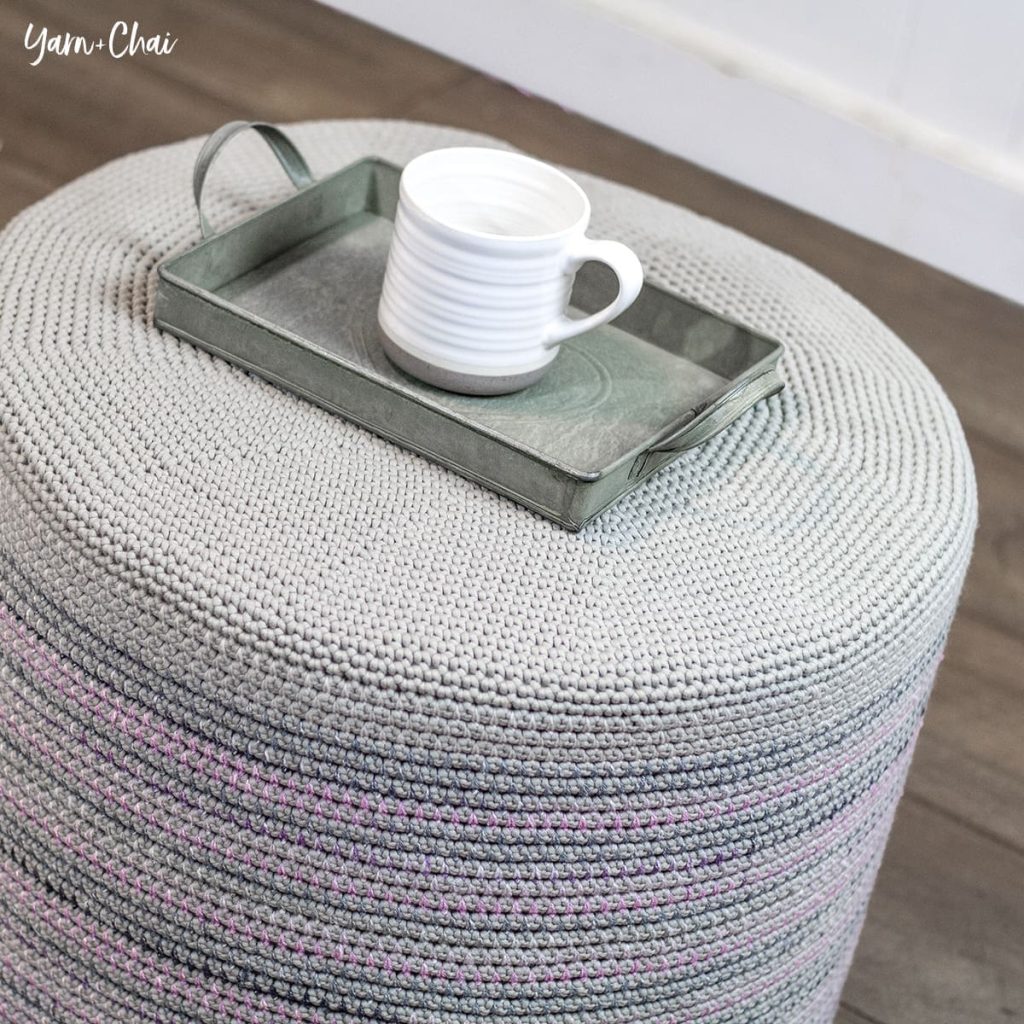
Are you looking to add a cozy, stylish touch to your living space without spending a fortune? Making your own round pouf cover is easier than you think—and it lets you personalize your decor exactly the way you want.
Imagine transforming a plain pouf into a unique piece that matches your style perfectly. In this guide, you’ll discover simple steps that anyone can follow, even if you’ve never sewn before. Ready to create something beautiful with your own hands?
Keep reading, and you’ll be surprised at how quickly you can bring your vision to life.
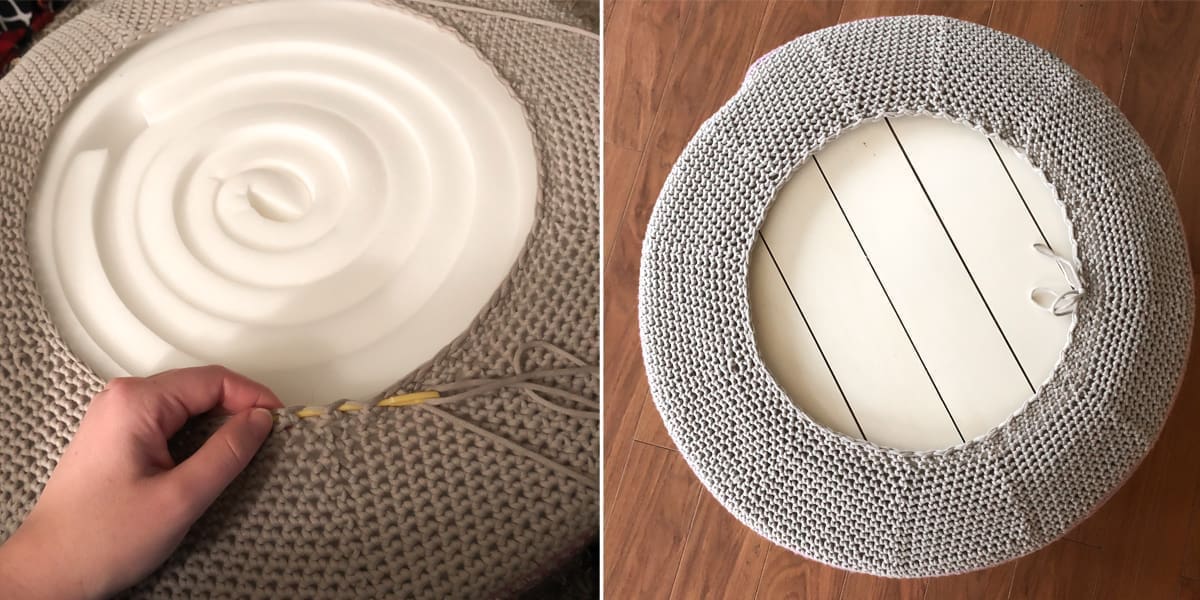
Credit: yarnandchai.com
Materials Needed
Gathering the right materials is the first step to making a round pouf cover that looks great and lasts long. The choice of fabric and tools will affect not only the final appearance but also how easy and fun the project is. Let’s look at what you’ll need to get started.
Fabric Choices
Picking the right fabric can make a huge difference in your pouf’s style and durability. Consider fabrics like:
- Canvas:Strong and easy to clean, perfect for high-traffic areas.
- Denim:Offers a casual, rugged look and holds up well over time.
- Cotton:Lightweight and breathable, great for a softer feel.
- Velvet:Adds a touch of luxury and texture but requires more care.
Think about where you will use your pouf and how often it might get dirty or worn. Would you prefer a fabric that’s easy to wash or one that makes a bold statement? This choice will guide the rest of your project.
Tools And Supplies
Having the right tools makes your sewing smoother and your pouf cover more professional. Here are the essentials:
- Sewing machine:Speeds up the process and creates strong seams.
- Scissors or rotary cutter:For clean, precise fabric cuts.
- Measuring tape or ruler:To ensure your pieces fit perfectly.
- Pins or clips:Hold fabric pieces together while sewing.
- Thread:Choose a color that matches or contrasts your fabric.
- Zipper or buttons (optional):For an easy way to remove the cover.
Have you ever tried sewing without the right needle or thread? It can be frustrating and affect your results. Investing a little time in gathering these supplies will pay off with a pouf cover you’ll be proud of.

Credit: lo-rain.com
Measuring Your Pouf
Measuring your pouf accurately is the foundation for a perfect round pouf cover. If your measurements are off, the cover might fit too tight or hang loose, making your pouf look less inviting. Taking time to measure ensures your sewing project fits just right and looks professionally done.
Determining Diameter
The diameter is the distance across the widest part of your pouf, passing through the center. To measure it, lay a tape measure or ruler straight across the top of your pouf from one edge to the other.
Make sure you measure at the widest point, not diagonally or around the sides. If your pouf is slightly oval, take both the longest and shortest measurements and use the larger one for your cover. This prevents the cover from being too small.
Calculating Height
Height is how tall your pouf stands from the floor to the top surface. Use a tape measure to check this dimension by placing it vertically along the side of the pouf.
Remember to include any extra padding or legs that might affect the total height. If you want a snug fit, add about half an inch to your height measurement for seam allowances and fabric flexibility.
Cutting The Fabric
Cut fabric carefully using sharp scissors to get clean, smooth edges. Measure twice before cutting to ensure the pieces fit your round pouf perfectly. Cut slowly and steadily for the best results.
Cutting the fabric is a crucial step in making a round pouf cover. It requires precision and attention to detail. Before you begin, ensure you have the right measurements. This will help create a snug fit for your pouf. Below are the steps for cutting the top circle and side strip.Cutting The Top Circle
First, measure the diameter of your pouf. Add an extra inch for seam allowance. Use a fabric marker to outline the circle on the fabric. Ensure the circle is even by using a compass or a large circular object. Carefully cut along the marked line. Make sure your scissors are sharp for a clean cut.Cutting The Side Strip
Measure the height of the pouf. Add an extra inch for seam allowance. Determine the circumference by multiplying the diameter by 3.14. Cut a fabric strip using these measurements. The strip should be long enough to wrap around the pouf. Keep the edges straight for easy sewing. Use a ruler for accuracy. Trim any excess fabric. This will help in aligning the pieces during sewing.Sewing The Pieces
Sewing the pieces of your round pouf cover is where your project starts to take shape. This stage requires patience and precision, but the results are rewarding. Properly joining the fabric parts ensures your pouf looks polished and lasts longer.
Attaching Side To Top
Begin by aligning the side strip of fabric with the circular top piece. Pin the edges carefully to keep them in place as you sew. I found that using plenty of pins prevents shifting and keeps the fabric smooth.
Sew slowly with a consistent seam allowance, ideally around ½ inch, to maintain even stitching. Don’t forget to backstitch at the start and end to secure the seam. If your fabric stretches a bit, try using a stretch needle for better control.
Creating The Seam
Once the top and side are connected, it’s time to join the side edges together to form the round shape. Pin the side strip’s ends with right sides facing each other, matching the edges neatly. Take a moment to check the fit by holding the piece up before sewing.
Sew along the pinned edge with a straight stitch, keeping the fabric taut but not stretched. Press the seam open with an iron for a crisp finish. This simple step makes a big difference in how your pouf cover will look and feel.
Adding A Closure
Adding a closure to your round pouf cover is essential for easy removal and cleaning. The right closure keeps the stuffing secure while allowing you to change or wash the cover without hassle. Choosing the best closure depends on your sewing skills, the look you want, and how often you plan to remove the cover.
Zipper Installation
A zipper provides a neat and secure closure that’s almost invisible when closed. You can sew an invisible zipper along the side seam of your pouf cover, which keeps the cover looking smooth and professional.
Start by attaching the zipper foot to your sewing machine to make stitching close to the zipper teeth easier. Pin the zipper in place with the right sides facing each other and sew carefully along the edge. If you’ve never sewn a zipper before, practice on scrap fabric first to build confidence.
Think about zipper length: a zipper that’s about two-thirds the height of the pouf works well. Too short, and it’s hard to get the stuffing in and out; too long, and it’s tricky to keep the cover tight.
Using Buttons Or Ties
Buttons or fabric ties offer a charming, handmade feel and are great if you want an easy-to-change closure without a zipper. You can add buttonholes or loops along one edge of the cover and attach matching buttons on the opposite side.
Alternatively, fabric ties can be sewn into the seam and tied in bows or knots to close the cover. This method is very beginner-friendly and adds a decorative touch to your pouf.
Buttons and ties may not keep the stuffing as tight as a zipper, so consider how firm you want your pouf. Would you prefer a snug finish or a looser, more casual look? That choice will guide your closure style.
Finishing Touches
Finishing touches can turn your round pouf cover from simple to stunning. These final steps ensure your work looks polished and lasts longer. Paying attention to details like seams and decorations can make all the difference.
Pressing Seams
Pressing the seams flat after sewing is crucial for a neat finish. Use a hot iron and press gently to avoid stretching the fabric. This simple action helps the pouf cover keep its shape and makes it easier to assemble.
If you’ve ever skipped pressing seams, you might have noticed uneven edges or lumps. Taking the time to press can save you frustration later and gives your cover a professional look.
Decorative Elements
Adding decorative touches lets you personalize your pouf cover. Think about sewing on buttons, attaching tassels, or even using fabric paint for a unique design. These small details can reflect your style and brighten up any room.
Ask yourself: what kind of vibe do you want your pouf to give off? Simple piping can offer elegance, while bold patches bring fun and character. Choose elements that excite you and match your décor.
Styling Tips
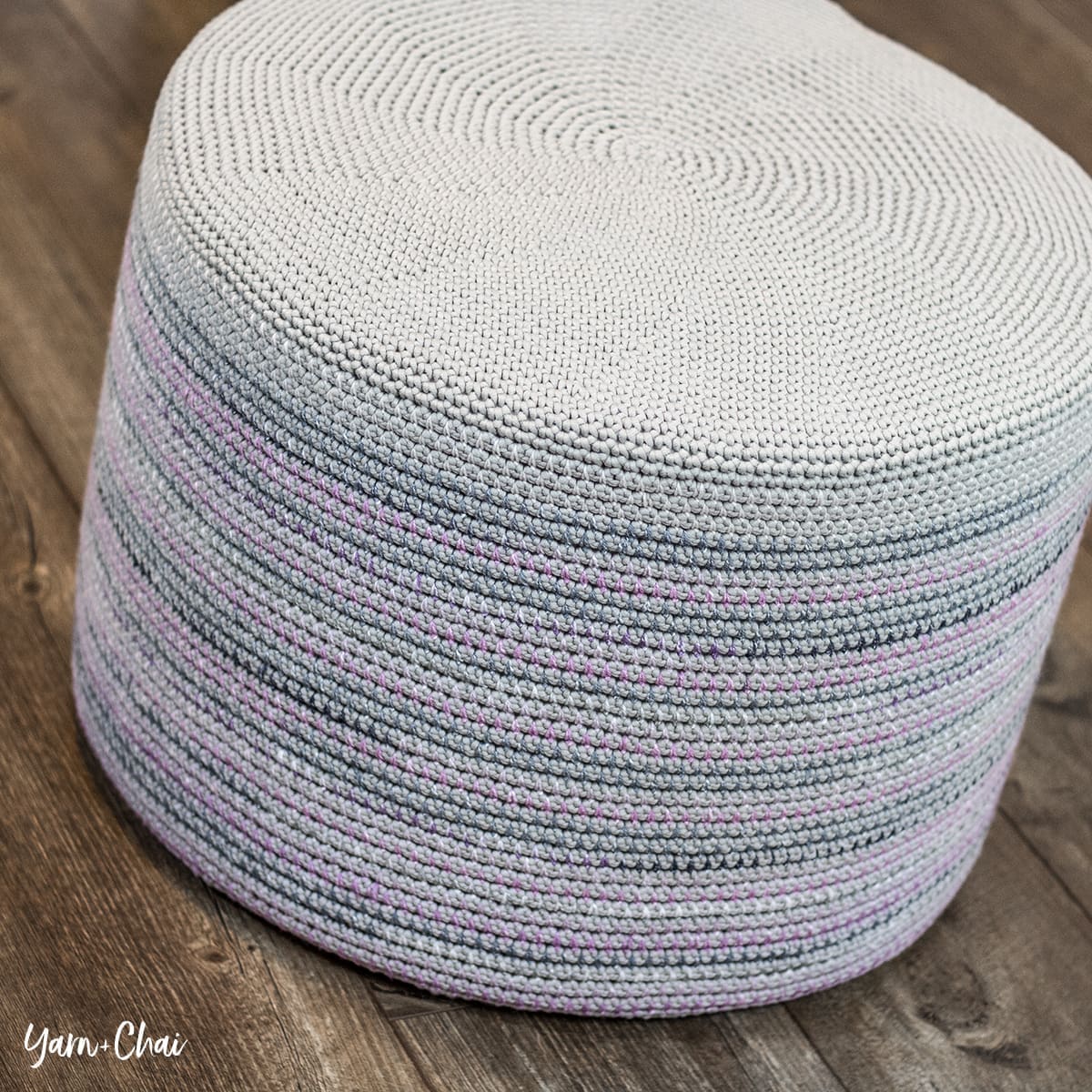
Styling your round pouf cover can transform any room. The right styling adds charm and comfort. Simple choices can make the pouf a focal point or a subtle accent. Consider color and placement to match your room’s vibe.
Color Coordination
Choose colors that blend well with your room’s palette. Neutral tones create a calm atmosphere. Bright colors add energy and draw attention. Patterns can bring texture and interest without overwhelming the space.
- Match pouf colors with cushions or curtains for harmony.
- Use contrasting colors to make the pouf stand out.
- Soft pastels suit relaxed, cozy rooms.
- Bold hues work well in modern, lively spaces.
Placement Ideas
Place the pouf where it serves both style and function. Near a sofa, it can act as extra seating or a footrest. In a reading nook, it offers comfort and adds a cozy touch. Use it as a small table with a tray on top.
- By the fireplace to create a warm, inviting corner.
- Next to a low coffee table for added seating.
- In an entryway to sit while putting on shoes.
- Grouped with floor cushions for casual gatherings.
Credit: yarnandchai.com
Frequently Asked Questions
How Do I Choose Fabric For A Round Pouf Cover?
Select durable, washable fabric like cotton or linen. Choose patterns or colors that match your decor. Ensure the fabric is thick enough to hold shape but soft for comfort.
What Tools Are Needed To Make A Round Pouf Cover?
Basic tools include fabric scissors, sewing machine, measuring tape, pins, and thread. Optional items are a zipper or buttons for closure and chalk for marking fabric.
How Do I Measure For A Round Pouf Cover?
Measure the diameter and height of the pouf accurately. Add extra fabric for seams and ease. Use these measurements to cut fabric pieces precisely.
Can I Make A Removable Cover For A Pouf?
Yes, add a zipper or buttons for easy removal. This allows washing and changing the cover without hassle. Ensure the closure is secure and blends with the design.
Conclusion
Making a round pouf cover is simple and fun. You just need basic materials and a little time. Follow the steps carefully to get a neat result. This project adds style and comfort to any room. You can choose colors and patterns you like best.
Try making one for yourself or as a gift. Enjoy the satisfaction of creating something useful by hand. Keep practicing to improve your sewing skills. This small project can bring a big smile. Give it a try and see how easy it can be.



