
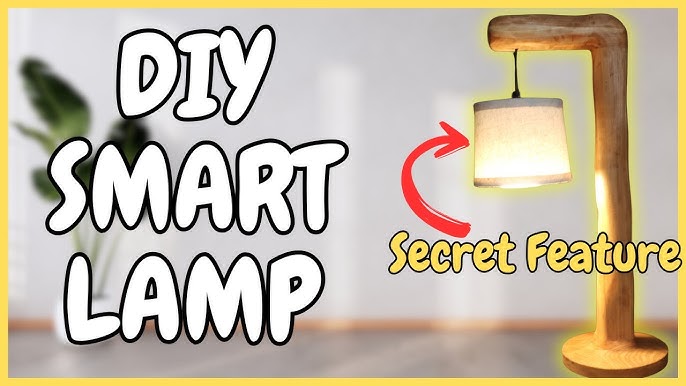
Looking for a way to brighten up your workspace without spending a lot? You’re in the right place.
Making a simple desk lamp yourself is easier than you think. Imagine having a lamp that fits perfectly on your desk, lights up your work, and adds a personal touch to your room. In this guide, you’ll discover step-by-step how to create your own stylish and functional desk lamp.
Keep reading, and by the end, you’ll have a unique lamp that’s truly yours. Ready to get started?
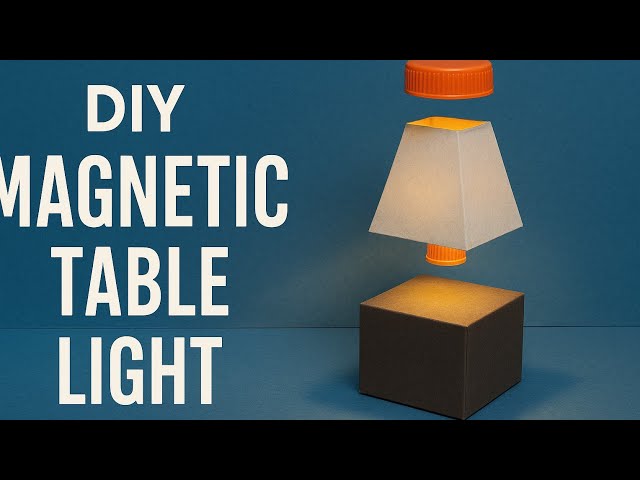
Credit: www.youtube.com
Materials Needed
Gathering the right materials is the first step to creating your simple desk lamp. Having everything ready keeps you focused and speeds up the building process. Let’s break down what you’ll need into clear categories so you can shop or gather items efficiently.
Basic Tools
Tools make your work easier and more precise. You’ll want to have these handy:
- Screwdriver:A Phillips head screwdriver is usually enough for small lamp assembly.
- Wire Strippers:To safely strip the insulation off wires without damaging them.
- Pliers:Useful for twisting wires and holding small parts steady.
- Hot Glue Gun or Electrical Tape:For securing wires and components safely.
- Drill (Optional):If your lamp base or shade requires holes for assembly.
Do you have these tools already? If not, consider borrowing or buying basic sets that will last for many projects.
Lamp Components
Your lamp’s core parts will determine its look and function. Here’s what you need:
- Light Bulb:Choose an LED bulb for energy efficiency and low heat.
- Lamp Socket:This holds the bulb and connects it to the power source.
- Power Cord with Plug:Make sure it’s rated for indoor use and matches your socket.
- Lamp Base:This can be a wooden block, metal stand, or something sturdy enough to hold the lamp upright.
- Lamp Shade:Optional but helps diffuse light and add style.
- Switch:A simple inline switch makes turning the lamp on and off easy.
Think about where you want your lamp to stand. What style fits your space? Your choices here will shape the whole project.
Safety Equipment
Working with electricity requires caution. Protect yourself with these items:
- Insulated Gloves:Prevent accidental shocks while handling wires.
- Safety Glasses:Protect your eyes from flying debris or accidental sparks.
- Fire Extinguisher:Keep a small extinguisher nearby, especially if you’re new to electrical work.
Have you checked your workspace for safety before starting? A clutter-free, well-lit area helps prevent accidents and keeps you focused.
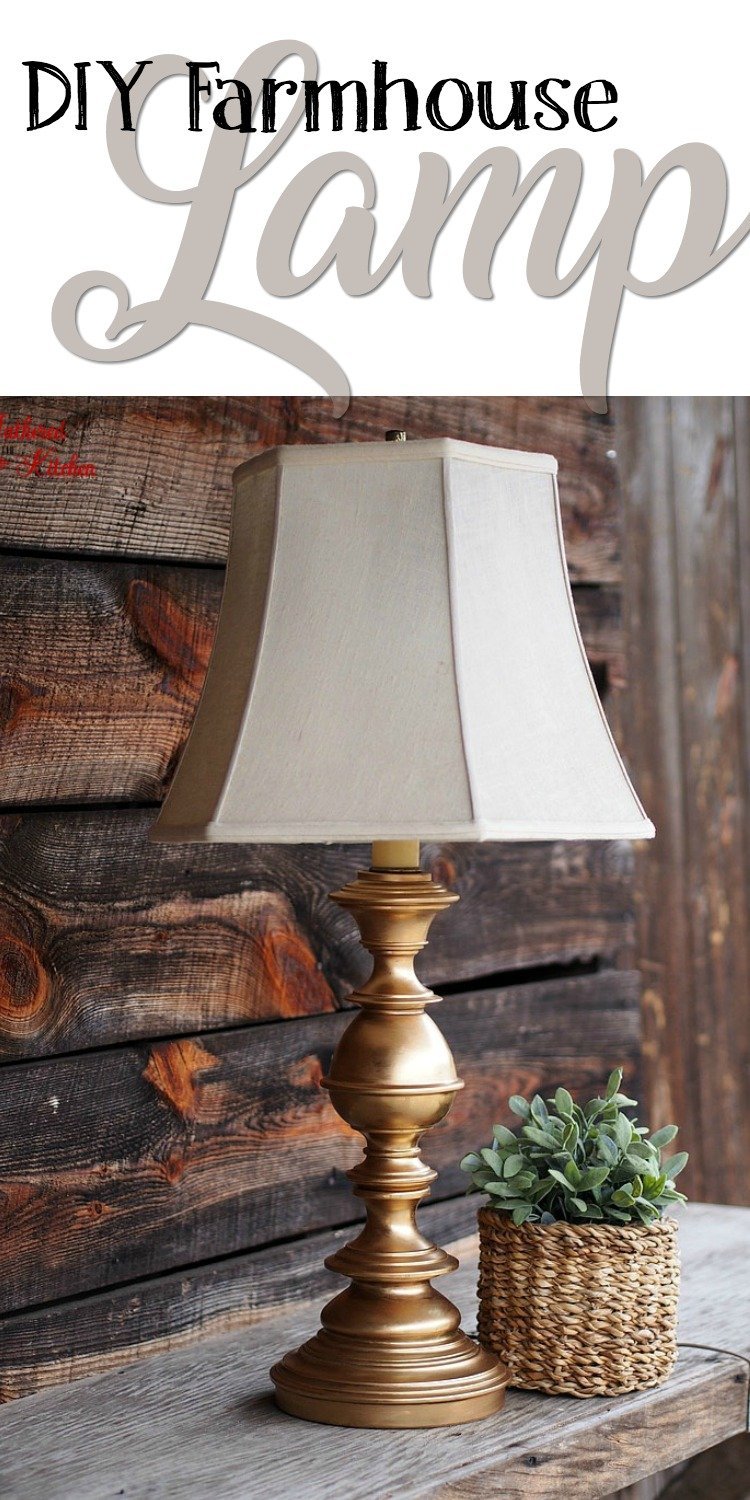
Credit: gatheredinthekitchen.com
Choosing The Lamp Design
Choosing the right design for your desk lamp shapes its style and function. The lamp should fit your room and meet your lighting needs. Simple designs often work best for small projects. Think about the space where the lamp will sit and how much light is needed. This helps select a design that is both useful and attractive.
Minimalist Styles
Minimalist desk lamps have clean lines and simple shapes. They use few materials and avoid extra details. This style fits modern rooms and small desks well. A minimalist lamp often uses neutral colors like white, black, or gray. It focuses on light without distraction, making it easy to build and style.
Functional Shapes
Functional shapes put usefulness first. Adjustable arms, swivels, and focused shades help direct light where needed. These lamps suit tasks like reading or writing. Think about shapes that allow easy movement or changing light angles. A sturdy base and simple controls improve daily use.
Personal Touches
Add personal touches to make the lamp unique. Use colors or patterns you like. Try painting the base or shade with your favorite color. Adding small decorations can show your style. Personal touches make the lamp feel special and match your room better.
Step-by-step Assembly
Gather basic materials like a bulb, socket, and wire. Connect each part carefully and secure with screws. Test the lamp to ensure it lights up safely.
Creating your own desk lamp is not just a rewarding DIY project, but it also allows you to add a personal touch to your workspace. The step-by-step assembly of your lamp can be broken down into manageable parts, ensuring you enjoy the process and end up with a functional piece that reflects your style. Let’s dive into how to make a simple desk lamp by preparing the base, wiring the bulb holder, and attaching the shade.Preparing The Base
Begin by selecting a sturdy base for your lamp. A solid piece of wood or a ready-made lamp base works perfectly. Sand it down smoothly to avoid any rough edges or splinters. Drill a hole in the center of your base that is large enough to fit the lamp rod. This step is crucial as it will hold the entire structure together. Have you ever noticed how a stable base can make or break a project? Ensuring your base is well-prepared sets the foundation for a successful build.Wiring The Bulb Holder
Wiring might seem daunting, but with the right steps, it’s straightforward. Start by threading the lamp cord through the hole in your base and up the lamp rod. Attach the wires to the bulb holder carefully. Make sure to follow the instructions that come with your bulb holder kit to avoid any electrical mishaps. Secure the bulb holder to the top of the rod. Remember, safety first! Always double-check your connections before proceeding.Attaching The Shade
The shade is what gives your lamp its character. Choose a shade that complements your decor and is the right size for your bulb holder. Secure the shade to the bulb holder by following the manufacturer’s instructions. If you’re using a clip-on shade, simply attach it to the bulb. Otherwise, screw on the shade holder to ensure it stays in place. Have you ever thought about how a simple shade can transform the ambiance of a room? By following these steps, you can create a desk lamp that is not only functional but also a reflection of your creativity and style. Enjoy the process and the satisfaction of lighting up your space with something uniquely yours.Testing The Lamp
Testing the lamp is an important step to make sure it works safely and properly. This process helps find any issues early. Testing also ensures the lamp is sturdy and the light is comfortable for use. Take your time and check each part carefully.
Checking Electrical Connections
Start by inspecting all wire connections. Make sure wires are tightly twisted or securely attached. Loose connections can cause flickering or no light at all. Use a tester or a multimeter to check for continuity. Confirm the plug and switch work correctly. Safety first—never test with wet hands.
Ensuring Stability
Place the lamp on a flat surface. Gently shake it to see if it wobbles. Tighten any loose screws or bolts on the base or arm. A stable lamp prevents accidents and damage. Check the lamp’s weight balance so it doesn’t tip over easily.
Adjusting Brightness
Turn the lamp on and off to test the light bulb. Use a dimmer switch if available to adjust brightness. Find a level that is bright enough but not harsh on the eyes. Adjust the lamp’s angle to direct light where needed. Proper brightness improves comfort and usability.
Customizing Your Lamp
Customizing your desk lamp turns a simple project into a personal statement. It’s where creativity meets function, allowing you to craft something uniquely yours. Think about what style fits your space and how your lamp can reflect your personality.
Painting And Finishing
Choosing the right paint can transform your lamp’s look completely. Matte finishes offer a modern, understated vibe, while glossy paints add a pop of brightness and energy.
Try spray paints for an even coat, but don’t forget to prep the surface by sanding lightly. Adding a clear sealant protects your paint and gives it a polished, durable finish.
Adding Decorative Elements
Small additions can make a big impact. Consider wrapping the lamp base with colorful twine or attaching washi tape for patterns that catch the eye.
Think about attaching charms, beads, or fabric to the lampshade. These details turn your lamp into a conversation piece and bring warmth to your desk.
Upgrading Components
Swapping out basic parts can boost both style and functionality. Replace the standard bulb with an LED filament bulb for a vintage look and energy savings.
Upgrade the switch to a dimmer to control your lighting mood. Even changing the lamp cord to a braided or colored one adds subtle flair without much effort.
Safety Tips
Working with electrical parts to make your own desk lamp is exciting but requires caution. Safety should always be your top priority to avoid accidents and ensure your lamp works perfectly. Paying attention to a few simple safety tips can protect both you and your workspace.
Handling Electrical Parts
Always unplug the power source before you start handling wires or bulbs. Touching live wires can cause shocks, even if you think the lamp is off.
Use insulated tools to work with electrical components. This small step reduces the risk of accidental electric shock significantly.
Double-check connections before plugging in the lamp. Loose wires can cause short circuits or sparks, which are dangerous and could damage your lamp.
Preventing Overheating
Choose the right bulb wattage for your lamp. Using a bulb with too high wattage can cause the lamp socket to overheat, which might lead to fires.
Make sure your lamp has enough ventilation. Avoid enclosing it in tight spaces where heat can build up quickly.
Have you noticed your lamp feels unusually hot after a few hours of use? That’s a sign to switch to a lower wattage bulb or improve airflow around it.
Proper Usage And Maintenance
Turn off your lamp when not in use to save energy and reduce wear. It also minimizes the chance of overheating over time.
Regularly inspect your lamp for any signs of damage, such as frayed wires or cracked sockets. Fixing these issues early keeps your lamp safe and reliable.
Cleaning your lamp gently with a dry cloth prevents dust build-up, which can affect both heat dissipation and electrical contacts.

Credit: www.youtube.com
Frequently Asked Questions
What Materials Are Needed To Make A Simple Desk Lamp?
You need a lamp socket, bulb, wire, plug, switch, and a lamp base. Basic tools like a screwdriver and wire stripper are also helpful.
How Do I Safely Wire A Diy Desk Lamp?
Turn off power before starting. Connect wires to the socket and plug correctly. Use insulated wire and secure connections tightly for safety.
Can I Customize The Design Of My Desk Lamp?
Yes, you can personalize the base, shade, and paint. Use different materials like wood or metal for a unique look.
What Type Of Bulb Is Best For A Desk Lamp?
LED bulbs are best. They use less energy, last longer, and produce less heat. Choose brightness according to your needs.
Conclusion
Making a simple desk lamp is easier than it seems. You only need a few basic tools and parts. This project helps you learn and saves money. Plus, it adds a personal touch to your space. Try different designs to match your style.
Enjoy the light you create with your own hands. Start small and build your skills step by step. Brighten your desk and your day with this easy DIY lamp.



