
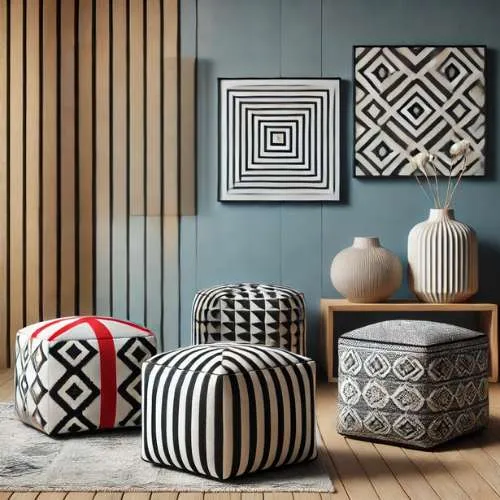
Looking to add a cozy, stylish touch to your living space? Making a square floor pouf is easier than you think, and it’s a fun project you can do yourself.
Imagine having a comfy spot to rest your feet or extra seating for guests—all crafted by your own hands. In this guide, you’ll discover simple steps to create a pouf that fits your style and space perfectly. Ready to transform your room with a unique, handmade piece?
Let’s dive in and make your own square floor pouf today!
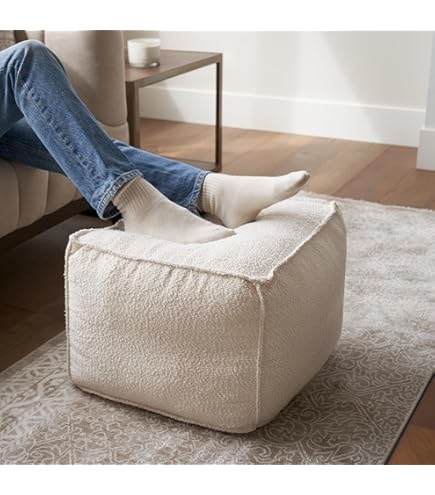
Credit: www.amazon.com
Materials Needed
Gathering the right materials is key to making a square floor pouf. Each item plays a vital role in creating a sturdy and comfortable piece. Choose fabrics, stuffing, and tools that fit your style and skill level. Prepare everything before starting to avoid interruptions during crafting.
Fabric Choices
- Cotton: Durable and easy to sew.
- Linen: Breathable with a natural look.
- Canvas: Strong and ideal for heavy use.
- Velvet: Soft texture for a cozy feel.
- Denim: Sturdy and casual style.
Select fabric that matches your room decor and comfort needs. Consider washable materials for easy cleaning.
Stuffing Options
- Polyester fiberfill: Lightweight and fluffy.
- Foam pieces: Firm support and shape.
- Old clothes or fabric scraps: Eco-friendly and cheap.
- Bean bag pellets: Provides flexible cushioning.
- Memory foam: Comfortable with contouring.
Choose stuffing based on how firm or soft you want the pouf. Mix types for unique textures.
Tools Required
- Sewing machine: Speeds up stitching.
- Fabric scissors: Cuts fabric cleanly.
- Measuring tape: Ensures accurate size.
- Pins or clips: Hold fabric in place.
- Needle and thread: For hand sewing details.
- Chalk or fabric marker: Marks cutting lines.
- Iron: Presses fabric for neat seams.
Having the right tools makes the process smooth and precise. Prepare them before starting your project.

Credit: www.youtube.com
Measuring And Cutting Fabric
Measuring and cutting fabric is a key step in making a square floor pouf. Precise measurements ensure the pouf looks neat and fits well. Cutting the fabric correctly avoids waste and extra work later. This part requires attention and a steady hand.
Determining Pouf Size
Decide how big the pouf should be. Common sizes are between 16 and 20 inches square. Think about where you will place it and how much space you have. Use a ruler or tape measure to mark the dimensions on paper first. This helps visualize the final size.
Remember to add extra fabric for seams. Usually, add about 1/2 inch on all sides. This allowance helps sew the pieces together without making the pouf smaller.
Cutting Fabric Pieces
Lay your fabric flat on a clean surface. Smooth out any wrinkles before cutting. Use fabric scissors for clean, sharp edges. Mark the fabric with tailor’s chalk or a pencil. Draw straight lines matching your measured size plus seam allowance.
- Cut two squares for the top and bottom of the pouf.
- Cut four rectangles for the sides, matching the square’s length and desired height.
Cut carefully to keep edges straight. Keep your hands steady and follow the lines closely. Proper cutting makes sewing easier and the pouf look professional.
Sewing The Pouf Panels
Sew the pouf panels carefully, joining the edges with straight, even stitches. Leave an opening for stuffing before closing completely. Ensure seams are strong to hold the pouf’s shape.
Sewing the pouf panels is where your creativity and craftsmanship come to life. This is the stage where you start to see the shape and structure of your floor pouf coming together. Patience and precision are key, as these steps will ensure your pouf is durable and visually appealing.Stitching Techniques
Choosing the right stitching technique can make all the difference. A basic straight stitch is often sufficient for most fabrics, providing a clean and sturdy seam. If you’re using a thicker fabric like canvas or denim, consider a double stitch for added strength. Keep your stitches even and straight. Use pins or fabric clips to hold your panels in place as you sew. This helps prevent any shifting and keeps your seams aligned.Leaving An Opening
Don’t forget to leave an opening on one side of the pouf. This gap is crucial for turning the fabric right side out and for later stuffing the pouf. Typically, a 6 to 8-inch opening is ideal, allowing enough space to maneuver without compromising the seam’s integrity. You can mark this section with pins to ensure you don’t sew it shut by mistake. Once you’ve sewn the panels, take a moment to admire your progress. Does it match the vision you had in mind? If not, adjustments are easier now than later.
Credit: www.simpli-home.com
Stuffing The Pouf
Stuffing the pouf is a key step in making it comfy and durable. The filling affects the pouf’s shape and feel. Choosing the right stuffing ensures your pouf looks great and stays firm. Proper filling also helps the pouf hold its form over time.
Choosing The Right Filling
Many types of filling work well for a square pouf. Common options include:
- Polyester fiberfill – soft and lightweight
- Foam pieces – firm and supportive
- Old clothes or fabric scraps – eco-friendly and cheap
- Bean bag beads – flexible and moldable
Consider how firm or soft you want the pouf. Foam gives more support. Fiberfill feels plush and fluffy. Mix different fillings for balance.
Filling Tips For Comfort
Fill the pouf evenly to avoid lumps. Add stuffing gradually and press down as you go. This ensures a smooth surface.
Leave a little room inside so the pouf stays soft. Overstuffing can make it stiff and hard to sit on. Understuffing causes sagging and loss of shape.
Close the final opening carefully to keep stuffing from spilling out. Use strong stitches or a zipper for easy refilling later.
Closing And Finishing Touches
Closing and finishing touches are essential to give your square floor pouf a polished, durable look. This final stage transforms your project from a simple sewn piece into a cozy, stylish addition to your living space. Paying attention to these details ensures your pouf will last and stand out.
Sealing The Opening
After stuffing your pouf, you’ll have an opening left to close. Use a strong, matching thread and a needle to hand-sew this gap with a ladder stitch. This stitch hides the seam neatly, giving a clean finish without visible stitches.
If you want extra strength, double stitch the seam or use a fabric glue on the inside for reinforcement. Take your time here—rushing can cause uneven seams or gaps. Have you ever noticed how a well-closed seam makes all the difference in durability?
Adding Decorative Elements
Decorative touches can personalize your pouf and match your home’s style. Consider sewing on buttons at each corner to create a tufted look, which also helps keep the stuffing evenly distributed. You can also add tassels or pom-poms along the edges for a playful vibe.
Fabric paint or embroidery can add unique patterns or your initials for a custom feel. Think about the colors and textures that will complement your existing decor—what small detail could turn your pouf into a conversation piece? Small additions make your pouf not just functional, but a reflection of your creativity.
Styling Your Floor Pouf
Styling your square floor pouf can transform any space into a cozy, inviting spot. It adds comfort and charm without overwhelming the room. The key is to place it thoughtfully and match it well with your decor. A well-styled pouf becomes both a practical seat and a decorative piece.
Placement Ideas
Place the pouf near a sofa for extra seating. It works well by a coffee table as a footrest. Use it in a reading nook for a comfy touch. Try it in a bedroom corner to fill empty space. Group a few poufs together for a casual look. Keep pathways clear to avoid clutter.
Coordinating With Room Decor
Choose pouf colors that match your room palette. Neutral tones fit most styles easily. Bright colors create a fun focal point. Match the pouf fabric with curtains or cushions. Consider textures like knitted, leather, or velvet. Patterns can add interest but keep balance. Use poufs to soften sharp edges in modern rooms.
Maintenance And Care
Keeping your square floor pouf looking fresh and lasting longer depends on how well you maintain and care for it. Regular upkeep not only preserves its appearance but also protects your investment. Simple habits can prevent damage and keep your pouf inviting and comfortable.
Cleaning Tips
Start by vacuuming your pouf regularly to remove dust and dirt. Use a brush attachment to avoid damaging the fabric. If your pouf has a removable cover, check the care label for washing instructions.
For spot cleaning, mix mild detergent with water and gently dab the stain with a soft cloth. Avoid soaking the fabric, as too much moisture can cause mildew. Have you noticed how quickly stains disappear when you act immediately?
Leather or faux leather poufs need wiping with a damp cloth and occasional conditioning to prevent cracking. Avoid harsh chemicals that can strip the finish. Try testing a small hidden area before applying any cleaner to the whole surface.
Repairing Wear And Tear
Even with careful use, your pouf may develop loose stitches or small tears. Fix these early by sewing with matching thread to keep the repair discreet. If you’re not confident with a needle, fabric glue can be a quick alternative for minor rips.
Check the stuffing periodically—if it starts to flatten, add more filling to maintain shape and comfort. You can use foam, polyester fiberfill, or even old fabric scraps. What’s your experience with different stuffing materials?
If the pouf’s base shows signs of wear, reinforce it with a sturdy fabric or non-slip mat underneath. This can prevent further damage and keep your pouf stable on smooth floors.
Frequently Asked Questions
What Materials Are Needed To Make A Square Floor Pouf?
To make a square floor pouf, you need fabric, stuffing, thread, and a sewing machine. Optional materials include zipper and foam inserts. Choose durable fabric for longevity and comfort.
How Do You Sew A Square Floor Pouf Step-by-step?
Cut fabric squares, sew three sides together, stuff with filling, then sew the final side. Use strong stitches for durability. Adding a zipper helps with easy stuffing and cleaning.
Can I Customize The Size And Design Of The Pouf?
Yes, you can easily customize size by adjusting fabric dimensions. Use different fabrics, patterns, or colors for a unique look. Personalize with embroidery or appliqué for added style.
What Type Of Stuffing Is Best For A Floor Pouf?
Polyester fiberfill, foam pieces, or recycled fabric scraps work well. Choose stuffing that maintains shape and provides comfort. Avoid heavy fillings to keep pouf lightweight and portable.
Conclusion
Making a square floor pouf is simple and fun. It adds comfort and style to any room. You can choose fabrics and colors that fit your space. Sewing your own pouf saves money and gives you a unique piece. Try this project to enjoy a cozy, handmade item.
Small steps lead to great results. Start today and see how easy it is!



