
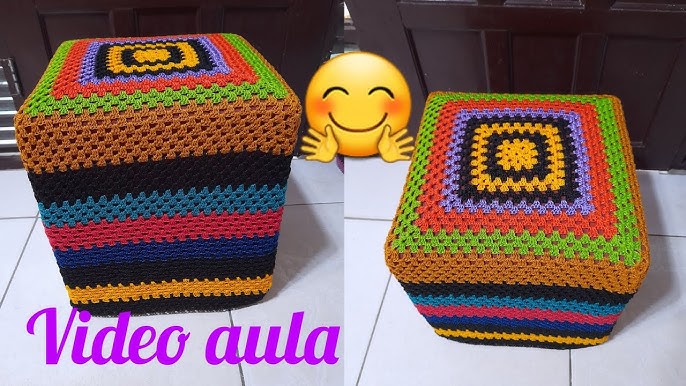
Looking to give your living space a quick and stylish upgrade? Making your own square pouf cover is easier than you think—and it’s a fun way to add a personal touch to your home.
Whether you want to refresh an old pouf or create a new cozy spot, this guide will walk you through every simple step. By the end, you’ll have a unique, handmade cover that fits perfectly and matches your style. Ready to transform your pouf and impress your guests?
Let’s get started!
Materials Needed
Gathering the right materials is key to making a square pouf cover that fits well and lasts long. Choosing quality fabric and having the correct tools can make your sewing process smoother and more enjoyable. Let’s break down what you’ll need to get started on this project.
Fabric Choices
Pick a fabric that suits your room’s style and the pouf’s use. Durable fabrics like canvas, denim, or upholstery-weight cotton work great for poufs because they can handle wear and tear. If you want something softer, consider a thick linen or a textured knit, but keep in mind these might need a lining for extra strength.
Think about color and pattern too. A bold print can make your pouf a statement piece, while a neutral tone blends in easily with other décor. Have you checked if your fabric is easy to clean? This is important since poufs often get heavy use.
Tools And Supplies
Before you start cutting fabric, make sure you have these essential tools on hand:
- Measuring tape:Accurate measurements are crucial for a perfect fit.
- Fabric scissors:Sharp scissors make clean cuts and prevent frayed edges.
- Sewing machine:While you can sew by hand, a machine speeds up the process and strengthens seams.
- Thread:Choose a strong, matching thread for durability.
- Pins or clips:These hold your fabric pieces together while you sew.
- Zipper or buttons:For easy removal and cleaning of the cover.
- Chalk or fabric marker:Mark your fabric without damaging it.
Do you have all these tools ready? Missing even one can slow you down or affect the final look of your pouf cover. Take a moment to gather everything before you begin—this little prep saves frustration later.
Measuring Your Pouf
Measuring your pouf accurately is the first step to making a well-fitting square pouf cover. Precise measurements ensure the cover fits snugly and looks neat. Taking time to measure carefully will save fabric and avoid any rework.
Focus on the height, width, and depth of your pouf. These dimensions guide the cutting of fabric pieces. Double-check each measurement before moving on.
Determining Size
Start by measuring the top of the pouf from one edge to the other. This gives you the width and length since the pouf is square. Next, measure the height from the bottom to the top surface. Use a soft measuring tape for flexible and accurate results. Write down all numbers clearly.
Keep in mind any extra height from buttons or tufting. Measure the sides if the shape is slightly irregular. Confirm that all sides are equal to maintain the square shape.
Adding Seam Allowances
Seam allowances are extra fabric added for sewing the pieces together. Add at least 1 inch to each side of your measurements. This space lets you sew seams without cutting the fabric too short. Without allowances, your cover might end up too small.
Mark the seam allowances on your fabric before cutting. Use a ruler or measuring tape to keep it even. Remember to add allowances to all fabric pieces, including the top, sides, and bottom.
Cutting The Fabric
Begin by measuring and marking the fabric accurately for a perfect fit. Use sharp scissors to cut straight lines and avoid frayed edges. Careful cutting ensures the pouf cover will look neat and fit well.
Cutting the fabric is an essential step in creating a square pouf cover. Precise measurements ensure a neat, professional finish. Use a sturdy fabric that holds shape well. This section will guide you through cutting the fabric accurately.Marking The Pieces
Use a measuring tape to determine the size of each piece. Draw lines on the fabric with chalk for guidance. Cut four equal squares for the sides of the pouf. Then, mark a square for the top and bottom. Ensure each piece is identical for uniformity.Tips For Accurate Cutting
Sharp scissors are crucial for clean edges. Use a ruler for straight lines. Double-check measurements before cutting. Lay the fabric flat on a hard surface. Avoid cutting on a soft surface to prevent misalignment. Maintain steady hands to ensure even cuts.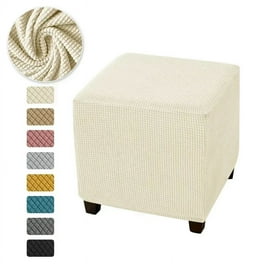
Credit: www.walmart.com
Sewing The Cover
Sewing the cover is where your square pouf truly starts to take shape. This part requires precision and patience, but it’s also the most rewarding. You’ll see your fabric transform into a neat, functional piece that fits perfectly over your pouf.
Assembling The Panels
Begin by laying out all your fabric panels flat on a clean surface. Arrange them in the order they will be sewn, matching edges carefully to avoid mismatches. Pin the panels together along the edges to keep them steady as you sew.
It helps to double-check the alignment before stitching. Have you ever sewn something only to find the pieces didn’t line up? Taking a moment now saves frustration later.
Creating The Seams
Use a straight stitch on your sewing machine to join the pinned panels. Sew slowly and keep the fabric edges aligned for a clean seam. Don’t forget to backstitch at the beginning and end of each seam to secure the stitches.
Press the seams open with an iron to reduce bulk and give your cover a professional look. This step makes a big difference, especially if you want your pouf cover to last and look sharp.
Adding A Closure
Adding a closure to your square pouf cover is essential for both functionality and style. It allows you to easily remove the cover for washing or swapping out designs. Choosing the right closure type can affect the overall look and ease of use, so consider what fits your needs best.
Zipper Options
Zippers provide a clean, secure closure that keeps your pouf cover neatly in place. You can choose an invisible zipper for a seamless look or a standard zipper for easier handling. When sewing in a zipper, make sure to align it carefully along one edge to avoid puckering.
Remember, zippers come in different lengths and colors. Matching the zipper color to your fabric can make it almost disappear, giving a polished finish. If you’re new to sewing zippers, practice on scrap fabric first to get comfortable with the technique.
Using Velcro Or Buttons
Velcro is a quick and simple option, especially if you want to remove the cover frequently. It’s easy to sew onto fabric and provides a strong hold without the need for precise alignment. However, Velcro can wear out over time or collect lint, so keep that in mind.
Buttons add a decorative touch and can enhance the style of your pouf cover. You can sew them on one side and create buttonholes on the other for a classic closure. If you want to try something different, consider using large wooden buttons or fabric-covered ones to match your design.
Would you prefer a closure that blends in or one that stands out as part of your pouf’s charm? Your choice can completely change the feel of your finished piece.
Finishing Touches
Finishing touches can make or break your square pouf cover project. This final stage ensures your pouf not only looks polished but also feels comfortable and lasts longer. Paying attention to small details will give you a sense of pride every time you use or show off your creation.
Pressing And Trimming
Pressing your seams flat with a hot iron gives your pouf cover a crisp, clean look. It helps the fabric lie smoothly and prevents bulky edges.
Trim any excess fabric near the seams carefully, but don’t cut too close—leave about a quarter inch to avoid fraying. If your fabric frays easily, consider using pinking shears or applying a seam sealant.
Have you noticed how a well-pressed seam changes the whole appearance? It’s a simple step that makes your pouf cover look professionally made without extra effort.
Inserting The Pouf
Now comes the satisfying part: slipping the pouf inside its new cover. Make sure the cover’s opening is fully open to avoid any stretching or tearing.
Gently push each corner of the pouf into the corresponding corner of the cover. This ensures an even fit and prevents lumps or uneven bulges.
If your pouf feels loose inside the cover, you might want to add some stuffing or tighten the cover’s closure. This keeps it looking sharp and maintains its shape over time.
Styling Ideas
Styling your square pouf cover is your chance to add personality and charm to any room. The right design choices can transform a simple pouf into a standout piece. Think about how your pouf will complement your existing decor and what statement you want it to make.
Color And Pattern Choices
Choosing the right colors can set the mood in your space. Bold, bright colors can energize a room, while soft, muted tones create a calming effect. Don’t be afraid to mix solid colors with patterns to add visual interest.
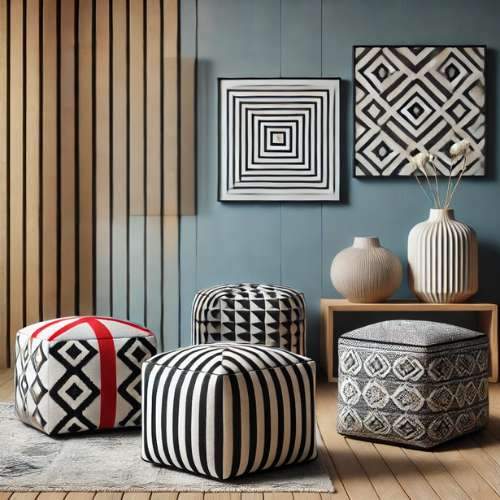
Stripes, geometric shapes, or floral prints can all work well depending on your style. If your room has many patterns already, a solid color pouf cover might balance the look. On the other hand, if your space is mostly neutral, a patterned cover can bring in some excitement.
Ask yourself: Do you want your pouf to blend in or stand out? That answer will guide your color and pattern decisions.
Mixing Textures
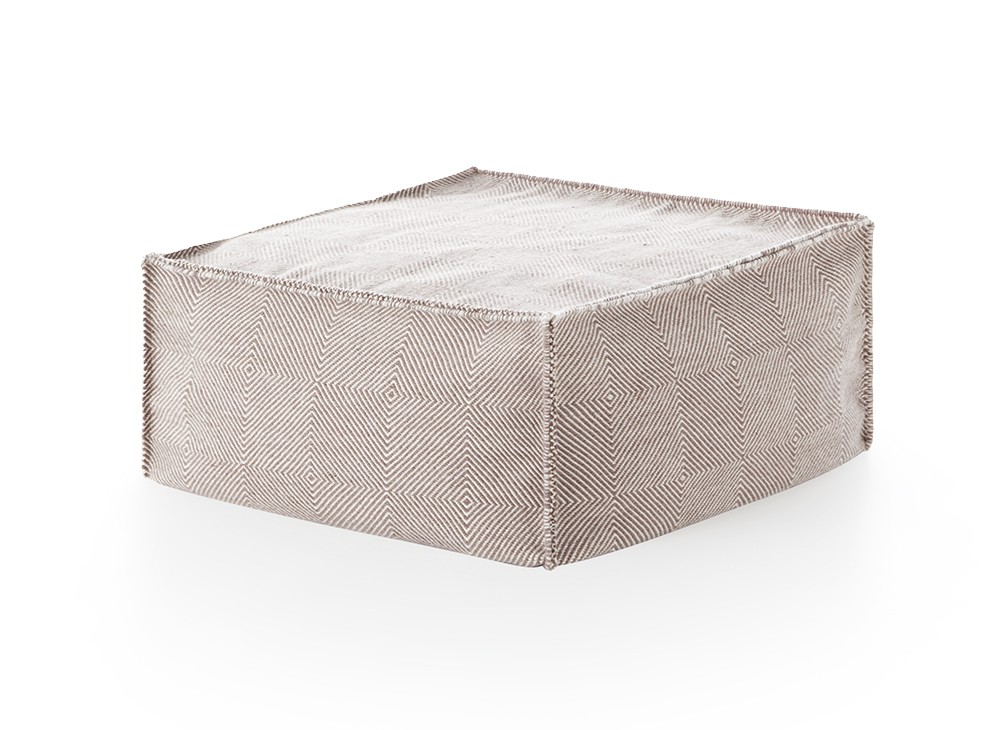
Texture adds depth and makes your pouf cover feel inviting. Combining different materials like cotton, velvet, or burlap can make the piece more tactile and interesting. For instance, a velvet cover paired with a knitted throw can create a cozy corner.
Think about how the texture of your pouf interacts with other fabrics in your room. Smooth leather furniture next to a soft, woven pouf cover can create a nice contrast. You can also add decorative elements like tassels or embroidery for extra texture.
Have you considered how your touch experience affects the room’s vibe? Mixing textures not only looks good but also feels good, making your space more welcoming.
Credit: www.gan-rugs.com
Care And Maintenance
Taking good care of your square pouf cover keeps it looking fresh and extends its life. Regular attention helps you avoid bigger problems later, saving time and money. You’ll enjoy your handmade creation more when it stays clean and intact.
Cleaning Tips
Start by checking the fabric type of your pouf cover before cleaning. Some materials are machine washable, while others need gentle hand washing or spot cleaning only.
Use mild detergent and cold water to prevent fading or shrinking. If you spot clean, dab gently with a soft cloth instead of rubbing hard. Have you noticed how stubborn stains often respond better to patience than force?
Air dry your cover away from direct sunlight to avoid discoloration. Avoid using a dryer, which can distort the shape or weaken fibers. Fluff your pouf cover once dry to restore its shape and softness.
Repairing Small Damages
Small tears or loose seams don’t need to ruin your pouf cover. Fixing them early stops the damage from spreading.
Use a needle and thread matching your fabric color to sew small rips. Try a simple backstitch for strong, almost invisible repairs. If you prefer, iron-on patches inside the cover add reinforcement without changing the look.
Have you ever ignored a tiny hole, only to find it much worse later? A few minutes spent repairing now can save hours of frustration in the future.
Credit: www.reasonstoskipthehousework.com
Frequently Asked Questions
What Materials Are Needed For A Square Pouf Cover?
You need fabric, scissors, measuring tape, thread, and a sewing machine. Optional items include zipper and stuffing. Choose durable fabric for long-lasting use.
How Do I Measure For A Square Pouf Cover?
Measure the pouf’s length, width, and height precisely. Add extra inches for seam allowance. Accurate measurements ensure a perfect fit.
Can I Sew A Pouf Cover Without A Sewing Machine?
Yes, you can sew by hand using strong thread. Hand sewing takes longer but works well for small projects and repairs.
How Do I Add A Zipper To The Pouf Cover?
Attach the zipper along one side seam before sewing the rest. This allows easy removal for washing or changing covers.
Conclusion
Making a square pouf cover is easier than it seems. You only need a few materials and simple steps. This project adds a personal touch to your home decor. Plus, it saves money compared to buying new covers. Try different fabrics and colors to match your style.
Enjoy the comfort and look of your handmade pouf cover. Keep practicing, and your skills will improve fast. Ready to start your next sewing project?



