
Are you looking to add a stylish and cozy touch to your living space without spending a fortune? Making your own square pouf ottoman is easier than you think—and it’s a fun project you can finish in a weekend.
Imagine having a custom piece that perfectly fits your room’s vibe and gives you extra seating or a comfy footrest. In this guide, you’ll discover simple steps and handy tips to create a pouf ottoman that’s both beautiful and practical.
Ready to transform your space and impress your friends with your DIY skills? Let’s get started!

Credit: dwalinam.com
Materials Needed
Gathering the right materials is the foundation of making a sturdy and stylish square pouf ottoman. Choosing quality items not only makes the project easier but also ensures your pouf lasts longer and looks great in your space.
Fabric Selection
Picking the right fabric can be exciting yet tricky. You want something durable but also comfortable and visually appealing. Consider heavy-duty fabrics like canvas, denim, or upholstery-grade cotton for strength and easy cleaning.
Do you prefer a bold pattern to make a statement or a neutral tone to blend with your room? Keep in mind, textured fabrics like velvet or faux leather add a touch of luxury but might require extra care.
Foam And Filling
The comfort of your pouf depends heavily on the foam and filling you choose. High-density foam is ideal for the core because it holds shape well and supports weight.
You can add polyester fiberfill around the foam for softness and a plush feel. Have you tested different foam thicknesses before? Picking the right thickness balances firmness and coziness perfectly.
Basic Tools
Having the right tools on hand will speed up your work and improve the final look. Essential tools include a sewing machine, sharp fabric scissors, pins, and a measuring tape.
Don’t forget a zipper for easy removal of the cover and a sturdy needle if sewing by hand. Would you rather invest time in hand stitching or speed through with a machine? Your choice affects your experience and the ottoman’s finish.
Choosing The Right Size
Choosing the right size for your square pouf ottoman is key to making it both useful and stylish. A pouf that fits well helps your room feel balanced and comfortable. Take time to think about where you want to place it and how it will be used.
Measuring Your Space
Start by measuring the area where the pouf will go. Use a tape measure to find the length and width of the spot. Leave enough room around it for easy movement.
Consider the furniture nearby. The pouf should not block walkways or crowd the space. Think about how much open space you want to keep.
Write down your measurements. This will guide you in choosing the right pouf size that fits perfectly.
Standard Pouf Dimensions
Most square poufs have a height between 14 and 18 inches. The width and depth usually range from 16 to 24 inches. These sizes fit well in many rooms.
Here is a simple table to understand common pouf sizes:
| Dimension | Size Range |
|---|---|
| Height | 14-18 inches |
| Width | 16-24 inches |
| Depth | 16-24 inches |
Choose a size that matches your space and intended use. Smaller poufs work well as footrests, while larger ones can serve as extra seating.
Cutting The Fabric And Foam
Cut fabric and foam carefully to match the pouf’s square shape. Use sharp scissors and measure twice for clean, precise cuts. This ensures a neat and even finish for your ottoman.
Cutting the fabric and foam is a crucial step in making a square pouf ottoman. This phase determines the final shape and fit of your ottoman. Accuracy is key to ensure everything aligns perfectly. Let’s dive into the details of this process.Pattern Layout
Start by laying out your fabric on a flat surface. Ensure the fabric is smooth and free of wrinkles. Position your pattern pieces onto the fabric. Arrange them to maximize fabric use and minimize waste. Consider the fabric’s grain and any patterns. Align all pieces consistently to maintain a uniform look.Cutting Tips
Use sharp scissors for clean cuts. Dull scissors can fray the fabric edges. Cut slowly and follow the pattern lines precisely. For foam, use an electric knife or a serrated bread knife. These tools provide a clean cut through thick foam. Hold the foam steady as you cut for straight edges. Always double-check measurements before making any cuts. This helps avoid errors and ensures a perfect fit.Sewing The Pouf Cover
Sewing the pouf cover shapes the entire look and feel of your ottoman. A well-stitched cover holds the stuffing firmly and gives a clean finish. Focus on precise sewing to create a durable and attractive pouf. Use a sewing machine for stronger seams and faster work.
Choosing the right stitching technique helps keep the fabric tight and neat. Proper seams and corners make the pouf look professional and last longer. Follow these tips to sew a perfect pouf cover.
Stitching Techniques
Select a straight stitch for most seams. It is strong and simple to sew. Use a medium stitch length for flexibility and durability. Reinforce stress points with backstitching to avoid unraveling. Keep the fabric edges aligned to prevent puckering. Press seams open with an iron to reduce bulk.
- Straight stitch for main seams
- Backstitch at start and end
- Medium stitch length (2.5-3 mm)
- Press seams open for neatness
Creating Seams And Corners
Cut fabric pieces with a 1/2 inch seam allowance. Pin edges carefully before sewing to keep fabric steady. Sew slowly around corners, pivoting the needle when needed. Trim seam allowances at corners to reduce bulk. Turn the cover right side out gently to keep corners sharp. Stuff the pouf through the opening before closing it with a hidden stitch.
- Use 1/2 inch seam allowance
- Pin edges to hold fabric
- Pivot needle at corners
- Trim seam allowance at corners
- Turn cover right side out carefully
Assembling The Pouf
Assembling the pouf is the final step to bring your project to life. This stage combines all parts into a sturdy, comfortable piece. Careful handling ensures the pouf looks neat and feels durable. Focus on filling and securing for a polished finish.
Inserting Foam And Filling
Start by placing the foam inside the pouf cover. Use foam pieces that fit snugly without stretching the fabric. Add stuffing around the foam to fill gaps and keep shape.
- Cut foam to fit the square frame.
- Insert foam evenly into the cover.
- Fill empty spaces with polyester fiberfill or batting.
- Press the filling to remove air pockets.
This creates a firm but soft surface for sitting or resting feet.
Securing The Cover
Close the cover tightly to keep foam and filling in place. Use a strong zipper or sew the opening shut. Check for wrinkles or loose fabric, adjusting as needed.
- Align edges of the opening carefully.
- Use a zipper or needle and thread for closure.
- Double stitch for extra strength if sewing.
- Smooth out fabric after closing.
Secure covers prevent filling from shifting or spilling out. A neat finish adds to the pouf’s charm and usability.

Credit: dwalinam.com
Adding Style Elements
Adding style elements to your square pouf ottoman transforms it from a simple piece of furniture into a statement accessory. These touches allow you to tailor the look to your space and personality. Small details can elevate the overall design and even add functionality.
Decorative Stitching
Decorative stitching is a subtle yet effective way to add character to your pouf. You can use contrasting thread colors to create patterns that catch the eye without overwhelming the fabric. Simple geometric stitches or even classic quilting designs work well.
Think about the vibe you want to create. Straight lines offer a modern look, while curved or zigzag stitches lend a softer, handcrafted feel. Plus, stitching can reinforce seams, making your pouf more durable.
Attaching Handles Or Tassels
Handles aren’t just practical—they add a unique style element to your pouf. Leather straps or fabric loops make it easier to move your ottoman around and introduce texture that breaks the monotony of the fabric.
Tassels add a playful touch and can complement your room’s decor. You might choose bright colors to make them pop or stick to neutrals for a classic look. Attaching them to the corners or along the sides offers different visual effects.
Have you thought about how these small additions might change the way you use your pouf? Sometimes, style and function go hand in hand.
Care And Maintenance
Keeping your square pouf ottoman in good shape makes it last longer. Regular care helps maintain its look and comfort. Small fixes and proper cleaning protect your investment and keep it fresh.
Cleaning Tips
Dust your pouf regularly with a soft brush or cloth. For fabric covers, vacuum gently to remove dirt. Spot clean stains quickly with mild soap and water. Test any cleaner on a hidden spot first. Avoid harsh chemicals that can damage fabric or color. Let the pouf air dry completely before use.
Repairing Small Damages
Check your pouf for loose threads or small tears often. Use fabric glue or a needle and thread for minor repairs. Patch holes with matching fabric pieces sewn or glued in place. Tighten any loose seams to keep the stuffing secure. Fixing small problems early stops bigger damage later.
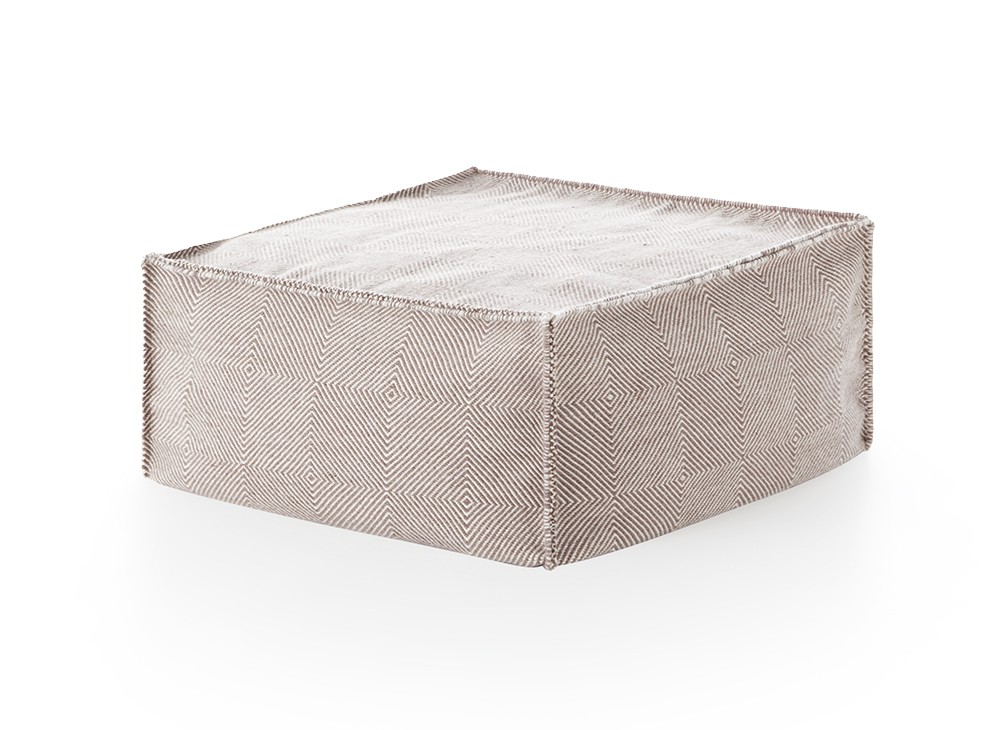
Credit: www.gan-rugs.com
Frequently Asked Questions
What Materials Do I Need For A Square Pouf Ottoman?
You need fabric, foam, plywood, batting, thread, and a sewing machine. Also, gather scissors, a staple gun, and measuring tape for assembly.
How Long Does It Take To Make A Square Pouf Ottoman?
Making a pouf ottoman usually takes 2 to 4 hours. This depends on your sewing skill and preparation speed.
Can I Customize The Size Of My Pouf Ottoman?
Yes, you can easily customize the size. Adjust the fabric and foam dimensions to fit your preferred ottoman size.
How Do I Stuff A Square Pouf Ottoman Properly?
Use firm foam for structure and batting for softness. Layer the materials evenly before sewing to avoid lumps.
Conclusion
Making a square pouf ottoman is a fun and useful project. You can add style and comfort to any room. Use simple tools and materials to build your pouf. Take your time and follow each step carefully. Personalize it with your favorite fabric or color.
Enjoy the satisfaction of creating something with your own hands. A homemade pouf ottoman is both practical and decorative. Try this DIY project to refresh your home space today.



