
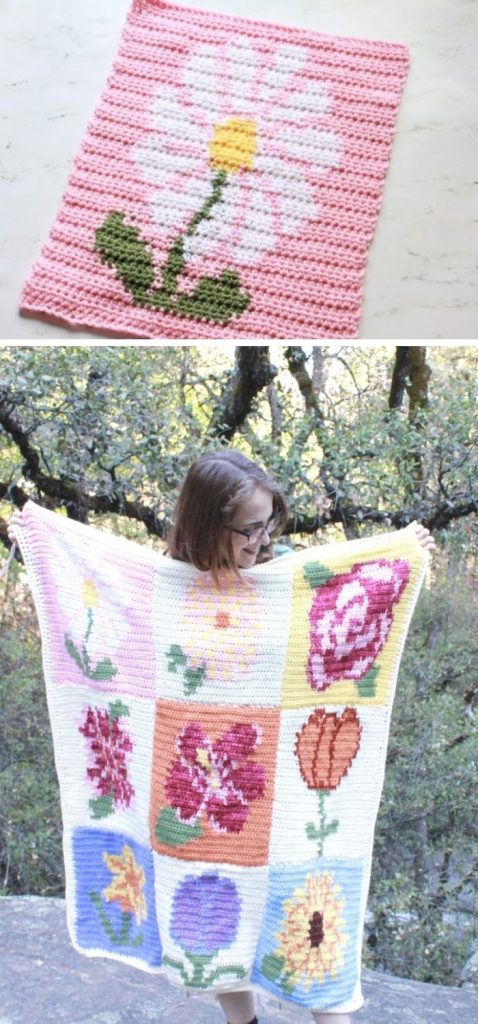
Have you ever wanted to create a cozy tapestry blanket that’s truly one of a kind? Imagine wrapping yourself in a blanket you made with your own hands—something warm, beautiful, and full of personality.
Making a tapestry blanket might sound tricky, but it’s easier than you think. In this guide, you’ll discover simple steps and tips that anyone can follow, even if you’ve never tried before. Ready to turn your ideas into a stunning, soft masterpiece?
Keep reading, and let’s make your perfect tapestry blanket together.

Credit: www.youtube.com
Materials Needed
Gathering the right materials is the first step to creating a beautiful tapestry blanket. You want to ensure every item you pick supports your vision and makes the crafting process smooth and enjoyable. The right supplies can turn a simple project into a cherished keepsake.
Choosing The Right Fabric
Fabric choice sets the tone for your tapestry blanket. Cotton and wool are popular because they are soft, warm, and easy to work with. If you prefer something lighter, linen offers a delicate texture, but it can be trickier to handle.
Think about how you plan to use the blanket. Will it be a cozy throw or a decorative piece? This will help you decide between heavier or lighter fabrics. I once picked a thick wool blend for a winter blanket, and it made all the difference in warmth and durability.
Essential Tools
Having the right tools saves you frustration and improves your results. You’ll need sharp fabric scissors for clean cuts and a measuring tape to keep your dimensions precise. A sewing needle and strong thread or a sewing machine will help you piece everything together efficiently.
Consider adding a fabric marker or chalk to outline your pattern. This small step helped me avoid mistakes and saved fabric on my first project. Don’t forget pins to hold pieces in place while you work, making the process less stressful.
Optional Decorative Items
Adding decorative elements can make your tapestry blanket truly unique. Buttons, patches, or embroidery thread allow you to personalize your creation with colors and textures that speak to you. These extras can be simple or elaborate, depending on your style.
Have you thought about using beads or fringe? They add a playful touch and can transform a plain design into something eye-catching. Just remember, less can be more—choose decorations that enhance without overwhelming your blanket.
Preparing Your Workspace
Preparing your workspace is a crucial first step in making a tapestry blanket. The right environment can boost your creativity and keep frustration at bay. It sets the tone for your entire project and helps you stay focused and organized.
Setting Up A Comfortable Area
Choose a spot with good lighting—natural light is ideal, but a bright lamp works well too. Comfort matters because you might spend hours there. A supportive chair and a table at the right height reduce strain on your back and wrists.
Think about space too. You’ll need room to spread out your yarns and tools without feeling cramped. Have you noticed how much more enjoyable crafting is when you’re relaxed and not constantly adjusting your position?
Organizing Supplies
Gather all your materials before you start. Sort your yarn by color or texture and keep your needles, scissors, and measuring tape close at hand. This saves time and prevents interruptions.
Use containers or small baskets to keep supplies tidy and easy to reach. Labeling them can help you find exactly what you need quickly. How often have you lost track of a needle or tangled yarn mid-project? A well-organized space can prevent that.
Design Planning
Design planning is the heart of creating a tapestry blanket. It’s where your creativity takes shape, evolving from abstract ideas into tangible art. This phase is crucial as it sets the tone and direction of your project, ensuring that your final product reflects your vision.
Selecting A Pattern Or Theme
Choosing a pattern or theme is your first step. Think about what inspires you. Are you drawn to nature, geometric shapes, or perhaps cultural symbols? Your choice should resonate with something personal. When I made my first tapestry, I chose a pattern that reminded me of my grandmother’s garden. This connection made the process more meaningful. What story do you want your tapestry to tell?
Consider the environment where the tapestry will be displayed. A vibrant, intricate design might be perfect for a living room, while a simple, calming pattern could enhance a bedroom. Browse through design books or online galleries to spark your imagination. Remember, the pattern or theme is your starting point—it doesn’t have to be set in stone. Feel free to adapt it as your vision evolves.
Sketching Your Design
Once you have a pattern or theme, it’s time to sketch. Don’t worry if you’re not a skilled artist. Your sketch is simply a roadmap, not a masterpiece. Use basic shapes and lines to outline your design. This step helps visualize your ideas and identify any potential challenges.
Start with a rough sketch on paper, focusing on placement and proportion. A friend of mine once used colored pencils to experiment with different color combinations directly on her sketch. This approach helped her see what worked and what didn’t before committing to fabric and thread. How will you experiment with your design?
Digital tools can also be helpful. Programs like Adobe Illustrator or even basic drawing apps can provide a clearer picture of your plan. The key is to use whatever method makes you comfortable and confident in your design. Your sketch is a tool for exploration, so embrace the process and make it fun.
Cutting The Fabric
Cutting the fabric is a crucial stage in making your tapestry blanket. It sets the foundation for the entire project, so precision matters. Taking your time here will save you from frustrating mistakes later.
Measuring And Marking
Start by measuring your fabric carefully using a measuring tape or a ruler. Mark the dimensions of your blanket with a fabric pencil or chalk that won’t leave permanent marks. Make sure your lines are straight and clear; a crooked line can ruin the look of your final piece.
Double-check your measurements before you cut. Have you ever cut too early and wished you had measured again? Taking a moment to verify ensures your blanket will be the perfect size.
Safe Cutting Techniques
Use sharp fabric scissors or a rotary cutter for clean cuts. Dull tools can fray the fabric edges and make it harder to work with. Cut on a flat, stable surface to maintain control and avoid accidents.
Keep your fingers clear of the blades and cut slowly to follow your marked lines accurately. It’s tempting to rush, but careful cutting prevents costly errors and keeps you safe. Have you noticed how a steady hand improves your cutting precision?
Assembling The Tapestry
Assembling the tapestry is where your creative vision starts to take shape. This stage requires patience and precision to ensure every fabric piece fits perfectly together. You’ll find that organizing your materials carefully makes the process smoother and more enjoyable.
Layering Fabric Pieces
Start by laying out your base fabric flat on a clean surface. Then, place your tapestry pieces on top, arranging them to see how the colors and patterns interact. Don’t hesitate to move pieces around multiple times — sometimes shifting one piece changes the entire look.
Think about texture too. Mixing rough and smooth fabrics can add depth to your blanket. Have you tried overlapping different fabric types to create subtle contrasts? It can bring unexpected interest to your design.
Pinning And Securing
Once you’re happy with the layout, use pins to hold each fabric piece in place. Pinning prevents shifting while you sew and keeps edges aligned. Be sure to pin close to the edges but avoid bunching the fabric.
Some people prefer using fabric clips instead of pins, especially with thicker materials. Choose what feels best for your project and fabric type. How will you keep your pieces steady while working? Finding your ideal method early saves time and frustration later.
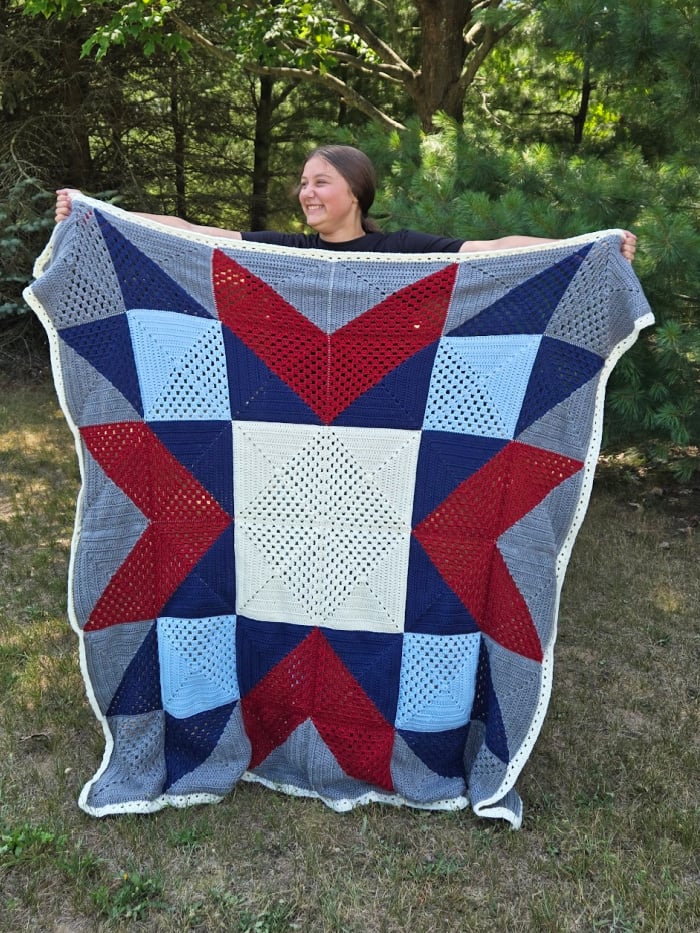
Credit: theunraveledmitten.com
Sewing Techniques
Sewing techniques play a key role in making a tapestry blanket. The right stitches keep the fabric strong and durable. Choosing the best sewing method helps create neat edges and beautiful designs.
Understanding basic stitching methods builds a solid foundation. Deciding between hand sewing and using a sewing machine affects the blanket’s look and time spent. Both ways have unique benefits and challenges.
Basic Stitching Methods
Simple stitches work well for tapestry blankets. The running stitch is easy and fast. It creates a straight line of small stitches.
The backstitch is stronger. It helps hold thick fabric layers together. Use this stitch along the edges for extra support.
Blanket stitch adds decoration and stops the edges from fraying. It loops around the fabric edge, giving a clean finish.
- Running Stitch:Quick, simple, good for seams.
- Backstitch:Strong, great for seams under stress.
- Blanket Stitch:Decorative, protects edges from fraying.
Using A Sewing Machine Vs. Hand Sewing
Sewing machines speed up the process. They make even and tight stitches. This is perfect for large tapestry blankets.
Machines handle thick fabric well but need practice to control. Use a heavy needle for tapestry fabric.
Hand sewing gives more control and precision. It suits detailed or small areas. It also allows easy fixing of mistakes.
Hand stitching is slower but perfect for delicate work and finishing touches.
| Factor | Sewing Machine | Hand Sewing |
|---|---|---|
| Speed | Fast | Slow |
| Control | Less precise | High precision |
| Skill Level | Requires practice | Easy for beginners |
| Best Use | Large projects | Small details |
Adding Texture And Details
Adding texture and details to your tapestry blanket makes it unique and visually interesting. These elements bring life to the fabric and create a tactile experience. Small touches can transform a simple design into a stunning work of art.
Textures invite touch and add depth. Details highlight your creativity and style. Use different techniques to enrich your tapestry blanket with personality and charm.
Embroidery Tips
Embroidery adds fine details with thread. Choose colors that contrast or blend well with your base fabric. Use simple stitches like backstitch, satin stitch, or French knots for variety.
- Keep your stitches even for a neat finish.
- Use an embroidery hoop to keep fabric taut.
- Practice on scrap fabric before working on the blanket.
- Outline shapes first, then fill in with stitch patterns.
- Add small motifs like flowers, leaves, or geometric shapes.
Embroidery creates raised designs that stand out. It personalizes your blanket and adds a handcrafted touch.
Incorporating Appliqué
Appliqué means sewing smaller fabric pieces onto your blanket. Choose fabrics with different textures or patterns for contrast. Cut shapes like circles, stars, or animals to enhance your design.
- Pin the shapes before sewing to keep them in place.
- Use a tight zigzag stitch to secure edges and prevent fraying.
- Layer fabrics for a 3D effect.
- Mix materials like cotton, felt, or velvet for variety.
- Combine appliqué with embroidery to highlight edges or add details.
Appliqué adds bold shapes and texture. It gives your tapestry a playful, artistic look.
Finishing Touches
Finishing touches are what truly bring your tapestry blanket to life. They not only enhance its appearance but also improve durability and comfort. Paying attention to these final details can make your blanket look professionally made and feel special every time you use it.
Trimming Edges
After weaving, your tapestry blanket edges might have loose threads or uneven spots. Carefully trimming these edges gives your blanket a clean, polished look. Use sharp fabric scissors and work slowly to avoid cutting too close to the weave.
If you notice any stray fibers, gently pull them back into the fabric or snip them off neatly. This small step prevents unraveling and keeps your blanket looking neat over time. Have you ever left edges unfinished and later regretted the fraying? Taking a few extra minutes now saves headaches later.
Adding Fringe Or Borders
Adding fringe or borders adds charm and character to your tapestry blanket. You can create fringe by leaving extra warp threads at the ends and knotting them in groups. This technique adds texture and a handmade feel that’s hard to resist.
If fringe isn’t your style, sewing on fabric borders or decorative ribbons can frame your blanket beautifully. Choose colors that complement your tapestry’s design to make the edges pop. What kind of border would make your blanket feel more like your own unique creation?
Both fringe and borders also help secure the edges, preventing wear and tear. Think about how you want your blanket to look when it’s draped on a couch or folded on a bed—these finishing touches can make all the difference.
Care And Maintenance
Taking care of your tapestry blanket helps keep it beautiful and lasting longer. Proper care prevents damage and maintains its softness. A few simple steps can protect your blanket from wear and tear. Follow these easy tips for cleaning and storing your tapestry blanket.
Cleaning Your Blanket
Always check the care label for specific instructions. Most tapestry blankets need gentle cleaning to avoid damage.
- Use cold water and mild detergent for hand washing.
- Avoid bleach or harsh chemicals that can weaken fibers.
- If machine washing is allowed, select a gentle cycle.
- Do not wring or twist the blanket to remove water.
- Lay flat to dry or hang in a shaded area.
- Avoid direct sunlight to prevent colors from fading.
- Spot clean stains quickly with a soft cloth and mild soap.
Storage Tips
Proper storage keeps your tapestry blanket fresh and safe from damage.
- Fold the blanket neatly to avoid creases.
- Store in a cool, dry place away from sunlight.
- Use breathable cotton bags instead of plastic to prevent moisture buildup.
- Add lavender sachets or cedar blocks to repel moths and insects.
- Avoid placing heavy items on top to keep the fibers intact.
- Check your blanket periodically for any signs of damage.

Credit: www.reddit.com
Creative Variations
Creative variations bring unique patterns and colors to tapestry blankets, making each piece special. Experimenting with different stitches and yarn types adds texture and depth. Simple changes can turn a basic blanket into a personal work of art.
Creating a tapestry blanket is a delightful way to express creativity. Exploring creative variations can make your project truly unique. You can personalize your tapestry blanket with different materials and colors. This section will guide you through exciting options.Using Different Materials
Choose materials that inspire you. Wool is warm and soft. Cotton offers a lighter feel. Silk gives a luxurious touch. Each material provides a distinct texture. Mix them for interesting results. You can also recycle old fabrics. Denim or old t-shirts can add character. Just ensure they’re clean and sturdy.Experimenting With Colors
Color choice sets the mood of your tapestry. Bright colors are lively and fun. Pastel shades are calm and soothing. Use a color wheel for combinations. Complementary colors create contrast. Analogous colors offer harmony. Try creating patterns with colors. Stripes, checks, or abstract designs add depth. Let your imagination guide your palette.Frequently Asked Questions
What Materials Are Needed To Make A Tapestry Blanket?
To make a tapestry blanket, you need yarn, a tapestry loom or frame, a needle, and scissors. Choose yarn colors that fit your design. A weaving shuttle or comb helps tighten the weave. These materials ensure a durable and beautiful tapestry blanket.
How Long Does It Take To Weave A Tapestry Blanket?
Weaving a tapestry blanket can take from several hours to weeks. The time depends on the blanket size and design complexity. Beginners may take longer, while experienced weavers work faster. Consistent practice speeds up the process and improves weaving skills.
Can Beginners Easily Make A Tapestry Blanket?
Yes, beginners can make a tapestry blanket with basic weaving knowledge. Start with simple patterns and small sizes. Use easy-to-handle materials and follow step-by-step tutorials. Practice improves skills, making complex designs achievable over time.
How Do You Maintain A Tapestry Blanket?
To maintain a tapestry blanket, gently hand wash with mild detergent. Avoid harsh chemicals and machine washing. Air dry flat to preserve shape. Store in a cool, dry place away from direct sunlight to prevent fading and damage.
Conclusion
Making a tapestry blanket is a fun and creative project. You can choose colors and patterns you like best. Taking small steps makes the process easy and enjoyable. Soon, you will have a warm, beautiful blanket to use or share.
Keep practicing to improve your skills and try new designs. Enjoy the cozy feeling of your handmade tapestry. It shows your effort and creativity in every stitch. Give it a try and see how rewarding it feels!



