
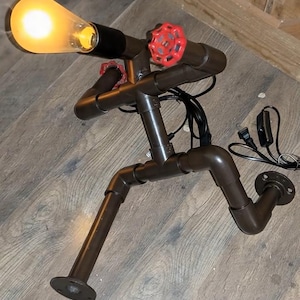
Are you looking to add a unique touch to your workspace? Making your own industrial desk lamp can do just that.
It’s not only a fun project but also a way to create a lamp that fits your style perfectly. Imagine having a sturdy, stylish lamp that you built yourself, lighting up your desk exactly how you want. In this guide, you’ll find simple steps and tips to help you craft an industrial desk lamp with ease.
Ready to bring a cool, personalized glow to your workspace? Let’s get started!
Materials Needed
Building an industrial desk lamp needs specific materials. The right parts and tools make the project smooth. Gather everything before starting to save time and avoid interruptions.
Choosing The Right Lamp Parts
- Metal pipe or conduit for the lamp arm
- Industrial-style lamp socket
- LED bulb with appropriate wattage
- Heavy base for stability, such as a metal plate or concrete block
- Power cord with switch
- Wire connectors and electrical tape
- Adjustable joints or pipe fittings for flexibility
- Spray paint or finish for a rustic look (optional)
Tools Required For Assembly
- Screwdriver set
- Wire stripper and cutter
- Drill with metal bits
- Adjustable wrench
- Measuring tape
- Electrical tester
- Safety gloves and goggles
- Sandpaper for smoothing edges
Designing Your Lamp
Designing your industrial desk lamp is where creativity meets function. This phase sets the tone for the entire project, influencing both how your lamp looks and how well it works. Careful planning here saves time and frustration later.
Selecting The Style And Size
Think about the space where your lamp will live. Do you want something bold and chunky or sleek and minimalist? The industrial style often features raw materials like metal and exposed hardware, but you can adjust the roughness to fit your taste.
Size matters. A lamp that’s too big can overwhelm your desk, while a tiny one might not provide enough light. Measure your workspace and consider the lamp’s height and arm reach to ensure it fits comfortably without blocking your view or workspace.
Try sketching a few designs on paper or using simple design software. This helps visualize proportions and spot any awkward angles early on. Have you checked if the style complements your desk and room decor?
Planning The Wiring Layout
Good wiring is the backbone of a safe, reliable lamp. Before you buy any electrical parts, map out where the cord, switch, and bulb socket will sit. Think about how the wiring will run through the lamp’s frame without being visible or getting in the way.
Decide if you want a simple on/off switch or a dimmer for adjustable brightness. Placement of the switch matters—it should be easy to reach without disrupting your workflow. Consider the power source location to avoid tangled cables or a stretched cord.
Sketch your wiring plan, marking all components clearly. This step can highlight potential problems, such as tight bends in the wire or difficult assembly points. Have you thought about how you’ll secure the wiring inside the metal parts to prevent wear over time?
Building The Base
Building the base of your industrial desk lamp sets the foundation for its stability and style. The base not only supports the lamp but also adds to its overall aesthetic appeal. You want it sturdy enough to hold the lamp steady, yet sleek enough to complement your workspace.
Preparing The Support Structure
Start by selecting a strong material for the support structure, such as metal pipes or a heavy wooden block. Make sure the material you choose can comfortably hold the weight of the lamp without tipping over. It’s a good idea to measure the space where you plan to place the lamp to ensure the base fits well.
Next, clean and smooth the surface of your support material to avoid any sharp edges. If you’re using metal pipes, check for rust or burrs and sand them down. Preparing this structure properly helps avoid accidents and gives a professional look to your lamp.
Assembling The Base Components
Gather your base components: the support structure, screws, washers, and any mounting hardware. Lay them out on a flat surface to visualize how they fit together. This preparation makes assembly quicker and avoids frustration.
Attach the support structure to a flat, heavy base—this could be a metal plate or a thick wooden board. Use screws and washers to secure everything firmly. Tighten each connection properly; a loose base can cause your lamp to wobble or fall.
Think about adding rubber feet or pads under the base to prevent slipping and protect your desk surface. These small details make a big difference in the final stability and durability of your lamp.

Credit: www.ebay.ca
Constructing The Lamp Arm
Create the lamp arm by cutting metal pipes to the desired length. Connect the pieces securely using screws or welding for a strong frame. Ensure the arm can hold the lamp head and allow easy adjustment.
Constructing the lamp arm is a crucial step in building an industrial desk lamp. This part of the lamp gives it a unique look and ensures stability. With the right tools and materials, crafting a sturdy and attractive lamp arm becomes achievable. Below, we delve into the details of cutting and shaping metal pipes and joining and securing parts.Cutting And Shaping Metal Pipes
Start by measuring the length you need for your lamp arm. Use a tape measure for accuracy. Mark the desired length on the metal pipe with a permanent marker. Secure the pipe in a vice to keep it steady. Use a hacksaw or a pipe cutter to cut the metal pipe. Ensure the cut is clean and even. Wear safety goggles to protect your eyes from metal shards. After cutting, file the edges to smooth them. This prevents injuries and gives a polished look. Bend the pipe gently if your design requires curves. Use a pipe bender for smooth bends. Double-check the measurements to ensure accuracy.Joining And Securing Parts
Lay out all the parts you need to join. Use connectors to attach pipes securely. Threaded connectors work well for metal pipes. Apply a small amount of metal adhesive on the threads. Twist the parts together tightly. Ensure all joints are flush and aligned. Use a wrench to tighten any loose connections. Consider welding if you want a permanent bond. Check for any wobbling or instability. Adjust as needed to make the arm sturdy. Make sure each part is secure before proceeding. This guarantees your lamp arm remains durable and safe for use.Installing The Electrical Components
Installing the electrical components is a key part of making your industrial desk lamp. It brings life to the design and makes the lamp functional. This process requires care and attention to safety. Using the right tools and parts ensures the lamp works well and lasts long.
Wiring The Lamp Socket
Start by preparing the lamp socket for wiring. Strip about half an inch of insulation from the wire ends. Connect the live (usually brown or black) wire to the brass screw on the socket. Attach the neutral wire (blue or white) to the silver screw. Tighten the screws firmly to hold the wires in place.
Check the wires for any loose strands. They can cause short circuits or sparks. Use electrical tape to cover exposed wire parts. This step protects and prevents accidental contact. Make sure the socket fits securely into the lamp holder.
Adding A Switch And Plug
Choose a switch that matches your lamp’s style and voltage. Cut the live wire between the power source and the socket. Strip the ends and connect them to the switch terminals. Secure the connections with screws or clamps.
For the plug, strip the wire ends and connect them to the correct terminals: live to live, neutral to neutral, and ground to ground. Use a plug with a fuse for safety. Tighten all connections well and check for any loose wires.
Test the switch by turning the lamp on and off. This confirms the wiring is correct. Always unplug the lamp before working on electrical parts. Safety first.
Finishing Touches
The finishing touches bring your industrial desk lamp to life. This phase makes the lamp safe, sturdy, and visually appealing. Careful attention ensures a smooth surface and a unique look.
Sanding And Painting
Sanding smooths rough edges and removes splinters from the wood or metal parts. Use fine-grit sandpaper for a clean finish. Sand evenly for a professional look.
Painting protects the lamp and adds style. Choose paint that matches the industrial theme, like matte black or metallic tones. Apply thin, even coats and let each dry completely before adding another.
Adding Decorative Elements
Decorative parts give personality to your lamp. Consider vintage bulbs, metal accents, or leather straps. These small details enhance the industrial charm.
Use screws or strong glue to attach decorations securely. Avoid clutter to keep the design clean and balanced. Simple touches often have the biggest impact.
Safety Tips
Safety is the top priority when making an industrial desk lamp. Proper care prevents accidents and ensures a long-lasting lamp. Understanding key safety tips protects you and your workspace.
Handling Electrical Parts
Turn off power before starting any electrical work. Use insulated tools to avoid shocks. Check wires for damage and replace any frayed cords. Connect wires securely to prevent loose connections. Avoid overloading sockets to reduce fire risk. Test the lamp with a safe power source first.
Ensuring Stability And Durability
Choose sturdy materials for the lamp base and arm. Secure all joints tightly to avoid wobbling. Use non-slip pads under the base for extra grip. Balance the lamp to prevent tipping over. Inspect screws and bolts regularly and tighten if needed. Proper stability keeps your lamp safe to use daily.
Credit: www.etsy.com
Customization Ideas
Customizing your industrial desk lamp allows you to create a piece that truly fits your style and needs. Whether you want to experiment with materials or add modern technology, there are plenty of ways to make the lamp uniquely yours. Think about what fits your workspace and daily habits best.
Using Different Materials
Choosing materials for your lamp can dramatically change its look and feel. Metal is the classic choice, offering durability and that authentic industrial vibe. But you can also mix in wood for warmth or use glass to add an elegant touch.
Try using reclaimed pipes for the lamp’s body if you want a rugged, eco-friendly design. Copper tubing adds a rich color and ages beautifully over time. You might even combine concrete for the base with steel arms to balance toughness and style.
- Mix metal and wood for contrast
- Use matte or glossy finishes to adjust the lamp’s mood
- Experiment with colored wires or bulbs for a pop of personality
What materials do you have around your home that could inspire your lamp design?
Incorporating Smart Features
Adding smart technology can turn your industrial desk lamp into a highly functional tool. Consider installing a dimmer switch that you can control with your phone or voice commands. This lets you adjust lighting without interrupting your workflow.
You can also add USB ports or wireless charging pads to the base, making it easier to charge devices right at your desk. Some smart bulbs offer color-changing options, which can help improve your mood or focus throughout the day.
- Voice control compatibility with assistants like Alexa or Google
- App-controlled brightness and color temperature settings
- Energy-saving timers and schedules to avoid wasting power
How could smart features improve your daily productivity or comfort while working?

Credit: www.amazon.com
Frequently Asked Questions
What Materials Are Needed To Make An Industrial Desk Lamp?
You need metal pipes, a lamp socket, wiring, a bulb, and a sturdy base. Tools like a drill and screwdriver help assemble parts. These materials create a durable, authentic industrial look for your desk lamp.
How Do I Wire An Industrial Desk Lamp Safely?
Turn off power before wiring. Connect the lamp socket wires to the power cord wires securely. Use electrical tape or wire nuts to cover connections. Testing the lamp before final assembly ensures safety and functionality.
Can I Customize The Lamp’s Height And Angle?
Yes, using adjustable metal joints or swivel arms allows height and angle customization. This flexibility enhances light direction and desk space usage. Choose strong joints to maintain stability and durability in your industrial desk lamp.
What Type Of Bulb Works Best For Industrial Lamps?
LED bulbs are energy-efficient and long-lasting, ideal for industrial lamps. Choose bulbs with warm white light for a cozy atmosphere or bright white for task lighting. Ensure the bulb fits the lamp socket size and wattage requirements.
Conclusion
Building an industrial desk lamp brings style and function together. You create a unique piece for your workspace. Simple tools and parts make the process easy and fun. This project adds a personal touch to any room. Enjoy the warm light and sturdy design you made.
Try customizing colors or materials to fit your taste. Crafting your own lamp saves money and feels rewarding. Start your project today and brighten your desk with pride.



