
Looking for a cozy, stylish addition to your living space that you can make yourself? An ottoman pouf floor pillow is the perfect choice.
It’s comfortable, versatile, and adds a personal touch to any room. Imagine sinking into a soft, cushioned pouf after a long day or having an extra seat ready whenever guests arrive. In this guide, you’ll discover simple steps to create your own ottoman pouf floor pillow—no fancy tools or skills needed.
Ready to transform your space and enjoy a new favorite spot? Let’s get started!
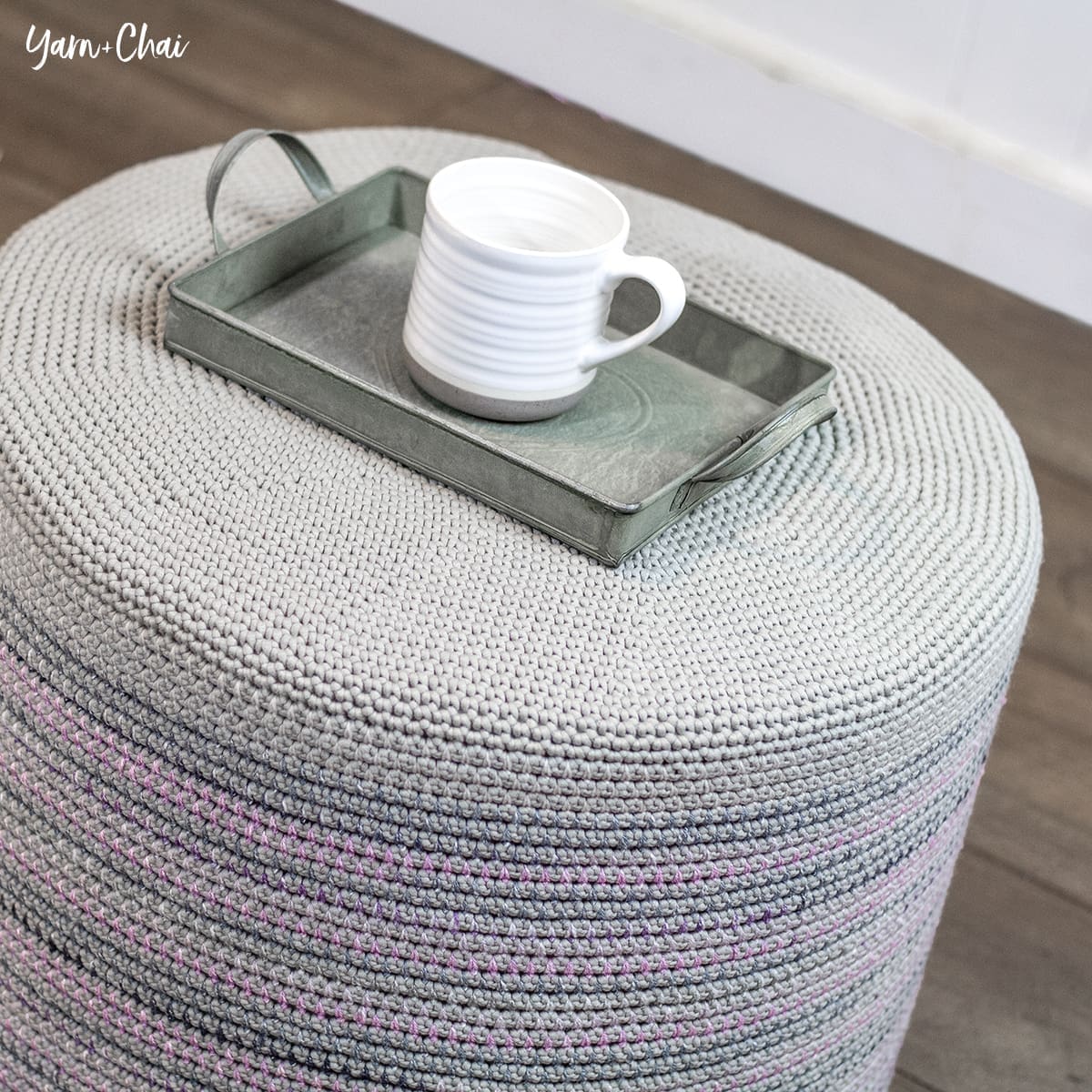
Credit: yarnandchai.com
Materials Needed
Gathering the right materials sets the foundation for making a beautiful ottoman pouf floor pillow. Choosing quality supplies not only affects the look but also the durability and comfort of your pouf. Let’s look at the essential items you’ll need to create your own cozy and stylish floor cushion.
Fabric Choices
Your fabric choice influences the style and feel of your pouf. Thick, durable fabrics like canvas, denim, or upholstery fabric work well to withstand daily use. Soft materials such as cotton or linen add comfort but may need reinforcement for longevity.
Consider patterns and colors that match your room’s decor. Would you prefer a bold print to make a statement or a neutral tone for versatility? Remember, the fabric should be easy to clean since floor pillows often collect dust and dirt.
Filling Options
The filling determines how firm or soft your pouf will be. Polyfill stuffing is lightweight and fluffy, perfect if you want a soft pillow that’s easy to move around. For a firmer pouf, try using recycled foam pieces or a mixture of foam and polyfill.
Another option is using old clothes or fabric scraps for an eco-friendly approach. Have you thought about how you’ll use your pouf? If it’s for sitting, you might want firmer filling; if it’s just for decoration, softer filling could work better.
Tools Required
- Sewing machine:Speeds up the sewing process and gives strong seams.
- Scissors:Sharp fabric scissors make cutting easier and cleaner.
- Measuring tape:Helps you get accurate dimensions for your fabric pieces.
- Pins or clips:Hold fabric layers together while sewing.
- Needle and thread:For hand stitching any small areas or finishing touches.
- Zipper or button (optional):If you want a removable cover for washing.
Having the right tools at hand keeps your project smooth and frustration-free. Do you have all these tools ready, or will you need to pick up a few before starting?
Preparing The Fabric
Preparing the fabric is a crucial part of making an ottoman pouf floor pillow. It sets the foundation for a smooth sewing process and ensures your final product looks polished. Taking the time to measure and cut accurately will save you headaches later.
Measuring And Cutting
Start by laying your fabric flat on a clean surface. Use a measuring tape or ruler to mark the dimensions needed for your pouf pieces. Remember, the size depends on your desired pouf shape—common shapes include round, square, or hexagonal.
Use sharp fabric scissors or a rotary cutter for clean edges. Avoid cutting too quickly; steady, precise cuts prevent jagged edges that can fray. If you’re working with patterned fabric, align the pattern carefully before cutting to keep designs consistent.
Marking Seam Allowances
Seam allowances are the extra space between your fabric edge and where the stitching will go. Mark these allowances clearly with tailor’s chalk or a fabric marker. A common seam allowance size is ½ inch, but double-check your pattern or instructions.
Marking seam allowances ensures your pieces fit together correctly when sewn. It also prevents accidental cutting into the stitching line, which can weaken your pouf. Do you usually skip this step? Try marking seam allowances next time—you might find your sewing projects turn out neater and more durable.
Sewing The Ottoman Pouf
Cut fabric pieces carefully and sew them together to form the pouf shape. Use strong stitches to ensure durability and neat edges. Fill the pouf with soft stuffing for a comfy floor pillow.
Sewing the Ottoman Pouf is an exciting part of this DIY journey. It requires attention to detail and a bit of patience. With some basic sewing skills, you can create a comfortable and stylish piece for your home. Let’s dive into the steps to make your own Ottoman Pouf.Stitching The Sides
Begin by cutting the fabric into long strips. These will form the sides of your pouf. Ensure each strip is of equal width and length. Place the fabric pieces right sides together. Pin them securely along the edges to hold them in place. Use a sewing machine to stitch along these edges. Keep the seam allowance consistent throughout. This will ensure a neat finish. Remove the pins as you go along. Press the seams open with an iron for a crisp edge.Creating The Top And Bottom Panels
Cut two circles from your fabric for the top and bottom. Make sure they are the same size. Pin one circle to the top edge of the pouf sides. Sew around the edge, keeping the fabric taut. Repeat the process for the bottom circle. Leave a small gap in the bottom seam for stuffing. Turn the pouf right side out through this gap. Gently press the edges with an iron. This completes your pouf structure, ready for stuffing.Assembling The Pouf
Assembling your ottoman pouf floor pillow is where your project starts to take shape. This part requires patience and precision, but it’s also where you see your work come alive. Handling the pieces with care ensures a clean, professional look and a comfortable, durable pouf.
Joining All Pieces
Start by aligning the fabric pieces carefully. Pin them together to avoid shifting while sewing. Use a strong, matching thread and a sturdy stitch like a backstitch or zigzag to keep seams secure.
Take your time sewing along the edges, leaving the seams tight and even. Don’t rush—uneven seams can cause lumps or weak spots in your pouf. Remember, neat stitching means your pouf will hold up better over time.
Leaving An Opening For Filling
Before you finish sewing all around, leave a gap of about 6 to 8 inches. This opening is essential for stuffing the pouf later. Make sure this part is easy to access but positioned where it won’t be obvious once closed.
Think about the best spot for this opening—often a side seam works well. Leaving it too small can make filling frustrating, while too large might affect the pouf’s shape. You’ll thank yourself for choosing the right size when you start filling.
Filling The Pouf
Filling your ottoman pouf floor pillow is a critical step that defines its comfort, shape, and durability. The choice of filling affects not only how soft or firm your pouf feels but also how well it holds up over time. Let’s look at how to pick the best filling and how to stuff your pouf effectively to get that perfect balance.
Choosing The Right Filling
Think about how you want to use your pouf. Should it be firm enough to double as a seat or soft enough to use as a cozy footrest? Your filling choice will depend on this.
- Polyester Fiberfill:Lightweight, affordable, and easy to work with. It’s fluffy but can compress over time, so you might need to add more later.
- Foam Pieces:Provide firm support and keep the shape well. However, they can be heavier and less breathable.
- Old Clothes or Fabric Scraps:Eco-friendly and budget-friendly. This option can give your pouf a unique, dense feel but may lack uniformity.
- Bean Bag Pellets or Beads:Offer a flexible, moldable filling. Ideal if you want your pouf to contour to your body, but they can shift inside the cover.
What’s your priority—comfort, support, or sustainability? That question will guide your filling choice.
Stuffing Techniques
How you stuff the pouf impacts its shape and comfort just as much as the filling type. A well-stuffed pouf looks inviting and lasts longer.
- Fill in Layers:Add filling gradually in small amounts. This helps you control the firmness and avoid lumps.
- Use a Funnel or Pillowcase:If you’re working with small beads or fiberfill, a funnel or a pillowcase can make stuffing cleaner and easier.
- Compress and Adjust:Periodically press down on the filling to settle it. This reveals spots that need more stuffing.
- Leave Some Flexibility:Don’t overstuff. A little give keeps the pouf comfortable and prevents seams from bursting.
Have you noticed how a poorly stuffed pillow loses its charm quickly? Taking your time with stuffing ensures your pouf stays inviting and functional.
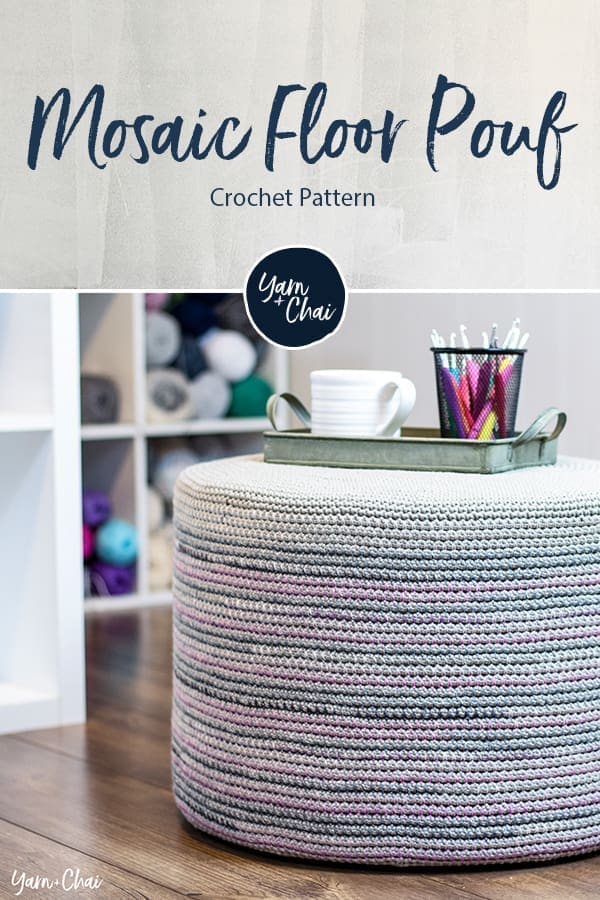
Credit: yarnandchai.com
Finishing Touches
The final phase of making your ottoman pouf floor pillow is all about neatness and style. Finishing touches give your project a polished look. These steps ensure durability and charm. Take your time to perfect every detail.
Closing The Opening
After stuffing the pouf, close the open seam carefully. Use a strong needle and matching thread. A ladder stitch works best for an invisible finish. Pull the thread tight to keep the stuffing inside. Knot the thread securely to avoid unraveling. Trim any excess thread for a clean edge.
Adding Decorative Details
Decorations make your pouf unique and inviting. Sew on buttons or tassels at the center or corners for extra flair. Use fabric paint or embroidery to create patterns or designs. Attach a fabric handle for easy moving. Consider adding piping along the edges for a professional look. Choose colors and styles that match your room decor.
Care And Maintenance
Taking care of your ottoman pouf floor pillow is essential to keep it looking fresh and inviting. Regular maintenance not only preserves its appearance but also enhances its comfort. You might be surprised how simple daily habits can prevent damage and extend the life of your pouf.
Cleaning Tips
Start by checking the care label on your pouf. Many covers are machine washable, but some require spot cleaning only. Use a mild detergent and cold water to avoid fading or shrinking the fabric.
For spot cleaning, gently blot stains with a damp cloth and a small amount of soap. Avoid rubbing, as it can spread the stain or damage the fibers. If your pouf has a removable cover, unzip it and wash separately to keep the filling dry.
Regular vacuuming helps remove dust and dirt. Use a handheld vacuum or upholstery attachment to clean the surface and seams. This simple step can make a big difference in maintaining the fabric’s texture and color.
Extending Longevity
Rotate your pouf regularly to distribute wear evenly. This is especially important if you use it as a footrest or extra seating. Changing its position prevents one side from becoming flat or discolored.
Keep your pouf away from direct sunlight to avoid fading. Sunlight can weaken the fabric fibers over time. Consider placing it in shaded areas or using window treatments to protect it.
Think about the filling material too. Fluff your pouf often to maintain its shape and comfort. If the stuffing starts to feel flat, add more filling or replace it to keep your pouf plush and supportive.
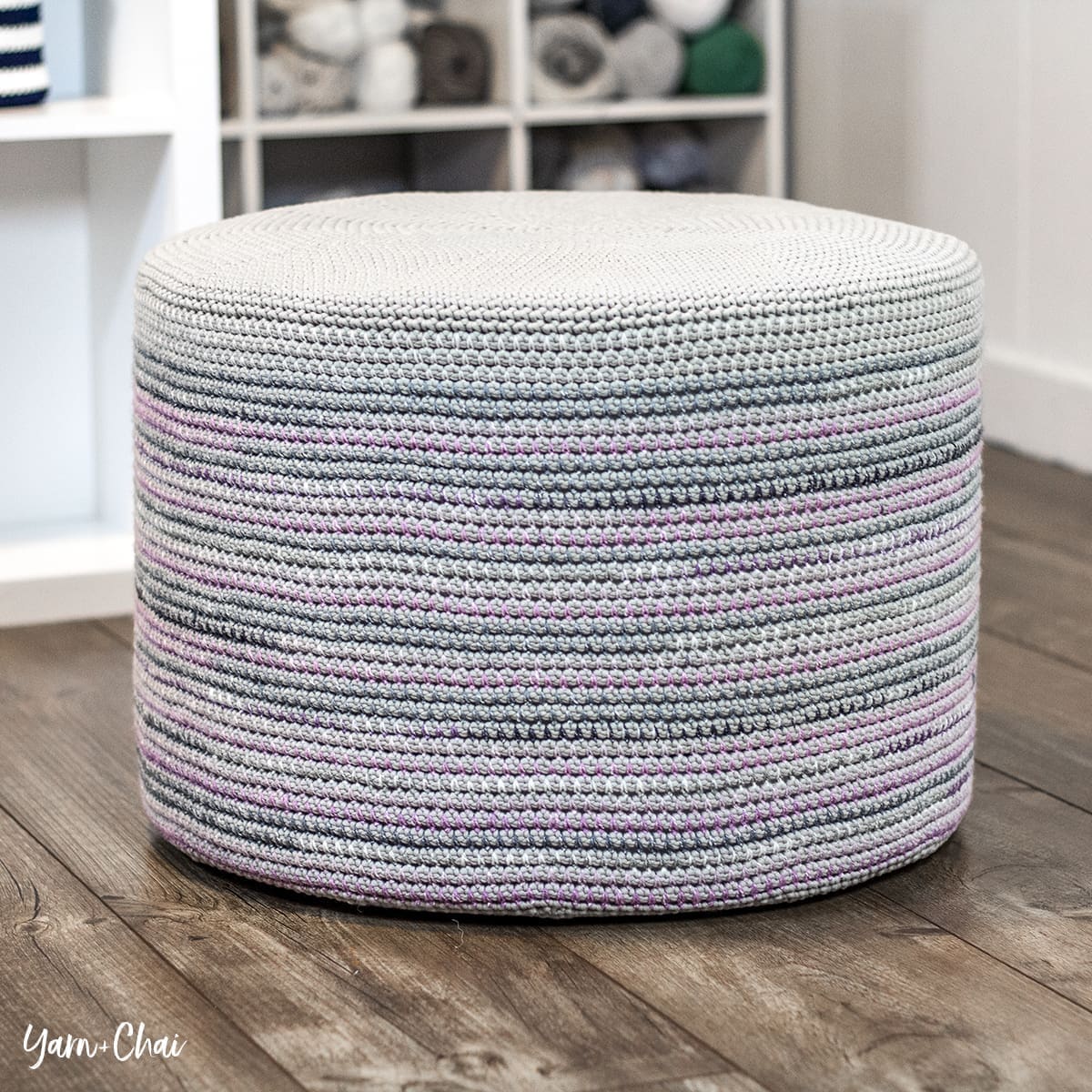
Credit: yarnandchai.com
Frequently Asked Questions
What Materials Are Needed To Make An Ottoman Pouf?
To make an Ottoman pouf, you need fabric, stuffing, sewing thread, a zipper, and a sewing machine. Choose sturdy fabric like canvas or upholstery material for durability. Use foam or polyester filling for comfort and shape. A zipper allows easy removal of the cover for cleaning.
How Do You Sew The Ottoman Pouf Cover?
Cut fabric pieces according to the pouf size. Sew the sides together inside out, leaving one side open. Attach the zipper to the open edge for easy access. Turn the cover right side out before inserting stuffing or foam. Ensure seams are strong for durability.
What Stuffing Works Best For An Ottoman Pouf?
High-density foam or polyester fiberfill are best stuffing options. Foam gives firm support and keeps shape longer. Polyester fiberfill offers softness and fluffiness but may need regular fluffing. Mixing both can balance comfort and structure. Avoid using low-quality stuffing that flattens quickly.
Can I Customize The Ottoman Pouf Design?
Yes, you can customize the pouf with different fabrics, colors, and patterns. Add decorative trims or buttons for a unique look. Choose fabric that matches your home décor. Personalize size and shape according to your space and needs. Customization makes your pouf stylish and functional.
Conclusion
Making an ottoman pouf floor pillow is fun and simple. It adds comfort and style to any room. You only need basic materials and a bit of time. This project lets you create a cozy spot for sitting or resting.
Plus, you can choose colors and fabrics that match your space. Try making one to enjoy a unique, handmade piece. Your home will feel warmer and more inviting with this small addition. Give it a try and see how easy it can be!



