
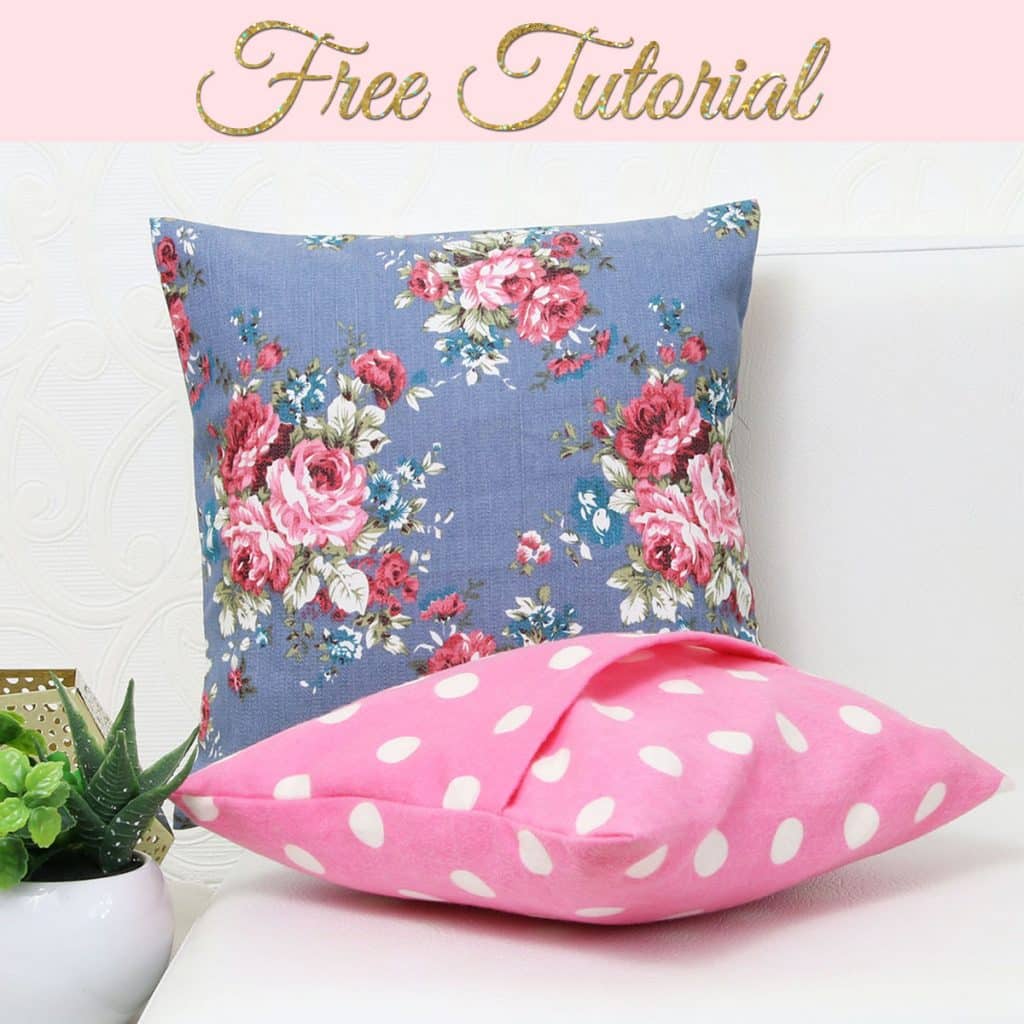
Are you ready to give your living space a fresh, personal touch without spending a fortune? Making your own decorative pillow covers is easier than you think—and it’s a fun way to express your style.
Imagine transforming plain pillows into eye-catching accents that brighten up your room instantly. In this guide, you’ll discover simple steps and creative ideas to craft beautiful pillow covers that fit your taste perfectly. Keep reading, and by the end, you’ll have the confidence to create cozy, stylish pillows that everyone will admire.

Credit: www.youtube.com
Choosing Fabric
Choosing the right fabric is key to making beautiful decorative pillow covers. The fabric affects the look, feel, and durability of your pillows. Consider the material, pattern, and color carefully to match your style and space. Picking the perfect fabric helps create cozy, stylish pillow covers that last.
Best Materials For Pillow Covers
- Cotton:Soft, breathable, and easy to clean.
- Linen:Lightweight with a natural texture. Great for summer.
- Velvet:Luxurious and soft, perfect for a rich look.
- Canvas:Durable and strong. Ideal for outdoor pillows.
- Polyester:Affordable, wrinkle-resistant, and easy to maintain.
Patterns And Colors To Consider
Choose patterns that suit your room’s style. Stripes and florals add charm. Geometric shapes give a modern touch. Solid colors work well for a simple look.
Pick colors that match or contrast your furniture. Light colors brighten the space. Dark shades add warmth and depth.
Where To Buy Fabric
- Local fabric stores offer many choices and advice.
- Online shops provide a wide range of styles and prices.
- Craft stores often have fabrics suitable for beginners.
- Thrift stores can be great for finding unique, affordable materials.

Credit: www.youtube.com
Tools And Supplies
Making decorative pillow covers requires specific tools and supplies. These items help you create neat, durable, and attractive covers. Gathering the right materials saves time and improves your sewing experience.
Start with basic sewing tools for cutting and stitching fabric. Then, choose optional accessories to decorate your pillow covers. These extras add style and personality to your designs.
Essential Sewing Tools
- Sewing machine – for fast, even stitches
- Fabric scissors – sharp blades for clean cuts
- Measuring tape or ruler – to measure fabric accurately
- Pins or clips – to hold fabric pieces together
- Needles – for hand sewing or machine use
- Thread – matching or contrasting colors
- Seam ripper – to fix mistakes easily
- Iron and ironing board – for pressing seams flat
Optional Accessories For Decoration
- Buttons – add texture and charm
- Ribbons or lace – for a delicate touch
- Fabric paint or markers – create custom designs
- Appliques or patches – add patterns or images
- Trim or tassels – enhance edges and corners
- Zippers or velcro – for easy pillow insert removal
- Beads or sequins – add sparkle and detail
Measuring And Cutting
Measure your fabric carefully to fit the pillow size plus extra for seams. Cut straight lines using sharp scissors for clean edges. Accurate measuring and cutting ensure a perfect pillow cover fit.
Creating decorative pillow covers can be a fun project. The first step involves measuring and cutting the fabric. This part is crucial for a good fit. Accuracy is important here. Let’s explore how to measure and cut fabric for perfect pillow covers.How To Measure Your Pillow
Begin by measuring the pillow’s width and height. Use a tape measure for accuracy. Measure from seam to seam. Write down the measurements. Add an inch to each side for seam allowances. This gives extra fabric to sew the edges.Cutting Fabric Accurately
Lay your fabric on a flat surface. Use a ruler to mark the dimensions. Ensure the fabric is smooth with no wrinkles. Use fabric chalk or a pencil for marking. Once marked, cut along the lines with sharp scissors. Cut carefully to ensure straight edges. This makes sewing easier later on.Sewing Basics
Sewing basics form the foundation of crafting beautiful decorative pillow covers. Understanding simple stitches and tools helps create neat, durable results. These skills build confidence for more complex projects.
Simple Stitching Techniques
Basic stitches include running stitch, backstitch, and slip stitch. Running stitch is easy and quick for seams. Backstitch creates strong, secure seams. Slip stitch hides stitches for closing pillow openings.
- Running Stitch:Small, even stitches in a straight line.
- Backstitch:Stitches overlap to form a solid seam.
- Slip Stitch:Invisible stitch used to close edges.
Practice these stitches on scrap fabric to improve control and consistency. Keeping stitches even makes the pillow cover look professional.
Using A Sewing Machine Vs. Hand Sewing
Sewing machines speed up the process and create even stitches. They work well for straight seams and large projects. Machines require basic knowledge of threading and tension adjustment.
Hand sewing offers more control for small details and corners. It is perfect for delicate fabrics or finishing touches. Hand sewing needs patience but allows careful stitch placement.
| Aspect | Sewing Machine | Hand Sewing |
|---|---|---|
| Speed | Fast | Slow |
| Control | Good for straight lines | Excellent for details |
| Ease of Use | Requires practice | Simple to start |
| Best For | Large projects, seams | Small areas, finishing |
Choosing between machine and hand sewing depends on your project and comfort. Both methods create beautiful pillow covers with practice.
Adding Closures
Adding closures to your decorative pillow covers is an important step that combines both functionality and style. The right closure keeps your pillow insert secure while allowing easy removal for washing or swapping designs. Choosing the best closure depends on your sewing skills, the look you want, and how often you plan to change the cover.
Zippers And Buttons
Zippers offer a clean, modern look and keep the pillow insert firmly inside. You can sew in an invisible zipper for a seamless finish or use a regular zipper if you want it to be a design feature. Zippers work well for pillows that get frequent use because they allow quick removal and reinsertion.
Buttons provide a charming, handmade feel and are easier to sew than zippers. You can use large buttons as a bold accent or smaller ones for a subtle detail. Make sure to space the buttonholes evenly so the pillow cover closes neatly without gaps.
Envelope Style Closure
The envelope closure is a simple and no-fuss option that requires no extra hardware. Overlapping fabric panels on the back create an opening where you slide the pillow insert in and out. This style is perfect if you want a quick project with a clean finish and easy washing.
Think about the type of fabric you’re using; thicker fabrics hold the envelope shape better, while lighter fabrics may need a bit of interfacing. Have you tried an envelope closure before? It’s a great choice if you want to avoid zippers or buttons but still want your pillow cover to look polished.
Decorative Touches
Decorative touches bring life and personality to pillow covers. They turn simple fabric into eye-catching accents. Small details create big style impacts. These touches let you customize your space easily. Choose embellishments that reflect your taste and room decor.
Appliques And Embroidery
Appliques are fabric shapes sewn onto pillow covers. They add texture and color without much effort. Use floral, geometric, or abstract designs for variety. Embroidery offers a handcrafted look with detailed stitching. Simple patterns or initials create a personal touch. Both techniques make your pillows unique and artistic.
Adding Tassels Or Pom-poms
Tassels and pom-poms bring a playful and cozy feel. Attach them to the corners for a fun finish. Choose colors that complement or contrast your pillow fabric. These additions add movement and softness. They work well with casual and boho styles. Easy to make or buy, tassels and pom-poms refresh your pillow’s look quickly.
Care And Maintenance
Proper care and maintenance keep your decorative pillow covers fresh and lasting. Clean covers brighten any room and protect your sewing work. Stains and dirt reduce their appeal quickly. Follow simple steps to keep them soft and vibrant for longer.
Washing Tips For Pillow Covers
- Check the fabric label for washing instructions.
- Use cold water to prevent shrinking and color fading.
- Choose a gentle cycle on your washing machine.
- Use mild detergent without bleach or harsh chemicals.
- Turn covers inside out to protect designs and embellishments.
- Air dry covers flat or hang them in shade to avoid damage.
- Iron on low heat if the fabric allows.
Storage Suggestions
- Store covers in a cool, dry place away from sunlight.
- Keep them folded neatly to avoid wrinkles and creases.
- Use breathable fabric bags instead of plastic to prevent moisture.
- Add lavender sachets or cedar blocks to keep pests away.
- Wash covers before storing for a long time to remove dirt.
- Rotate pillow covers regularly to reduce wear and tear.

Credit: m.youtube.com
Frequently Asked Questions
What Materials Are Best For Decorative Pillow Covers?
Cotton, linen, and velvet are popular materials for pillow covers. They are durable, comfortable, and easy to clean. Choose fabric based on your room’s decor and usage needs for the best look and feel.
How Do I Measure Pillows For Covers?
Measure the pillow’s width and height precisely. Add about one inch extra for ease. This ensures the cover fits snugly without being too tight or loose.
Can I Use A Sewing Machine To Make Pillow Covers?
Yes, a sewing machine speeds up the process and ensures strong seams. Use a straight stitch for durability and a zipper foot for closures. It’s ideal for beginners and pros alike.
How Do I Add Decorative Elements To Pillow Covers?
You can add buttons, embroidery, or appliques for a unique look. Fabric paint and stencils also work well. These details personalize your pillow covers and enhance room aesthetics.
Conclusion
Making decorative pillow covers is simple and fun. You can choose colors and fabrics you like. Sewing them by hand or machine works well. These covers brighten any room quickly. Try different styles to match your space. Changing covers often keeps your home fresh.
Enjoy creating something unique for yourself or gifts. Start today and see how easy it is. Your room will look cozy and new. Decorative pillow covers bring warmth and charm everywhere.



