
Looking to add a cozy and stylish touch to your space without spending hours or using complicated tools? You’re in the right place.
Making an easy pouf with no sewing required is simpler than you might think. Imagine creating a comfy seat or footrest that fits perfectly in your room—all without a needle, thread, or expensive equipment. In this guide, you’ll discover step-by-step how to turn simple materials into a beautiful pouf that you’ll be proud to show off.
Ready to transform your home effortlessly? Keep reading to unlock the secrets of no-sew pouf making!
Credit: diyjoy.com
Materials Needed
Getting your materials ready is the first step toward making a no-sew pouf that looks great and lasts long. Choosing the right fabric, filling, and tools can make your project easier and more enjoyable. Let’s break down what you’ll need to gather before you start.
Fabric Choices
Pick a fabric that fits your room’s style and your comfort needs. Thick cotton, canvas, or upholstery fabric works well because they are durable and hold shape. If you want a cozy feel, consider fleece or faux fur, but remember these may stretch or shed over time.
Think about colors and patterns that match your existing decor. Do you want a bold statement piece or something subtle? Your fabric choice sets the tone for your pouf.
Filling Options
The filling decides how firm or soft your pouf will be. Polyfill stuffing is light and easy to mold, perfect if you want a plush pouf. Old clothes, fabric scraps, or foam pieces can be budget-friendly and eco-friendly alternatives.
Have you thought about how much weight your pouf needs to support? Denser fillings like foam beads or shredded memory foam offer better support for sitting. Your filling choice impacts comfort and durability.
Tools Required
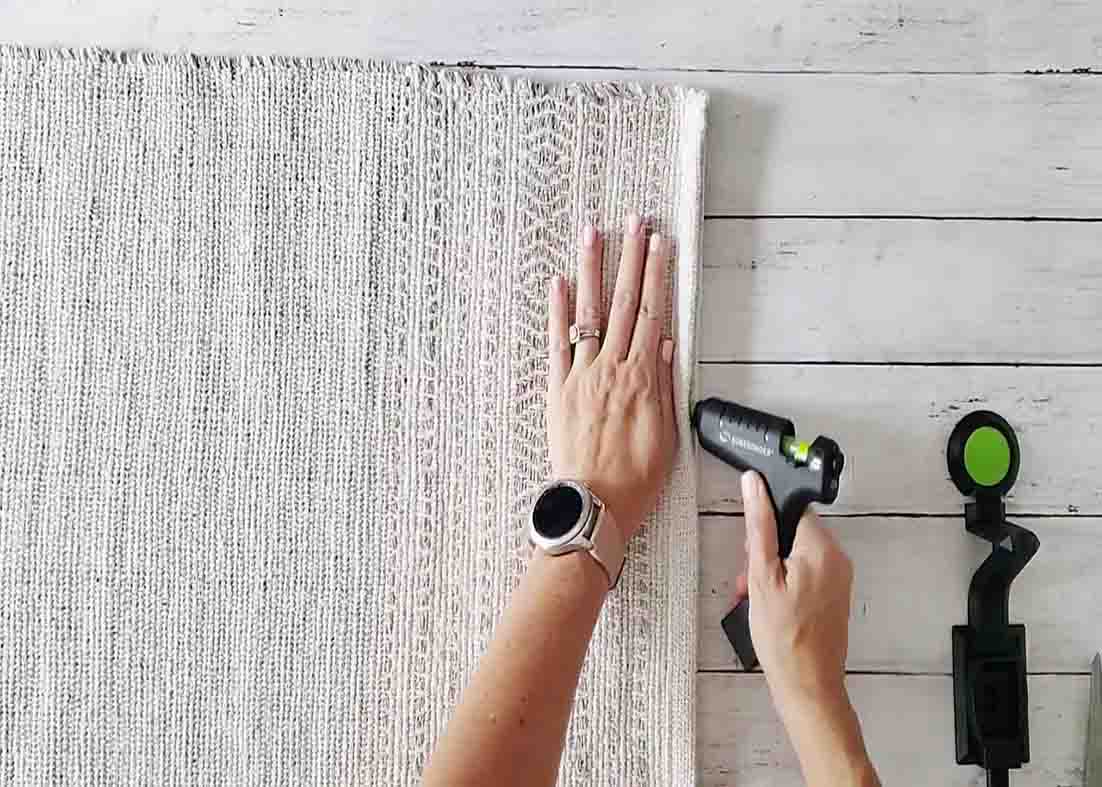
Since this is a no-sew project, you won’t need needles or thread. Instead, strong fabric glue or double-sided tape are must-haves for assembling your pouf. Scissors are essential for cutting fabric to the right size.
To keep your edges neat, fabric clips or binder clips can hold pieces together while the glue dries. Do you have a ruler or measuring tape? Precise measurements make your pouf look professional and fit your space perfectly.
Credit: diyjoy.com
Preparing The Fabric
Preparing the fabric is the first important step in making an easy pouf without sewing. Choosing the right fabric and cutting it properly makes the process smooth. This stage ensures the pouf looks neat and holds its shape well.
Use fabric that feels strong and soft. Cotton, fleece, or thick jersey work well. Avoid slippery or thin fabrics as they may tear easily. Wash and dry the fabric before cutting to prevent shrinkage later.
Measuring And Cutting
Start by measuring the size of your pouf. Decide how big and tall you want it. Use a tape measure or ruler for accuracy.
Mark the fabric with a fabric chalk or a pencil. Draw clear lines for cutting. Cut the fabric using sharp scissors or a rotary cutter. Try to keep the edges straight and smooth.
Creating Fabric Strips
Cut the fabric into strips for tying and shaping the pouf. The strips should be about 1 to 2 inches wide and long enough to tie around the pouf comfortably.
Make sure the strips have even widths. Uneven strips can make the pouf look messy. Fold the fabric and cut multiple strips at once to save time.
Assembling The Pouf
Gather fabric pieces and stuffing to shape the pouf without sewing. Secure edges using fabric glue or strong tape for a neat finish. Fill the pouf firmly to keep its shape and comfort.
Assembling your pouf is where the magic truly begins. It’s like piecing together a personalized puzzle, where each strip you knot contributes to the final cozy masterpiece. This part of the process is often where creativity meets practicality, and you get to see your fabric transform into something beautiful and useful. Are you ready to dive in and see your work come to life?Knotting The Strips
Start by gathering all your fabric strips. Make sure they are of similar length to ensure a uniform look. Take two strips and tie them together with a simple knot. Pull them tight enough to stay secure but not too tight that they distort the fabric. Continue knotting additional strips to these, creating a chain-like effect. This method provides a sturdy base for your pouf and is surprisingly therapeutic. Do you have a favorite color pattern in mind? Feel free to mix and match fabrics to create a unique design that speaks to your style.Forming The Pouf Shape
Once your fabric strips are knotted, it’s time to shape them into a pouf. Lay the knotted strips on a flat surface and start coiling them into a circle. As you coil, tuck the loose ends under the knots to create a smooth surface. This helps in forming a rounded pouf shape without any sewing involved. Feel free to adjust the fabric as needed to achieve the desired height and firmness. Remember, the tighter the coil, the sturdier your pouf will be. You might find it helpful to occasionally stand up and view your pouf from different angles. This ensures you’re happy with its shape and balance. What’s your favorite part of the assembling process? Is it seeing each knot come together, or the satisfaction of shaping the final product?Adding The Filling
Adding the filling to your no-sew pouf is where your creation truly begins to take shape. The right filling not only gives your pouf comfort and support but also affects its durability and look. Let’s dive into how to pick the best filling and how to stuff it effectively for a perfect finish.
Choosing The Right Filling
Your choice of filling impacts both the feel and function of your pouf. Lightweight options like polyester fiberfill offer softness and easy shaping, ideal if you want a plush, squishy pouf.
If you prefer a firmer pouf, consider using foam pieces or shredded memory foam, which hold shape well and provide good support. Another budget-friendly choice is old clothes or fabric scraps, which add weight and firmness but might need extra care for even distribution.
Think about where you’ll use the pouf. Will it be a footrest, extra seating, or just a decorative piece? This helps you decide whether softness or sturdiness is more important.
Stuffing Techniques
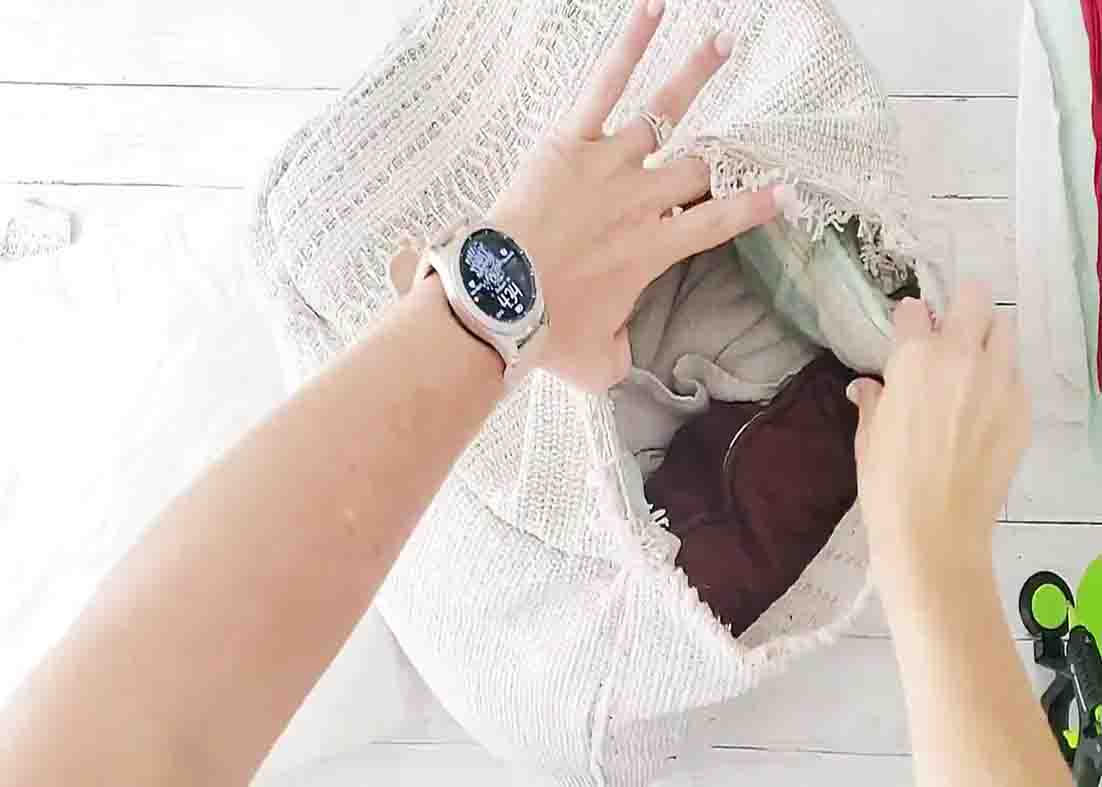
Stuffing your pouf evenly is key to avoiding lumps and maintaining its shape over time. Start by filling the bottom first and press the filling down firmly to create a solid base.
Next, add filling gradually around the sides, pushing it into the corners. This step ensures your pouf keeps its round shape and doesn’t sag.
Use your hands to smooth out lumps and pack the filling tightly, but leave a little room so the pouf remains soft and comfortable. If you’re using loose materials like fabric scraps, shake and fluff the filling as you go to avoid clumps.
Have you ever noticed how uneven stuffing can turn a simple pouf into a lumpy mess? Taking the time to stuff carefully makes all the difference in the final look and comfort.
Finishing Touches
Finishing touches bring your pouf to life. They ensure durability and style. These small steps make your pouf neat and inviting. Spend time here to elevate your project.
Securing Loose Ends
Tuck all loose fabric edges inside the pouf. Use strong fabric glue for extra hold. Press edges firmly and hold for a minute. This prevents fraying and keeps your pouf tidy. Trim any visible threads carefully with scissors. Check all seams to ensure nothing is coming undone.
Styling Tips
Choose colors that match your room decor. Add a small throw or cushion on top. Place the pouf near a reading nook or coffee table. Use it as extra seating or a footrest. Keep the pouf clean by vacuuming fabric regularly. Rotate its position to avoid uneven wear. Simple changes make your pouf look fresh and welcoming.
Maintenance And Care
Maintaining your no-sew pouf is simple and keeps it looking fresh. Regular care helps extend its life and appearance. A few easy steps ensure your pouf stays clean and comfortable for daily use.
Handling small repairs quickly prevents bigger damage. Knowing how to clean and fix common issues saves time and effort.
Cleaning Tips
- Vacuum the pouf weekly to remove dust and dirt.
- Spot clean stains with a mild soap and water solution.
- Use a soft cloth to gently blot spills right away.
- Avoid harsh chemicals that can damage the fabric.
- Let the pouf air dry fully before use.
- For deeper cleaning, use a fabric-safe upholstery cleaner.
Repairing Common Issues
- Fix small tears by carefully gluing fabric edges together.
- Use fabric patches for larger holes to cover and strengthen.
- Re-stuff the pouf if it loses shape or feels flat.
- Check seams regularly and secure loose threads with fabric glue.
- Replace filler material to maintain comfort and support.
Creative Variations
Creative variations make your no-sew pouf unique and fun. They let you express your style and match your home decor. Experimenting with fabrics and decorations changes the look and feel of the pouf. Simple tweaks bring fresh charm without extra sewing work.
Using Different Fabrics
Choosing the right fabric changes the pouf’s texture and appearance. Soft cotton gives a cozy feel. Velvet adds a touch of luxury. Canvas offers durability for heavy use. Mixing fabrics creates interesting contrasts and depth.
- Pick bright colors for a lively room.
- Use patterned fabrics for visual interest.
- Try natural fibers for an earthy vibe.
- Combine smooth and rough textures for balance.
Layering fabrics can add volume and style. Cut strips from old clothes or curtains for a fresh look. The no-sew method works well with various fabric types, making it easy to customize.
Adding Decorative Elements
Decorations give your pouf personality. Glue or hot-fix embellishments without sewing. Think about small details to enhance the overall design.
- Attach tassels or pom-poms around edges.
- Use fabric paint to create patterns.
- Stick on buttons or beads for texture.
- Apply iron-on patches for fun designs.
These small touches transform a simple pouf into a stylish piece. Decorations also allow you to match the pouf with your room’s theme. They keep the project easy but eye-catching.
Credit: fallfordiy.com
Frequently Asked Questions
What Materials Are Needed For An Easy No-sew Pouf?
You need fabric, stuffing (like foam or old clothes), scissors, and a zipper or buttons. No sewing tools are required, making it beginner-friendly and quick to assemble.
How Long Does It Take To Make A No-sew Pouf?
Making a no-sew pouf usually takes 30 to 60 minutes. The time depends on fabric size and your crafting speed.
Can I Customize The Size Of My Pouf?
Yes, you can easily customize the pouf size by cutting larger or smaller fabric pieces. Adjust stuffing accordingly for desired firmness.
Is The No-sew Pouf Durable And Safe?
Yes, if tightly stuffed and securely fastened, no-sew poufs are durable and safe. Use quality fabric for longer-lasting results.
Conclusion
Creating a pouf without sewing is simple and fun. You only need a few materials and some patience. This project saves money and lets you add your style to any room. Plus, it does not require special skills or tools.
Try making your pouf today and enjoy a cozy, handmade touch in your home. Small steps can lead to great results. Give it a go and see how easy it really is!



