
Looking for a fun and cozy way to add style to your living space? You’re in the right place.
Making a floor pouf at home is easier than you think, and it’s a great way to create something unique just for you. Imagine having a soft, comfy spot to relax that matches your style perfectly. In this guide, you’ll discover simple steps and tips that anyone can follow, even if you’ve never sewn before.
Ready to turn your home into a cozy haven? Let’s get started!

Credit: modern-textiles.com
Materials Needed
Gathering the right materials is important for making a floor pouf at home. Using quality items ensures the pouf looks good and lasts long. The materials include fabric, filling, and tools. Each plays a key role in the final product.
Fabric Selection
Choose fabric that is strong and easy to clean. Cotton, canvas, or denim works well. Patterns or colors can match your room’s style. Pick a fabric that feels comfortable to touch. Consider thick fabric to hold shape better.
Filling Options
Filling gives the pouf its shape and comfort. Use foam beads, polyester stuffing, or old clothes. Foam beads offer good support and are lightweight. Polyester stuffing is soft and easy to mold. Old clothes or fabric scraps are eco-friendly and cheap.
Tools Required
- Measuring tape for accurate dimensions
- Scissors to cut fabric
- Needle and strong thread for sewing
- Sewing machine for faster stitching (optional)
- Pins to hold fabric in place
- Fabric chalk or marker for marking cuts
Choosing The Right Size
Choosing the right size for your floor pouf is important for both comfort and style. A pouf that is too big can clutter your space. A small pouf might not be useful or comfortable. Take time to find the perfect size that fits your room and your needs.
Measuring Space
Start by measuring the area where you want to place the pouf. Use a tape measure to check the floor space available. Note any furniture nearby to avoid crowding. Leave enough room for people to move around comfortably. Mark the dimensions on paper for easy reference.
Deciding Pouf Dimensions
Choose pouf dimensions that suit your space and use. Common pouf sizes range from 16 to 24 inches in diameter. Consider the height too; it should match or be slightly lower than chairs or sofas. Think about how many people will use the pouf at once. Pick a shape that fits your style and room layout.
Cutting The Fabric
Begin by laying your fabric flat on a clean surface. Carefully measure and cut the fabric pieces according to your pouf size. Precision in cutting ensures a neat and even pouf shape.
Cutting the fabric is a crucial step in making a floor pouf, and it can be surprisingly enjoyable if you approach it with a clear plan. This stage determines the ultimate shape and look of your pouf, so precision is key. Whether you’re using an old curtain or a new roll of fabric, paying attention to the details will ensure your pouf is both sturdy and stylish.Pattern Shapes
When deciding on pattern shapes, consider the design and size of your pouf. A common choice is a simple cube, but you can experiment with more intricate shapes like octagons or even a round pouf for a softer look. Make sure to measure your space to determine the right size for your pattern. Will it be a centerpiece or a cozy corner addition? Cut out paper templates for your chosen shapes. This helps visualize the final product and ensures your fabric pieces are consistent.Marking And Cutting Tips
Begin by laying your fabric flat on a large surface. Use tailor’s chalk or a fabric marker to trace your pattern onto the fabric. This will give you clear lines to follow and reduce the risk of mistakes. Sharp scissors or a rotary cutter can make a big difference in achieving clean edges. Dull tools can snag the fabric, leading to uneven cuts. Cut slowly and follow the lines closely. Precision here will save you headaches during the sewing phase. Remember to leave a small seam allowance around each piece. This extra fabric is crucial for sewing the pieces together securely. What are some creative patterns you’ve tried with your projects? A little experimentation can lead to a unique pouf that reflects your personal style!Sewing The Pouf
Sewing the pouf is where your project starts to take real shape. This part of the process turns fabric into a functional and stylish piece for your home. Whether you’re new to sewing or have some experience, focusing on solid stitching will make your pouf durable and neat.
Basic Stitching Techniques
Start with simple, straight stitches to join fabric pieces. Use a sewing machine if you have one—it speeds up the process and creates strong seams. If sewing by hand, keep your stitches even and tight to prevent gaps.
Backstitching at the beginning and end of each seam adds extra strength. Try practicing on scrap fabric first to get comfortable with the stitch length and tension. What kind of thread will you choose to match your fabric’s weight and color?
Creating Seams And Panels
Cut your fabric into panels based on your pouf’s shape—circular, square, or hexagonal. Pin the edges together before sewing to keep everything aligned. Sewing panels together carefully ensures your pouf looks smooth and professional.
Press seams open with an iron after stitching to reduce bulk. This step makes stuffing and closing the pouf easier later on. Have you thought about adding piping or decorative seams to give your pouf a unique touch?
Adding A Zipper Or Closure
Including a zipper or another closure lets you remove the cover for cleaning or change the filling. Choose a zipper that matches your fabric’s color and length—ideally the size of one seam. Sew the zipper in place with the fabric edges aligned to avoid puckering.
If you prefer a no-sew closure, buttons or ties can work well, but they may not hold stuffing as securely. Consider how often you’ll want to open the pouf when selecting your closure method. What closure do you think fits your lifestyle best?
Filling The Pouf
Filling your floor pouf is a crucial step that determines both its comfort and shape. Choosing the right filling material and packing it correctly will make your pouf inviting and durable. Let’s look at how to fill your pouf effectively to suit your needs.
Using Foam Or Fiberfill
Foam offers solid support and keeps your pouf’s shape well over time. You can use foam pieces or a foam insert cut to size for a neat finish. Fiberfill, on the other hand, gives a softer and fluffier feel, making your pouf more cushiony and relaxed.
Think about where you’ll use the pouf. Will it be a firm seat or a soft footrest? Choosing between foam and fiberfill depends on your comfort preference and the pouf’s purpose.
Stuffing For Firmness
How tightly you stuff your pouf affects its firmness. More filling means a sturdier pouf, but overstuffing can make it hard to close and uncomfortable. Less filling results in a softer pouf but might lose shape quickly.
I found that filling my pouf just enough to keep it plump but still soft gives the best balance. You can always add or remove filling later if it doesn’t feel right at first.
Securing The Filling
Once filled, securing the filling is essential to prevent shifting and maintain the pouf’s shape. Use a strong zipper or sew the opening tightly with durable thread. If you plan to wash the cover, consider using a removable liner or stuffing bag inside.
Have you thought about how your pouf will hold up with regular use? Securing the filling properly ensures your pouf stays comfy and looks great over time.
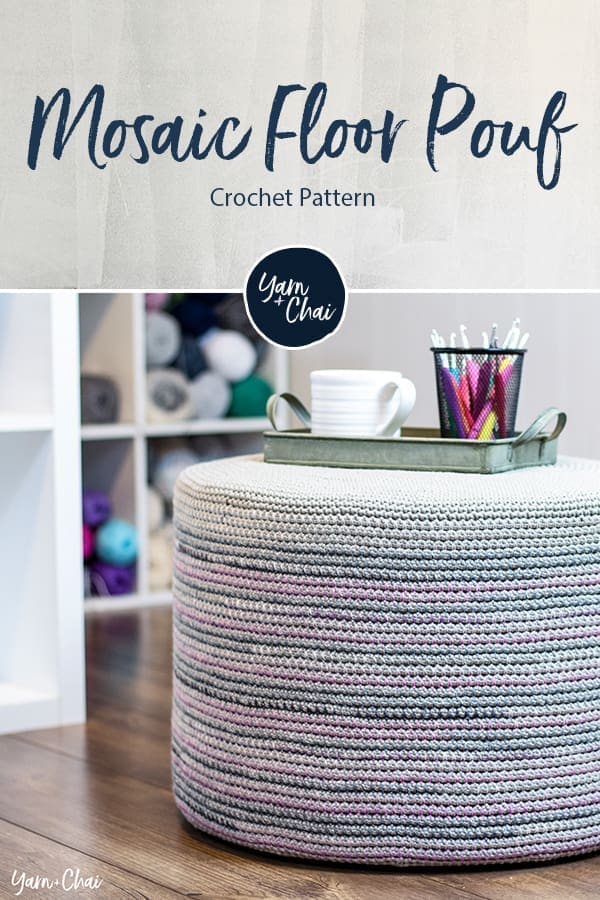
Credit: yarnandchai.com
Finishing Touches
Finishing touches bring personality and style to your floor pouf. These final steps make the pouf unique and help it fit your room’s look. You can use simple decorations or add practical features. Small details create a big impact and complete your handmade project.
Decorative Elements
Choose decorations that match your room’s colors and style. Sew or glue fabric patches for a colorful look. Use buttons or beads for extra texture and charm. Paint simple patterns with fabric paint for a personal touch. Keep decorations light to avoid changing the pouf’s shape.
Adding Handles Or Tassels
Handles make moving the pouf easy and add style. Use sturdy fabric or leather strips as handles. Sew them securely on opposite sides of the pouf. Tassels add fun and softness to the edges. Attach tassels with strong thread or small rings. These details give your pouf a cozy, finished look.
Care And Maintenance
Taking good care of your floor pouf ensures it stays comfortable and stylish for years. A little attention to cleaning and timely repairs can save you from costly replacements. Let’s look at how you can keep your handmade pouf looking fresh and sturdy.
Cleaning Tips
Regular cleaning helps prevent dirt buildup and keeps your pouf inviting. Start by vacuuming it gently to remove dust and crumbs. Use a soft brush attachment to avoid damaging the fabric.
For stains, blot the area immediately with a clean cloth. Avoid rubbing, as this can push the stain deeper into the fibers. Use mild soap mixed with water for spot cleaning—test it first on a hidden spot to check for colorfastness.
If your pouf has a removable cover, machine wash it according to the fabric’s care instructions. Air dry it completely before putting it back to prevent mold or odors. How often do you check your pouf for hidden stains?
Repairing Common Issues
Wear and tear are normal, especially if your pouf gets daily use. Loose threads or small holes can quickly worsen if ignored. Use a needle and matching thread to sew up minor tears before they spread.
If the stuffing starts to flatten, add more filling to restore its shape. Polyester fiberfill or old fabric scraps work well as stuffing. You’ll be surprised how a simple refill can bring your pouf back to life.
Check the seams regularly to catch weaknesses early. Fixing small problems promptly can extend your pouf’s life significantly. What signs of wear do you notice most often on your furniture?
Styling Ideas
Styling your homemade floor pouf can enhance any room’s look and feel. It offers both function and charm. Thoughtful placement and pairing can transform your space with ease.
Placement In Living Spaces
Place the pouf near sofas or armchairs for extra seating. It works well as a footrest or a casual side table. Use it in corners to fill empty spaces without clutter. In small rooms, a pouf adds softness and comfort without bulk.
Combining With Other Decor
Mix poufs with rugs, cushions, and throws for layered texture. Choose colors that match or contrast with your existing decor. Group a few poufs of different sizes for a playful look. Natural materials like jute or cotton blend well with wood and metal accents.
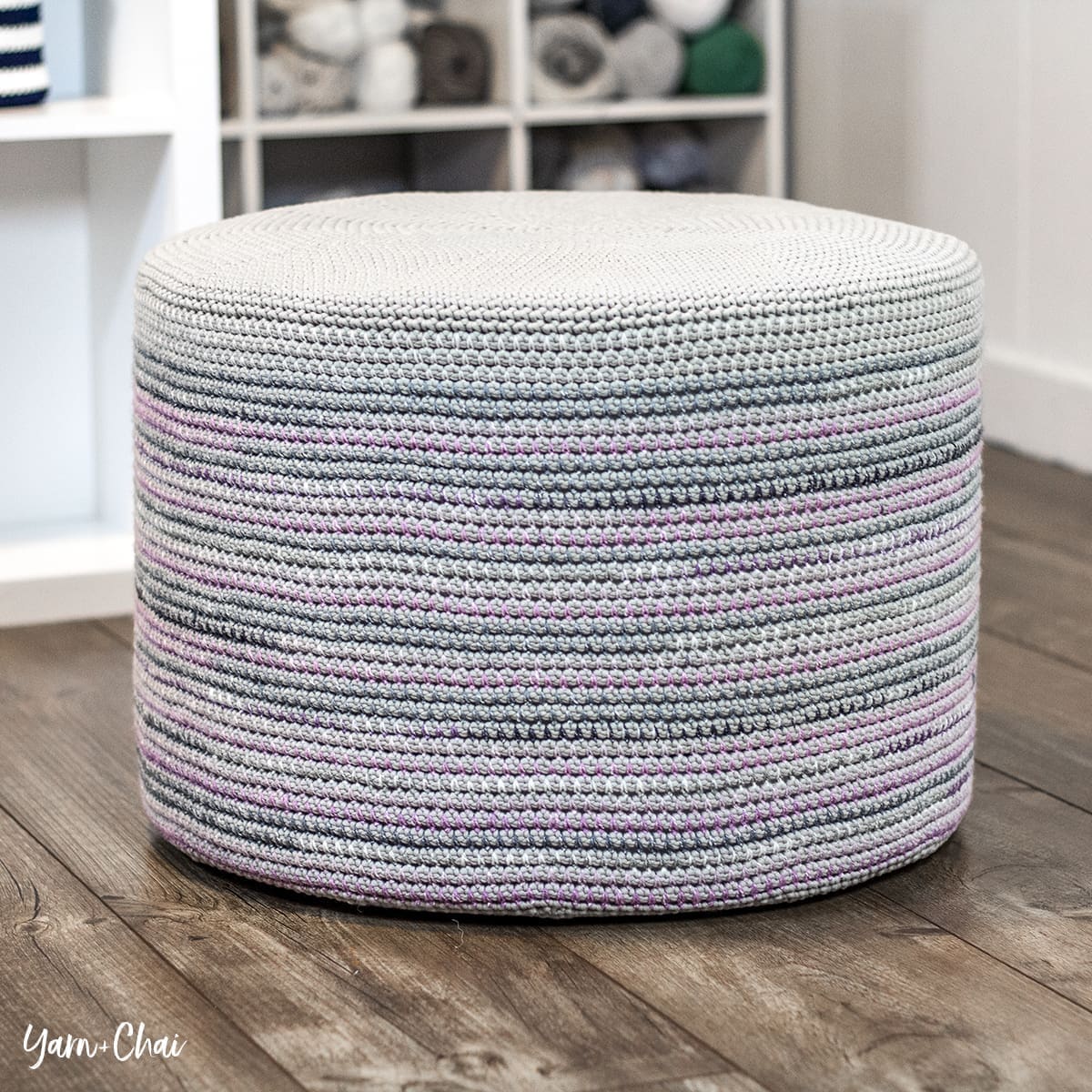
Credit: yarnandchai.com
Frequently Asked Questions
What Materials Are Needed To Make A Floor Pouf At Home?
To make a floor pouf, you’ll need fabric, stuffing (like foam or old clothes), thread, needle, scissors, and a sewing machine. Optional items include a zipper and decorative buttons. These materials are easy to find and affordable for DIY projects.
How Long Does It Take To Create A Floor Pouf?
Creating a floor pouf usually takes 2 to 4 hours. This depends on your sewing skill and design complexity. Beginners might take longer, but the process is straightforward and enjoyable for any skill level.
Can I Customize The Size Of My Floor Pouf?
Yes, you can easily customize the size. Adjust the fabric dimensions and amount of stuffing to make the pouf bigger or smaller. This flexibility allows you to fit any room or personal preference.
What Type Of Fabric Is Best For A Floor Pouf?
Durable, thick fabrics like canvas, denim, or upholstery fabric work best. These materials withstand wear and tear. Choose fabrics that complement your room’s décor for an attractive look.
Conclusion
Making a floor pouf at home is simple and fun. You can choose your favorite fabric and fill it with soft materials. This project saves money and adds a personal touch to your room. Plus, it gives you a comfy spot to sit or rest your feet.
Try making one today and enjoy a cozy, handmade pouf. It’s a great way to be creative and practical at the same time. Give it a go!



