
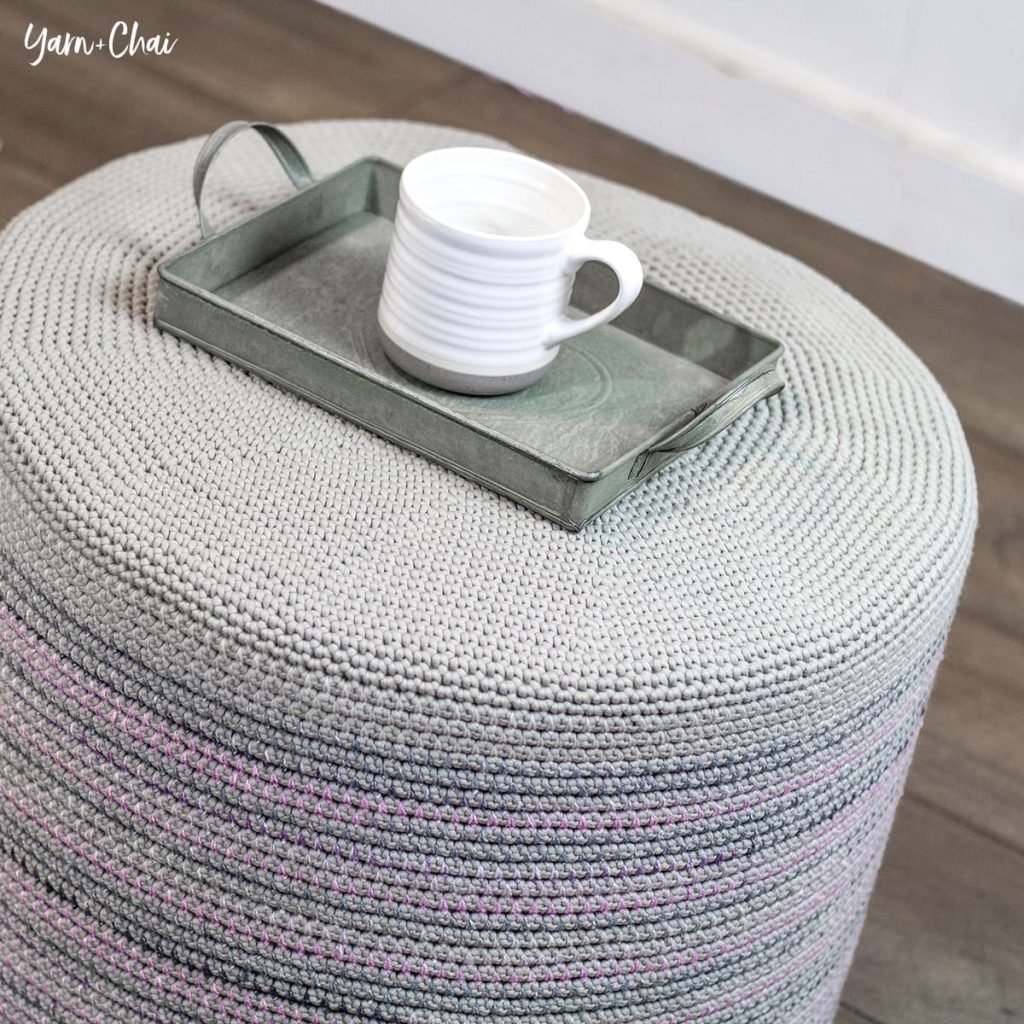
Are you looking to add a cozy, stylish touch to your living space without spending a fortune? Making your own ottoman pouf is easier than you think—and it gives you the freedom to choose colors, fabrics, and sizes that fit your style perfectly.
Imagine sinking your feet into a soft, handmade pouf after a long day or having an extra seat ready for guests. In this guide, you’ll discover simple steps that anyone can follow to create a beautiful ottoman pouf that feels both personal and practical.
Ready to turn a few materials into a unique piece for your home? Let’s get started!
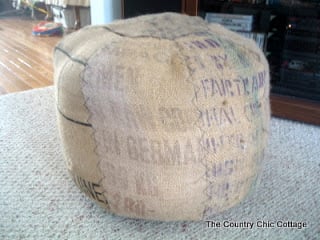
Credit: www.thecountrychiccottage.net
Materials Needed
Gathering the right materials is a crucial first step in making your own ottoman pouf. The choices you make here affect not only the pouf’s look but also its comfort and durability. Let’s break down what you need to bring your DIY project to life.
Fabric Choices
Pick a fabric that fits your style and can handle regular use. Thick cotton, canvas, or upholstery fabric are excellent because they’re sturdy and easy to clean. If you want a softer feel, consider velvet or chenille, but keep in mind they may require more care.
Think about patterns and colors that match your room. Would a bold print make a statement, or is a neutral tone better for your space? Remember, the fabric you choose will define your pouf’s personality.
Filling Options
What you fill your pouf with affects how it feels and holds shape. Polyfill stuffing is lightweight and soft, making the pouf cozy but less firm. If you want a sturdier pouf, use foam pieces or even recycled fabric scraps tightly packed inside.
Another idea is to use old clothes or towels, which is budget-friendly and eco-conscious. Have you ever thought about how the filling material might influence the pouf’s longevity and comfort?
Tools Required
Having the right tools makes the process smoother and more enjoyable. You’ll need a sewing machine for faster stitching, but hand-sewing needles work if you prefer. Sharp fabric scissors are essential for clean cuts.
Other handy tools include pins to hold fabric in place, a measuring tape for accuracy, and a fabric marker or chalk to outline your pattern. Don’t forget a zipper or strong thread if you want your pouf cover to be removable for washing.
Selecting The Right Size
Choosing the right size for your ottoman pouf is key to making it a practical and stylish addition to your space. If it’s too big, it can overwhelm your room; too small, and it might lose its purpose or look out of place. Taking time to select the perfect size ensures your pouf complements your furniture and fits seamlessly into your daily routine.
Measuring Space
Start by looking at the area where you want to place your pouf. Use a tape measure to note the length and width of available floor space, keeping in mind any other furniture nearby.
Allow some breathing room around the pouf so you can move freely without bumping into it. Think about how often you’ll need to move the pouf—if it’s in a tight spot, a smaller size might be better.
Have you measured your space before buying or making furniture? It can save you from unpleasant surprises later.
Choosing Dimensions
Next, decide on the pouf’s height, diameter, or length and width depending on the shape you prefer. A common height is around 16 to 18 inches, which matches most sofas and chairs.
If you want a round pouf, 20 to 24 inches in diameter works well for sitting or resting your feet. For square or rectangular poufs, balance the width and length with your room size—too large can crowd the space, too small might be less comfortable.
Think about how you’ll use your pouf: Will it be a footrest, extra seating, or even a small table? Matching the size to its main function helps you pick the right dimensions that fit your lifestyle.
Cutting The Fabric
Carefully measure and mark the fabric before cutting to ensure accurate pieces. Use sharp scissors for clean edges and avoid fraying. Cutting precisely helps your ottoman pouf fit together perfectly.
Cutting the fabric is a crucial step in making your own ottoman pouf. It sets the foundation for a neat and polished final product. Careful preparation ensures the fabric pieces fit perfectly. This step involves creating pattern templates, marking, and cutting the fabric accurately.Pattern Templates
Start by creating pattern templates for your ottoman pouf. Use sturdy paper or cardboard for durability. The templates should match the size and shape of your pouf. Common shapes include circles, squares, and rectangles. Measure twice to ensure accuracy. Write down dimensions on each template for reference.Marking And Cutting Tips
Lay the fabric on a flat surface before marking. Use chalk or a fabric marker for visibility. Place the pattern templates on the fabric, keeping the grain line in mind. Secure templates with pins to prevent slipping. Carefully trace around each template with your marker. When cutting, use sharp fabric scissors for clean edges. Follow the traced lines closely. Avoid lifting the fabric while cutting to ensure precision. Double-check all pieces before moving to the next step. Each piece should be consistent in size and shape.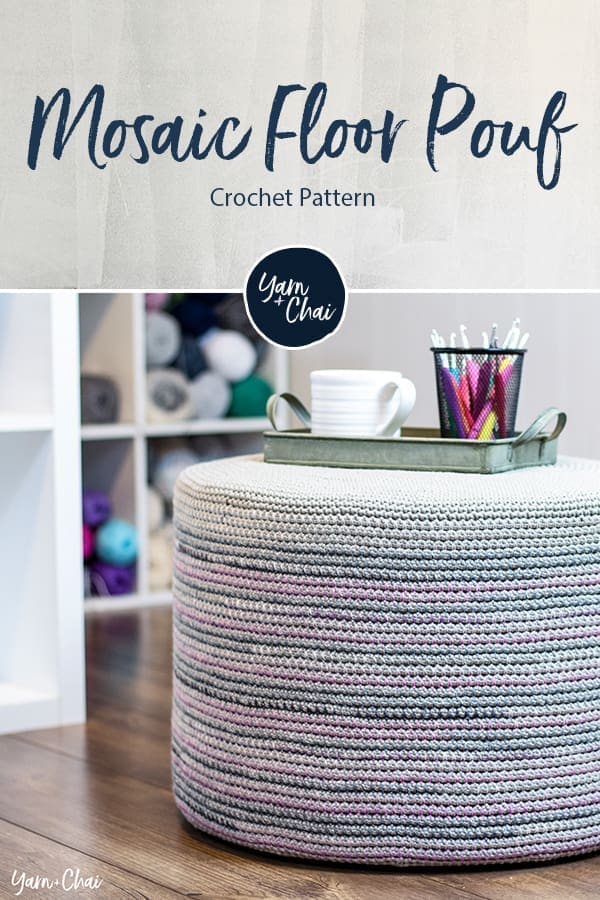
Credit: yarnandchai.com
Sewing The Pouf
Sewing the pouf is a key step in making your own ottoman pouf. It shapes the pouf and holds everything together. Careful stitching ensures the pouf is strong and lasts long. Using the right sewing techniques helps create a neat, professional look.
Stitching Techniques
Use a strong, heavy-duty thread for durability. A straight stitch works well for most seams. Backstitch at the start and end to secure the thread. Double stitching adds extra strength to stress points. Keep stitches even and close to the edge. Use a sewing machine for faster, neater results.
Attaching Zippers Or Closures
A zipper lets you remove the cover for cleaning. Choose a zipper that matches the fabric color and length. Pin the zipper carefully to the fabric edge before sewing. Sew slowly to avoid skipping stitches. Test the zipper after sewing to make sure it moves smoothly. If not using a zipper, try hook-and-loop tape or buttons for easy access.
Filling And Shaping
Filling and shaping your ottoman pouf is key to its comfort and look. The right filling gives the pouf a soft but sturdy feel. Shaping ensures it keeps form over time. Use simple materials and clear steps for best results.
Adding Stuffing
Start by choosing stuffing material like polyester fiberfill or foam. Cut the stuffing into small pieces for easier filling. Fill the pouf evenly to avoid lumps. Use your hands to push stuffing into corners and edges. Keep adding until the pouf feels full and cushy.
Ensuring Firmness
Test the firmness by pressing on the pouf gently. Add more stuffing if it feels too soft or flat. For extra support, place a small foam block inside before adding fiberfill. Use a tight sewing stitch to close the opening. This keeps stuffing in place and maintains shape.
Finishing Touches
Finishing touches give your ottoman pouf its unique look and lasting charm. These final steps enhance style and protect your creation. Small details make a big difference in both appearance and durability.
Decorative Elements
Choose decorative elements that match your room’s style. Add buttons, tassels, or piping to the edges. These details create texture and interest.
- Buttons: Sew fabric-covered buttons on top for a tufted look.
- Tassels: Attach tassels at the corners for a playful touch.
- Piping: Use contrast piping along seams to define shape.
Pick colors and patterns that blend well with your existing decor. Keep decorations balanced to avoid a cluttered look.
Maintaining Your Pouf
Keep your pouf clean and fresh with simple care. Regular maintenance extends its life and keeps it looking new.
- Vacuum gently to remove dust and dirt.
- Spot clean stains with mild soap and water.
- Rotate the pouf to prevent uneven wear.
- Fluff stuffing regularly to maintain shape.
Store in a dry place to avoid moisture damage. Follow these tips to enjoy your pouf for years.
Styling Ideas
Styling your homemade ottoman pouf can make it a standout piece in any room. It adds charm and function. Choosing the right style helps it blend or pop. The design should fit your room’s mood and purpose. Below are ideas to inspire your styling choices.
Matching Room Decor
Coordinate the pouf’s color with your room’s palette. Use similar shades for a calm, uniform look. Contrast colors for a bold, eye-catching effect. Choose fabrics that match your sofa or curtains. Patterns can tie together different elements in the room. Texture matters, too. A soft velvet pouf pairs well with smooth leather furniture. A woven pouf fits great in a rustic or boho space.
Creative Uses
Use the pouf as extra seating in tight spaces. It can serve as a footrest for cozy evenings. Place a tray on top to turn it into a coffee table. Stack smaller poufs to create a unique side table. Kids love poufs for playrooms or reading nooks. Use them in entryways to help with putting on shoes. The ottoman pouf is lightweight and easy to move, making it versatile for many settings.
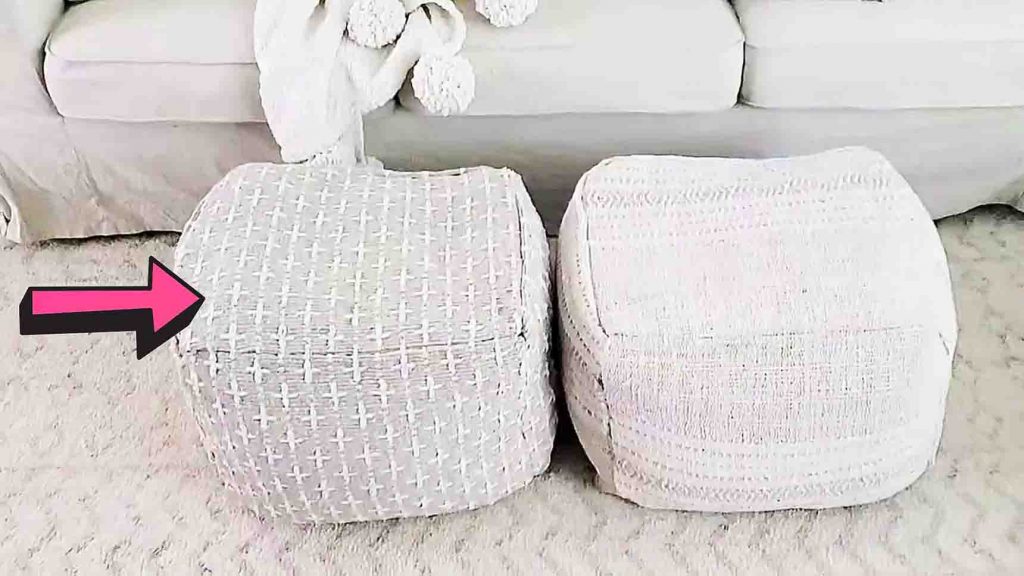
Credit: diyjoy.com
Frequently Asked Questions
What Materials Do I Need To Make An Ottoman Pouf?
You need fabric, stuffing, thread, a sewing machine, scissors, and a needle. Choose durable fabric and soft stuffing for comfort and style.
How Long Does It Take To Make An Ottoman Pouf?
It usually takes 2 to 4 hours depending on your sewing skills and pouf size. Preparing materials beforehand speeds up the process.
Can I Customize The Size Of My Ottoman Pouf?
Yes, you can adjust dimensions by changing fabric and stuffing amounts. Custom sizing fits your space and design preferences perfectly.
What Type Of Stuffing Is Best For Ottoman Poufs?
Use polyester fiberfill, foam, or old clothes as stuffing. These materials provide firm support and maintain shape over time.
Conclusion
Creating your own ottoman pouf can be simple and fun. It adds style and comfort to any room. Choose fabric and filling that fit your taste. Follow the steps carefully to get the best result. Enjoy a unique piece made by your own hands.
This project saves money and lets you express creativity. Try making one today and see how it changes your space. A cozy, handmade pouf is worth the effort.



