
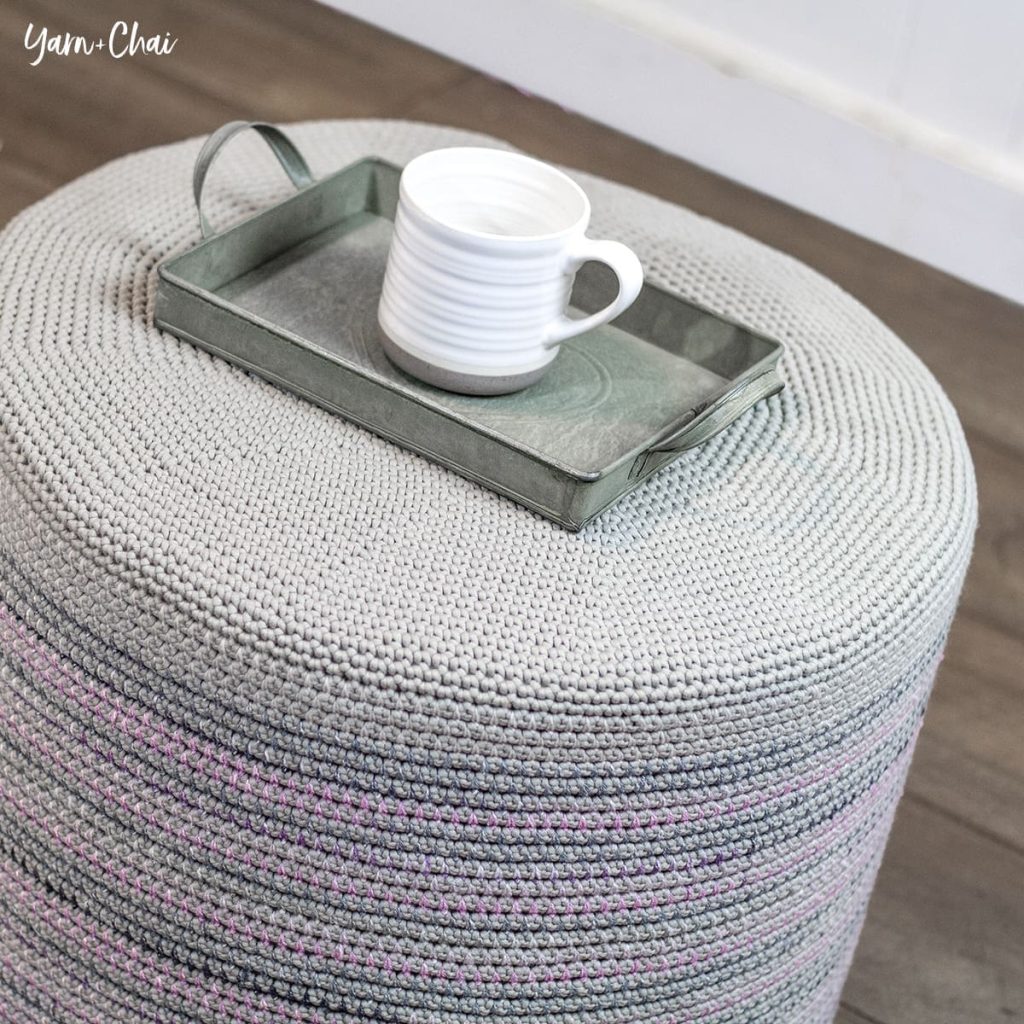
Are you looking for a stylish and cozy addition to your living space? Making your own pouf ottoman is easier than you think—and it gives you a unique piece that matches your style perfectly.
Imagine relaxing with your feet up on something you created yourself. In this guide, you’ll discover simple steps to craft a pouf ottoman that adds comfort and charm to any room. Ready to transform your space and enjoy the satisfaction of DIY?
Keep reading to find out how!
Materials Needed
Gathering the right materials is the first step to creating a pouf ottoman that fits your style and needs. The choice of fabric, filling, and tools will shape not only the look but also the comfort and durability of your pouf. Think about where you want to place your pouf and how much use it will get to pick the best materials.
Fabric Choices
Choosing fabric is exciting because it sets the tone for your pouf. You can go for heavy-duty options like canvas or denim, which handle wear and tear well. If you want a cozy look, velvet or faux leather adds a soft touch and a hint of luxury.
Consider outdoor fabrics if your pouf will live on a patio. These fabrics resist water and fading, making them practical. Don’t forget to check if the fabric is easy to clean since poufs often catch spills and dust.
Filling Options
The filling affects how firm or soft your pouf will feel. Polyfill stuffing is light and fluffy, perfect if you want a cushy pouf for casual seating. Bean bag beads offer more support and allow the pouf to mold to your body.
You might also try foam pieces or old cushions for a budget-friendly option. Some people use a combination of fillings to balance comfort and shape retention. What level of firmness do you prefer when sitting on a pouf?
Tools Required
Having the right tools makes the assembly smoother and quicker. Basic sewing supplies like needles, thread, and scissors are essential, especially if you plan to sew the cover yourself. A sewing machine will speed things up and provide stronger seams.
Don’t forget measuring tape and pins to keep your fabric in place while sewing. If your design includes handles or zippers, you’ll need a zipper foot and perhaps a hot glue gun for attaching decorative elements. Ready your workspace to keep everything organized and within reach.
Choosing The Right Size
Choosing the right size for your pouf ottoman is essential to ensure it fits perfectly in your space and serves its purpose well. A pouf that’s too large can overwhelm a room, while one that’s too small might feel out of place or not offer enough comfort. Taking the time to measure and understand standard dimensions will help you create a pouf that complements your home beautifully.
Measuring Your Space
Start by looking at the area where you want to place your pouf. Use a tape measure to note the available floor space, keeping in mind any nearby furniture that could limit the size.
Ask yourself: How much room do you want the pouf to occupy? Will it be used mainly as extra seating, a footrest, or a decorative piece? This will influence the size you choose.
Don’t forget to consider the height. Your pouf should align comfortably with your sofa or chair height for ease of use. A good rule of thumb is to keep it within a few inches of your seating height to avoid awkward positions.
Standard Pouf Dimensions
Most poufs fall within a common size range, making it easier to decide on your own dimensions. Typically, poufs measure between 16 to 20 inches in diameter or width and stand about 14 to 18 inches tall.
| Dimension | Typical Range | Best For |
|---|---|---|
| Diameter/Width | 16″ – 20″ | Fits small to medium spaces, easy to move |
| Height | 14″ – 18″ | Comfortable for resting feet or sitting |
Think about how you will use your pouf. If it’s mainly for resting feet, a lower height around 14 inches might work best. For extra seating, aim closer to 18 inches for better comfort.
Choosing the right size is about balancing function with your room’s layout. What size will make your everyday life easier and more enjoyable?
Cutting The Fabric
Cutting the fabric is a crucial part of making your own pouf ottoman. It sets the foundation for how well your pieces will fit together and how polished the final product looks. Taking your time and paying attention to detail here will save you frustration later on.
Creating Patterns
Start by drafting your patterns on paper before touching the fabric. Use measurements from your pouf’s dimensions to draw each piece accurately. You might find it helpful to create a template from cardboard for repeated use.
Mark seam allowances clearly on your patterns—usually about half an inch. This extra space is essential for stitching the pieces together without making the pouf smaller than intended. Think about how your pouf’s shape will come together and cut accordingly.
Tips For Accurate Cutting
Lay your fabric flat on a clean, hard surface free from wrinkles. Pin your paper patterns securely to the fabric to prevent shifting as you cut. Sharp fabric scissors will make clean edges and reduce fraying, so keep them well-maintained.
Cut slowly and follow the edges of your pattern precisely. Double-check that you’re cutting the right side of the fabric, especially if it has a pattern or nap. Have you ever cut a piece inside out and had to start over? Avoid that by confirming fabric orientation before every cut.
- Use tailor’s chalk or a fabric marker to trace patterns if you prefer not to cut around paper templates.
- Cut one piece at a time if your fabric is thin or slippery to avoid mistakes.
- Keep your workspace organized to reduce distractions and errors.
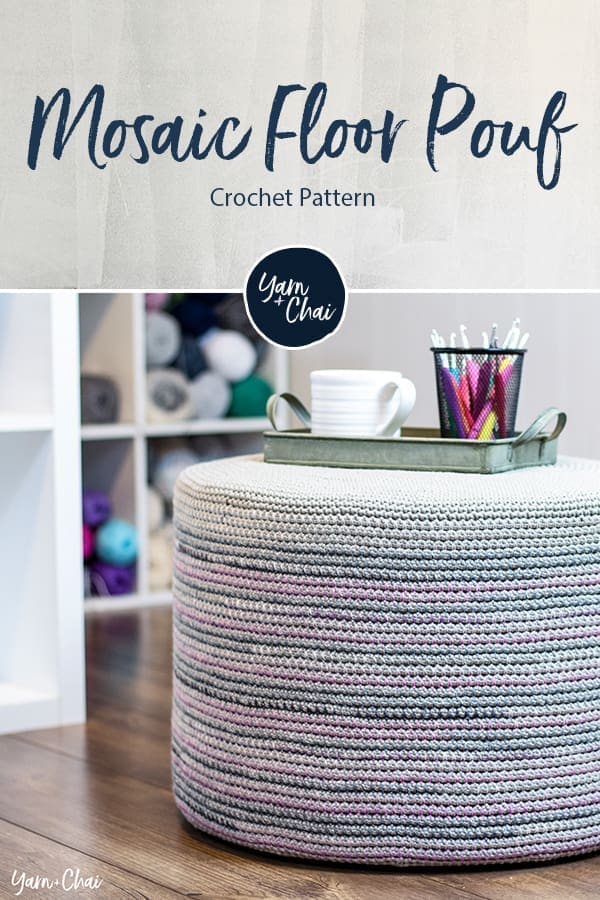
Credit: yarnandchai.com
Sewing The Pouf
Sewing the pouf is an important part of this DIY project. It shapes the pouf and holds everything together. Taking care with your stitching makes the pouf strong and neat. Using the right techniques helps the fabric last longer and look better.
Choosing the right thread and needle is key. Use thick thread for heavy fabrics and a strong needle. Sewing slowly and steadily keeps the seams even and tight. Pin the fabric pieces before sewing to avoid slipping.
Stitching Techniques
Use straight stitches for most seams. They are simple and strong. Backstitch at the start and end to lock the thread. For curved edges, sew slowly and pivot the fabric carefully. A zigzag stitch helps prevent fabric fraying on raw edges.
- Use a strong thread like polyester or nylon.
- Keep stitches about ¼ inch apart for durability.
- Press seams open with an iron for a flat finish.
Adding Zippers Or Closures
Adding a zipper makes the pouf easy to fill and clean. Choose a zipper length that fits one side of the pouf. Sew the zipper to the fabric edges with small, even stitches. Use a zipper foot on your sewing machine for better control.
Velcro or buttons can also work as closures. They are easier to sew but less durable than zippers. Place closures where they are hidden but accessible. Test the closure several times to ensure it opens and closes smoothly.
Stuffing The Pouf
Stuffing your pouf ottoman properly is key to achieving the perfect shape and comfort. The right filling ensures your pouf feels cozy while maintaining its structure over time. Let’s look at the options and techniques to help you get that just-right balance.
Using Foam Or Polyester Fill
Choosing between foam and polyester fill depends on how firm or soft you want your pouf. Foam provides a denser, more supportive feel, ideal if you plan to use your pouf as extra seating. Polyester fill, on the other hand, is lighter and fluffier, making the pouf softer but less structured.
I once stuffed a pouf with only polyester fill, and it lost shape quickly. Adding a foam insert inside gave it much-needed stability while keeping it cushy on the outside. You might even combine both for a custom feel—foam core with polyester wrapped around it.
Ensuring Even Filling
Evenly stuffing your pouf prevents lumps and uneven surfaces that can make it uncomfortable. Start by adding a small amount of filling at the base, then gradually work your way up, pressing and shaping as you go. This helps distribute the material uniformly.
Don’t just stuff all at once—pause often to check the shape and firmness. Press on different sides to spot any soft spots or bulges. If you find uneven areas, add or remove some filling until the surface feels balanced.
Have you ever sat on a pouf that felt lumpy or saggy? Taking the time to stuff evenly avoids this common issue and makes your pouf look professionally made.
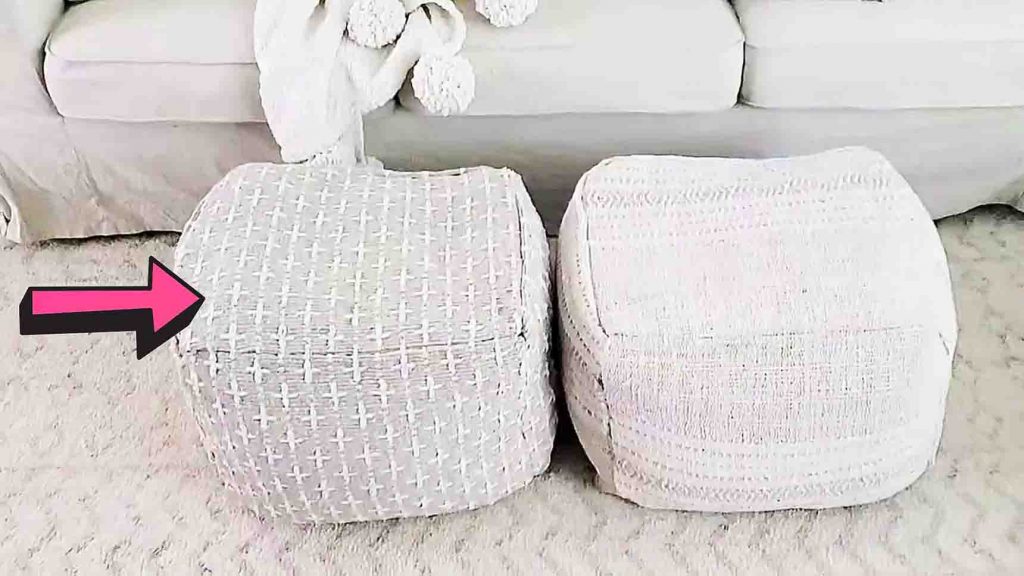
Credit: diyjoy.com
Finishing Touches
Finishing touches give your pouf ottoman its unique style and lasting quality. These final steps transform a simple project into a charming piece. Focus on small details that boost both beauty and durability. Choose decorations that match your room and personal taste. Also, care for your pouf to keep it looking fresh.
Decorative Elements
Choose decorative elements that fit your style. Add buttons, tassels, or piping to edges for extra flair. Use colorful or patterned fabric to make it stand out. Consider sewing on patches or embroidery for a personal touch. Keep decorations simple to avoid overwhelming the pouf’s shape.
- Buttons: Sew them tightly for a tufted look.
- Tassels: Attach at corners for a boho feel.
- Piping: Use contrasting fabric for clean edges.
- Embroidery: Create patterns or initials for uniqueness.
Maintaining Your Pouf
Keep your pouf ottoman clean to prolong its life. Vacuum regularly to remove dust and dirt. Spot clean spills immediately with a damp cloth. Avoid harsh chemicals that can damage fabric. Rotate the pouf often to prevent uneven wear.
- Vacuum with a brush attachment weekly.
- Blot spills gently; do not rub.
- Use mild soap for stubborn stains.
- Store in a dry place away from sunlight.
Creative Design Ideas
Creating a pouf ottoman adds style and comfort to any room. Choose fabric and fill materials to match your space and needs. Simple tools and steps make this project easy and fun.
Creating your own pouf ottoman can be an exciting journey. It allows you to add a personal touch to your living space. The key to making a standout piece lies in your creative design choices.Color Combinations
Choosing the right colors can transform your pouf from ordinary to extraordinary. Consider what mood you want your room to convey. – Bold and Bright: If you want a lively space, choose vibrant colors like teal, mustard, or coral. These hues can add a splash of excitement and energy. – Neutral Harmony: For a more relaxed atmosphere, go for soft pastels or earthy tones like beige, gray, or soft blue. These colors can create a soothing environment. – Contrast Play: Don’t be afraid to mix dark and light shades. A dark base with a light top can create a striking visual effect. Think about how these colors will interact with the existing elements in your room. The right combination can create a cohesive look or make your pouf the focal point.Texture Mixes
Textures can add depth and interest to your pouf. They invite touch and can enhance the overall aesthetic. – Velvet Luxury: Velvet is a popular choice for a rich, elegant look. It can make your pouf feel luxurious and inviting. – Cotton Comfort: If you prefer a casual vibe, cotton is your best friend. It’s durable and comes in a variety of patterns and colors. – Jute and Burlap: For a rustic charm, consider using jute or burlap. These materials add a natural feel and are perfect for a bohemian style. Mixing different textures can create a more dynamic piece. Imagine a cotton pouf with velvet accents or a burlap base with a cotton top. Which combination speaks to you the most? Your choice can reflect your personal style and make your pouf a unique addition to your home.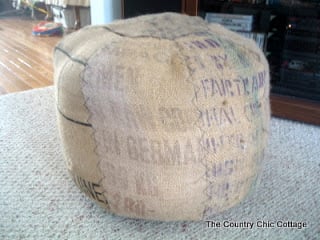
Credit: www.thecountrychiccottage.net
Frequently Asked Questions
What Materials Are Needed To Make A Pouf Ottoman?
You need fabric, stuffing, thread, scissors, and a sewing machine. Optional materials include buttons or zippers for customization. Choose durable fabric for long-lasting use.
How Long Does It Take To Make A Pouf Ottoman?
Making a pouf ottoman usually takes 2 to 4 hours. Time varies depending on sewing skill and design complexity. Beginners may need extra time for precise stitching.
Can I Customize The Size Of My Pouf Ottoman?
Yes, you can easily customize the size by adjusting fabric dimensions. Measure your desired height and width before cutting. Custom sizes fit different room spaces and styles.
What Stuffing Is Best For A Pouf Ottoman?
Polyester fiberfill or foam beads are ideal stuffing choices. They provide comfort, shape retention, and durability. Avoid heavy stuffing to keep the pouf lightweight.
Conclusion
Making your own pouf ottoman adds charm to any room. It’s a simple project with big rewards. You choose the fabric, size, and style you like. Plus, it saves money compared to store-bought options. Your handmade pouf will bring comfort and style to your space.
Try this easy craft and enjoy the cozy feel it creates. Give it a go and see how fun DIY can be.



