
Are you ready to give your space a sleek, modern touch with a frameless mirror? Mounting one on your wall might seem tricky, but it doesn’t have to be.
Imagine transforming your room in just a few simple steps, making it look brighter and more spacious instantly. In this guide, you’ll discover easy, clear instructions that anyone can follow—no special skills needed. Keep reading, and you’ll learn exactly how to mount your frameless mirror safely and beautifully, turning your walls into a stunning focal point.

Credit: bfymirror.com
Choose The Right Mirror
Choosing the right frameless mirror is key before you start mounting it on your wall. The mirror should fit the space and suit the room’s style while being safe and durable. Picking the wrong mirror can lead to difficulties in installation or even accidents later on.
Select Size And Shape
Think about the wall space where you want to place your mirror. A mirror that’s too large can overwhelm a small room, while a tiny mirror might look out of place on a big wall.
Rectangular and square mirrors work well for bathrooms and hallways, but round or oval shapes add softness to living rooms or bedrooms. Don’t hesitate to measure your space twice before buying. Have you considered how the mirror’s shape can change the room’s mood?
Check Mirror Thickness
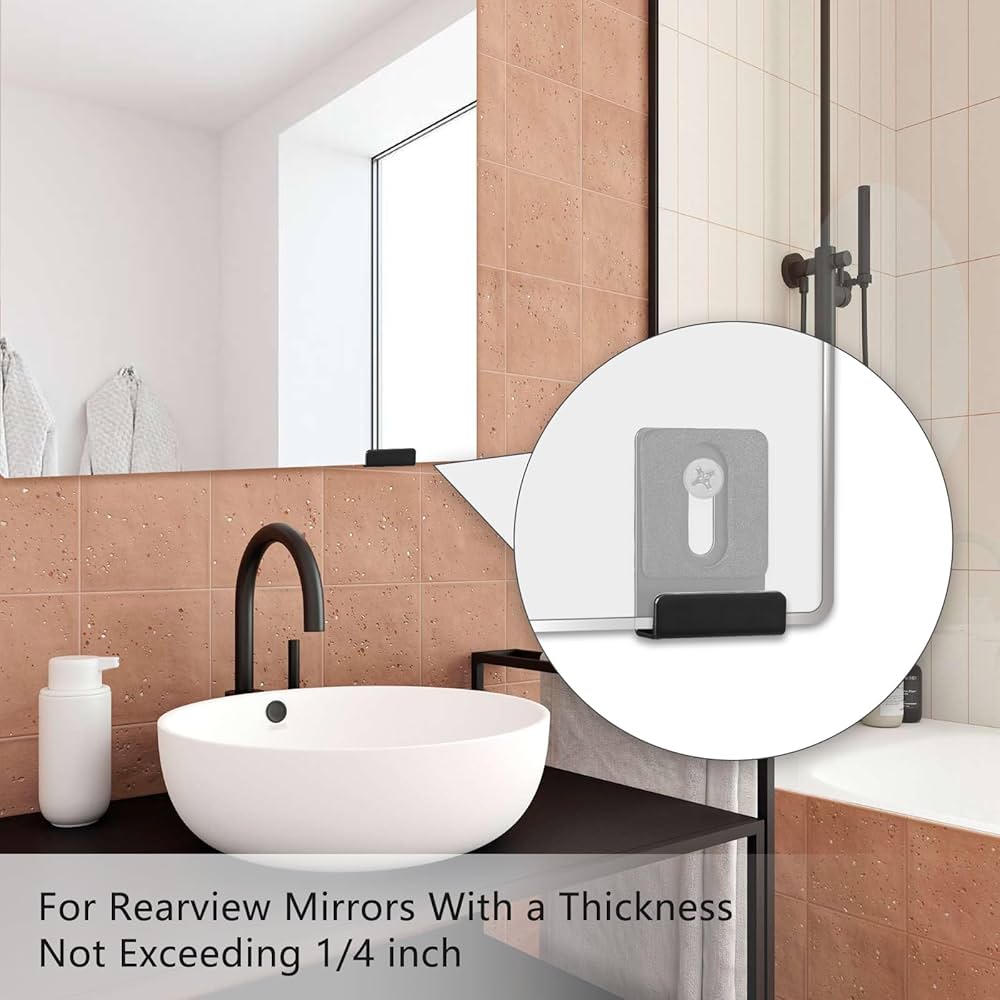
The thickness of the mirror affects both its look and how you mount it. Frameless mirrors usually range from 1/8 inch to 1/4 inch thick.
Thicker mirrors are heavier and need stronger mounting hardware. If your mirror is too thin, it might be fragile and prone to cracking.
Always check the thickness before buying. This helps you pick the right wall anchors and ensures your mirror stays securely in place for years.
Credit: bfymirror.com
Gather Necessary Tools
Gather all essential tools like a drill, screws, wall anchors, a level, and measuring tape. Having these ready ensures a smooth and safe mirror installation.
Mounting a frameless mirror on your wall can seem like a daunting task. But with the right tools at your disposal, it becomes a manageable and rewarding project. Before you dive into the installation, gathering the necessary tools is crucial to ensure a smooth process. Having everything prepared not only saves time but also boosts your confidence in tackling the task.Essential Mounting Supplies
To start, you’ll need a few essential supplies. Invest in quality mirror clips or adhesive strips designed for mirrors. These will secure your mirror firmly to the wall. Make sure to have a measuring tape handy for precise placement. A level is indispensable to ensure your mirror hangs straight. Additionally, a pencil will help you mark spots on the wall without damaging it.Safety Equipment
Safety should always be a top priority. Consider wearing safety goggles to protect your eyes from any shards or dust. Gloves can be useful to provide a better grip and protect your hands from sharp edges. A dust mask might be necessary if you’re drilling into drywall or plaster. Do you have these tools at home, or do you need to make a quick run to the hardware store? Having these essentials ready will set you up for success and ensure a seamless installation. By taking the time to gather your tools and equipment, you’re already halfway to achieving a perfectly mounted frameless mirror.Prepare The Wall
Preparing the wall is a key step for mounting a frameless mirror securely. It ensures the mirror stays in place and looks perfect. A clean and dry surface prevents damage and helps adhesive stick well. Proper marking avoids mistakes and keeps the mirror level on the wall.
Clean And Dry Surface
Start by removing dust, dirt, and grease from the wall. Use a damp cloth and mild soap if needed. Let the wall dry completely before moving on. Moisture can weaken the adhesive or mounting hardware. Check for any loose paint or wallpaper and fix it. A smooth surface improves mirror attachment and durability.
Mark Mirror Placement
Decide where the mirror will hang. Use a pencil to mark the top and sides lightly. Measure from the floor or ceiling to keep it even. Use a level to draw straight lines. Mark points for mounting brackets or adhesive strips. Accurate marks make installation easier and prevent shifting later.
Select Mounting Method
Selecting the right mounting method for your frameless mirror is crucial. It affects not only the mirror’s stability but also the look and ease of installation. Your choice depends on the wall type, mirror size, and how permanent you want the fixture to be.
Adhesive Options
Adhesive mounting offers a clean, hardware-free look. It’s perfect if you want to avoid drilling holes or if your wall surface is delicate.
There are various adhesives you can use:
- Mirror mastic:Specifically designed for mirrors, it provides strong and durable bonding.
- Double-sided mounting tape:Best for small, lightweight mirrors and smooth surfaces.
- Construction adhesive:Offers a heavy-duty hold, suitable for larger mirrors on sturdy walls.
Remember, the surface must be clean and dry for adhesives to work effectively. Have you considered how easy it will be to remove the mirror later? Adhesives can make removal tricky without damaging the wall.
Bracket And Clip Choices
Brackets and clips add extra security and are ideal for heavier or larger frameless mirrors. They create a physical hold that adhesives alone can’t match.
Common types include:
- L-brackets:Mounted at the mirror’s corners, they are nearly invisible when painted to match the wall.
- Mirror clips:Small metal or plastic clips that grip the mirror edges securely.
- French cleats:Two-part brackets that hook together, allowing easy removal and repositioning.
Choosing the right bracket depends on your wall material and how much weight the mirror will hold. Have you checked if your wall studs align with where you want the mirror? Securing brackets into studs gives the strongest support.
Apply Mounting Hardware
Applying mounting hardware is the key step to secure your frameless mirror on the wall. This step ensures the mirror stays stable and safe. Choosing the right hardware depends on your wall type and mirror size. Take time to prepare the surface and tools before starting. Proper installation prevents damage and gives a clean, elegant look.
Attach Brackets Or Clips
Brackets or clips provide strong support for frameless mirrors. Mark the wall where you want to place them. Use a level to keep alignment straight. Drill holes carefully, matching the bracket size. Insert wall anchors if needed for extra hold. Screw the brackets or clips firmly into place. Make sure they are secure before hanging the mirror. This method offers a reliable hold and easy removal.
Use Adhesive Properly
Adhesive works well for smooth, clean walls and smaller mirrors. Clean the wall and mirror back to remove dust and oil. Apply adhesive evenly on the mirror edges or back. Avoid putting too much glue to prevent mess. Press the mirror firmly against the wall. Hold it in place using tape or supports until it dries. Check the adhesive drying time on the product label. This method creates a sleek look without visible hardware.

Credit: www.ebay.ca
Position And Secure Mirror
Positioning and securing a frameless mirror on your wall requires careful attention to detail. Getting this right ensures the mirror not only looks perfect but stays safely in place for years. Let’s focus on how to align your mirror correctly and make sure it’s firmly attached.
Align Mirror Correctly
Start by deciding the exact spot where your mirror will hang. Use a level to mark a straight line on the wall, so your mirror won’t tilt or look crooked.
Ask yourself: Is the mirror height suitable for everyone who will use it? Consider the average eye level in the room and adjust accordingly.
Double-check measurements before drilling any holes. Even a small misalignment can be very noticeable once the mirror is mounted.
Ensure Firm Attachment
Use the right type of anchors or mounting hardware based on your wall material—drywall, plaster, or concrete.
- For drywall, toggle bolts or molly bolts provide strong support.
- Concrete walls require masonry anchors or screws.
- Always use hardware rated to hold the mirror’s weight.
Press the mirror firmly against the wall after mounting the hardware. Check for any wobble or looseness. A secure mirror won’t move if you gently push on it.
Have you ever mounted something heavy and found it loose days later? Taking extra time now to secure your mirror can save you that headache.
Final Touches
Once your frameless mirror is securely mounted, the final touches make all the difference. These small steps ensure your mirror looks flawless and stays safe for years. Paying attention to details now saves you from hassles later.
Clean Mirror Surface
After installation, the mirror likely has dust, fingerprints, or adhesive residue. Use a soft, lint-free cloth with a glass cleaner to gently wipe the surface. Avoid spraying cleaner directly on the mirror—spray on the cloth first to prevent moisture from seeping behind the glass.
Check corners and edges carefully. Sometimes, tiny smudges or streaks can be hard to spot but make a big impact on appearance. A clean mirror invites you to pause and appreciate your handiwork.
Check Stability And Safety
Make sure the mirror feels firmly attached to the wall. Gently press around the edges and the mounting points to detect any movement. If you notice even a slight wobble, tighten the mounting hardware or add extra support.
Consider the mirror’s location: is it near high-traffic areas or places where it might get bumped? You might want to add non-slip pads or safety backing for extra protection. Have you thought about how the mirror will hold up over time, especially in humid spaces like bathrooms?
Frequently Asked Questions
What Tools Do I Need To Mount A Frameless Mirror?
You need a level, measuring tape, pencil, mirror adhesive, mounting clips, and a drill. Safety gear is also recommended.
How Do I Prepare The Wall For Mounting A Frameless Mirror?
Clean the wall surface thoroughly. Ensure it is dry, smooth, and free from dust or grease for strong adhesion.
Can I Mount A Heavy Frameless Mirror Alone?
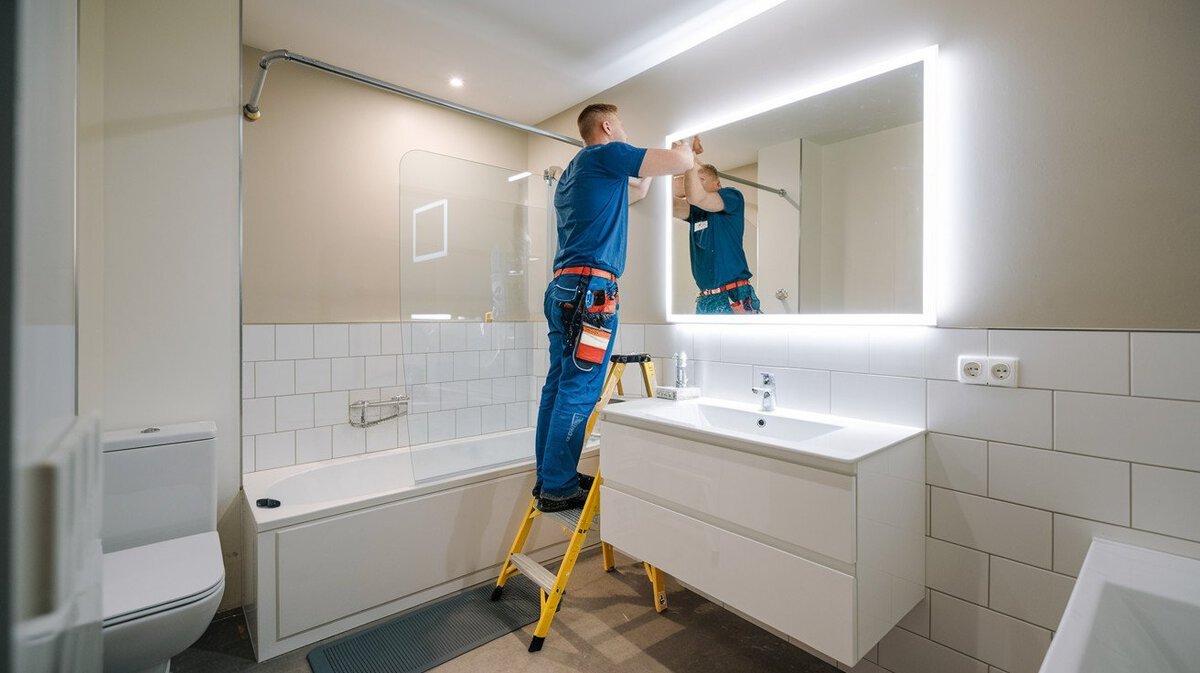
It’s safer to have a helper for heavy mirrors. This ensures accurate placement and prevents accidents during installation.
How Long Should Mirror Adhesive Cure Before Use?
Allow the adhesive to cure for at least 24 hours. Avoid touching the mirror during this period for secure bonding.
Conclusion
Mounting a frameless mirror on the wall is simple with the right steps. Always measure and mark carefully before drilling. Use proper tools and strong adhesive or clips for safety. Take your time to ensure the mirror is level and secure.
A well-mounted mirror adds style and space to any room. Follow these tips to achieve a clean, professional look. Enjoy your new mirror and the fresh feel it brings to your space.



