
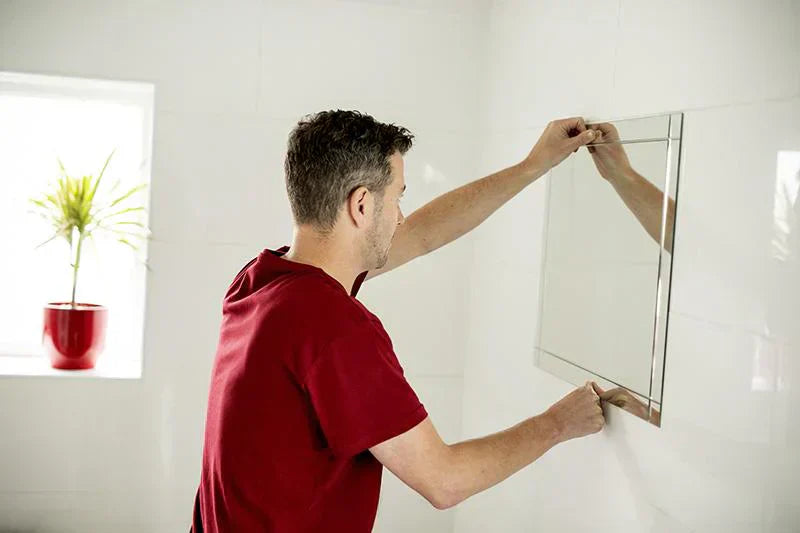
Are you ready to give your room a quick makeover? Mounting a mirror on your wall can instantly brighten up your space and make it feel larger.
But if you’re unsure where to start or worried about making mistakes, don’t worry—you’re in the right place. This guide will walk you through easy, step-by-step tips that anyone can follow. By the end, you’ll have your mirror securely mounted and your room looking fresh.
Keep reading to discover how simple it really is to transform your space with just a mirror and a few tools!
Choosing The Right Mirror
Choosing the right mirror is key before mounting it on your wall. It affects both the room’s look and the mirror’s stability. The size, style, and weight matter a lot. Also, the wall type plays a role in what you pick.
Selecting The Size And Style
Pick a mirror size that fits your space. Too big can overwhelm the room. Too small may look lost. Match the mirror style to your room’s design. Modern rooms suit simple, clean frames. Classic rooms work well with ornate or vintage frames. Think about the mirror’s purpose too. A decorative mirror can be different from a vanity mirror.
Considering Wall Material
Wall material affects how you mount the mirror. Drywall needs anchors or special hooks. Brick or concrete walls require drill and masonry screws. Wood walls allow nails or screws directly. Check the wall condition first. Weak or damaged walls may not hold a heavy mirror well. Choose a mirror that suits your wall type for safety.
Weight And Support Requirements
Know the mirror’s weight before buying. Heavy mirrors need strong support. Use heavy-duty anchors or screws for them. Light mirrors can hang with simple hooks. The frame material affects weight too. Metal and thick wood frames weigh more. Glass-only mirrors are lighter but still need support. Always match the mounting hardware to the mirror’s weight.
Gathering Necessary Tools
Gather all tools like a drill, screws, a level, and a measuring tape before starting. Having everything ready makes mounting a mirror easier and safer. Choose the right tools based on your wall type to ensure a strong hold.
Mounting a mirror on the wall can transform a room. It requires precision and the right tools. Proper preparation is essential to ensure the mirror is secure and stable. This guide helps you gather everything you need for a successful installation.Basic Tools Checklist
Start with these basic tools. They make the job easier and safer.- Measuring tape for accurate placement
- Pencil to mark positions
- Level to ensure even hanging
- Drill for creating anchor holes
- Screwdriver for securing fasteners
- Stud finder to locate wall studs
Specialized Equipment For Heavy Mirrors
Heavy mirrors need extra support. Ensure safety with these specialized items.- Wall anchors for added stability
- Heavy-duty hooks or brackets
- Power drill with masonry bit for brick or concrete walls
- Safety goggles to protect your eyes
- Gloves for better grip and protection
Preparing The Wall
Preparing the wall before mounting a mirror is crucial for a secure and lasting installation. Taking time to clean and inspect the surface helps you avoid damage and ensures the mirror stays put. Knowing exactly where to place your mounting points makes the entire process smoother and safer.
Cleaning And Inspecting The Surface
Start by wiping down the wall with a damp cloth to remove dust, dirt, or grease. A clean surface allows adhesives or hooks to stick better and prevents slipping. While cleaning, check the wall for cracks, holes, or peeling paint—these issues can weaken the mount.
If you find any damage, repair it with spackle or filler and let it dry completely. Think about the type of wall you have—drywall, plaster, or tile—as this affects your cleaning method and mounting choices. Have you noticed any spots that feel soft or crumbly? Those areas won’t hold weight well and need extra attention.
Locating Studs And Marking Points
Finding the studs behind your wall is key for heavy mirrors. Use a stud finder to locate the wooden beams that provide strong support. Mark these spots lightly with a pencil so you know exactly where to drill or hammer.
If your mirror is light, drywall anchors might work, but for anything heavier, studs are safer. Measure the width and height of your mirror and decide on the best spot on the wall to balance aesthetics and stability. Double-check your marks before drilling—can you imagine the frustration of a crooked mirror?

Credit: www.amazon.com.au
Mounting Methods
Mounting a mirror on the wall requires choosing the right method. The choice depends on the mirror’s size, weight, and wall type. Each method offers different levels of support and ease of installation. This section covers three common ways to mount mirrors securely and safely.
Using Nails And Hooks
Nails and hooks are simple and effective for light to medium-weight mirrors. Choose nails that are long enough to hold the mirror’s weight. Hooks provide extra support and stability. Use a hammer to place nails or screws into wall studs if possible. This method works best on solid walls like wood or drywall.
Installing Wall Anchors
Wall anchors add strength to mounting on drywall or plaster without studs. They spread the mirror’s weight over a larger area. Insert the anchor into a drilled hole before placing screws. This prevents the mirror from falling or damaging the wall. Wall anchors come in different types for various wall materials.
Applying Adhesive Strips
Adhesive strips offer a no-drill option for small, lightweight mirrors. They stick to the wall and mirror frame securely. Clean the wall surface before applying strips for better adhesion. This method is quick and leaves no holes after removal. Ideal for renters or temporary setups.
Step-by-step Installation
Mounting a mirror on your wall can instantly transform a room, but getting it right is key to both safety and style. The process requires careful attention to detail, from measuring to hanging, to ensure the mirror stays secure and looks great. Let’s break down the installation into clear, manageable steps.
Measuring And Marking Placement
Start by deciding exactly where you want your mirror. Use a tape measure to find the center point and mark it lightly with a pencil. Double-check the height—eye level is usually best for most mirrors.
Consider the surrounding space. Is there furniture or lighting that affects where the mirror should go? Mark the spots where the mounting hardware will go, making sure they align with the mirror’s hooks or brackets.
Drilling And Fixing Hardware
Choose the right drill bit based on your wall type—masonry, drywall, or plaster. Before drilling, wear safety goggles and use a level to ensure your marks are perfectly horizontal. A misplaced hole can throw off the entire look.
Insert wall anchors if you’re drilling into drywall to provide extra support. Screw in the mounting hardware firmly but avoid overtightening, which can damage the wall or hardware. The mirror’s weight determines the type of anchor and screws you need—don’t guess.
Hanging The Mirror Securely
Lift the mirror carefully and align the mounting points with the installed hardware. It helps to have a second person hold the mirror while you secure it in place. Check that the mirror sits flush against the wall without any wobble.
Once hung, step back and assess the mirror’s stability and alignment. Does it feel solid? Are the edges straight? Small adjustments now can prevent accidents later.

Credit: www.ebay.ca
Ensuring Safety And Stability
Ensuring safety and stability is crucial when mounting a mirror on the wall. A securely hung mirror prevents accidents and protects your walls. Taking the right precautions guarantees the mirror stays in place and looks great over time.
Double-checking Anchors
Anchors hold the mirror weight on the wall. Choose anchors that match your wall type and mirror size. Use anchors designed for heavy objects if the mirror is large or heavy.
Check if the anchors are firmly inserted. Push lightly on each anchor to confirm it does not move. Loose anchors can cause the mirror to fall and damage the wall.
Use a level to ensure the anchors line up evenly. Misaligned anchors will tilt the mirror and weaken stability. Double-check measurements before drilling holes.
Testing The Mirror’s Hold
After hanging the mirror, test its hold gently. Apply small pressure near the edges to see if it moves or wobbles. The mirror should feel solid and not shift.
Observe the mounting points for any signs of strain or loosening. Tighten screws or adjust anchors if needed. A secure mirror gives peace of mind and prevents accidents.
Regularly inspect the mirror’s stability over time. Temperature changes and vibrations can affect the hold. Early checks help catch problems before they become serious.
Maintenance Tips
Keeping your wall-mounted mirror in top shape requires regular care. Maintenance doesn’t have to be complicated or time-consuming. Simple habits can protect your mirror’s finish and ensure it stays firmly attached to your wall.
Cleaning Without Damage
Use a soft, lint-free cloth to wipe your mirror gently. Avoid abrasive materials or harsh chemicals that can scratch or cloud the glass.
Mix a mild solution of water and vinegar or use a glass cleaner sprayed onto the cloth—not directly on the mirror—to prevent moisture from seeping behind the frame. Have you noticed streaks after cleaning? Try using circular motions instead of straight lines for a spotless shine.
Periodic Stability Checks
Regularly inspect the mounting hardware to catch any loose screws or brackets early. A mirror falling from the wall can cause serious damage or injury—don’t wait until it feels wobbly.
Give the mirror a gentle shake every few months. If it moves or shifts, tighten the screws immediately. Keeping a small toolkit nearby can save you time and trouble.

Credit: oushengmirror.com
Frequently Asked Questions
How Do I Choose The Right Wall For Mounting A Mirror?
Select a sturdy wall free from moisture and damage. Ensure the wall can support the mirror’s weight safely. Avoid drywall without anchors or very thin walls.
What Tools Are Needed To Mount A Mirror On The Wall?
You need a drill, level, measuring tape, screwdriver, wall anchors, and mounting hooks or brackets. These tools help secure the mirror safely and evenly.
How High Should I Mount A Mirror On The Wall?
Mount the mirror at eye level, usually about 57 to 60 inches from the floor. Adjust based on your average height and mirror size for best visibility.
Can I Mount A Heavy Mirror Without Studs In The Wall?
Yes, use heavy-duty wall anchors or toggle bolts designed for drywall. These provide strong support when studs are not available.
Conclusion
Mounting a mirror on the wall is simple with the right steps. Choose the right tools and measure carefully before you start. Secure the mirror well to keep it safe and steady. Take your time to avoid mistakes or damage.
A properly hung mirror brightens any room and adds style. Enjoy your new wall mirror and the fresh look it brings.



