
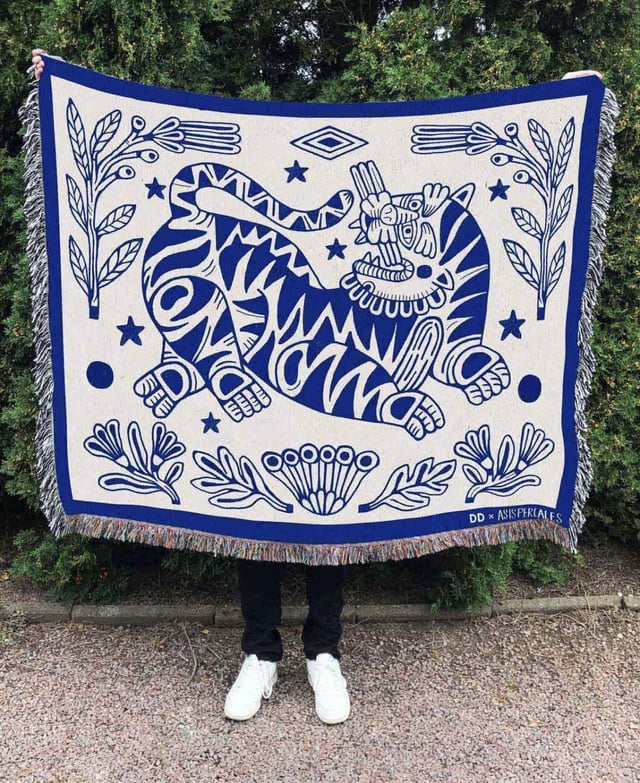
Have you ever tried painting a large tapestry, only to struggle with it stretching and warping under your brush? It can be frustrating to see your artwork lose its shape before you even finish.
But what if you could keep your tapestry perfectly flat and stable, no matter how big it is? In this guide, you’ll discover simple, effective techniques to paint your large tapestry without stretching it. By the end, you’ll feel confident and ready to bring your creative vision to life—without the usual headaches.
Keep reading, because your tapestry deserves to look just as amazing as you imagine.
Choosing The Right Tapestry Material
Choosing the right tapestry material is crucial if you want to paint a large tapestry without it stretching or warping. The fabric you select directly affects how your paint adheres and how the tapestry holds up over time. Picking a stable, appropriate fabric helps you avoid frustration and keeps your artwork looking sharp.
Fabric Types Ideal For Painting
Look for natural fibers like cotton or linen. These fabrics offer a good balance of strength and texture, making them easier to paint on without stretching.
- Cotton canvas:Durable and widely available, cotton canvas holds paint well and resists stretching when properly prepared.
- Linen:Slightly stiffer than cotton, linen provides a firm surface that minimizes fabric movement.
- Muslin:Lightweight but stable, muslin is great for detailed painting if stretched correctly.
Choosing these fabrics means less time fixing wrinkles or sagging, allowing you to focus on your design instead of fabric issues.
Avoiding Stretch-prone Materials
Steer clear of synthetic fabrics like polyester or nylon. These materials tend to stretch or shrink unevenly, complicating your painting process.
- Jersey knits:Stretchy and flexible, making it hard to keep your painting surface steady.
- Satin or silk:Slippery textures cause paint to pool and fabric to shift unexpectedly.
- Thin blends:Often lack the firmness needed for large-scale painting projects.
Have you ever tried painting on a fabric that pulled or wrinkled mid-project? It can ruin hours of work. Picking the right material upfront saves you from this common pitfall.

Credit: www.amazon.ca
Preparing Your Workspace
Preparing your workspace is crucial before you start painting a large tapestry. A well-organized area helps you avoid stretching the fabric and keeps your artwork smooth and even. Taking time to set up properly can save you frustration and improve your final result.
Setting Up A Flat Surface
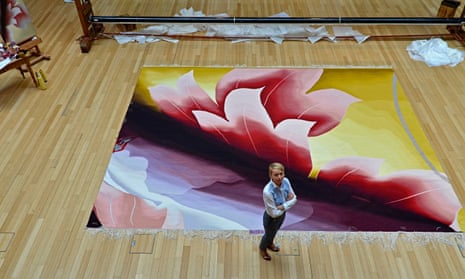
Choose a surface that is completely flat and large enough to hold your tapestry without folding or bunching. A clean table or a sturdy floor area covered with a protective sheet works well. Make sure the surface can support the weight of the tapestry when it is wet with paint.
If the surface is too small, you risk folding the edges and stretching the fabric as you work. Use weights or clips around the edges to keep the tapestry flat without pulling it tight. Have some extra space around your workspace to move freely and avoid accidental tugs.
Ensuring Proper Lighting And Ventilation
Good lighting lets you see true colors and catch any uneven paint spots early. Natural daylight is best, but if that’s not possible, use bright, white LED lights placed evenly around your workspace. Avoid harsh shadows that can trick your eye and cause mistakes.
Ventilation is just as important to keep your paint drying evenly and to protect your health. Open windows or use fans to circulate fresh air, especially if you are using acrylics or other paints with strong fumes. Have you ever noticed how a stuffy room slows down drying and makes the air hard to breathe? Don’t let that happen to your creative space.
Securing The Tapestry
Painting a large tapestry without stretching requires careful support and gentle handling. Using a sturdy frame or table keeps the fabric steady and flat. This prevents damage while allowing smooth, even paint application across the surface.
Securing a large tapestry for painting without stretching it can be a bit challenging, but with the right techniques, you can maintain the integrity of the fabric. This process ensures that your tapestry remains flat and stable while you work, preventing any unwanted distortions. Let’s explore some effective ways to secure your tapestry for painting.Using Weights And Clips
Consider using weights and clips to keep your tapestry steady. Weights, such as small bags of sand or heavy books, can be strategically placed around the edges to hold it in place. Clips can also be used to attach the tapestry to a sturdy surface like a table or a board. Make sure the clips do not pinch or damage the fabric. Opt for padded clips or those specifically designed for fabric. This method allows you to easily adjust the tension and positioning, giving you more control over your work area.Adhesive Options That Don’t Damage Fabric
There are several adhesive options that won’t harm your fabric. Double-sided fabric tape is a popular choice, as it provides a temporary hold without leaving residue. You can apply the tape along the edges or at key points to keep the tapestry flat. Another option is using repositionable spray adhesive, which gives a gentle bond. Spray lightly from a distance to avoid soaking the fabric. Test the adhesive on a small, inconspicuous area to ensure it doesn’t affect the tapestry’s material or color. What other creative methods have you tried to secure your tapestry for painting? Feel free to share your experiences and ideas in the comments below!Selecting Suitable Paints And Brushes
Choosing the right paints and brushes is crucial when painting a large tapestry without causing it to stretch. The wrong materials can make the fabric stiff or lead to uneven coverage. Your goal is to maintain the tapestry’s flexibility while achieving vibrant, long-lasting colors.
Best Paints For Fabric
Not all paints work well on fabric, especially large tapestries. Fabric paints or acrylic paints mixed with a fabric medium offer the best results. They remain flexible after drying, preventing the fabric from becoming rigid.
Look for paints labeled as permanent and washable. These resist cracking and fading over time. Avoid heavy paints that soak too deeply or create thick layers; they might pull on the fabric, causing stretching.
Have you tried testing different paints on a small fabric scrap? This can reveal how each paint interacts with your tapestry’s material before committing to the whole piece.
Brush Types For Large Surfaces
Using the right brushes helps you cover large areas smoothly and evenly. Wide, flat brushes made of synthetic fibers work best because they hold paint well and glide over fabric without snagging.
Foam brushes are another good choice for avoiding brush strokes and achieving smooth coverage. They also apply paint gently, reducing the risk of stretching your tapestry.
Consider having a variety of brush sizes on hand. Large brushes for broad strokes and smaller ones for details will give you better control without stressing the fabric.
Techniques To Prevent Stretching
Preventing stretching while painting a large tapestry is key to keeping its shape and design intact. Stretching can distort the fabric, ruining the artwork. Using careful techniques helps maintain the tapestry’s original texture and size. These approaches allow smooth painting without pulling or warping the fabric.
Painting In Sections
Divide the tapestry into smaller, manageable sections. Focus on one area at a time to avoid overworking the fabric. This keeps tension even and limits stress on any part. Use gentle strokes and let each section dry before moving on. Painting gradually helps preserve the tapestry’s shape.
Applying Even Pressure
Use consistent pressure with your brush or sponge. Pressing too hard can stretch the fabric. Hold your brush lightly and glide it across the tapestry’s surface. Spread paint evenly to avoid thick spots that pull the fabric. Balanced pressure protects the tapestry from damage.

Credit: www.picturehangsolutions.com
Drying And Finishing Touches
Drying and finishing touches are crucial steps that ensure your large tapestry painting looks stunning and lasts for years. Skipping these can lead to paint cracking or colors fading over time. Taking your time here protects your hard work and preserves the beauty of your tapestry.
Proper Drying Methods
Let your tapestry dry flat on a clean, dust-free surface. Hanging it too soon can cause the fabric to stretch or warp, which ruins your careful painting. If your workspace is humid, use a fan to circulate air gently—avoid direct heat or sunlight as they can cause uneven drying.
Do you have pets or kids around? Cover your tapestry loosely with a breathable cloth to keep dust and pet hair off. Check the drying progress every few hours; if the paint still feels tacky after 24 hours, give it more time before moving on.
Sealing And Protecting Your Artwork
Once dry, sealing your tapestry is essential to prevent dust, moisture, and fading. Use a clear, fabric-safe sealant spray designed for painted textiles. Apply several light coats rather than one heavy coat to avoid stiffening the fabric.
Test the sealant on a small, hidden area first to ensure it doesn’t alter your colors or texture. After sealing, avoid folding or stretching the tapestry for a few days to let the finish fully cure. Would you want your masterpiece to last decades? Proper sealing is the answer.
Common Mistakes To Avoid
Painting a large tapestry requires care to keep the fabric intact and smooth. Mistakes can damage the material or ruin your artwork. Avoiding these errors helps you create beautiful, lasting pieces. Focus on the common pitfalls that many painters face when handling large fabrics.
Overstretching The Fabric
Pulling the fabric too tight can cause it to stretch out of shape. This leads to distortion in the design and may weaken the material. Overstretching also makes the fabric harder to paint evenly.
Use gentle tension to keep the tapestry flat. Avoid forcing the fabric beyond its natural limits. Secure the edges lightly to prevent warping during painting.
Using Incompatible Materials
Choosing the wrong paints or adhesives can harm the tapestry. Some paints cause stiffness or cracking after drying. Others may not adhere well, leading to peeling or fading.
Select fabric-friendly paints made for textiles. Test materials on a small fabric piece before starting the full tapestry. Use brushes and tools that suit the fabric type to ensure smooth application.
Credit: www.theguardian.com
Frequently Asked Questions
How Do I Prepare A Tapestry For Painting?
Start by cleaning the tapestry gently to remove dust. Lay it flat on a smooth surface. Use a protective sheet underneath to avoid damage. Secure the edges with tape or clips to prevent shifting during painting.
What Paint Is Best For Large Tapestries?
Acrylic paint is ideal for tapestries. It adheres well to fabric and dries quickly. Choose fabric-specific acrylics for flexibility. Avoid heavy or oil-based paints that can stiffen or damage the fabric.
How Can I Avoid Stretching The Tapestry While Painting?
Support the tapestry on a rigid frame or board. Avoid pulling or tugging the fabric. Work in small sections and apply paint gently. Let each layer dry fully before moving the tapestry.
Should I Stretch The Tapestry Before Or After Painting?
It’s best to paint without stretching to prevent distortion. Stretching after painting can cause cracking or damage. Secure the tapestry flat during painting and stretch it only when fully dry.
Conclusion
Painting a large tapestry without stretching takes patience and care. Keep the fabric flat and use gentle brush strokes. Work slowly to avoid pulling or distorting the material. Choose the right type of paint for fabric to ensure good coverage.
Let each layer dry fully before adding more color. With these tips, your tapestry will look beautiful and stay intact. Enjoy the creative process and your finished artwork!



