

Have you ever wanted to turn your favorite photo into a stunning piece of wall art? Printing a canvas photo is an easy way to bring your memories to life and give your space a personal touch.
But how do you make sure your picture looks perfect on canvas? You’ll discover simple steps to create a beautiful canvas print that you’ll be proud to display. Whether it’s for your home, office, or as a gift, you’re just moments away from transforming your photo into a work of art.
Keep reading, and you’ll learn exactly how to do it right.
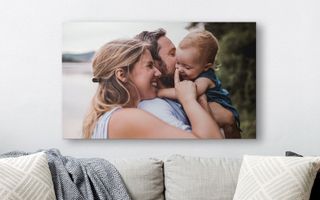
Credit: www.canvaspeople.com
Choosing The Right Photo
Choosing a clear, high-quality photo ensures your canvas print looks sharp and vibrant. Focus on images with good lighting and simple backgrounds for best results.
Choosing the right photo to print on canvas is more than just picking a favorite image. It requires a thoughtful selection to ensure the final print is both visually stunning and meaningful. Here, we’ll dive into some key considerations to help you make the best choice.Resolution And Quality
The resolution of your photo plays a crucial role in the quality of the canvas print. A high-resolution image ensures that your photo doesn’t appear pixelated or blurry when enlarged. Aim for a resolution of at least 300 DPI (dots per inch) for the best results. Consider the size of the canvas you want. The larger the canvas, the higher the resolution needed. Always check the pixel dimensions of your image to match the desired canvas size.Subject And Composition
The subject of your photo should be compelling and appropriate for display. Think about the story or emotion you want your canvas to convey. Composition matters. Ensure that the main subject is well-positioned within the frame. Using the rule of thirds can help create a balanced and engaging composition.Color And Contrast
Vibrant colors and strong contrast can make your canvas print pop. Assess the color palette of your photo—does it evoke the mood you want? Adjusting contrast can enhance the depth and detail in your image. Be mindful of how colors may shift once printed on canvas, and consider making necessary edits to achieve the desired effect. Choosing the right photo is a creative process. What story do you want your canvas to tell? Take your time and enjoy the journey of transforming your memories into art.Selecting Canvas Size And Type
Choosing the right canvas size and type is important for a great photo print. The size affects how your image looks on the wall. The type changes the overall feel and durability. These choices help your photo stand out and fit your space well.
Standard Vs Custom Sizes
Standard sizes fit most rooms and frames easily. They are popular and usually cost less. Common sizes include 8×10, 16×20, and 24×36 inches.
Custom sizes let you create a unique look. You can match unusual spaces or specific wall areas. Custom sizes may cost more and take longer to print.
Matte Vs Glossy Finish
Matte finish gives a soft look. It reduces glare and hides fingerprints well. This finish works great in bright rooms.
Glossy finish adds shine and makes colors pop. It shows details clearly but can reflect light. Glossy is good for vivid, colorful photos.
Material Options
- Cotton Canvas:Natural texture and strong. It gives a classic art feel.
- Polyester Canvas:Smooth surface and water-resistant. Colors stay bright longer.
- Blended Canvas:Combines cotton and polyester. Offers durability and good color.
Pick a material that fits your style and space. The right choice helps your photo look its best for years.
Preparing The Image For Printing
Preparing your image for printing is a crucial step that can make a big difference in the final look of your canvas photo. It’s more than just picking a picture; it’s about making sure that every detail is sharp, colors pop, and the file is ready to bring your vision to life on canvas. Taking the time to prepare your image carefully helps avoid surprises and ensures your print looks professional and vibrant.
Editing And Cropping
Editing your photo allows you to highlight the best parts and remove any distractions. Crop your image to fit the canvas size while keeping important elements centered and balanced. Ask yourself: what do you want people to focus on? Removing unnecessary background space can make your subject stand out more.
Use simple tools like Photoshop or free apps like Canva to adjust the composition. Remember, cropping too much can reduce image quality, so balance is key. Adjust brightness and contrast slightly here if needed to make the image clearer.
Color Correction
Colors often look different on screen than on canvas. Adjusting colors before printing ensures your canvas photo looks true to your vision. Increase saturation gently to make colors vivid but avoid overdoing it, which can cause unnatural tones.
White balance correction is essential if your photo looks too warm or cool. Think about where you’ll display the canvas—will it be in natural light or a room with artificial lighting? This can affect how colors appear once printed.
File Formats And Dpi
Choosing the right file format and resolution is key for sharp, clear prints. Save your image as a high-quality JPEG or PNG to keep details intact. TIFF files are excellent if you want no compression at all, but they take up more space.
Resolution matters: your image should be at least 300 DPI (dots per inch) for canvas printing. Lower DPI can result in blurry or pixelated prints, which no one wants. Check your image size in pixels and compare it to the canvas dimensions to ensure you have enough detail.
Choosing A Printing Service
Choosing the right printing service plays a big role in creating a beautiful canvas photo. The quality of print, price, and speed all depend on your choice. It helps to know the options and what each service offers. This guide will help you make a smart decision for your canvas print.
Online Vs Local Printers
Online printers offer convenience and a wide range of options. You can upload your photo and order from home. Local printers let you see samples and talk to staff in person. They may provide faster pickup and personalized service. Both have pros and cons. Your choice depends on what matters most.
Pricing And Turnaround Time
Price varies by size, material, and printing method. Online services often have lower prices but may charge for shipping. Local printers might be pricier but save shipping costs. Turnaround time also differs. Online orders can take days to weeks. Local shops usually finish faster. Compare prices and delivery times before deciding.
Customer Reviews
Reviews show real experiences from past customers. They highlight print quality, service, and delivery speed. Look for reviews on trusted websites or social media. Pay attention to repeated comments about quality and customer support. Good reviews help avoid poor service and ensure satisfaction with your canvas print.
Printing At Home
Printing a canvas photo at home offers a personal touch to your artwork. It lets you control every step and saves time. The process requires specific tools and careful handling to ensure quality results. Understanding how to set up and manage your printer is key. Proper drying and handling after printing protect your photo’s look.
Required Equipment
- Inkjet printer with high resolution
- Canvas photo paper designed for printing
- Compatible ink cartridges (preferably pigment-based)
- Cutting tools for trimming the canvas
- Protective gloves to avoid smudges
- Spray fixative or varnish for finishing
Setting Up Printer
Use the printer’s manual to load the canvas paper correctly. Select the highest print quality in settings. Choose the correct paper type for canvas. Calibrate colors for accurate photo reproduction. Test print on regular paper before using canvas. Keep ink cartridges full to avoid streaks.
Handling And Drying
Handle the printed canvas with clean hands or gloves. Avoid touching the printed surface directly. Let the print dry flat in a dust-free space. Drying time depends on ink and paper type. Use a spray fixative to protect the print. Store prints away from sunlight and moisture.
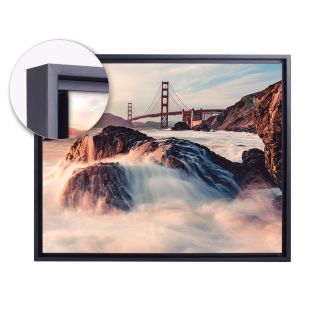
Credit: www.canvaspeople.com
Framing And Displaying Canvas Prints
Framing and displaying canvas prints enhances their beauty and protects them. Proper presentation brings your photo to life and fits your space style. Understanding how to stretch, frame, and mount canvas prints is essential for a lasting display.
Stretching The Canvas
Stretching keeps the canvas tight and smooth. Start by placing the canvas face down on a clean surface. Use stretcher bars to pull the canvas evenly on all sides. Secure the canvas with staples or tacks on the back of the frame. Make sure the canvas is tight to avoid wrinkles and sagging. Proper stretching gives a professional, polished look to your photo.
Frame Types
Frames protect and add style to canvas prints. Common frame types include:
- Floating frames:These frames create a gap between the canvas edge and the frame. It gives a modern, elegant look.
- Gallery frames:Thick frames that fully cover the edges. They offer a classic appearance.
- Thin frames:Minimal design that highlights the artwork itself.
Choose a frame that matches your room’s decor and the mood of the photo. Frames also protect the canvas from dust and damage.
Mounting Tips
Proper mounting ensures your canvas hangs securely and looks great. Use wall hooks or brackets that support the canvas weight. Measure carefully to hang the canvas at eye level. Use a level tool to keep the print straight. Avoid direct sunlight to prevent fading over time. Consider spacing between multiple prints for a balanced display.
Maintaining Canvas Prints
Maintaining canvas prints keeps your photos looking fresh and vibrant for years. Proper care protects your artwork from dust, moisture, and damage. Follow simple steps to ensure your canvas stays in great condition.
Cleaning Tips
Use a soft, dry cloth to gently wipe the canvas surface. Avoid using water or cleaning sprays, as they can damage the print. For stubborn dust, use a soft brush or a vacuum with a brush attachment. Never scrub or use harsh chemicals on the canvas.
Avoiding Damage
- Keep canvas prints away from direct sunlight to prevent fading.
- Do not hang near heat sources like radiators or fireplaces.
- Handle prints with clean, dry hands to avoid oils and dirt.
- Do not poke or press the canvas surface, as it may cause dents.
Storage Advice
Store canvas prints in a cool, dry place to avoid moisture damage. Wrap them in acid-free paper or cloth to protect from dust and scratches. Store prints upright or flat, but never bend or fold them. Use sturdy boxes if you need to move or store prints long-term.
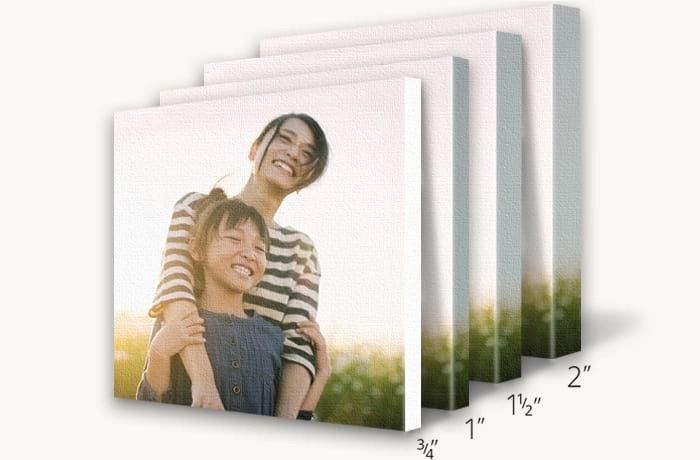
Credit: www.pictureframes.com
Frequently Asked Questions
How Do I Prepare A Photo For Canvas Printing?
To prepare a photo, use high-resolution images with at least 300 DPI. Crop and edit the photo for the desired size and quality. Ensure proper lighting and focus to enhance details before printing.
What Materials Are Best For Printing Canvas Photos?
Cotton and polyester blends are ideal for canvas printing. Cotton offers a natural texture, while polyester provides durability and vibrant colors. Choose a material based on your preference for texture and longevity.
Can I Print Canvas Photos At Home?
Yes, but you need a high-quality inkjet printer and canvas sheets. Home printing may lack professional finish and color accuracy. For best results, consider professional printing services.
How Long Does Canvas Photo Printing Take?
Canvas printing typically takes 2-7 business days, depending on the service. Rush options may be available at extra cost. Shipping time varies based on location and provider.
Conclusion
Printing a canvas photo is simple and fun. Choose a clear, high-quality image. Pick the right size and material for your space. Use a trusted printing service or do it at home. Take your time to check colors and details.
Enjoy the beautiful art that brings your memories to life. Start your canvas printing project today and add a personal touch to any room.



