
Are you ready to make your Christmas tree shine like never before? Putting on Christmas lights can transform your tree into a magical centerpiece that fills your home with warmth and joy.
But getting those lights just right isn’t always easy. You might worry about tangled cords, uneven lighting, or the perfect glow that brings out your tree’s beauty. Don’t worry—this guide will walk you through simple, step-by-step tips to help you light up your tree quickly and beautifully.
Keep reading, and you’ll learn how to create a dazzling display that will impress your family and friends all season long.
Choosing The Right Lights
Choosing the right lights is the first step in decorating your Christmas tree. The lights set the mood and make your tree shine beautifully. Picking suitable lights ensures safety and style. Consider brightness, color, size, and energy use. These factors help create a warm and festive atmosphere.
Types Of Christmas Lights
Christmas lights come in many types. Mini string lights are common and easy to wrap around branches. Net lights cover large areas quickly. Icicle lights hang like frozen drips and add charm. Rope lights are flexible and bright. Each type fits a different style or space.
Led Vs Incandescent
LED lights use less power and last longer. They stay cool to touch, safe for indoor trees. Incandescent lights give a warm glow but use more energy. They can get hot and burn out faster. LED lights save money and reduce fire risks.
Color And Style Options
Lights come in many colors and styles. Warm white lights offer a classic and cozy feel. Multicolor lights bring fun and cheer. Some lights twinkle or change colors for extra sparkle. Choose colors that match your room or holiday theme.
Preparing The Tree
Preparing your Christmas tree before hanging lights is key to achieving a beautiful, even glow. Taking time to ready the tree will make the decorating process smoother and more enjoyable. Let’s look at how you can get your tree ready for those sparkling lights.
Selecting The Tree
Your choice of tree affects how the lights will look and how easy they are to hang. Fresh trees with full, sturdy branches hold lights better and last longer throughout the season. Consider the shape and size of your space—too tall or too wide might create challenges when positioning and lighting.
Have you checked if the tree’s needles are still green and flexible? Dry or brittle needles mean the tree is past its prime, which can make decorating frustrating and less safe.
Trimming Branches
Trimming helps create space for lights and ornaments to shine without overcrowding. Remove any broken or overly thick branches that block light from reaching inner parts of the tree. This opens up the tree’s shape, allowing your lights to spread evenly.
Don’t hesitate to step back and look at the tree from different angles while trimming. This helps you spot uneven areas that could benefit from a little extra shaping.
Positioning The Tree
Where you place your tree influences how well the lights will show and how safe your setup will be. Choose a spot away from heat sources like radiators or fireplaces to keep the tree fresh and reduce fire risk. Also, pick a location with easy access to power outlets to avoid long extension cords.
Think about the view from different rooms and angles. Positioning the tree where most people will see it ensures your efforts will be appreciated the most. Have you tested the lighting conditions at night? Sometimes a slight move can make the lights look even better.
Testing The Lights
Test the lights before hanging to ensure every bulb works properly. This saves time and avoids dark spots on your tree. Plug them in and check for any flickering or broken bulbs.
Putting up Christmas lights is an exciting part of holiday decorating, but before you get to the fun part of draping them over your tree, it’s essential to ensure they’re in good working order. Testing your lights might seem tedious, but it can save you from frustration later. Imagine the disappointment of a beautifully decorated tree with a dark section because a few bulbs are out. Let’s dive into how you can effectively test your lights.Checking For Damaged Bulbs
The first step in testing your lights is to check for any damaged bulbs. A single broken bulb can sometimes cause an entire string to go dark. Carefully examine each bulb for cracks or broken filaments. Hold the string and gently twist the bulbs to ensure they are securely in their sockets. If they’re loose, it might cause them not to light up. This step is crucial in identifying any problem areas before they become bigger issues.Testing The Entire String
After checking individual bulbs, plug in the entire string to see if it lights up. It’s best to do this before putting them on the tree. Lay the lights out on the floor and plug them into an outlet. Observe if there are sections that do not light up, indicating a problem within the string.Replacing Faulty Lights
When you find a faulty bulb, replacing it is simpler than it seems. Most light sets come with spare bulbs, so keep these handy when testing. Unplug the string before replacing any bulbs to avoid any electrical mishaps. Remove the faulty bulb and insert a new one, ensuring it’s the correct type and size for your string. Remember to be patient during this process. A little effort in testing your lights beforehand can lead to a brighter, more festive Christmas tree. Have you ever had a light mishap that you could have avoided with a quick test? Share your tips in the comments!Stringing The Lights
Stringing the lights on your Christmas tree is a key part of creating a festive glow. It requires a good plan to make the tree look bright and balanced. The right approach makes your tree shine beautifully and safely.
Starting Point Selection
Begin near the power source or an easy-to-reach spot. This reduces the risk of unplugging or stretching cords. Starting low on the tree helps wrap lights upward smoothly. It also allows you to hide the plugs behind branches.
Wrapping Techniques
Wrap the lights around branches gently to avoid damage. Move in a spiral pattern, going from the trunk out to the tips. Secure lights loosely to prevent breaking bulbs or wires. You can also weave lights in and out of branches for depth.
Balancing Light Distribution
Spread lights evenly for a uniform glow. Avoid bunching lights in one area to prevent dark spots. Step back often to check the overall look. Adjust lights on areas that seem too dim or bright.
Securing The Lights
Securing Christmas lights on your tree keeps them in place and safe throughout the holiday season. Proper securing prevents lights from drooping or falling off. It also protects the wires from damage and reduces the risk of electrical hazards. Use simple tools and smart techniques to keep your lights neat and stable.
Using Clips And Hooks
Clips and hooks hold lights firmly on branches. Choose clips made for outdoor use to resist weather. Attach clips gently to avoid damaging branches. Space clips evenly to keep lights straight and tight. Hooks can hang lights from thicker branches or trunk areas. Both tools help maintain a tidy appearance and prevent lights from moving.
Tucking Wires Safely
Tuck wires inside branches to hide them and avoid tripping. Secure wires close to the tree trunk for extra support. Avoid pulling wires too tight to prevent breaking. Check that wires do not rub against rough surfaces. This protects insulation and lowers fire risk. Keep wires away from water sources and sharp objects.
Avoiding Overcrowding
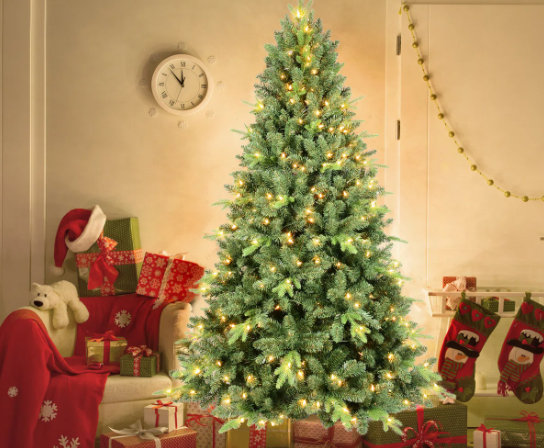
Give each light enough space to shine brightly. Overcrowded lights can cause overheating and dull the glow. Spread lights evenly from top to bottom and around the tree. Leave gaps between clusters to balance light and space. Proper spacing improves the tree’s overall look and safety. Remember, less can be more for a stunning display.
Credit: www.wayfair.ca
Creating A Stunning Glow
Creating a stunning glow on your Christmas tree brings magic to any room. The right lighting creates warmth and charm that catches every eye. A soft, even light makes the tree look full and inviting. Combining light placement with reflective decorations enhances the effect. Brightness control helps set the perfect mood for your holiday space.
Layering Lights
Start by wrapping lights around the tree trunk for depth. Next, weave lights through the branches from the inside out. Use different light sizes or colors to create layers. This adds texture and makes the tree sparkle from all angles. Spread lights evenly to avoid dark spots and bright bunches.
Adding Reflective Ornaments
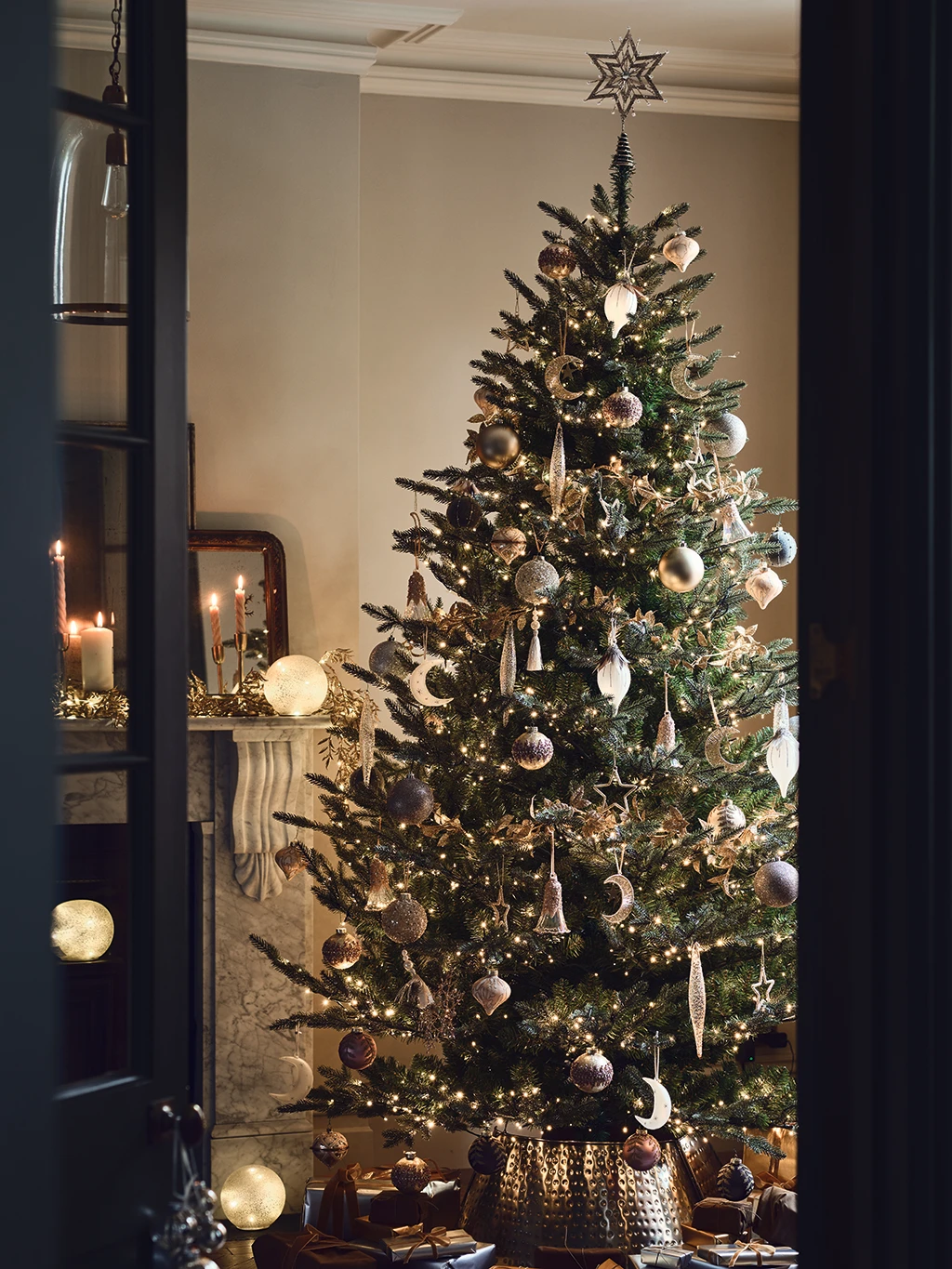
Place shiny ornaments near the lights to reflect and multiply glow. Use glass balls, metallic finishes, or glittery decorations. Position them where light hits directly for best shine. Reflective ornaments bounce light around, making the tree look brighter. Mix sizes and shapes for a natural, glowing effect.
Adjusting Brightness
Use dimmable lights or smart plugs to control brightness easily. Lower light levels create a cozy, calm atmosphere. Higher brightness makes the tree stand out in lively rooms. Adjust brightness depending on the time of day or event. This simple step lets you enjoy your tree glow just right.
Safety Tips
Putting up Christmas lights on your tree can transform your home into a festive wonderland. However, safety should always be your top priority to avoid accidents and ensure a joyful holiday season. Here are some essential safety tips to keep in mind while decorating.
Avoiding Electrical Hazards
Check all your light strands for damaged wires, broken bulbs, or loose connections before plugging them in. Using faulty lights can cause short circuits or fires, which are dangerous indoors and outdoors. Never overload electrical outlets or extension cords; this can lead to overheating and increase the risk of electrical shock.
Have you ever experienced a sudden blackout while decorating? That’s often a sign of overloaded circuits. To prevent this, spread out your lights across multiple outlets and use surge protectors if possible.
Using Outdoor-rated Lights
Always choose lights labeled “outdoor-rated” for your tree, especially if it’s outside or near open windows. These lights are designed to withstand moisture, cold, and other weather conditions. Indoor lights are not built to handle the elements and can become hazardous when exposed to rain or snow.
Think about the last time you saw lights flickering or sparking outside. That’s usually a sign they aren’t meant for outdoor use. Protect your home and loved ones by selecting the right type of lights for your setup.
Unplugging When Not In Use
Make it a habit to unplug your Christmas lights every night or when you leave the house. Leaving lights on unattended increases the risk of electrical fires, especially if there’s a fault in the wiring. Using a timer can help you manage this easily without forgetting.
Have you ever noticed how much cooler your tree looks without glowing lights at dawn? Turning lights off when not needed saves energy and reduces wear on your decorations. It’s a simple step that adds an important layer of safety.

Credit: sunnydazedecor.com
Maintaining The Lights
Keeping your Christmas lights shining brightly all season long requires more than just a quick setup. Maintaining the lights ensures they stay safe, efficient, and beautiful on your tree. Let’s look at simple steps you can take to protect your investment and enjoy hassle-free holiday glow year after year.
Regular Inspections
Check your lights before and during the holiday season for any signs of damage. Look for frayed wires, broken bulbs, or loose connections that could cause shorts or outages. It only takes a few minutes but can prevent bigger problems like electrical hazards or dark spots on your tree.
Ask yourself: Are all bulbs lighting up evenly? If not, pinpoint the faulty ones and replace them immediately. Staying proactive saves you from last-minute frustration and keeps your display flawless.
Storing Lights Properly
After the holidays, how you store your lights impacts their lifespan. Avoid stuffing them into tangled knots or sharp boxes that can crush wires. Instead, gently wrap the strands around a piece of cardboard or use a dedicated light reel to keep them organized and untangled.
Store your lights in a cool, dry place to prevent moisture damage or corrosion. This simple step can make a huge difference when you unpack them next year, saving you time and money on replacements.
Replacing Old Strings
Old light strings can become safety hazards and look dull compared to new LED options. If your lights flicker frequently or bulbs burn out quickly, it’s time to replace the entire string rather than patching repeatedly. This improves safety and enhances your tree’s overall brightness.
Consider upgrading to LED lights for better energy efficiency and longer life. Have you noticed how much cooler LED lights run compared to traditional ones? That’s a benefit you’ll appreciate while decorating and enjoying your tree.
Credit: www.marksandspencer.com
Frequently Asked Questions
How Do I Prepare A Tree For Christmas Lights?
Start by choosing a sturdy tree and trimming any dead branches. Ensure the tree is clean and dry. Test your lights before hanging to avoid issues. Plan your light layout for even coverage and easy access to power outlets.
What Type Of Lights Work Best On Christmas Trees?
LED string lights are ideal due to their low heat and energy efficiency. Choose warm white or multicolor based on your decor. Ensure lights are rated for indoor use and have a suitable length for your tree size.
How Can I Safely Hang Lights On A Tree?
Use insulated hooks or clips to avoid damaging branches. Start at the base and wrap lights upward evenly. Avoid overloading electrical outlets and never use damaged wires. Keep cords away from water sources to prevent electrical hazards.
How Many Lights Do I Need For My Christmas Tree?
A good rule is 100 lights per foot of tree height. For a 6-foot tree, use about 600 lights. Adjust based on tree fullness and desired brightness. More lights create a more vibrant and festive look.
Conclusion
Decorating your tree with Christmas lights brings joy and warmth. Start with a plan to wrap lights evenly around branches. Choose lights that suit your style and tree size. Take your time and be patient during the process. Step back often to check your work and adjust.
A well-lit tree makes holiday moments extra special. Enjoy the glow and festive spirit it creates. Remember, simple steps lead to beautiful results every time. Happy decorating and have a wonderful holiday season!



