
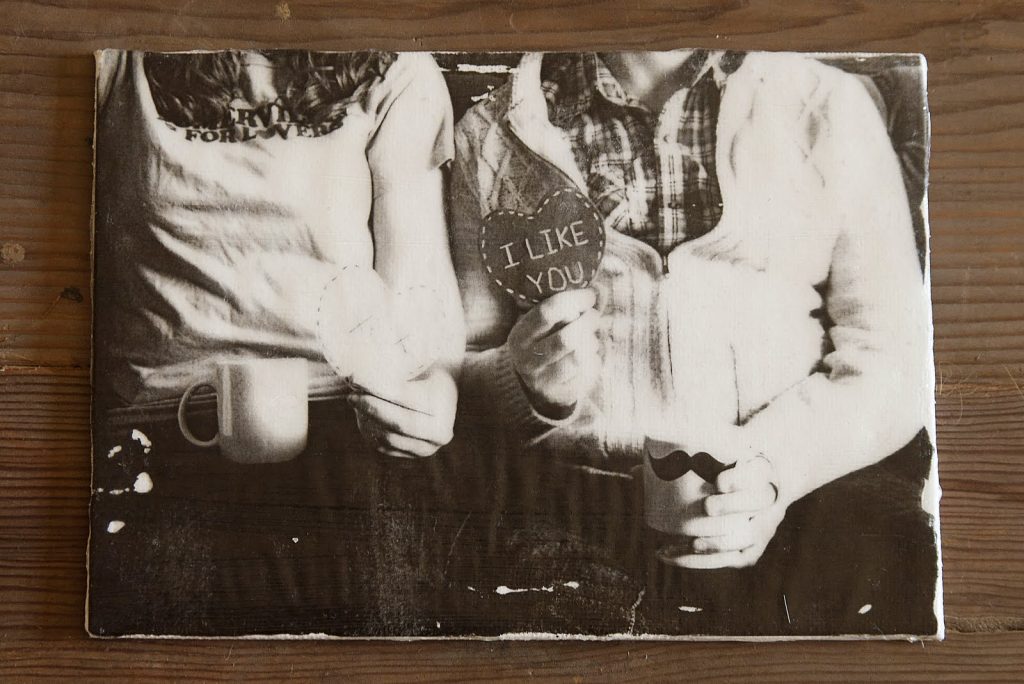
Are you looking to turn your favorite photos into stunning canvas art? Imagine your walls coming alive with memories that you can see and feel every day.
Putting photos on canvas is easier than you think, and it’s a perfect way to add a personal touch to your home or create a unique gift. You’ll discover simple steps and insider tips that make the process smooth and fun.
Ready to transform your photos into beautiful canvas prints? Let’s dive in!

Credit: www.jenniferbrecheisen.com
Choosing The Right Photo
Choose clear, high-quality photos with good lighting and focus. Images with simple backgrounds work best for canvas printing. Select photos that hold special meaning to make your canvas more personal and memorable.
Choosing the right photo for your canvas can be exciting. This step sets the stage for a stunning canvas display. It involves selecting an image that truly stands out. Consider the quality, composition, and how it fits with your decor.Selecting High-resolution Images
High-resolution images ensure clarity on canvas. Low-quality photos appear blurry when enlarged. Choose images with at least 300 DPI for best results. This resolution maintains detail and sharpness. It also enhances the overall appearance of the canvas.Considering Photo Composition
Photo composition affects visual appeal. Balanced images with clear subjects work well. Look for photos with good lighting and contrast. These elements make the image pop on canvas. A well-composed photo can transform your space.Matching Photos To Room Decor
Choose photos that complement your room’s style. Consider the colors and theme of your space. A harmonious blend creates a cohesive look. For example, beach scenes suit a coastal decor. Matching photos can enhance your room’s atmosphere.Preparing Your Photo
Preparing your photo carefully makes a big difference when putting it on canvas. It ensures your image looks sharp and vibrant, fitting perfectly on the canvas size you choose. Taking the time to edit, crop, and decide on color style can transform a simple photo into a stunning piece of art.
Editing And Enhancing Images
Start by adjusting brightness, contrast, and sharpness to bring out the best in your photo. Even small tweaks can highlight details you might have missed before. If you want, try removing any distractions in the background to keep the focus on the main subject.
Have you noticed how a slight increase in contrast can add depth? Play around with these settings until the image feels alive but natural. Simple tools on your phone or free apps like Snapseed can handle these edits effectively.
Cropping For Canvas Size
Think about the canvas dimensions before cropping your photo. Different canvas sizes require different aspect ratios, so cropping helps avoid unwanted blank spaces or stretched parts. For example, a square canvas suits portraits or close-ups, while a rectangular one fits landscapes better.
Use a grid overlay to align important elements like faces or horizon lines. This keeps the composition balanced and pleasing to the eye. What part of your photo do you want viewers to notice first? Crop to emphasize that.
Choosing Color Or Black And White
Deciding between color and black and white changes the mood of your canvas drastically. Color photos can brighten a room and bring energy, while black and white photos offer a timeless, elegant feel. Consider the space where the canvas will hang and the atmosphere you want to create.
Try converting your image to black and white to see if it enhances textures or shadows that color might distract from. Sometimes, removing color helps tell a stronger story. Which version connects with you more emotionally?
Picking The Canvas Material
Choosing the right canvas material is essential to make your photo look stunning and last for years. The texture, finish, and thickness all affect how your image will appear once printed. Understanding these options helps you match your photo to the ideal canvas that suits your style and space.
Types Of Canvas Fabrics
Canvas fabrics mainly come in cotton and polyester varieties. Cotton offers a natural texture with a warm, classic look. Polyester, on the other hand, provides a smoother surface and is more resistant to stretching and shrinking.
Think about where your canvas will hang. Cotton works well for softer, artistic photos, while polyester is better for sharp details and vibrant colors. Sometimes, a blend of both fabrics can give you the best of both worlds.
Matte Vs Glossy Finishes
Deciding between matte and glossy finishes depends on the mood you want to create. Matte finishes reduce glare and give a soft, subtle look. This is perfect if your photo has a lot of fine details or if it will be placed in a brightly lit room.
Glossy finishes make colors pop and add shine, which can bring energy to your image. But be aware—glossy surfaces are more likely to show fingerprints and reflections. Ask yourself: Do you prefer a muted elegance or vibrant impact?
Thickness And Frame Options
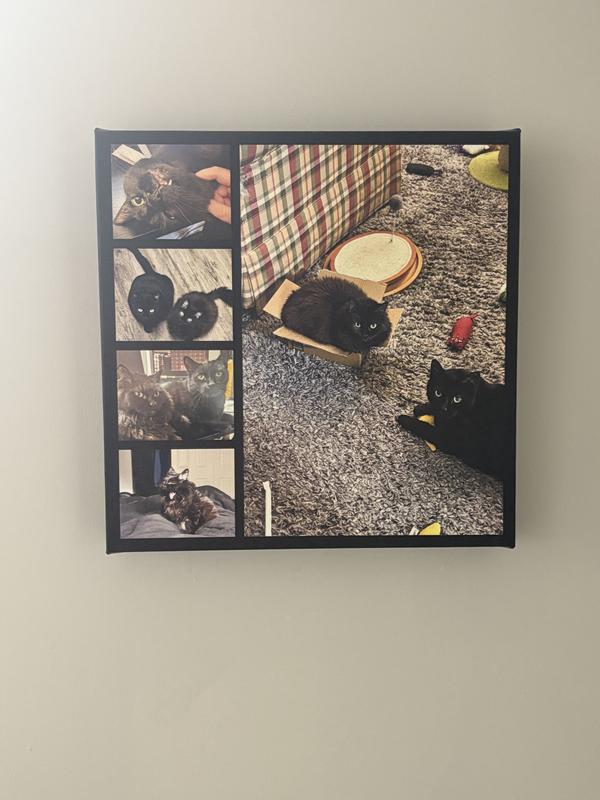
The thickness of your canvas affects its presence on your wall. Thicker canvases often come with wrapped edges, creating a three-dimensional effect without needing a frame. Thinner canvases usually require framing to look polished.
You can also choose between standard or gallery-style frames. Gallery wraps fold the canvas around the edges for a modern look. Traditional frames add a classic touch and protect the edges better. Consider how much depth and style you want to give your photo.
Credit: www.snapfish.com
Printing Methods
Choosing the right printing method is key to making your photo canvas look stunning. Different techniques affect the image quality, colors, and durability. Understanding these options helps you pick the best fit for your needs and budget.
Inkjet Vs Giclée Printing
Inkjet printing sprays tiny droplets of ink on the canvas. It works well for simple and fast prints. Giclée printing is a type of inkjet but uses high-quality inks and printers. This method produces sharper images with finer details. Giclée prints have smoother color gradients and better depth.
Durability And Color Accuracy
Giclée prints generally last longer than standard inkjet prints. They resist fading and moisture better. This means your canvas stays bright for years. Color accuracy is also higher with giclée. The colors look richer and true to the original photo. Inkjet prints may fade faster and show less vibrant colors over time.
Cost Considerations
Inkjet printing is more affordable and quick. It suits small projects or casual displays. Giclée printing costs more due to premium materials and time. This makes it ideal for fine art or professional-grade canvases. Your choice depends on how much you want to spend and the quality you expect.
Stretching And Mounting The Canvas
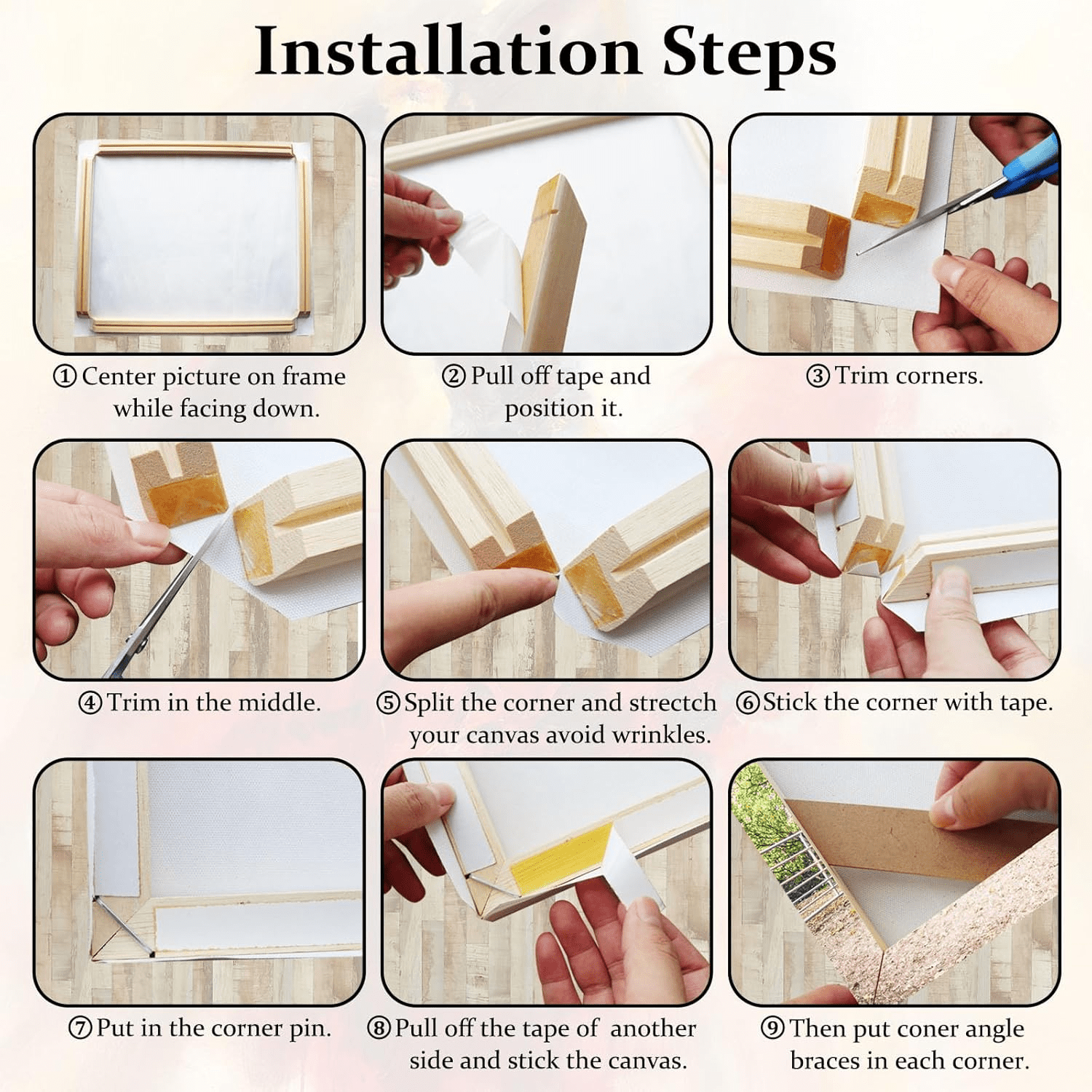
Stretching and mounting a photo on canvas transforms it into a stunning piece of art. Proper tension and support keep the canvas smooth and durable. This step enhances the image’s appearance and ensures it stays firm on the frame.
Stretching involves pulling the canvas tightly over wooden bars. Mounting secures the stretched canvas for display or framing. Both steps require care and precision to avoid wrinkles or sagging.
Diy Stretching Tips
Start with a clean, flat surface for stretching. Place the canvas face down on the table. Position the wooden stretcher bars to form a frame.
- Staple the canvas to the center of one side.
- Stretch the canvas tightly across to the opposite side.
- Staple the stretched side, then move to adjacent sides.
- Work from the center outwards, pulling evenly to avoid wrinkles.
- Fold corners neatly and secure them with staples.
Check the tension often. The canvas should feel firm but not too tight. Small adjustments can prevent damage.
Professional Mounting Services
Professional services offer expert stretching and mounting. They use high-quality frames and tools. This ensures a perfect fit and long-lasting results.
Professionals can handle large or delicate canvases easily. They also offer custom options like gallery wraps or floating frames. This saves time and guarantees a polished finish.
Framing Choices
Frames protect the canvas edges and add style. Choose from classic wood, metal, or modern floating frames. Each option highlights the photo differently.
| Frame Type | Description | Best For |
|---|---|---|
| Wooden Frames | Warm, traditional look | Portraits, landscapes |
| Metal Frames | Sleek, modern feel | Abstract, contemporary art |
| Floating Frames | Canvas appears to float inside the frame | Gallery-style displays |
Consider frame color and thickness to complement your photo. A good frame enhances the overall presentation.
Credit: www.walmart.com
Displaying Your Canvas Art
Displaying your canvas art enhances any room’s character instantly. Proper presentation highlights the photo’s details and colors. Thoughtful placement and care keep your canvas looking fresh and vibrant for years.
Choosing Wall Placement
Select a wall where the canvas can be the main focus. Avoid cluttered spaces to let the artwork stand out. Eye-level height works best for most viewers. Consider the room’s style and color to match the canvas. Large canvases suit spacious walls, while small ones fit cozy corners.
Lighting For Impact
Good lighting brings out the best in your canvas photo. Natural light makes colors look true and bright. Avoid direct sunlight to prevent fading over time. Use soft spotlights or LED lamps to highlight details. Position lights to reduce glare and shadows on the surface.
Maintaining And Cleaning Canvas
Keep dust off by gently brushing with a soft cloth. Avoid using water or cleaning sprays on the canvas surface. For stubborn dirt, a dry microfiber cloth works well. Store away from damp or humid areas to prevent damage. Check the hanging hardware regularly for stability.
Frequently Asked Questions
How Do I Choose The Best Photo For Canvas Printing?
Select a high-resolution photo with good lighting and clear focus. Avoid blurry or pixelated images. Choose pictures with vibrant colors or meaningful subjects for the best results on canvas.
What Size Photo Is Ideal For Canvas Printing?
Choose a photo with at least 150-300 DPI for clear prints. The canvas size depends on where you plan to hang it. Larger canvases require higher resolution images for quality.
Can I Print Photos On Canvas At Home?
Printing photos on canvas at home requires a specialized printer and canvas sheets. Most people prefer professional printing services for better quality and durability.
How Do I Prepare A Photo For Canvas Printing?
Edit your photo for brightness, contrast, and color correction. Crop to the desired aspect ratio. Save the image in a high-resolution format like TIFF or PNG.
Conclusion
Putting photos on canvas brings your memories to life. It adds a personal touch to any room. You can easily create beautiful wall art at home. Choose the right photo and canvas size for the best look. Follow simple steps to print and stretch your photo.
Enjoy the satisfaction of displaying your unique artwork. Start your canvas project today and brighten your space.



