
Is your desk lamp causing more glare than good light? That harsh shine can strain your eyes, make it hard to focus, and even ruin your productivity.
But the good news is, you don’t have to live with annoying glare. You’ll discover simple and effective ways to reduce glare from your desk lamp. By making a few easy changes, you’ll create a comfortable workspace that helps you see clearly and work better.
Keep reading to find out how to transform your desk lighting for good.
Credit: www.wiprolighting.com
Causes Of Desk Lamp Glare
Desk lamp glare can cause eye strain and discomfort. Understanding its causes helps reduce this problem. Several factors affect how much glare a desk lamp produces. These include light reflection, brightness, lamp position, and the type of lamp shade and bulb used.
Light Reflection And Brightness
Glare often comes from light reflecting off shiny surfaces. A glossy desk or screen can bounce light into your eyes. High brightness levels increase glare intensity. Bright lamps without diffusers cause harsh light that hurts your vision.
Lamp Position And Angle
The lamp’s position affects where light hits your workspace. If the lamp points directly at your eyes, glare occurs. Angles that reflect light toward your face also cause discomfort. Adjusting the lamp angle can reduce glare significantly.
Lamp Shade And Bulb Type
The lamp shade controls how light spreads. A narrow or clear shade lets light shine directly. This increases glare risk. Bulbs with a strong, focused beam add to glare. Soft, diffused bulbs lower glare and create a pleasant glow.
Choosing The Right Desk Lamp
Choosing the right desk lamp plays a big role in reducing glare. The right lamp creates a comfortable workspace. It balances brightness and softness to protect your eyes. Picking a lamp that fits your needs can improve focus and reduce eye strain.
Soft Vs. Harsh Lighting
Soft lighting is easy on the eyes. It spreads light evenly and reduces sharp shadows. Harsh lighting creates bright spots and strong shadows. These cause glare and discomfort. Choose lamps with diffusers or frosted covers for softer light. Soft light makes reading and working easier for long periods.
Adjustable Lamps
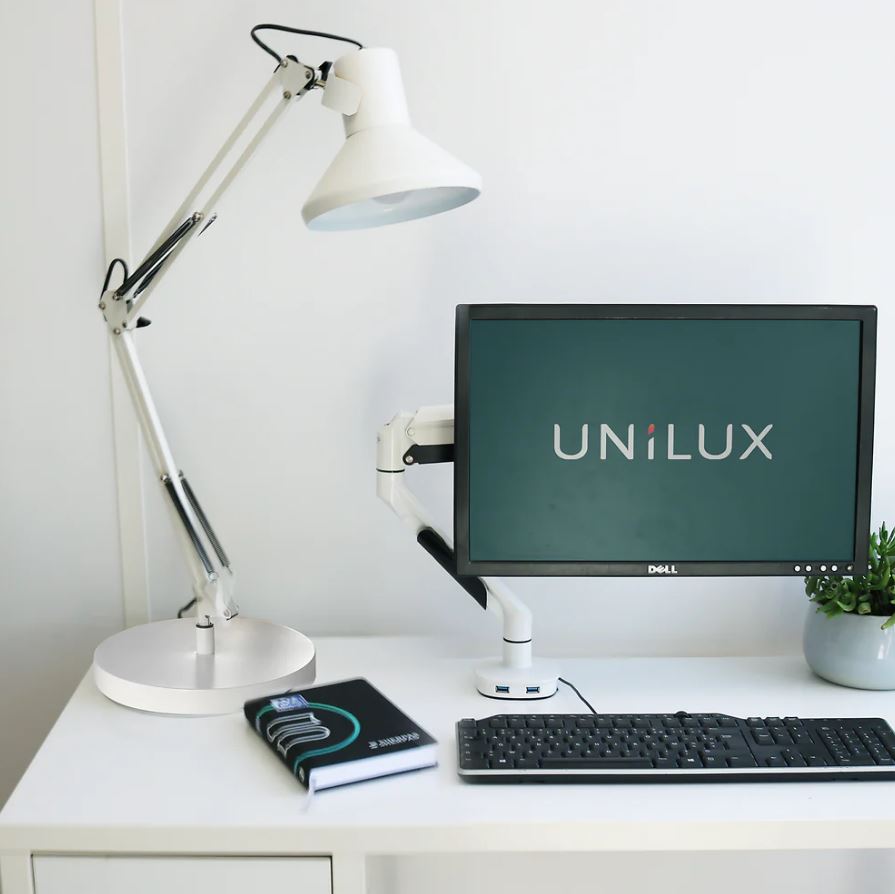
Adjustable lamps let you control light direction and brightness. You can move the lamp head closer or farther. This helps avoid direct glare in your eyes. Adjustable brightness settings offer more control over light intensity. Position the lamp to light your work area without shining into your eyes.
Led Vs. Incandescent Bulbs
LED bulbs produce bright, focused light with low heat. They last longer and use less energy. Incandescent bulbs give warm light but can create glare. LED lamps often have dimming options for better control. Choose LED bulbs with a warm color temperature to reduce eye strain and glare.
Adjusting Lamp Placement
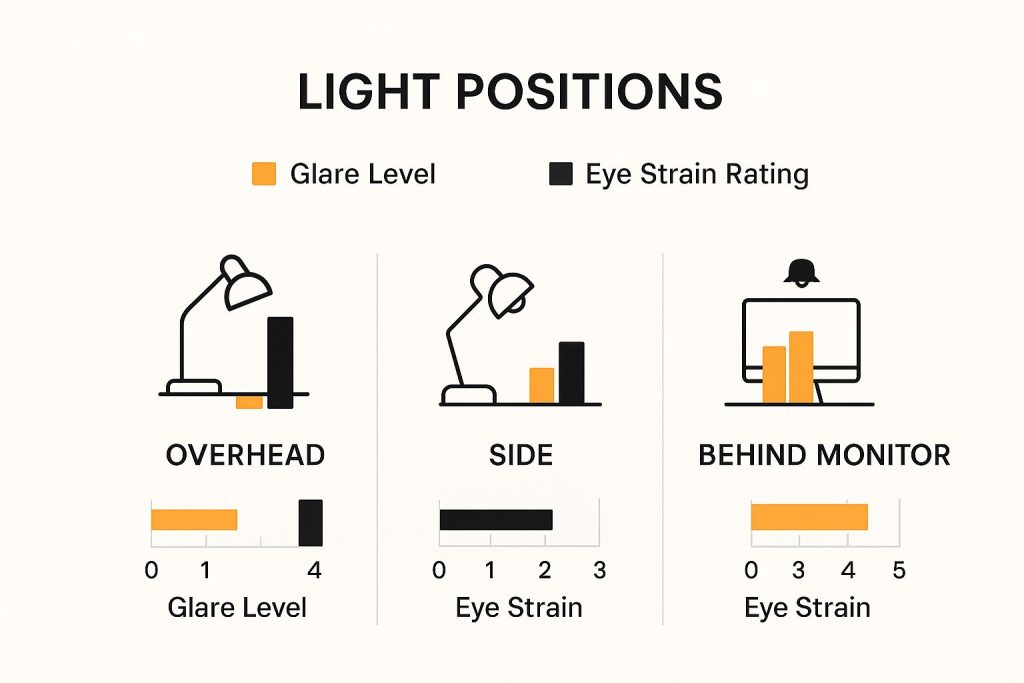
Place the lamp to the side of your desk, not directly in front or behind your screen. Adjust the height and angle to avoid light shining into your eyes. This helps reduce glare and makes working more comfortable.
Adjusting the placement of your desk lamp can significantly reduce the glare that often leads to eye strain and discomfort. Properly positioning your lamp involves considering the distance from your eyes, the height and angle, and ensuring the light does not hit your eyes directly. This simple adjustment can make a world of difference in your daily productivity and comfort.Optimal Distance From Eyes
Position your desk lamp at a distance that illuminates your workspace without being too harsh on your eyes. Ideally, the light source should be about 15 to 36 inches from your eyes. A handy tip is to place the lamp in such a way that the bulb is not directly visible. This setup ensures you have ample light on your desk while minimizing glare. Have you ever noticed how a slight shift in your lamp’s position can suddenly make reading more comfortable?Proper Height And Angle
Adjusting the height and angle of your lamp can further reduce glare. The lamp should be high enough to cover your workspace but not so high that it casts shadows. A good rule of thumb is to aim the light beam at the center of your work area. Try angling the lamp so it lights up your workspace evenly. This can prevent harsh contrasts between the lit and shadowed areas, making it easier on your eyes.Avoiding Direct Light In Eyes
Direct light can be intrusive, especially during extended work sessions. To avoid this, make sure the lamp’s light is focused on your work area, not your face. Positioning the light at an angle can help, as can using a lamp with a shade or diffuser. Have you ever realized how much more pleasant your workspace feels when you don’t have a glaring light in your eyes? Taking these steps can create a more comfortable and efficient working environment.Using Accessories To Minimize Glare
Glare from your desk lamp can strain your eyes and reduce productivity. Using the right accessories helps you soften or block harsh light effectively. These simple additions can transform your workspace into a more comfortable and glare-free zone.
Lamp Shades And Diffusers
Adding a lamp shade or diffuser is a quick way to reduce glare. They spread light evenly, cutting down on sharp, direct beams that cause discomfort. You can choose from fabric shades, frosted glass, or plastic diffusers depending on your lamp style and lighting needs.
I’ve used a frosted diffuser on my desk lamp and noticed a big difference in eye comfort during long work sessions. The soft, scattered light feels less aggressive but still bright enough to see clearly. Why not try one and see how it changes your focus?
Anti-glare Filters
Anti-glare filters stick onto your lamp’s bulb or cover to reduce brightness and reflections. They often come as transparent films or mesh screens, making them easy to apply and remove. These filters are especially useful if your lamp has a bright LED or halogen bulb that tends to shine directly into your eyes.
Using an anti-glare filter helped me cut down on the harsh reflections on my desk surface, which was a constant distraction. Consider the size and shape of your lamp bulb before selecting a filter to ensure a perfect fit. Could this simple accessory be the missing piece in your lighting setup?
Desk Lamp Covers
Desk lamp covers are protective shells that enclose the light source, softening the glow. They come in various materials like fabric, plastic, or metal with perforations to control light output. Covers not only reduce glare but also add style and personality to your workspace.
One time, I swapped my bare bulb for a sleek fabric cover and immediately noticed less eye strain. It also helped me focus better by reducing the sharp contrast between light and shadow. Have you considered how a cover might improve both the look and feel of your desk area?
Creating A Comfortable Lighting Environment
Creating a comfortable lighting environment is essential for reducing glare from a desk lamp. Proper lighting helps protect your eyes and improves focus during work or study. It balances brightness and minimizes harsh reflections that cause discomfort. A well-lit workspace supports better concentration and reduces eye strain over time.
Balancing Ambient And Task Lighting
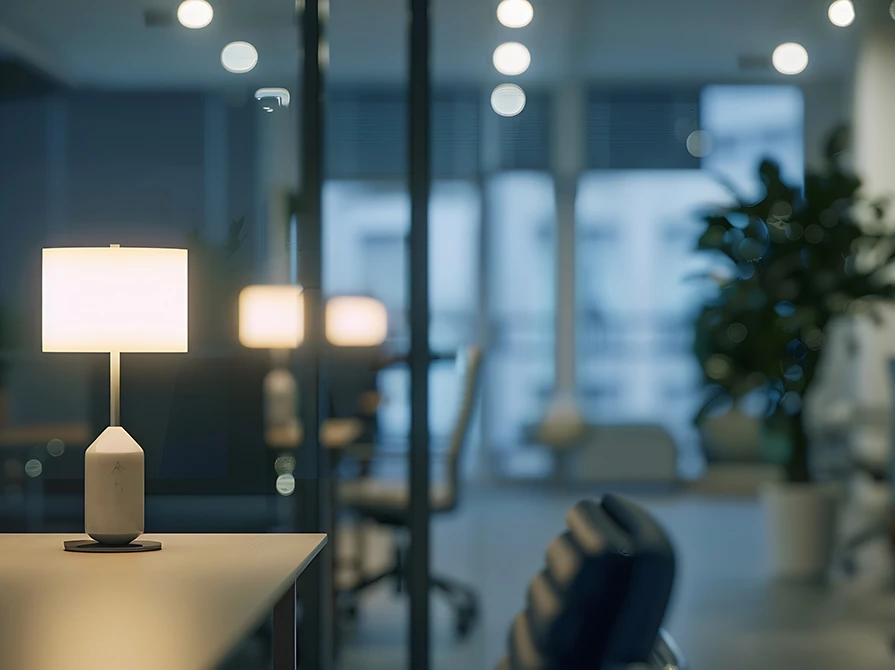
Good lighting mixes ambient and task light sources. Ambient light fills the room softly without creating shadows. Task lighting focuses on your work area for clear visibility. Avoid using a bright desk lamp alone in a dark room. Combine overhead lights with your desk lamp to create even light. This balance reduces sharp contrasts and glare on surfaces.
Reducing Screen Glare
Position your desk lamp to avoid light hitting your screen directly. Bright reflections on monitors cause eye fatigue and headaches. Use adjustable lamps to control direction and brightness. Anti-glare screen protectors can also help. Keep the screen clean to prevent extra reflections. Try to place your desk lamp beside or behind your monitor.
Maintaining Eye-friendly Brightness Levels
Choose bulbs with soft, warm light instead of harsh white or blue tones. Brightness should be enough to see clearly but not blind you. Use dimmable lamps to adjust light intensity throughout the day. Avoid flickering bulbs, as they strain your eyes. Proper brightness reduces glare and creates a soothing workspace.
Credit: www.staples.co.uk
Regular Eye Care Practices
Glare from your desk lamp can strain your eyes and disrupt your focus. Regular eye care practices play a vital role in reducing this discomfort and keeping your vision sharp. Taking simple steps daily can make a noticeable difference in how your eyes feel after hours of work.
Taking Frequent Breaks
Have you ever noticed your eyes feeling tired after staring at a screen for a long time? Taking breaks every 20 minutes can help your eyes relax and recover from the glare and screen brightness.
Try the 20-20-20 rule: every 20 minutes, look at something 20 feet away for at least 20 seconds. This small habit reduces eye fatigue and helps prevent glare-induced discomfort.
Adjusting Screen Settings
Your screen’s brightness and contrast can either worsen or ease the glare problem. Lowering the brightness so it matches the light around you helps reduce strain on your eyes.
Also, adjusting the color temperature to a warmer tone in the evening can lessen harsh blue light exposure, making it easier for your eyes to stay comfortable for longer periods.
Eye Exercises For Comfort
Simple eye exercises can improve blood flow and reduce tension caused by glare. Rolling your eyes slowly in circles or focusing on near and far objects alternately can keep your eye muscles flexible and relaxed.
Have you tried blinking intentionally more often? It may seem small, but blinking moistens your eyes and prevents dryness caused by staring into bright lights for too long.

Credit: www.amazon.com
Frequently Asked Questions
How Can I Reduce Glare From My Desk Lamp Effectively?
To reduce glare, use a lamp with a frosted or diffused shade. Position the lamp to avoid direct light in your eyes. Adjust brightness and angle to minimize reflections on screens or surfaces.
What Type Of Bulbs Minimize Desk Lamp Glare?
LED bulbs with a lower lumen output and warmer color temperature reduce glare. Avoid overly bright or cool white bulbs, as they cause harsh reflections and eye strain.
Where Should I Position My Desk Lamp To Avoid Glare?
Place the lamp beside or behind your screen. Aim the light downward or away from your eyes. This setup reduces direct light exposure and prevents glare on surfaces.
Does Using A Desk Lamp Dimmer Help With Glare?
Yes, a dimmer allows you to adjust brightness to comfortable levels. Lower light intensity decreases glare and eye fatigue during extended work sessions.
Conclusion
Reducing glare from your desk lamp improves comfort and focus. Adjust the lamp’s position to avoid direct light in your eyes. Use lampshades or diffusers to soften the brightness. Choose bulbs with lower wattage or warm tones for gentle light.
Simple changes make your workspace more pleasant and less tiring. Try these tips to create a better environment for work or study. Small steps bring big comfort. Keep your desk well-lit, but never harsh on your eyes.



