
Removing a large mirror glued to your wall can feel like a daunting task. You might worry about damaging the wall or the mirror itself.
But what if you could do it safely, without stress or costly repairs? You’ll discover simple, step-by-step methods to help you remove that stubborn mirror with ease. Keep reading, and you’ll learn the secrets to making this tricky job much easier than you ever imagined.
Your walls—and your peace of mind—will thank you.
Credit: mirrorvista.com
Tools Needed
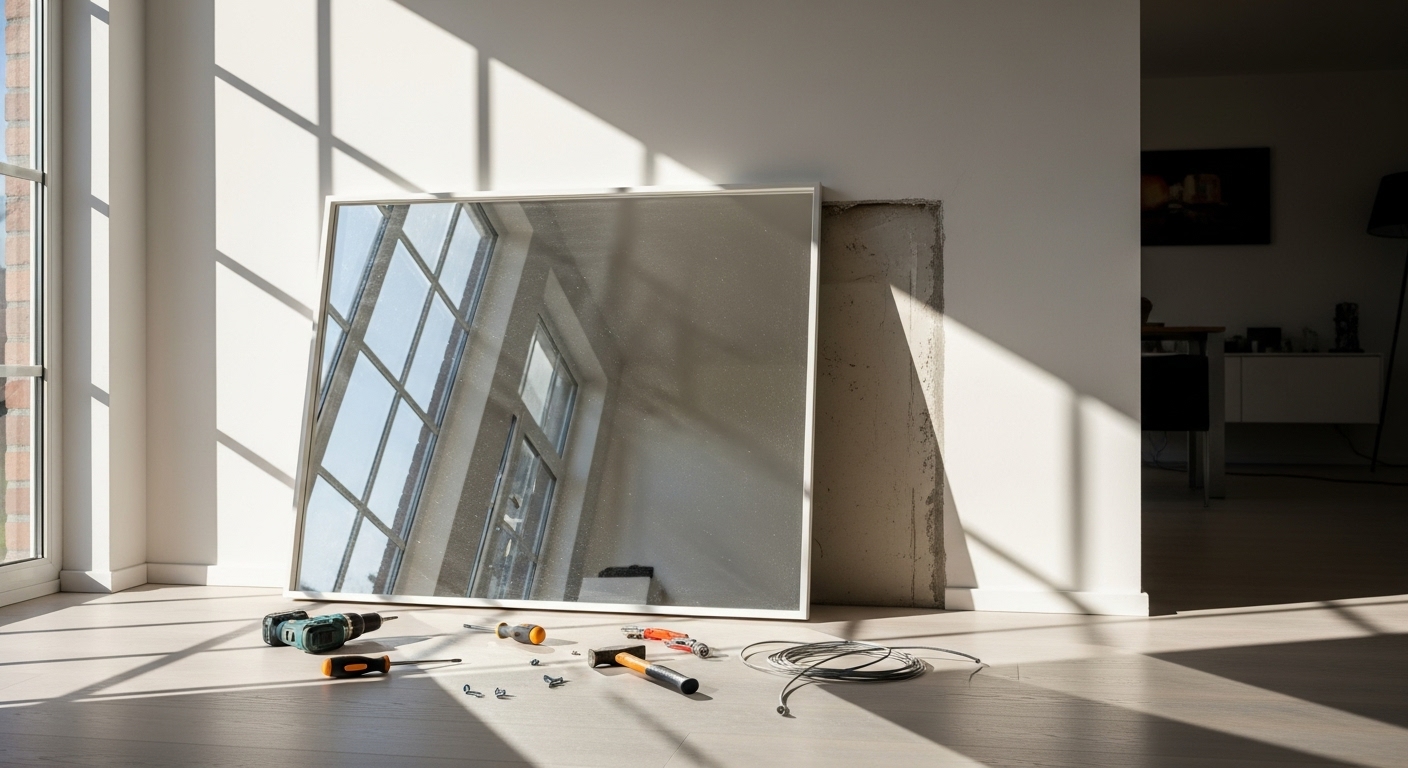
Removing a large mirror glued to a wall isn’t a simple task. It requires specific tools to do the job safely and effectively. Gathering the right equipment before you start can save you time and prevent damage to your walls or the mirror itself.
Essential Equipment
First, you’ll need a few key tools to loosen and lift the mirror carefully. A putty knife or a thin, flexible scraper helps you slide behind the mirror’s edges to break the adhesive seal. A pry bar or a flat crowbar can provide the leverage needed to gently pull the mirror away from the wall without cracking it.
Additionally, a heat gun or a hairdryer is incredibly useful. Warmth softens the glue, making it easier to separate the mirror from the surface. You’ll also want strong adhesive remover or rubbing alcohol to clean residual glue once the mirror is off.
Safety Gear
Safety should be your top priority when handling large mirrors. Thick work gloves protect your hands from sharp glass edges and accidental breaks. Safety goggles shield your eyes from shards or dust that might fly during removal.
Don’t forget to wear long sleeves and sturdy shoes to protect your skin. If you’re working indoors, a dust mask can prevent inhaling any particles stirred up during the process. Have a helper nearby to assist with lifting and to ensure the mirror doesn’t slip unexpectedly.
Have you considered how much easier the job gets when you’re fully prepared with the right tools and safety gear? Proper preparation can turn a stressful task into a manageable one.
Preparing The Area
Clear the space around the mirror to avoid accidents and protect your belongings. Lay down a drop cloth to catch debris and glue residue. Gather tools like a putty knife, gloves, and safety glasses before you start.
Removing a large mirror glued to a wall can be challenging. Before starting, prepare the area to ensure a smooth process. Proper preparation prevents accidents and damage. It also makes the task more efficient.Clearing The Space
Begin by clearing the space around the mirror. Remove any furniture and decorations nearby. This creates more room for movement. It also prevents accidental damage to your belongings. Make sure the area is free from obstacles. This ensures a safer working environment.Protecting Surfaces
Next, protect the surfaces in your workspace. Cover the floor with a drop cloth or old blanket. This will catch any debris or broken glass. Use painter’s tape to secure the cover in place. If possible, use cardboard or plywood against the wall below the mirror. This adds an extra layer of protection for your wall.Assessing The Mirror
Before you start removing a large mirror glued to your wall, it’s crucial to assess the mirror carefully. Understanding how the mirror is attached and its dimensions will help you plan the safest and most effective removal process. Skipping this step can lead to damage or injury, so take your time to evaluate the situation thoroughly.
Checking Attachment Type
Look closely at how the mirror is fixed to the wall. Is it glued directly, or does it have additional mounting brackets or clips? You might find that the adhesive layer is thick or thin, which will affect your removal technique.
Try gently tapping around the edges with your knuckles or a small tool. Does the mirror feel firmly stuck everywhere, or are there spots where it’s looser? Identifying these areas can help you find a starting point to separate the mirror without cracking it.
Estimating Weight And Size
Knowing the mirror’s weight and size is key to deciding if you need extra help or specific tools. Large mirrors can be heavy and awkward to handle alone, increasing the risk of dropping or breaking them.
Measure the height, width, and thickness. If you don’t have a scale, use common household objects for comparison. For instance, a mirror about 3 feet by 5 feet might weigh between 50 to 70 pounds, depending on thickness.
Ask yourself: Can you safely lift and carry this mirror by yourself? If not, arrange for a helper or proper lifting equipment before you begin. This preparation can prevent accidents and save you a lot of frustration.

Credit: www.reddit.com
Loosening The Adhesive
Removing a large mirror glued to a wall requires patience, especially when loosening the adhesive. The glue holds the mirror firmly, so softening it first makes the process safer and easier.
Two common ways to loosen adhesive involve heat and solvents. Both methods help break down the glue without damaging the wall or mirror.
Using Heat Methods
Heat helps soften many types of glue. A hairdryer or heat gun works well for this task. Hold the heat source a few inches from the mirror’s edges. Move it slowly to warm the glue evenly. Avoid overheating to prevent cracking the glass.
Heat makes the adhesive flexible. This reduces the bond strength. After heating for several minutes, test the mirror’s edge gently. It should start to lift with less force.
- Use a hairdryer on medium heat or a heat gun on low.
- Keep the heat source moving to avoid damage.
- Wear gloves to protect your hands from heat.
Applying Solvents Safely
Certain solvents dissolve glue effectively. Rubbing alcohol, acetone, or commercial adhesive removers can help. Test a small spot first to ensure no damage to the wall.
Apply the solvent carefully around the mirror edges. Use a cotton swab or small brush. Let it sit for a few minutes to soften the glue. Avoid soaking the wall to prevent paint damage.
- Wear gloves and ensure good ventilation.
- Do not mix solvents or use near open flames.
- Work slowly and patiently for best results.
Removing The Mirror
Removing a large mirror glued to a wall can be tricky. The mirror’s size and strong adhesive make it hard to detach. Careful handling is key to avoid damage or injury. Prepare your tools and work patiently to get the best result.
Techniques For Safe Detachment
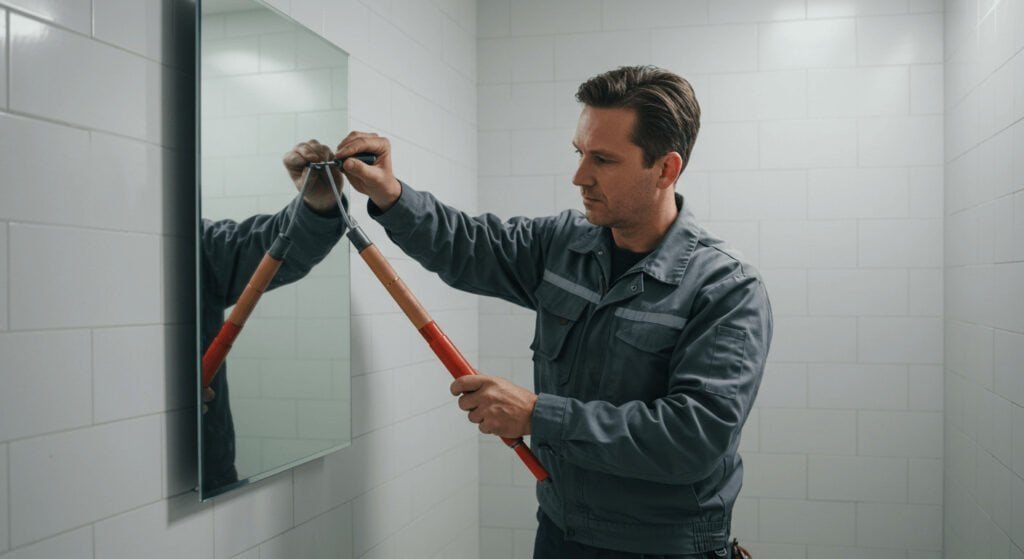
Start by protecting the mirror surface. Cover it with thick blankets or cardboard to catch falling glass shards. Use a utility knife to cut through the adhesive around the edges. Insert a thin wire or fishing line behind the mirror. Move it back and forth in a sawing motion to loosen the glue. A heat gun or hair dryer can soften the adhesive. Warm the edges gently but avoid overheating. Keep checking the mirror’s movement as you work. Avoid pulling too hard to prevent cracks or breaks.
Handling Large Mirrors
Large mirrors are heavy and fragile. Always have a helper nearby. Use gloves and safety goggles for protection. Hold the mirror from the bottom and sides. Keep it close to your body for better control. Move slowly and steadily to avoid sudden shifts. Place the mirror on a soft, flat surface once removed. Wrap it in blankets before moving it to another location. Never lean a large mirror against a wall unsecured. Safe handling reduces the risk of accidents and damage.
Dealing With Residue
After removing a large mirror glued to your wall, you’re likely left with sticky residue that can be stubborn and unsightly. Dealing with this residue is crucial to restore your wall’s smooth surface and prepare it for any future decoration. Tackling it carefully will save you from damaging the paint or drywall underneath.
Removing Glue Residue
Start by softening the glue residue to make removal easier. You can apply heat using a hairdryer set to a medium setting—hold it a few inches from the surface for a couple of minutes. This loosens the adhesive, making it less sticky and easier to scrape off gently with a plastic scraper or an old credit card.
If heat alone doesn’t do the trick, try using a small amount of rubbing alcohol or a commercial adhesive remover. Dab it onto a cloth and gently rub the residue in a circular motion. Be cautious not to oversaturate the wall, especially if it’s painted, as too much moisture can cause damage.
Cleaning The Wall Surface
Once the glue is removed, your wall might still look dull or have some leftover grime. Clean the surface with warm, soapy water and a soft sponge. This removes any remaining sticky bits and prepares the wall for repainting or new decor.
After washing, dry the wall thoroughly with a clean towel. If you notice any paint peeling or rough patches, a light sanding with fine-grit sandpaper can smooth things out. How often have you skipped this step and later regretted the uneven finish? Taking the time now ensures a flawless look later on.
Repairing Wall Damage
Removing a large mirror glued to a wall often leaves behind damage. The glue can pull off paint and drywall, causing holes and cracks. Repairing this damage is important for a smooth, clean wall surface. Proper repair will make the wall look like new and ready for repainting or new decorations.
Filling Holes And Cracks
Start by cleaning the damaged area from dust and loose pieces. Use a putty knife to apply spackling paste or wall filler into holes and cracks. Press the filler firmly to fill all gaps completely. Smooth the surface with the putty knife to avoid bumps. Let the filler dry fully; drying time depends on product instructions. For deeper holes, apply filler in layers, letting each layer dry before adding more.
Sanding And Painting Tips
Once the filler dries, sand the area gently with fine-grit sandpaper. Sand until the surface feels even and smooth to touch. Wipe away dust with a damp cloth before painting. Choose a paint that matches the existing wall color for a seamless look. Apply paint using a small roller or brush. Use thin coats and let each coat dry before adding another. This prevents drips and uneven texture on the wall.
Credit: bfymirror.com
Preventing Future Damage
Removing a large mirror glued to a wall can be tricky, but preventing damage during removal is only half the battle. Protecting your walls in the future starts with smart choices about how you mount your mirrors and how you take care of them afterward. You want to avoid the frustration and expense of patching holes or repainting walls every time you decide to move or adjust your décor.
Choosing Better Mounting Options
Think about alternatives to strong adhesives that can damage paint and drywall. Mechanical mounts like brackets, clips, or French cleats distribute weight evenly and make removal easier. These options let you take down the mirror without pulling paint or drywall off the wall.
If you prefer adhesives, try using removable mounting tape designed for mirrors. It holds well but peels off cleanly when needed. Have you ever struggled with stubborn glue that ruins your wall? Switching to these options can save you time and headaches.
Maintenance Advice
Regularly check your mirror’s mounting to catch any loosening early. Small adjustments prevent the need for emergency fixes that risk wall damage. Also, avoid hanging very heavy mirrors without proper support—it’s worth investing in professional help if you’re unsure.
Keep your walls dry and clean, especially behind the mirror. Moisture can weaken adhesives and cause damage when you remove the mirror later. What simple habits can you add to your routine to keep your walls mirror-ready?
Frequently Asked Questions
How Do I Safely Remove A Large Mirror Glued To Wall?
Start by softening the adhesive with heat using a hairdryer. Gently insert a thin wire or putty knife behind the mirror. Slowly work the tool side to side to loosen the glue. Use protective gloves and goggles to avoid injury from broken glass.
What Tools Are Needed To Remove A Glued Mirror?
You need a hairdryer or heat gun, thin wire or putty knife, gloves, goggles, and a drop cloth. These tools help soften glue, protect you, and prevent damage to the wall or mirror during removal.
Can I Reuse A Mirror After Removing It From The Wall?
Reusing depends on the mirror’s condition after removal. If the glass is intact and edges undamaged, reuse is possible. Clean off adhesive residue carefully. Otherwise, consider recycling or safely disposing of the mirror.
How To Protect The Wall While Removing A Glued Mirror?
Place a drop cloth or cardboard on the floor to catch debris. Use a putty knife gently to avoid damaging the wall surface. Heat the adhesive evenly to minimize wall damage. Patch small holes or marks after removal.
Conclusion
Removing a large mirror glued to a wall takes patience and care. Use the right tools and work slowly to avoid damage. Keep safety in mind by wearing gloves and eye protection. Take breaks if the task feels tough. After removal, clean the wall gently to remove any glue left behind.
This method helps keep your wall safe and ready for new decor. Try these steps for a smooth and safe mirror removal experience.



