
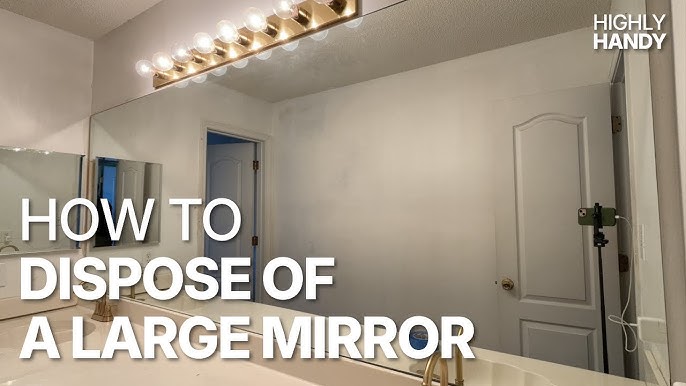
Are you staring at a large wall mirror and wondering how to take it down without breaking it or damaging your wall? Removing a big mirror can feel tricky and even a little risky.
But don’t worry—this guide will walk you through simple, clear steps to get the job done safely and smoothly. You’ll learn how to protect yourself, your walls, and the mirror itself. Keep reading, and soon you’ll have that mirror off the wall without stress or mess.

Credit: www.youtube.com
Tools Needed
Removing a large wall mirror requires the right tools to make the job safe and efficient. Without proper equipment, you risk damaging the wall, the mirror, or even hurting yourself. Gathering these tools before you start will save you from frustrating interruptions and help you stay focused.
Protective Gear
Safety should be your top priority. Wear thick gloves to protect your hands from sharp edges and potential glass shards. Safety goggles are essential to guard your eyes from unexpected cracks or flying debris.
Utility Knife
A sharp utility knife is crucial for cutting through caulking or paint sealing the mirror’s edges. It allows you to loosen the mirror without prying too hard, reducing the chance of cracks. Have extra blades handy in case yours dull during the process.
Putty Knife Or Paint Scraper
Use a putty knife or paint scraper to gently pry the mirror away from the wall. Choose one with a wide, flat blade to distribute pressure evenly and avoid concentrated stress points on the glass. This tool helps you work slowly and carefully around the edges.
Strong Suction Cups
Large mirrors can be heavy and awkward to handle. Strong suction cups provide a secure grip, making it easier to lift and maneuver the mirror safely. They reduce strain on your hands and help prevent dropping or cracking the glass.
Painter’s Tape
Apply painter’s tape in a grid pattern across the mirror’s surface before removal. This step keeps broken pieces together if the mirror cracks unexpectedly. It also adds an extra layer of protection and helps you handle the mirror more confidently.
Assistance
Though not a tool you can hold, having an extra pair of hands is invaluable. Large mirrors are heavy and fragile, so coordinating with someone else makes the process smoother and safer. Can you imagine trying to juggle a big mirror alone without risking damage?

Credit: www.youtube.com
Prepare The Area
Clear the space around the mirror to avoid accidents. Lay down a soft blanket or drop cloth to protect the floor and catch any falling pieces. Ensure good lighting to see all edges clearly.
Removing a large wall mirror requires careful preparation. This ensures safety and efficiency. Preparing the area is the first crucial step. It minimizes risks and makes the process smoother. Here’s how to get started.Clear The Surrounding Space
Start by removing nearby furniture. This prevents accidental damage. Shift tables and chairs away from the wall. Make sure there’s enough room to move around. This also gives you clear access to the mirror.Protect The Floor
Lay down a drop cloth or old blanket. This protects your floor from falling debris. It also catches any dust or mirror shards. Choose a thick material for extra padding. Secure it with tape to keep it in place.Gather Necessary Tools
Have all tools ready before you start. You will need a screwdriver and utility knife. A pry bar might also be necessary. Ensure you have safety gear like gloves and goggles. This protects you from sharp edges and dust.Turn Off Electrical Sources
If the mirror is near outlets, turn off power. This prevents electrical hazards during removal. Locate the circuit breaker and switch it off. Safety should always be your top priority.Ensure Proper Lighting
Good lighting is essential for safe removal. Set up a lamp if the area is dim. This helps you see all edges and attachments clearly. Proper visibility reduces the risk of accidents.Protect Yourself
Removing a large wall mirror can be risky without proper protection. Glass can break and cause injuries. Taking safety measures protects your body and keeps the work area safe. Prepare yourself well to avoid accidents during the removal process.
Wear Protective Gear
Always wear safety goggles to shield your eyes from glass shards. Use thick gloves to protect your hands from cuts. Long sleeves and pants help guard your skin from scratches. Closed-toe shoes protect your feet from falling debris.
Clear The Area
Remove furniture and items near the mirror to create space. Clear the floor to avoid tripping hazards. Keep children and pets away from the work zone. A clean area helps you move freely and safely.
Use Proper Tools
Choose tools designed for mirror removal or glass work. Use a putty knife or scraper carefully to loosen adhesive. Have a sturdy ladder if the mirror is high on the wall. Proper tools reduce the risk of damage and injury.
Work With A Partner
Ask someone to help hold the mirror during removal. A partner can support the weight and keep the mirror steady. Two people reduce the chance of dropping or breaking the glass. Teamwork makes the process safer and easier.
Loosen The Mirror Edges
Loosening the edges of a large wall mirror is a crucial step that sets the stage for safe removal. The edges often hide the adhesive or mounting clips that keep the mirror firmly attached to the wall. Taking your time to carefully loosen these edges helps prevent cracks or chips, saving you from costly repairs or replacements.
Before you begin, make sure you have the right tools on hand and wear protective gloves. This step requires patience and a gentle touch to avoid damaging the mirror or the wall. Think about how the mirror was originally mounted—understanding this can guide your approach and make the process smoother.
Use A Plastic Putty Knife Or A Thin Pry Bar
Insert a plastic putty knife or a thin pry bar gently between the wall and the mirror’s edge. Avoid metal tools that can scratch or crack the glass. Work slowly, wiggling the tool to loosen the adhesive bit by bit rather than forcing it in all at once.
Have you noticed how a slow and steady approach saves both time and stress? It’s tempting to rush, but patience pays off here. As you ease the tool around the edges, you’ll feel the mirror start to give way.
Apply Gentle Heat To Soften Adhesive
Adhesive behind large mirrors can be tough. Applying gentle heat with a hairdryer can soften it, making the loosening process easier. Hold the hairdryer a few inches away and move it around the edges for a minute or two.
Heat helps break down the glue without damaging the mirror or wall paint. But be cautious not to overheat—excessive heat can cause glass to crack or the backing to peel. How do you know when the adhesive is ready? When the putty knife slides in with less resistance.
Work In Small Sections Around The Mirror
Don’t try to loosen the entire edge at once. Focus on small sections, moving gradually around the mirror. This controlled approach reduces the risk of the mirror suddenly popping off or cracking.
Breaking the job into smaller parts also helps you spot any hidden screws or clips that might be holding the mirror. Are you checking every corner carefully? Missing these can cause unexpected damage.
Keep A Friend Nearby For Support
Large mirrors can be heavy and fragile. Having someone assist you while loosening the edges ensures safety. Your helper can steady the mirror or catch it if it shifts suddenly.
This teamwork approach also speeds things up and reduces the chance of accidents. Don’t underestimate the power of an extra pair of hands when handling something this delicate.
Detach The Mirror Safely
Detaching a large wall mirror requires care and attention to avoid damage or injury. The size and weight of the mirror mean you need to plan each move carefully. Safety isn’t just about protecting the mirror—it’s about keeping yourself and your space secure.
Prepare Your Workspace And Gather Tools
Clear the area around the mirror to give yourself enough room to work. Move furniture and lay down a blanket or cardboard to protect the floor in case the mirror slips. You’ll need tools like a putty knife, gloves, safety goggles, and possibly a helper to manage the weight.
Wear Protective Gear And Work With A Partner
Large mirrors can shatter unexpectedly. Wearing gloves and goggles keeps you safe from sharp edges or broken glass. A partner not only helps with lifting but also keeps an eye on the mirror’s stability as you detach it.
Loosen The Mirror Gently From The Wall
Start by inspecting how the mirror is attached—clips, adhesive, or brackets. Use a putty knife or scraper to carefully slide between the mirror and wall if adhesive is present. Work slowly and evenly to avoid cracking the glass.
Support The Mirror While Removing Fasteners
Hold the mirror firmly while loosening any screws or clips. If the mirror is heavy, keep it supported on the bottom edge or use suction cups designed for glass handling. This prevents sudden drops and keeps the mirror stable throughout the process.
Lift And Remove The Mirror Securely
Once loosened, lift the mirror straight off the wall without twisting it. Keep your back straight and use your legs to lift, avoiding strain. Ask yourself—do you have a clear path to set it down safely? Planning the next step prevents accidents.
Handle And Transport
Handling and transporting a large wall mirror requires careful attention to avoid damage and ensure safety. Mirrors are fragile and heavy, so planning your grip and route matters. Have you considered how much space you need to move the mirror without bumping into walls or furniture?
Preparing A Secure Grip
Start by cleaning the mirror’s edges to remove dust or grease, giving you a better hold. Use thick gloves to protect your hands and improve grip. Avoid holding the mirror by its frame alone; instead, grasp the sides firmly with both hands.
It helps to have a second person assist you. Two people can evenly distribute the weight and reduce the chance of dropping it. If you’re alone, use suction cup handles designed for glass to create a stable grip.
Protecting The Mirror For Transport
Wrap the mirror in moving blankets or bubble wrap to cushion it from impacts. Secure the padding with strong tape or straps without pressing too hard on the glass. Don’t forget to cover the corners thoroughly—they’re the most vulnerable spots.
Place the mirror upright during transport. Laying it flat can increase the risk of cracks from sudden jolts. If possible, use a mirror box or build a simple frame to keep it steady inside your vehicle.
Safe Carrying Techniques
Keep the mirror vertical and close to your body to maintain control and balance. Walk slowly and avoid sudden movements or sharp turns. Watch your path carefully to prevent tripping or hitting obstacles.
Think about the doorways and staircases you’ll pass through. Is there enough clearance? Removing doors temporarily might save you from risky maneuvers. Taking a moment to plan your route can prevent accidents and keep your mirror intact.
Clean Up And Repair
After removing a large wall mirror, the area often needs cleaning and repair. Dust, adhesive residue, and holes may remain on the wall. Proper cleanup and fixing these issues restore your wall’s look and prepare it for new decor.
Remove Dust And Adhesive Residue
Start by wiping the wall with a dry cloth to remove dust. Use a mild soap solution and a sponge to clean sticky adhesive spots. Avoid harsh chemicals that could damage the paint or wall surface. For tough residue, gently scrape with a plastic putty knife.
Fill Holes And Cracks
Inspect the wall for holes or cracks left by screws or mounting hardware. Use spackling paste or wall filler to fill these gaps. Apply with a putty knife and smooth the surface. Let it dry completely before sanding.
Sand And Smooth The Wall
After the filler dries, sand the area lightly with fine-grit sandpaper. This evens out the surface and removes any rough spots. Wipe the wall again to remove sanding dust. The wall should feel smooth and ready for painting.
Touch Up Paint
Match the wall paint color to cover repaired spots. Use a small brush or roller for even coverage. Apply thin layers and let each dry before adding another. This step blends the repaired areas with the rest of the wall.

Credit: www.angi.com
Frequently Asked Questions
How Do I Safely Remove A Large Wall Mirror?
To remove a large wall mirror safely, use gloves and protective eyewear. Score the edges with a utility knife to cut through adhesive. Gently pry the mirror from the wall using a putty knife or suction cups for better grip.
What Tools Are Needed To Remove A Large Wall Mirror?
You need a utility knife, putty knife, suction cups, gloves, and protective eyewear. These tools help cut adhesive, pry the mirror, and ensure safety during removal. Having a helper is also beneficial for handling large mirrors.
How Can I Avoid Damaging The Wall When Removing A Mirror?
Score the mirror’s edges to break the seal before prying. Use gentle, even pressure with a putty knife or suction cups. Remove adhesive residue carefully to prevent wall damage. Patch any holes or scratches after mirror removal.
Can I Reuse The Large Mirror After Removal?
Yes, you can reuse the mirror if removed carefully without cracks or chips. Store it safely with padding to avoid damage. Clean the back surface before reinstalling to ensure proper adhesion and stability.
Conclusion
Removing a large wall mirror takes patience and care. Use the right tools and work slowly to avoid damage. Always protect yourself with gloves and safety glasses. Take your time to loosen the mirror gently from the wall. Clean the area after removal to prepare for your next project.
This simple guide helps you remove mirrors safely and easily. You can now handle this task with confidence and ease.



