
Have you ever stared at a mirror hanging on your wall and wondered how to take it down without causing damage? Removing mirrors can feel tricky and even a little risky if you’re not sure where to start.
But don’t worry—whether it’s a small bathroom mirror or a large statement piece, you can do it safely and easily. In this guide, you’ll discover simple, step-by-step tips that will save you time, prevent accidents, and keep your walls looking perfect.
Ready to learn how to remove mirrors from your wall like a pro? Let’s get started!
Tools Needed
Removing a mirror from a wall requires more than just pulling it off. Having the right tools ready can save you time and prevent damage to your walls and the mirror itself. Before you start, gather everything you need to make the process smooth and safe.
Safety Gear
Safety should be your top priority. Glass can shatter unexpectedly, so protect yourself with the right gear.
- Gloves:Thick work gloves will protect your hands from sharp edges and broken glass.
- Safety goggles:Shield your eyes from flying shards or dust.
- Long sleeves and pants:Wear clothes that cover your skin to avoid cuts and scratches.
Have you ever underestimated the risk and ended up with a painful cut? Taking these precautions can keep that from happening.
Removal Tools
The right tools make the mirror removal easier and reduce the risk of damage. You’ll need a few basic items to loosen adhesive or remove screws.
- Putty knife or thin pry bar:Useful for gently prying the mirror away from the wall without cracking it.
- Utility knife:Helps cut through caulk, paint, or adhesive around the mirror edges.
- Screwdriver or drill:Necessary if the mirror is held in place by screws or brackets.
- Painter’s tape:Apply strips over the mirror’s surface to prevent shattering if it breaks.
Imagine trying to force a mirror loose with bare hands—it’s risky and inefficient. Having these tools ready will save you frustration.
Cleaning Supplies
After the mirror is off the wall, cleaning the area is the next step. Residue from adhesive or dirt can remain, so be prepared.
- Adhesive remover:Products like Goo Gone can help remove stubborn glue without damaging paint.
- Warm soapy water and cloths:For general cleaning and wiping down surfaces.
- Scraper or sponge:To gently remove leftover residue or paint chips.
Don’t overlook this step—clean walls make repainting or hanging a new mirror much easier. What’s the point of removing a mirror if you leave a mess behind?
:max_bytes(150000):strip_icc()/CuttingaMirror-1202edcff9a34ca2a272492abd19aa35.jpg)
Credit: www.thespruce.com
Prepare The Area
Clear the space around the mirror to avoid damage and give yourself room to work. Lay down a drop cloth or old sheet to catch dust and debris. Make sure the area is well-lit for better visibility.
Preparing the area is a crucial first step when removing mirrors from a wall. Ensuring the surroundings are safe and ready will not only protect your home but also make the removal process smoother. Let’s dive into the steps to ensure your space is perfectly prepped for this task.Clear Surroundings
Begin by clearing the area around the mirror. Move any furniture or decorative items that could obstruct your movement or get damaged. It’s amazing how much easier the task becomes with an open space. Consider storing these items in another room temporarily. This precaution not only protects your belongings but also gives you ample space to work safely.Protect Surfaces
Protecting your floors and nearby surfaces is essential. Use a drop cloth or old sheets to cover the floor beneath the mirror. This layer will catch any debris or glass shards, saving your floors from potential damage. If you’re like me, you might have experienced the tedious task of picking up shards from a bare floor. Avoid this by ensuring every surface is shielded. You might also want to tape cardboard to adjacent walls to prevent accidental scratches.Turn Off Power
Safety should always be a top priority. If the mirror is near electrical outlets or light switches, it’s wise to turn off the power in that area. You’ll minimize the risk of electrical hazards during the removal process. Imagine the peace of mind knowing you’re working in a safe environment. Double-check with a voltage tester to ensure there’s no lingering electrical current. Taking this step might seem tedious, but it’s a small effort for significant safety.Identify Mirror Attachment
Before removing a mirror from a wall, identifying how it is attached is important. Different mirrors use different methods for mounting. Knowing the attachment type helps avoid damage to the wall or the mirror.
Start by closely examining the edges and back of the mirror. Look for visible hardware or signs of glue. This careful inspection reveals the best removal approach.
Check For Clips
Many mirrors are held with metal or plastic clips around the edges. These clips secure the mirror to the wall without glue or nails. Look along the mirror’s sides for small brackets or tabs.
Clips often snap or screw into the wall. Gently try to wiggle the mirror to see if it moves. If clips hold it, you can usually loosen them with a screwdriver or by sliding the mirror out.
Locate Adhesive
Some mirrors stick directly to the wall using strong adhesive or double-sided tape. This type has no visible clips or nails. Check the edges for any signs of glue or residue.
Adhesive mirrors require careful prying. Use a putty knife or similar tool to gently separate the mirror from the wall. Move slowly to prevent cracks or wall damage.
Inspect Framing
Framed mirrors have a wooden or metal border around the glass. The frame may be nailed or screwed into the wall. Look closely at the frame corners and edges for fasteners.
Sometimes the frame hides the mounting hardware. Remove screws or nails from the frame first. Then carefully pull the mirror and frame away from the wall.

Credit: www.angi.com
Remove Mirror Clips
Removing mirror clips is a key step in taking a mirror off a wall. These clips hold the mirror firmly, so you must handle them carefully. Loosening the clips allows the mirror to come free without damage.
Loosen Clips
Start by finding the screws or fasteners on the mirror clips. Use a screwdriver that fits well to avoid stripping the screws. Turn the screws slowly to loosen the clips. Do not remove the screws completely unless the mirror is fully supported. Keep the clips in place just enough to release the mirror gently.
Handle With Care
Mirror clips can be sharp or fragile. Wear gloves to protect your hands from cuts. Hold the mirror firmly while loosening clips to prevent it from falling. Do not force the clips or bend them too much. Work slowly and carefully to keep the mirror intact and avoid damage to the wall.
Detach Adhesive Mirrors
Removing adhesive mirrors from a wall can feel tricky, especially if you want to avoid damage. These mirrors often stick firmly, thanks to strong glue or double-sided tape. But with the right approach, you can detach them safely and cleanly.
Heat The Adhesive
Applying heat softens the adhesive, making it easier to remove the mirror. You can use a hairdryer or a heat gun on a low setting, holding it a few inches away from the edges. Keep the heat moving so you don’t overheat one spot, which could crack the glass or damage the paint.
Heat for about 2-3 minutes, then test if the mirror starts to loosen. Have you noticed how a little warmth changes the stickiness of tape on packages? This works similarly for mirror adhesive.
Use A Wire Or Fishing Line
Once the adhesive is warm, slide a thin wire or fishing line behind the mirror. Use a gentle sawing motion to cut through the softened glue layer. This technique helps to separate the mirror without prying or pulling hard.
Be patient and avoid forcing the wire too quickly. Have you ever tried slicing through sticky tape with a knife? The slow back-and-forth movement is the key to a clean cut.
Slow And Steady Removal
After loosening the adhesive, carefully pull the mirror away from the wall bit by bit. Don’t rush; a gradual approach reduces the chance of cracking the glass or damaging the wall surface. Use your hands or a soft tool to support the mirror’s weight as you go.
Take breaks if the mirror feels stuck and reapply heat if needed. Think about how you’d gently peel a sticker from a delicate surface—this is a similar process. Are you ready to try this technique and save your walls?
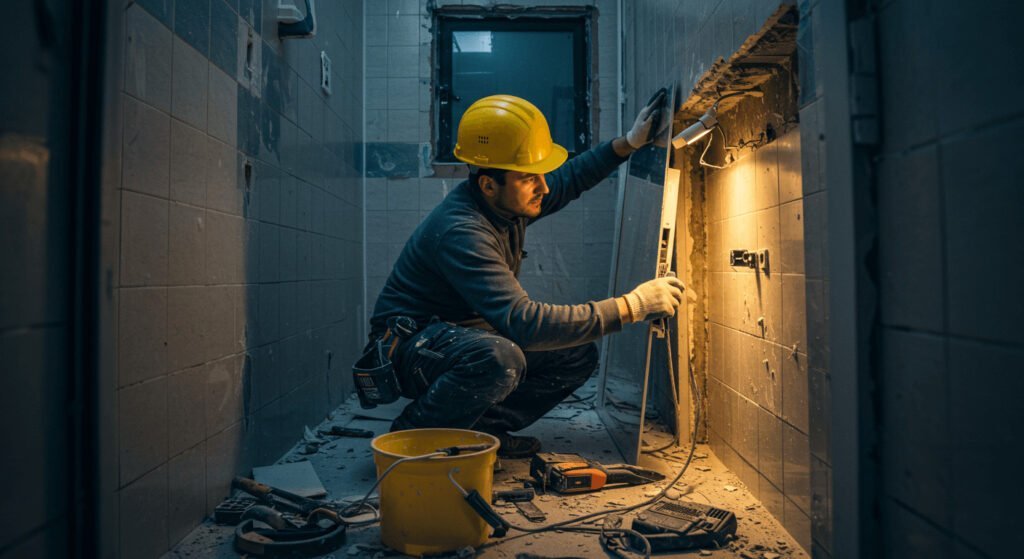
Credit: bfymirror.com
Remove Mirrors With Frames
Removing mirrors with frames requires care to avoid damage. The frame holds the mirror securely, so detaching it carefully is key. Start by loosening the frame from the wall. Handle the mirror gently to prevent cracks or breaks.
Unscrew Frame
Locate all screws holding the frame to the wall. Use a screwdriver that fits the screw heads exactly. Turn screws counterclockwise to loosen them. Keep screws in a safe place for later use. Check for hidden clips or nails that might hold the frame. Remove them carefully to free the mirror completely.
Lift Mirror Safely
Wear gloves to protect your hands from sharp edges. Grip the frame firmly on both sides. Lift the mirror slowly, keeping it close to the wall. Avoid sudden movements that could cause the mirror to slip. Place the mirror on a soft, flat surface once removed. This prevents scratches and damage to the glass.
Clean Wall After Removal
After you’ve removed a mirror from your wall, the space left behind rarely looks perfect. Cleaning up properly helps restore your wall’s appearance and prepares it for whatever comes next—whether that’s a fresh coat of paint or hanging a new decoration. Taking time now saves you from dealing with stubborn stains, holes, or uneven patches later.
Remove Residue
Adhesive residue often sticks stubbornly to the wall after mirror removal. Use a gentle adhesive remover or a mixture of warm water and dish soap to soften the residue. Apply it with a soft cloth and rub carefully to avoid damaging the paint or drywall.
If the residue is tough, try using a plastic scraper or an old credit card to lift it off without scratching. Avoid harsh chemicals that could strip paint or create more mess. Have you noticed how patience pays off here? Taking small steps prevents bigger repairs.
Patch Holes
Mirror brackets and screws usually leave holes behind. Fill these holes with spackling paste or wall filler using a putty knife. Smooth the surface so it’s level with the rest of the wall.
After the filler dries, lightly sand the area to make it perfectly smooth. This step is crucial if you want your wall to look seamless. Can you imagine how noticeable those small holes would be without patching?
Repaint If Needed
Sometimes, removal exposes paint damage or uneven color patches. If your wall looks patchy, repainting helps unify the surface. Choose paint that matches your existing wall color for the best results.
Apply primer first if the patched areas are large or if you removed wallpaper underneath the mirror. This avoids color differences and ensures paint sticks well. Would you rather leave a blotchy wall or enjoy a clean, fresh finish?
Safety Tips
Removing mirrors from a wall may seem straightforward, but it involves handling fragile glass and sometimes strong adhesives. Prioritizing safety is crucial to avoid injuries and damage to your home. Taking the right precautions can save you from unexpected accidents and ensure a smooth removal process.
Wear Gloves And Goggles
Protect your hands with thick gloves to prevent cuts from sharp edges or broken glass. Safety goggles shield your eyes from shards that might fly off during removal. I once underestimated this step and ended up with a nasty cut—don’t let that happen to you.
Work With A Partner
Mirrors can be heavy and awkward to handle alone. Having someone assist you makes the process safer and easier. Your partner can hold the mirror steady while you work on detaching it, reducing the risk of dropping or breaking it.
Handle Broken Glass
If the mirror cracks or breaks, don’t touch the pieces with bare hands. Use a broom and dustpan to sweep up shards carefully, then dispose of them in a sturdy container. Think about how you’ll prevent injuries to yourself and others during cleanup—proper handling is key.
Frequently Asked Questions
How Do I Safely Remove A Mirror From The Wall?
To safely remove a mirror, use gloves and safety goggles. Score the edges with a utility knife to break the seal. Gently pry the mirror using a putty knife or suction cups. Work slowly to avoid cracking or breaking the glass.
What Tools Are Needed To Remove Wall Mirrors?
You will need gloves, safety goggles, a utility knife, a putty knife, suction cups, and possibly a screwdriver. These tools help protect you and allow you to loosen the mirror adhesive or fasteners safely without damage.
How Can I Prevent Wall Damage When Removing A Mirror?
Score around the mirror edges with a utility knife to break the adhesive. Use a putty knife to carefully pry the mirror away from the wall. Removing adhesive residue gently with a scraper or adhesive remover prevents wall damage.
How Do I Remove Adhesive Residue After Mirror Removal?
Use a putty knife to scrape off adhesive gently. Apply adhesive remover or rubbing alcohol to soften remaining glue. Wipe the area clean with a cloth. This prevents damage and prepares the wall for repainting or new decor.
Conclusion
Removing mirrors from a wall can be simple and safe. Take your time and use the right tools. Start by loosening the edges carefully. Avoid breaking the glass to prevent injuries. Clean the wall after removing the mirror to fix any marks.
This task saves money by avoiding professionals. Anyone can do it with patience and care. Now, you know how to remove a mirror easily. Try it yourself and enjoy a fresh wall space.



