
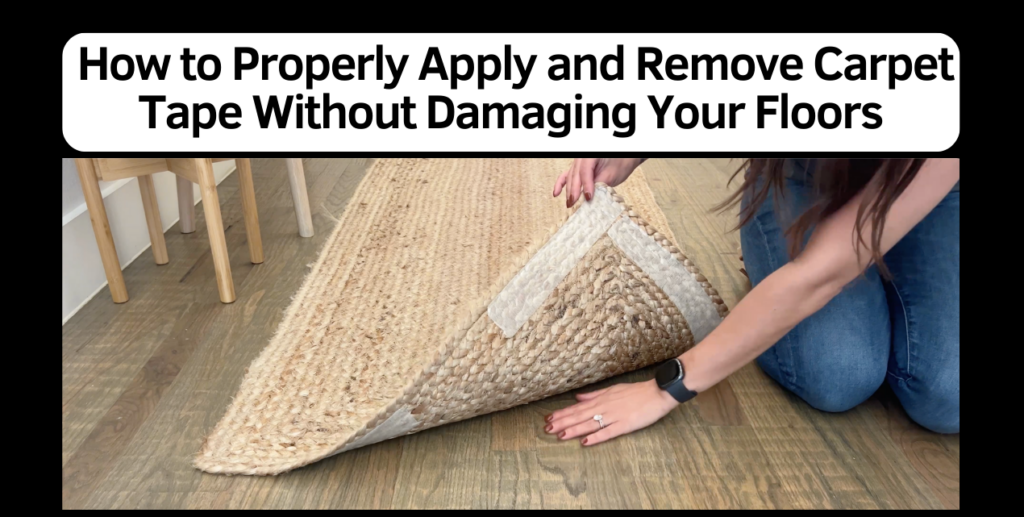
You’ve placed your rug perfectly, but now it’s time to remove that stubborn rug tape from your hardwood floors. You might be worried about damaging your beautiful wood or dealing with sticky residue that just won’t come off.
Don’t stress—you’re not alone, and there’s an easy way to get your floors looking flawless again. In this guide, you’ll discover simple, effective methods to remove rug tape safely and quickly. Keep reading, and you’ll have your hardwood floors clean and smooth in no time.
Tools You’ll Need
Removing rug tape from hardwood floors requires the right tools to avoid damage and make the process smoother. Having what you need on hand saves time and frustration. Let’s look at common household items and specialized products that can help you get the job done effectively.
Common Household Items
You might already have several useful tools at home. These items are gentle on your hardwood and often effective in softening and lifting the tape residue.
- Hairdryer:Heat softens the adhesive, making it easier to peel off without scraping.
- Plastic scraper or old credit card:These help lift tape edges gently without scratching the floor.
- Rubbing alcohol or vinegar:Both act as natural solvents to break down sticky residue.
- Soft cloths or paper towels:Essential for wiping away softened adhesive and cleaning the surface.
- Warm soapy water:Mild soap mixed with water helps clean leftover stickiness after removal.
Have you ever tried peeling tape with just your fingernails? It rarely works well and often damages the wood. Using these simple tools can save your floor and your patience.
Specialized Products
Sometimes household items aren’t enough, especially with stubborn or old adhesive. Specialized products are formulated to tackle tough tape residue safely on hardwood floors.
- Adhesive remover gel:These gels cling to the surface and dissolve adhesive without harsh chemicals.
- Goo Gone or similar citrus-based removers:Known for breaking down sticky substances effectively and safely.
- Mineral spirits:A stronger solvent that works well but requires careful use to avoid damaging the finish.
- Floor-safe cleaning wipes:Designed to clean up residue without leaving harmful residues.
Before using any specialized product, test it on a small hidden area. This prevents unexpected damage to your hardwood’s finish. What’s your experience with adhesive removers? Have you found a brand or product that works best for your floors?

Credit: www.youtube.com
Preparing The Area
Preparing the area is essential before removing rug tape from hardwood floors. Taking time to set up properly protects your floor and makes the process smoother. A clean, safe workspace helps avoid damage and accidents. Focus on clearing the space and protecting nearby surfaces.
Clear The Space
Remove all furniture and objects from the area. This gives you full access to the floor. A clear space prevents tripping and allows easy movement. It also stops dust and debris from spreading onto other items. Sweep or vacuum the floor to remove dirt and dust. This helps the tape removal process go smoothly.
Protect Surrounding Surfaces
Cover baseboards and walls near the floor with painter’s tape. This prevents marks or scratches during tape removal. Use old cloths or plastic sheets to shield furniture still in the room. Protecting these surfaces avoids extra cleaning and repairs later. Place soft pads under heavy furniture to stop dents if moved slightly.
Removing Rug Tape Manually
Removing rug tape from hardwood floors manually can be a delicate task. You want to avoid damaging the wood’s finish while getting rid of the sticky residue. Taking your time and using gentle techniques helps protect your floor and makes the process smoother.
Peeling Techniques
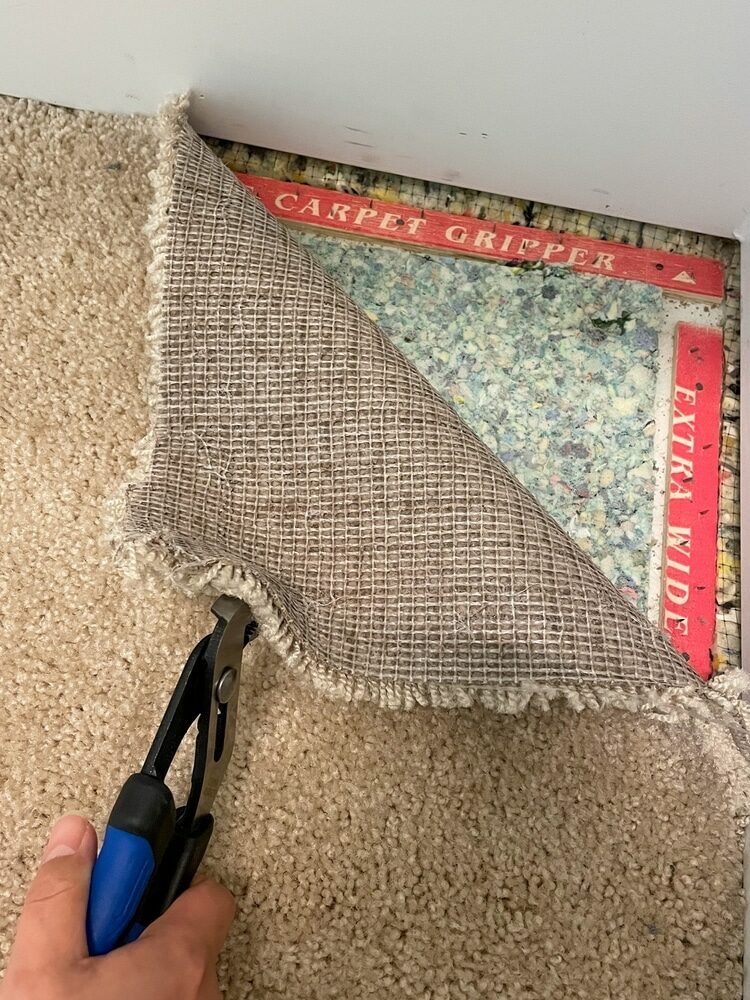
Start by trying to peel the tape slowly from one corner. Use your fingers or a plastic scraper to lift the edge without scratching the floor. Pull the tape back at a low angle to reduce the chance of leaving adhesive behind.
If the tape resists, don’t force it. Instead, work in small sections, lifting bit by bit. This approach helps you keep control and prevents sudden tears that can leave sticky bits on your hardwood.
Using Heat For Softening Adhesive
Heat can soften the adhesive, making it easier to remove the tape. Use a hairdryer on a low or medium setting and hold it a few inches away from the tape. Warm the tape evenly for about 30 seconds to a minute.
After warming, gently peel the tape again. You’ll notice it comes off more easily and in larger pieces. Have a clean cloth handy to wipe away any softened residue immediately before it cools and hardens again.
Credit: mrsander.co.uk
Using Solvents Safely
Removing rug tape from hardwood floors is often tricky. Solvents can help dissolve adhesive residue effectively. It’s crucial to use them safely to protect your floors and health. Follow these guidelines to ensure you remove tape without damage.
Choosing The Right Solvent
Selecting the correct solvent is essential. Look for products specifically designed for hardwood floors. Avoid using harsh chemicals that can harm the wood. Citrus-based solvents are often gentle yet effective. Always read product labels and instructions carefully.
Application Tips
Test the solvent on a small, hidden area first. This ensures it won’t discolor or damage the floor. Use a clean cloth or sponge to apply the solvent. Gently rub the area to dissolve the adhesive. Work in small sections for better control and results.
Avoiding Floor Damage
Do not soak the floor with solvent. Excessive liquid can seep into the wood and cause damage. Use just enough to cover the adhesive area. Always wipe away any excess solvent promptly. After removing the tape, clean the area with a mild wood cleaner.
Cleaning Residue
After removing rug tape from hardwood floors, sticky residue often remains. This leftover adhesive can attract dirt and damage the wood finish if not cleaned properly. Removing residue needs gentle care to protect your floor’s surface. Choosing the right cleaner helps eliminate stickiness without causing harm.
Mild Cleaners For Sticky Spots
Use mild cleaners designed for hardwood floors to tackle sticky residue. These cleaners break down adhesive without harsh chemicals. Apply a small amount to a soft cloth or sponge. Gently rub the sticky spots in circular motions. Avoid soaking the wood to prevent damage. Wipe the area with a dry cloth to remove moisture.
Natural Cleaning Solutions
Natural solutions work well to remove residue safely. Mix equal parts of white vinegar and water in a spray bottle. Lightly spray the sticky area and let it sit for a few minutes. Use a soft cloth to rub the spot gently. Another option is to use olive oil or coconut oil. Apply a small amount on the residue and let it soften. Then, wipe it away with a clean cloth.

Credit: www.youtube.com
Preventing Future Damage
Protecting your hardwood floors from damage caused by rug tape starts with smart choices and ongoing care. Preventing future problems means thinking ahead about the products you use and how you maintain your floors. Small actions taken regularly can save you from costly repairs and keep your floors looking beautiful.
Choosing The Best Rug Tape
Not all rug tapes are created equal, and picking the right one can make a huge difference. Look for tapes specifically labeled as safe for hardwood floors or those with gentle adhesive formulas.
A personal tip: I once used a heavy-duty tape that left sticky residue and peeled the finish off my floor. After switching to a low-tack, double-sided tape designed for hardwood, my rugs stayed put without any damage.
- Choose tapes that advertise easy removal without residue.
- Test a small patch before applying tape over large areas.
- Avoid tapes with strong adhesives meant for rough surfaces.
Have you ever considered how much adhesive strength you really need? Sometimes less is more when it comes to protecting your floors.
Regular Maintenance Tips
Keeping your floors in top shape means paying attention to them regularly. Remove rugs and tape every few months to check for any signs of damage or residue build-up.
Use a gentle cleaner or hardwood floor polish to refresh the surface after tape removal. This simple habit prevents adhesive from settling deep into the wood grain.
- Lift rugs periodically to allow the floor to breathe.
- Clean underneath rugs and tape areas to avoid dirt accumulation.
- Use felt pads under furniture legs to reduce scratches.
Think about your cleaning routine—are you giving your floors the attention they deserve to stay healthy under rugs?
When To Call A Professional
Removing rug tape from hardwood floors can be tricky. Sometimes, the adhesive leaves stubborn residue or even damages the wood. Knowing when to stop and call a professional can save you from making the problem worse.
Signs Of Floor Damage
Pay close attention to your floor’s surface after attempting to remove rug tape. If you notice discoloration, scratches, or peeling finish, these are clear signs of damage. Sticky residue that won’t come off or areas where the wood feels rough or uneven also indicate trouble.
Have you seen any bubbles or warping in the wood? These could mean the tape’s adhesive has seeped into the finish. At this point, pushing further might ruin your floor’s look and value.
Finding The Right Expert
Choosing the right professional matters a lot. Look for flooring specialists who have experience with hardwood and adhesive removal. A good expert will assess the damage and use safe techniques tailored to your floor type.
Ask for recommendations or check reviews online before hiring. Don’t hesitate to request before-and-after photos of their past work. You want someone who treats your floors as carefully as you do.
Remember, a quick fix by an amateur could cost you more in the long run. Would you rather risk a DIY disaster or invest in professional care that restores your floor’s beauty?
Frequently Asked Questions
How Do I Safely Remove Rug Tape From Hardwood Floors?
Use a hairdryer to warm the tape adhesive. Gently peel off the tape using a plastic scraper. Clean residue with a mixture of warm water and mild soap to protect your hardwood floors.
What Household Items Remove Sticky Tape Residue Effectively?
White vinegar and olive oil work well to dissolve sticky tape residue. Apply with a cloth, let it sit for a few minutes, then gently rub away the residue without damaging the floor.
Can I Use Heat To Remove Rug Tape Adhesive?
Yes, applying heat softens the adhesive. Use a hairdryer on low to medium heat. Avoid overheating to prevent damage. This helps in peeling off the tape easily without scratching the hardwood.
How To Avoid Floor Damage When Removing Rug Tape?
Always test cleaning products on a small floor area first. Use gentle tools like plastic scrapers. Avoid harsh chemicals or abrasive scrubbers to prevent scratches and discoloration on hardwood floors.
Conclusion
Removing rug tape from hardwood floors takes patience and care. Use gentle tools and safe cleaners to protect your wood. Work slowly to avoid damage or sticky residue. Small steps make big differences in keeping floors clean. You can restore your floor’s smooth, natural look easily.
A little effort brings great results. Keep your floors looking fresh and beautiful for years.



