
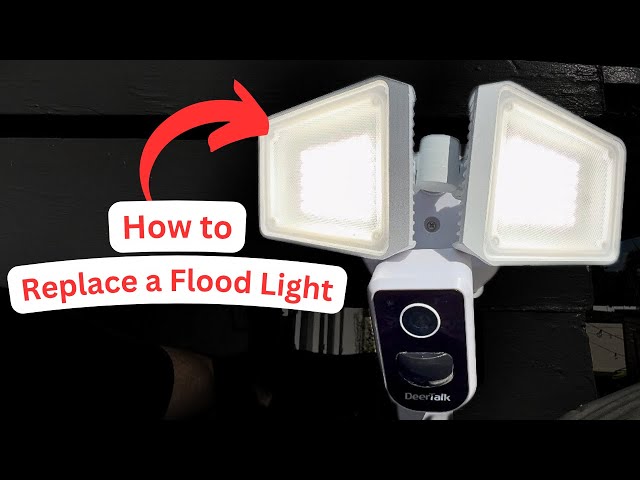
Are you tired of fumbling for the light switch outside or worrying about your home’s security at night? Replacing your outdoor light with a motion sensor light can make your life easier and safer.
Imagine your porch lighting up automatically when you step outside—no more wasted electricity or dark, unwelcoming entryways. In this guide, you’ll discover simple steps to upgrade your outdoor lighting quickly and confidently. Ready to boost your home’s convenience and security?
Let’s get started.
Tools And Materials Needed
Before you start replacing your outdoor light with a motion sensor, gathering the right tools and materials is crucial. Having everything ready saves you from mid-project frustration and ensures a smooth, safe installation.
Think about what you already have in your toolbox. You might be surprised how many common tools will come in handy, alongside a few specific items needed for electrical work.
Essential Tools
- Screwdrivers(both flathead and Phillips) – for removing and securing screws.
- Wire strippers– to safely strip insulation from wires without damaging them.
- Voltage tester– to check if the power is off before touching any wires.
- Drillwith bits – useful if you need to make new holes for mounting the sensor.
- Pliers– for twisting wires together and holding components firmly.
- Electrical tape– to insulate wire connections securely.
Materials Required
- Motion sensor light fixture– choose one that fits your outdoor style and has the right sensitivity and range.
- Wire connectors(wire nuts) – to join wires safely and ensure good electrical contact.
- Replacement bulbs, if your new fixture doesn’t include them.
- Electrical box, if the existing one is damaged or incompatible with the new sensor.
- Weatherproof sealant– to protect connections from moisture and extend the life of your installation.
Safety Gear
- Insulated gloves– to protect yourself from electric shock.
- Safety goggles– to shield your eyes from dust and debris.
Have you ever started a project only to realize halfway that you’re missing a key tool or part? Taking a few minutes to prepare can save hours later. What’s your experience with prepping tools before tackling electrical jobs?

Credit: www.youtube.com
Safety Precautions
Replacing an outdoor light with a motion sensor brings convenience and energy savings, but safety should never take a backseat. Handling electrical fixtures outdoors exposes you to risks that require careful attention. Taking the right safety precautions protects you and ensures the job goes smoothly.
Turn Off Power At The Breaker
Before touching any wires or fixtures, switch off the power supply from your home’s circuit breaker. This simple step eliminates the risk of electrical shock, which can cause serious injury. Double-check by flipping the light switch to confirm the power is off.
Use A Voltage Tester
Even if the breaker is off, some circuits may still carry residual current. Use a voltage tester to verify the wires are not live before proceeding. It’s a small tool that adds a critical layer of safety to your work.
Wear Protective Gear
Wear insulated gloves and safety goggles to protect your hands and eyes from electrical sparks or debris. Outdoor work often means unexpected dirt or insects, so eye protection also guards against irritants. Comfortable gloves improve your grip on tools and wires.
Work In Dry Conditions
Avoid working outside when it’s raining or the ground is wet. Water conducts electricity and increases the chance of shock. Choose a dry day and make sure the area around your work zone is free of moisture.
Secure Your Ladder Properly
If you need a ladder to reach the light fixture, ensure it stands on stable, level ground. A wobbly ladder can cause falls, which are a common source of injury during outdoor electrical work. If possible, have someone hold the ladder steady for extra safety.
Follow Manufacturer Instructions
Every motion sensor light has specific installation steps and safety warnings. Read the manual carefully before you start. Ignoring these details can lead to improper installation or damage to the unit.
Ask Yourself: Am I Confident And Prepared?
Handling electrical work may not be for everyone. If you hesitate or feel unsure at any point, consider hiring a professional. Your safety is worth the extra cost and peace of mind.
Removing The Existing Outdoor Light
Switch off the power before handling the outdoor light. Carefully unscrew the fixture and disconnect the wiring to remove the old light safely.
Removing the existing outdoor light is a crucial step in upgrading to a motion sensor system. It may seem daunting, but with a little preparation, you can handle it smoothly. Just imagine the satisfaction of seeing your efforts light up the night with efficiency and style!Turn Off The Power
Before you touch anything, ensure your safety by switching off the power to the light fixture. You can do this by turning off the circuit breaker that controls the outdoor lighting. Double-check by flipping the light switch to ensure it’s off.Unscrew The Light Fixture
Grab a sturdy ladder to reach the light fixture comfortably. Start by removing the screws that hold the light fixture in place. Keep these screws safe as you may need them for the new motion sensor light.Disconnect The Wiring
Once the fixture is loose, gently pull it away from the wall to expose the wiring. You’ll typically see three wires: black (live), white (neutral), and green or bare (ground). Carefully unscrew the wire nuts and separate the fixture wires from the house wires.Remove The Mounting Bracket
With the fixture detached, you’ll notice a mounting bracket attached to the wall. This bracket needs to be unscrewed and removed unless it’s compatible with your new motion sensor light. Keep it handy in case you decide to reuse it.Inspect The Electrical Box
Take a moment to inspect the electrical box for any signs of wear or damage. A secure and intact box is essential for safely installing your new motion sensor light. If you find any issues, consider consulting a professional electrician.Prepare For The New Installation
Now that the old light is out of the way, you’re ready to install your motion sensor light. Gather all necessary tools and the new fixture to ensure a smooth transition. Are you excited to see your outdoor space transform with smart lighting?Choosing The Right Motion Sensor Light
Choosing the right motion sensor light is key to making your outdoor space both secure and energy-efficient. It’s not just about picking any sensor; you want one that fits your specific needs and environment. Think about where you’ll install it and how it will respond to movement around your home.
Types Of Motion Sensors
There are different types of motion sensors, each working in its own way to detect movement. The most common are:
- Passive Infrared (PIR):These sensors detect heat changes caused by moving people or animals. They work best in areas with clear lines of sight.
- Ultrasonic:These send out sound waves and measure the reflection to detect motion. They can cover a wider area but might trigger false alarms from leaves or small animals.
- Microwave:These sensors emit microwave pulses and detect motion by measuring changes in the reflected signals. They work well through walls but can be more expensive.
Think about your outdoor setting and what kind of motion you want to detect before choosing the type. Have you noticed what usually triggers your current outdoor lights?
Power Sources And Compatibility
Your motion sensor light needs a power source that fits your setup. You’ll find options powered by:
- Hardwired electricity:These require connection to your home’s electrical system. They’re reliable but usually need professional installation.
- Batteries:Easy to install anywhere but require regular battery changes or recharging.
- Solar power:A great choice if you want to avoid wiring and save on electricity costs. Just make sure the sensor gets enough sunlight.
Compatibility with your existing outdoor fixtures is another factor. Does your current light fixture support a motion sensor, or will you need to replace the entire unit? Checking this ahead of time saves frustration later on.
Wiring The Motion Sensor Light
Wiring a motion sensor light might seem tricky at first, but breaking it down makes the task manageable. Understanding your wires and connecting them correctly ensures your new outdoor light works safely and efficiently. Let’s dive into the details that will help you handle the wiring with confidence.
Identifying Wires
Before you start connecting anything, take a moment to identify the wires in your outdoor light setup. Typically, you’ll find three types:
- Black (Hot) wire:Carries current from the power source.
- White (Neutral) wire:Completes the electrical circuit.
- Green or bare copper (Ground) wire:Provides safety by grounding the fixture.
Sometimes, the wires may have different colors or markings. If you’re unsure, use a voltage tester to confirm which wire is which. Have you ever encountered wires that didn’t match these standard colors? It’s a good reminder to always test before proceeding.
Connecting Wires Safely
Once you know which wire is which, it’s time to connect them securely. Always turn off the power at the breaker before touching any wires to avoid shocks.
- Use wire nuts to twist wires together—black to black, white to white, and ground to ground.
- Wrap electrical tape around the wire nuts for extra security.
- Make sure no bare wire is exposed outside the wire nuts; exposed wires can cause shorts or shocks.
After connecting, gently push the wires back into the electrical box. Tighten all screws firmly but avoid over-tightening, which can damage connections. Have you ever felt unsure about the tightness? It’s better to double-check than risk a loose connection causing flickering or failure.
Credit: www.mrhandyman.com
Mounting The New Light Fixture
Mounting your new motion sensor light fixture is a key step that affects both its performance and durability. Getting this part right ensures your light covers the area you want and stays securely in place, even through storms. Let’s look at how to position and secure your fixture for the best results.
Positioning For Optimal Coverage
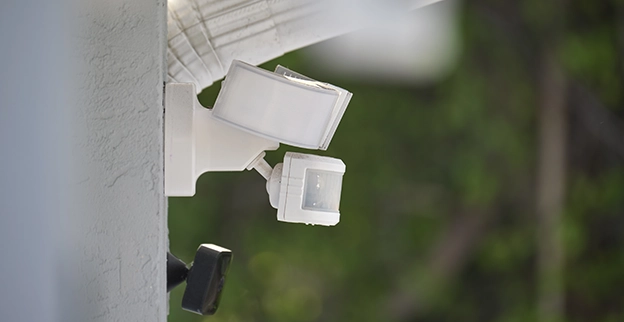
Think about the areas you want the motion sensor to detect. Place the fixture where it can “see” the widest space, such as near walkways, driveways, or entry points. Avoid pointing it directly at busy streets or trees that might trigger false alarms.
Height matters too. Mount the light about 6 to 10 feet above the ground for a good balance between coverage and sensor sensitivity. Too low, and the sensor might miss motion; too high, and it may pick up irrelevant movement far away.
Consider the sensor’s angle. Many models allow you to adjust the detection zone. Test different angles before finalizing the mount to ensure it catches movement where you want it. Have you noticed how a small tilt can make a huge difference in what the sensor detects?
Securing The Fixture
Once you’ve nailed the perfect spot, it’s time to attach the fixture firmly. Use the mounting plate and screws that come with your light to secure it to the wall or eave. Make sure the surface is solid and clean to avoid any wobbling or loosening over time.
If mounting on wood, use wood screws that grip well. For masonry walls, drill pilot holes and use wall anchors to keep everything tight. Never skip this step—you don’t want your new light falling off in the first wind!
Double-check the fixture’s stability by gently shaking it after mounting. If it moves, tighten the screws further or add additional support. A secure mount not only keeps the light in place but also protects your wiring and sensor from damage.
Testing And Adjusting The Sensor
Testing and adjusting the motion sensor is key to making your outdoor light work perfectly. It ensures the sensor reacts only when needed. Proper settings prevent false triggers and save energy. Spend time on this step for the best results.
Sensitivity Settings
Sensitivity controls how much motion triggers the light. Set it too high, and small animals or leaves can turn it on. Set it too low, and it might not detect people. Adjust sensitivity based on your environment.
- Start with medium sensitivity.
- Walk around the sensor’s range to test.
- Increase sensitivity if it misses movement.
- Decrease sensitivity if it triggers too often.
Fine-tuning sensitivity helps avoid unwanted lighting and saves power.
Light Duration And Detection Range
Light duration controls how long the light stays on after detecting motion. Set it too short, and the area may stay dark. Too long wastes energy. Detection range is how far the sensor can spot movement.
- Test different light durations to find a balance.
- Set detection range so it covers your needed area.
- Avoid setting range too wide to reduce false alarms.
Adjusting these settings ensures the light stays on when necessary and turns off quickly when no one is around.

Credit: www.amazon.com
Troubleshooting Common Issues
Replacing an outdoor light with a motion sensor can boost your home’s safety and save energy. Sometimes, the new sensor does not work as expected. Troubleshooting common issues helps fix problems fast. Understanding these issues keeps your outdoor lighting reliable and effective.
Some problems occur due to wiring mistakes or sensor placement. Other issues involve sensitivity settings or power supply. Checking each part carefully can solve most issues without extra help.
Incorrect Sensor Placement
Place the sensor where it has a clear view of the area. Avoid pointing it towards moving branches or busy roads. These can cause false triggers or no response.
Keep the sensor away from direct light sources like street lamps. These lights may confuse the sensor and stop it from working properly.
Improper Wiring Connections
Turn off the power before checking wires. Loose or wrong connections prevent the sensor from working. Match wires by color or label carefully.
Use wire nuts or connectors to secure wires tightly. Test the sensor after fixing the connections to confirm the issue is resolved.
Sensitivity And Timer Settings
Adjust the sensor’s sensitivity to suit your needs. Too high sensitivity causes frequent triggering. Too low sensitivity may miss motion.
Set the timer to control how long the light stays on. A timer set too short may turn off light too soon. Adjust it for proper lighting duration.
Power Supply Problems
Check the circuit breaker or fuse box for tripped switches. Reset them if needed. Ensure the light fixture has power by testing with another bulb.
Use a multimeter to check voltage if the sensor does not respond. No power means a wiring or electrical issue that needs fixing.
Dirty Or Obstructed Sensor Lens
Clean the sensor lens with a soft cloth to remove dirt or spider webs. Dirt blocks the sensor’s detection ability.
Keep bushes or objects away from the sensor’s view. Obstructions stop motion detection and cause the light to fail.
Frequently Asked Questions
How Do I Replace Outdoor Light With Motion Sensor?
Turn off power, remove old fixture, connect motion sensor wires. Mount sensor and test for proper operation before finalizing.
What Tools Are Needed To Install Motion Sensor Light?
You need a screwdriver, wire strippers, voltage tester, electrical tape, and a ladder for safe installation.
Can I Install Motion Sensor Light Myself Safely?
Yes, if you follow safety steps like turning off power and use proper tools carefully.
How To Adjust Sensitivity On Motion Sensor Lights?
Use the sensor’s adjustment dial or switch to set detection range and duration according to your needs.
Conclusion
Replacing your outdoor light with a motion sensor is simple and smart. It saves energy and adds security to your home. Follow the steps carefully for safe installation. Test the sensor to make sure it works well. Enjoy the convenience of light only when needed.
A small change that brings big benefits. Keep your outdoor space bright and secure with ease.



