
Are you tired of your rug slipping and sliding every time you walk across it? A loose rug can be more than just annoying—it’s a safety hazard waiting to happen.
You want your space to look cozy and stylish, but also safe and secure. Luckily, securing your rug to the floor is easier than you think. You’ll discover simple, effective ways to keep your rug firmly in place. Say goodbye to trips and falls, and hello to a safer, more comfortable home.
Keep reading to find the perfect solution for your rug troubles.
Credit: enthrallinggumption.com
Choose The Right Rug Pad
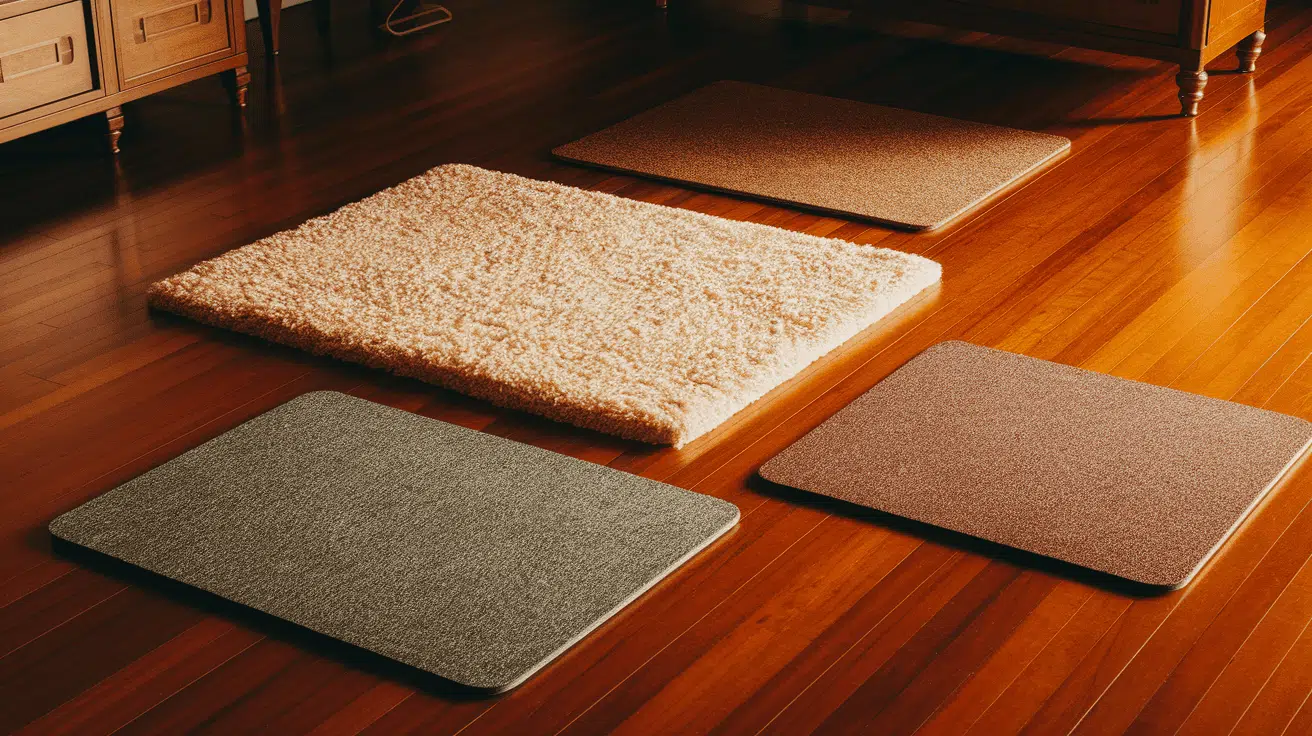
Choosing the right rug pad is key to keeping your rug securely in place and protecting your floor underneath. A good rug pad adds grip, cushions your steps, and extends the life of your rug. But with so many options available, how do you pick the best one for your needs?
Material Options
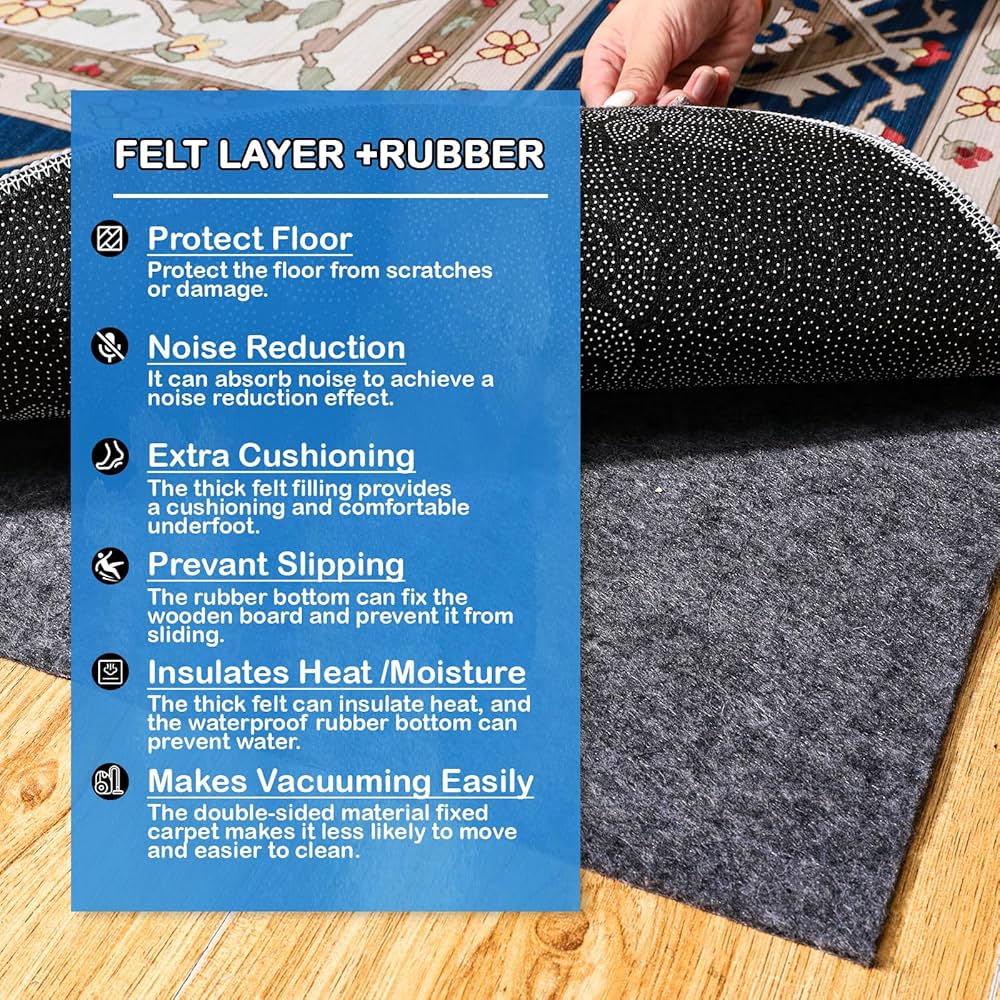
Rug pads come in several materials, each offering different benefits. Felt pads provide cushioning and are great for hardwood floors but lack strong grip. Rubber pads offer excellent non-slip properties and are ideal for tile or laminate floors.
Some pads combine felt and rubber, offering both comfort and grip—perfect if you want the best of both worlds. Think about your floor type and how much cushioning you want before picking a material.
Size And Thickness
Getting the right size pad is crucial. It should be slightly smaller than your rug to prevent edges from curling up. A pad that is too large or too small can cause tripping hazards or reduce effectiveness.
Thickness matters too. Thicker pads add more cushioning but may raise the rug, which can be a problem for door clearance. Thin pads offer better stability but less comfort. What balance do you need between comfort and safety?
Non-slip Features
Non-slip is the main feature you want in a rug pad to stop it from sliding around. Look for pads with strong rubber backing or adhesive surfaces that grip both the floor and rug. Some pads have textured surfaces designed to lock in place.
Remember, a pad that slips defeats the whole purpose. Testing a small corner before fully laying the pad can save you from future frustration. How much slipping have you tolerated with your current setup?
Use Double-sided Tape
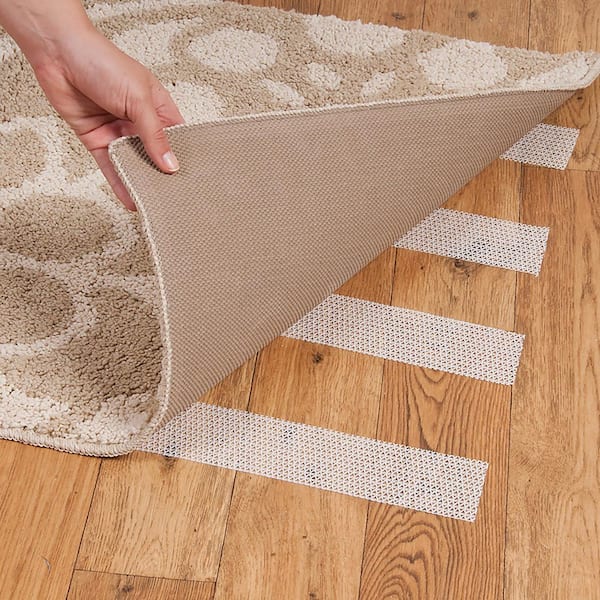
Using double-sided tape is a simple and effective way to keep your rug firmly in place. It prevents slipping and sliding, making your space safer. This method works well on hard floors like wood, tile, or laminate. The tape is invisible and does not damage the rug or floor if applied correctly.
Types Of Tape
- Foam Tape:Thick and cushioned, good for uneven floors.
- Clear Tape:Thin and less visible, ideal for smooth surfaces.
- Heavy-Duty Tape:Strong hold, best for high-traffic areas.
- Removable Tape:Easy to peel off without residue.
Application Tips
- Clean the floor surface to remove dust and dirt.
- Cut tape strips to fit the rug edges and corners.
- Press tape firmly onto the floor before placing the rug.
- Apply pressure on the rug to ensure a strong bond.
- Replace tape every few months for maximum hold.
Removing Tape Safely
- Gently peel the tape from one corner slowly.
- Use a hairdryer to warm the tape for easier removal.
- Clean any leftover adhesive with mild soap and water.
- Avoid sharp tools that could scratch your floor.
Try Rug Grippers And Corners
Rug grippers and corners keep rugs firmly in place on smooth floors. They prevent slipping and make walking safer. Easy to use and remove, they protect both your floor and rug edges.
Having a rug that slides around can be both annoying and dangerous. If you’ve ever found yourself slipping on a rug in your own home, you know how important it is to keep it securely in place. One effective solution is to try rug grippers and corners, which can offer a simple and cost-effective way to anchor your rugs to the floor. These tools not only improve safety but also enhance the aesthetic of your space by keeping your rug flat and wrinkle-free. But how do you know which type to choose and how to install them correctly?Types Of Grippers
Rug grippers come in various forms, each suited for different needs. Adhesive grippers stick directly to the rug and floor, providing a strong hold. Non-adhesive grippers are ideal for sensitive floors, offering grip without residue. Corner grippers focus on securing the edges, preventing curls and slips. Consider the type of flooring you have and choose a gripper that complements it.Installation Guide
Installing rug grippers is straightforward. Start by cleaning the floor and rug to ensure a strong hold. For adhesive grippers, peel off the backing and press firmly onto the rug corners. For non-adhesive options, simply place them between the rug and floor. Always follow the manufacturer’s instructions for the best results. Have you ever struggled with a crooked rug? This easy fix might be just what you need.Best Practices
To maximize the effectiveness of rug grippers, keep a few tips in mind. Regularly check the grippers for wear and tear, replacing them as needed to maintain grip. Avoid dragging heavy furniture across your rug, as this can dislodge grippers. Test your setup by gently pulling at the rug to ensure it’s secure. By taking these steps, you can enjoy a safe and stylish home without the hassle of runaway rugs.Apply Silicone Caulk
Applying silicone caulk is a smart way to keep your rug firmly in place without damaging your floors or the rug itself. This method works well on hard surfaces like wood, tile, or laminate, providing a subtle grip that stops slipping and bunching. Plus, it’s easy to remove later without leaving sticky residue, making it perfect for renters or anyone who likes to switch up their decor often.
How Silicone Works
Silicone caulk acts like a gentle adhesive between your rug and the floor. It creates a thin, tacky layer that grips both surfaces, preventing the rug from sliding around. Unlike tapes or heavy adhesives, silicone remains flexible and won’t harden or crack over time.
Its water-resistant properties mean it won’t degrade with moisture, which is great if you clean your floors regularly. Have you noticed how some rugs just don’t stay put even with pads? Silicone caulk offers a smarter, less bulky alternative.
Step-by-step Application
- Start by cleaning the floor where the rug will sit to remove dust and dirt.
- Apply small dots or thin lines of silicone caulk along the rug’s edges and a few spots in the center.
- Press the rug firmly onto the floor, smoothing out any wrinkles or bubbles.
- Let the silicone cure for a few hours, ideally overnight, before walking on the rug.
Keep the application light—too much caulk can make removal tricky. Think about how often you move your rug; silicone’s semi-permanent hold is perfect if you want something secure yet not permanent.
Cleaning Tips
If you need to remove the rug, gently peel it up to avoid pulling off the silicone. Any leftover residue can be cleaned with a soft cloth and a little rubbing alcohol or a mild household cleaner. Avoid harsh scrubbing to protect your floor’s finish.
Have you ever struggled with sticky residues from tapes? Silicone caulk leaves much less mess and cleans up easily, making it a hassle-free solution. Regular floor cleaning won’t affect the silicone’s grip, so your rug stays put without extra effort.
Anchor Rugs With Velcro Strips
Anchoring rugs with Velcro strips offers a simple and effective way to keep rugs in place. This method prevents slipping and improves safety in any room. Velcro strips are easy to use and work well on many floor types.
Selecting Velcro
Choose heavy-duty Velcro strips for strong hold. Look for strips with adhesive backing. Make sure the adhesive is safe for your floor type. Some Velcro strips come with peel-and-stick backs that are easy to apply. Select strips that are wide enough to provide good grip but not too bulky.
Placement Tips
Clean the floor and rug backing before applying Velcro. Cut Velcro strips to fit the rug corners and edges. Attach one side of the Velcro to the floor and the matching side to the rug. Press firmly to ensure good adhesion. Use multiple strips for larger rugs to keep them secure.
Maintenance
Check Velcro strips regularly for dirt and wear. Vacuum the rug carefully to avoid loosening the strips. Replace Velcro strips if they lose stickiness. Clean the floor surface before reapplying new strips. This keeps your rug anchored and your floor safe.
Credit: www.homedepot.com
Keep Floors Clean And Dry
Keeping your floors clean and dry is essential to secure your rug properly and maintain a safe environment. Moisture and dirt can cause rugs to slip or shift unexpectedly, creating hazards and damaging both the floor and the rug. Taking simple steps to manage cleanliness and dryness helps your rug stay firmly in place and extends its lifespan.
Preventing Slips
Slippery floors increase the risk of accidents around your rug. If the surface beneath is wet or dusty, your rug won’t grip well, no matter how many anti-slip pads you use.
Make it a habit to quickly wipe up spills and avoid walking on the rug with wet shoes. Even a small amount of moisture can cause the rug to slide unexpectedly.
Have you noticed how just a little dust under a rug can make it slide? Keeping the floor dry and free of debris is often the simplest way to prevent this problem.
Regular Cleaning Routine
Dust, dirt, and pet hair can accumulate under your rug, reducing friction and causing it to move. Regular cleaning of both the floor and the rug’s underside is key.
- Vacuum the floor before placing the rug back down.
- Wipe the floor with a damp cloth and let it dry completely.
- Shake out or vacuum the rug’s back to remove dust and particles.
Setting a weekly cleaning schedule can make this routine easy and automatic. How often do you check under your rugs? You might find it surprising how much dirt settles underneath.
Consider Rug Size And Placement
Securing your rug to the floor starts with carefully considering its size and where you place it. The right size ensures the rug stays put and looks balanced in your space. Placement affects not only safety but also how the rug complements your room’s flow and furniture arrangement.
Choosing The Right Size
Pick a rug size that matches your room and furniture. A rug that’s too small can slide around easily, causing tripping hazards. On the other hand, a rug that’s too large may bunch up or curl at the edges, making it difficult to secure.
Think about the area you want to cover. For example, under a dining table, your rug should extend beyond the chairs so they don’t catch on the edges when pulled out. In a living room, try to have at least the front legs of your sofa and chairs resting on the rug to keep it anchored.
Strategic Placement Tips
Place your rug where foot traffic naturally flows to reduce movement. Avoid high-traffic spots that may cause the rug to shift constantly unless you have a strong non-slip pad underneath.
- Position rugs on clean, dry floors to help adhesives or pads stick better.
- Lay rugs flat, smoothing out any folds or wrinkles before securing them.
- Use furniture as natural anchors—heavy tables or sofas can keep rugs in place without extra fixings.
Have you noticed your rug slipping in certain spots? Try adjusting its position slightly or adding a non-slip pad beneath those trouble areas. Small tweaks can make a big difference in keeping your rug safely secured.

Credit: www.amazon.ca
Frequently Asked Questions
How Do I Prevent A Rug From Slipping On Hardwood Floors?
Use a non-slip rug pad designed for hardwood floors. It grips both the rug and floor, preventing movement and protecting surfaces. Ensure the pad size matches your rug for best results.
What Materials Work Best To Secure Rugs To Floors?
Rubber, felt, and silicone-based rug pads are effective. Double-sided tape and rug grippers also work well. Choose materials that don’t damage your floor and fit your rug type.
Can Double-sided Tape Keep A Rug In Place?
Yes, double-sided tape can secure rugs effectively. Use tape designed for rugs to avoid residue. Clean the floor before application for stronger adhesion.
Is It Safe To Use Rug Grippers On Carpets?
Rug grippers work best on hard floors but can secure rugs on low-pile carpets. Avoid using on thick or plush carpets as effectiveness decreases.
Conclusion
Securing your rug to the floor keeps it safe and neat. It stops slips and trips around your home. Use the right tools like rug grippers or double-sided tape. Check the rug regularly to keep it in place. A well-secured rug looks better and lasts longer.
Small steps make your space safer and more comfortable. Try these easy tips to keep your rug steady today.



