
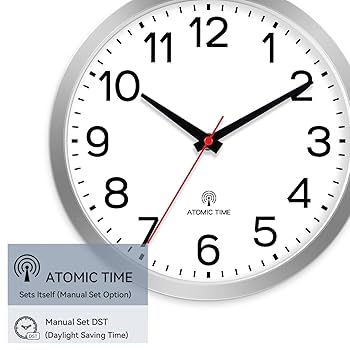
Setting a wall clock might seem simple, but getting it just right can change the whole look of your room. You want it to be perfectly aligned, easy to read, and secure on your wall.
If you’ve ever struggled with crooked clocks or messy wires, you’re not alone. This guide will show you exactly how to set your wall clock quickly and easily, so you can enjoy both style and function. Keep reading, and you’ll learn the simple steps that make a big difference.

Credit: www.climemet.com
Choosing The Right Wall Clock
Choosing the right wall clock is more than picking a timekeeper; it’s about adding style and function to your space. The clock you select should match your room’s vibe and serve your daily needs without fuss. Let’s look at some practical tips to help you find a clock that fits perfectly in your home or office.
Types Of Wall Clocks
Wall clocks come in many forms, each with its own appeal and purpose. Consider these popular types:
- Analog Clocks:Classic and easy to read, they often feature numbers or Roman numerals and a sweeping or ticking second hand.
- Digital Clocks:Perfect if you want exact time at a glance, often with extra features like alarms and temperature displays.
- Decorative Clocks:These are statement pieces, designed to catch the eye and complement your interior style.
- Silent Clocks:Ideal for bedrooms or offices where ticking noise can be distracting.
Think about what fits your lifestyle best. Do you want a clock just to tell time or one that also adds personality to your room?
Selecting The Ideal Location
Where you hang your clock affects both its usefulness and how it enhances your space. Look for a wall that is visible from most parts of the room. Avoid spots where glare from windows or lights makes it hard to see the face clearly.
Also, consider the wall’s height—eye level is often best for quick time checks. In kitchens, a spot near the cooking area helps you keep track of cooking times easily. In living rooms, a central wall that can be seen from seating areas works well.
Ask yourself: Does this spot let everyone in the room read the time without moving? Your clock should feel like a natural part of the room, not an afterthought.
Preparing To Set The Clock
Setting a wall clock starts with good preparation. This step makes the process easier and faster. A well-prepared setup avoids mistakes and saves time.
Before adjusting the time, gather the right tools and check the clock’s battery and mechanism. This helps ensure the clock works smoothly after setting.
Gathering Necessary Tools
Prepare simple tools to help with setting the clock. These include:
- A small screwdriver for opening the battery compartment
- A soft cloth to clean the clock face
- A step stool or ladder if the clock is high on the wall
- A flashlight if the clock area is dimly lit
Having these tools ready avoids interruptions while setting the time.
Checking Battery And Mechanism
Inspect the battery before setting the clock. A weak battery can cause wrong time or stop the clock.
Remove the battery cover carefully. Check the battery for corrosion or leaks.
Replace old batteries with fresh ones. Use the correct battery type for the clock.
Also, look at the clock’s mechanism. Make sure the hands move freely without obstruction.
Clean dust or dirt from the mechanism gently with a soft brush or cloth.
Setting The Time Accurately
Setting the time accurately on a wall clock ensures it shows the correct time throughout the day. Precise timekeeping helps you stay on schedule and avoid confusion. This section explains easy ways to set your clock’s time correctly.
Manual Adjustment Techniques
Most wall clocks have a dial or knob on the back for manual time setting. Turn the knob slowly in the direction the hands move. Avoid moving the hands backward, as it can damage the clock mechanism.
Follow these tips for manual adjustment:
- Stop at the exact minute and hour you want.
- Double-check the AM/PM setting if your clock has one.
- Move the hands gently to avoid breaking internal parts.
- Reset the second hand to zero if the clock allows it.
Using Synchronization Features
Some modern wall clocks have built-in synchronization features. These clocks connect to radio signals or the internet to set time automatically. They adjust for daylight saving and time zone changes without effort.
To use synchronization features:
- Place the clock near a window for better signal reception.
- Ensure the clock is powered with fresh batteries or plugged in.
- Follow the user manual to activate the sync function.
- Wait a few minutes for the clock to update the time.

Credit: manuals.plus
Maintaining Perfect Timekeeping
Keeping a wall clock accurate requires simple, regular care. Perfect timekeeping means the clock shows the correct time every day. Small actions can prevent many common issues. This section covers essential tips for maintaining your clock’s accuracy.
Regular Battery Replacement
Batteries power most wall clocks. Weak batteries cause the clock to slow down or stop. Replace batteries every 6 to 12 months. Use fresh, high-quality batteries for best results.
Keep a spare set of batteries nearby. Check the clock if it shows the wrong time. Low power often causes this problem. Changing batteries promptly keeps your clock running smoothly.
Avoiding Common Timekeeping Errors
Incorrect clock setting leads to wrong time display. Always set the clock gently to avoid damaging the mechanism. Turn the minute hand clockwise only. Avoid moving the hour hand manually.
Place the clock away from strong magnets or electronic devices. These can interfere with timekeeping. Also, avoid hanging the clock where it can shake or fall. Stable placement helps maintain accurate time.
Troubleshooting Common Issues
Common issues setting a wall clock include incorrect time adjustment and battery problems. Ensuring the hands move freely and replacing old batteries often solves these problems quickly. Simple checks can help the clock work properly without delays.
Setting a wall clock might seem straightforward, but sometimes unexpected hiccups can arise. These issues can be frustrating, especially if your clock is a focal point in your home. Understanding how to troubleshoot common problems can ensure your clock keeps time accurately and serves its purpose effectively.Clock Not Moving
If your clock’s hands aren’t moving, it might be a simple fix. First, check the battery. A fresh battery can often solve the problem. Make sure it’s inserted correctly, aligning the positive and negative ends as directed. If the battery isn’t the issue, inspect the hands of the clock. Sometimes, they can get stuck or touch each other, preventing movement. Gently adjust them to ensure they aren’t obstructing each other.Time Drifting Problems
Does your clock lose or gain time consistently? This can be a sign of a mechanical issue. Ensure the clock is level on the wall; an uneven placement can affect the internal gears. Consider the environment where your clock is placed. Extreme temperatures or humidity might cause the clock to drift. If possible, relocate the clock to a more stable environment and see if the problem persists. Isn’t it interesting how small adjustments can make a big difference? By addressing these common issues, you can enjoy a well-functioning clock that keeps time just as it should.
Credit: www.amazon.ca
Frequently Asked Questions
How High Should I Hang A Wall Clock?
Hang your wall clock at eye level, around 57-60 inches from the floor. This height ensures easy visibility and a balanced look in any room.
What Tools Do I Need To Set A Wall Clock?
You need a pencil, measuring tape, level, nails or screws, and a hammer or screwdriver. These tools help you hang the clock accurately and securely.
How Do I Choose The Best Spot For A Wall Clock?
Pick a spot visible from most areas, away from direct sunlight and humidity. This prevents damage and ensures the clock is easy to read throughout the day.
How To Adjust Time On A Wall Clock?
Turn the minute hand clockwise to set the time. Avoid moving the hour hand directly to prevent damage to the clock mechanism.
Conclusion
Setting a wall clock is simple and quick with the right steps. Take your time to adjust the hands carefully and set the correct time. Make sure the clock is secure on the wall to avoid falling. Regularly check the time to keep it accurate.
A well-set clock adds style and function to any room. Now you can easily set your wall clock without stress or confusion. Enjoy the perfect timekeeping in your home or office.



