
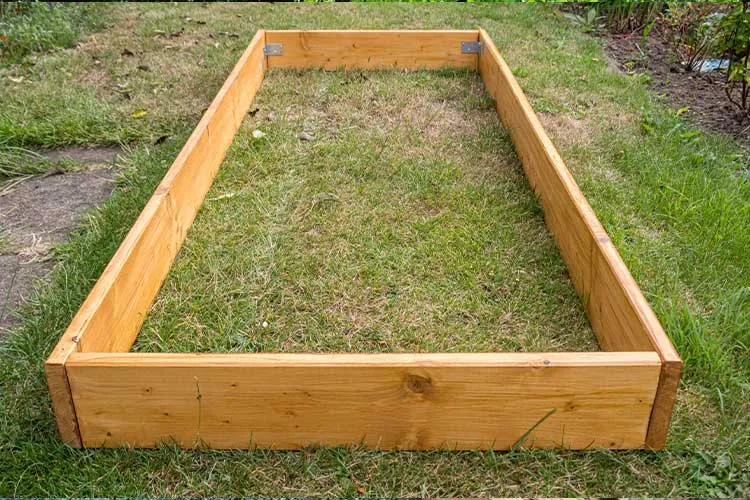
Are you ready to transform your outdoor space into a thriving garden? Setting up a garden bed is easier than you might think, and it’s the perfect way to grow fresh vegetables, herbs, or beautiful flowers right at home.
Imagine stepping outside to pick your own ripe tomatoes or fragrant basil—sounds amazing, right? In this guide, you’ll discover simple, step-by-step tips to create a garden bed that suits your space and skill level. By the end, you’ll have everything you need to start growing a vibrant, healthy garden that brings joy and freshness to your life.
Keep reading, and let’s get your garden growing!
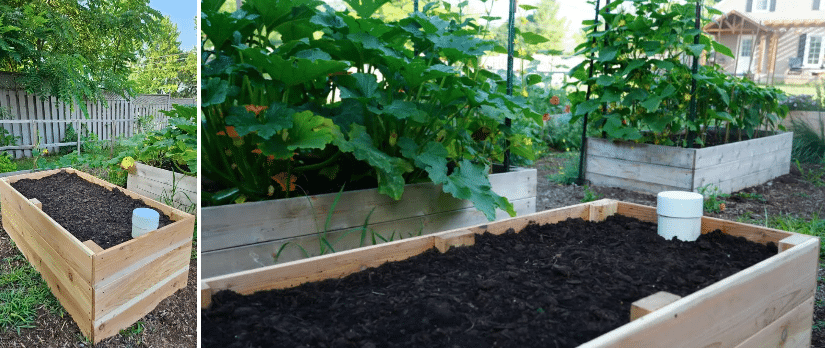
Credit: www.plantprojectcanada.com
Choosing The Right Location
Choosing the right location for your garden bed is a critical decision that impacts the health and productivity of your plants. It’s not just about picking a sunny spot; you need to think about several factors that work together to create the perfect environment. A well-chosen spot can save you time, effort, and frustration later on.
Assessing Sunlight Exposure
Most vegetables and flowers need at least six hours of direct sunlight daily. Observe your yard at different times of the day to find areas that get consistent sun. Beware of spots that seem sunny but are shaded by trees or buildings during key growing hours.
Have you noticed how some plants in your garden thrive better than others? Often, it comes down to light. Use a smartphone app or simple observation to track sunlight patterns before you dig.
Checking Soil Drainage
Good drainage prevents water from pooling around your plants’ roots, which can cause rot. To test drainage, dig a small hole about 12 inches deep and fill it with water. If the water drains within a few hours, the spot is suitable; if it takes longer, consider improving the soil or choosing another location.
Adding organic matter like compost can improve drainage, but selecting a naturally well-drained area saves a lot of work. Have you ever had plants wilt after rain? Poor drainage might be the culprit.
Considering Accessibility
Your garden bed should be easy to reach for watering, weeding, and harvesting. If it’s too far from your water source or tucked behind obstacles, you might skip essential care on busy days. Think about how often you’ll visit and what tools you’ll need to carry.
Placing the bed near a pathway or patio encourages regular attention. How convenient would it be to step outside and pick fresh herbs without a long walk? Accessibility can make gardening more enjoyable and productive.

Credit: www.youtube.com
Selecting Garden Bed Type
Choosing the right garden bed type shapes your entire gardening experience. It affects everything from soil health to ease of maintenance and plant growth. You want a setup that fits your space, budget, and the kind of plants you want to grow.
Raised Beds Benefits
Raised beds let you control the soil quality easily. You can fill them with nutrient-rich soil, which helps plants thrive even if your ground soil is poor. They also improve drainage, reducing waterlogging issues.
One time, I built raised beds in a backyard with heavy clay soil. The difference was striking—plants grew faster and looked healthier. Plus, raised beds reduce back strain since you don’t have to bend as much.
In-ground Beds Options
In-ground beds work well if your soil is already fertile and well-drained. You simply prepare the soil by loosening it and adding compost. This option is budget-friendly since it doesn’t require building structures.
Consider how much space you have and the type of plants. Root vegetables, for example, prefer deeper, loose soil you can find in well-prepared in-ground beds. Are you ready to dig in and get your hands dirty?
Container Gardening Ideas
Container gardening is perfect for small spaces like balconies or patios. It lets you grow herbs, flowers, and even some vegetables without a yard. Containers come in many sizes and materials, so pick what matches your style and plants’ needs.
Try grouping containers by plant type to make watering and care easier. I started with just a few pots and ended up with a mini garden that brightened my apartment. What containers could fit your space and lifestyle?
Preparing The Soil
Clear the area of weeds and debris before digging. Loosen the soil to improve air and water flow. Mix in compost to enrich nutrients and help plants grow well.
Preparing the soil for your garden bed is an essential step that sets the stage for a flourishing garden. Imagine your garden as a blank canvas, and the soil is your foundation. A well-prepared soil can significantly impact the health and productivity of your plants. From clearing debris to enriching the soil with nutrients, every action you take now will pay off in bountiful harvests later.Clearing Debris And Weeds
Start by removing all debris and weeds from the area where you plan to set up your garden bed. This might seem tedious, but it’s crucial to eliminate competition for your plants. Use a hoe or a rake to clear the surface, ensuring no rocks or old roots remain. Don’t underestimate the power of a clean slate. By removing unwanted materials, you’re giving your plants a fighting chance to thrive without interference.Testing Soil Quality
Testing your soil’s quality is a step you shouldn’t skip. It provides insights into what nutrients your garden might be missing. You can purchase a simple home soil test kit, or send a sample to your local extension office for a detailed analysis. Knowing your soil’s pH level and nutrient content helps you make informed decisions. Are you planting vegetables? They generally prefer a slightly acidic to neutral pH. Armed with this knowledge, you can tailor your soil amendments accordingly.Adding Compost And Amendments
Once you’ve got a clean and tested foundation, it’s time to enrich your soil. Adding compost is like giving your garden bed a multivitamin. It boosts the soil’s nutrient content, improves drainage, and helps retain moisture. Consider what your soil needs based on your test results. Does it lack nitrogen? Adding organic matter like grass clippings or manure can help. By customizing your soil amendments, you’re setting the stage for a thriving garden that’s bursting with life. Have you ever prepared a garden bed before? What techniques did you find most effective? Your experiences could be the key to someone else’s gardening success.Building The Garden Bed
Building a garden bed creates a perfect space for growing plants. It helps control soil quality and drainage. A well-built bed keeps plants healthy and organized. The process starts with gathering the right materials. Then, constructing a sturdy frame. Finally, filling the bed with a nutrient-rich soil mix. Each step is important for a successful garden.
Gathering Materials
Collect wood planks or bricks for the frame. Choose untreated wood to avoid chemicals. Get screws, nails, or brackets to join parts. Use a drill or hammer for assembly. Prepare gardening soil, compost, and sand for filling. Have a shovel and rake ready for mixing.
Constructing The Frame
Decide the bed size and shape first. Cut wood planks to match measurements. Join corners tightly using screws or nails. Ensure the frame is level on the ground. Check for stability by pressing on the sides. Reinforce weak spots with extra brackets or stakes.
Filling With Soil Mix
Mix garden soil, compost, and sand well. This mix improves drainage and fertility. Fill the frame evenly with soil mix. Avoid compacting soil too much. Leave a small gap at the top for watering. Level the surface with a rake. The bed is ready for planting soon.
Planting For Success
Planting for success begins with thoughtful choices and careful planning. Healthy plants grow better and yield more. Setting up your garden bed with the right plants and techniques makes all the difference. This section covers how to pick plants, arrange them, and plant properly for a thriving garden.
Choosing Suitable Plants
Select plants that match your climate and soil type. Consider sunlight needs—some plants love full sun, others prefer shade. Pick varieties that resist pests and diseases common in your area. Think about the harvest time; mix early and late bloomers for longer yields. Using native plants often reduces care and water needs.
Spacing And Arrangement
Give plants enough room to grow. Crowded plants compete for water, light, and nutrients. Follow spacing guidelines on seed packets or plant tags. Arrange taller plants at the back or center. Place shorter plants where they get enough light. Use companion planting to help plants protect and support each other.
Planting Techniques
Prepare the soil by loosening it and removing weeds. Dig holes twice as wide as the plant’s root ball. Water the hole before planting to settle the soil. Place the plant gently and cover roots with soil. Press soil lightly to remove air pockets. Water immediately after planting to help roots settle in.
Watering And Maintenance
Watering and maintenance are the heartbeats of a thriving garden bed. Without consistent care, even the healthiest plants can struggle to reach their full potential. Understanding how to water effectively and maintain your bed will save you time and keep your garden vibrant all season long.
Establishing A Watering Schedule
Creating a regular watering schedule helps your plants develop strong roots and stay healthy. Early morning is the best time to water because it reduces evaporation and allows leaves to dry before nightfall, lowering the risk of disease.
Pay attention to your soil type—sandy soils need more frequent watering than clay soils. Instead of a fixed routine, observe your plants and soil moisture. Are the leaves wilting or the soil dry an inch below the surface? Adjust your schedule accordingly.
Mulching Benefits
Adding mulch around your plants does more than just make your garden look tidy. It locks in moisture, so you don’t have to water as often. It also helps regulate soil temperature, protecting roots from extreme heat or cold.
Organic mulches like straw, leaves, or wood chips break down over time, enriching your soil with nutrients. Have you noticed how mulching can reduce your garden chores? It also suppresses weeds, cutting down the time you spend pulling unwanted plants.
Weed And Pest Control
Weeds compete with your plants for water, nutrients, and sunlight. Remove them regularly by hand or use tools designed to get the root out, preventing regrowth. Mulching also plays a key role here by blocking weed seeds from germinating.
For pests, start with simple solutions like introducing beneficial insects or handpicking bugs. Chemical treatments should be your last resort. Have you tried companion planting? Some plants naturally repel pests, offering a natural defense for your garden bed.
Seasonal Care Tips
Seasonal care is essential to keep your garden bed healthy and productive year-round. Each season brings unique challenges and opportunities for your plants. Understanding how to adjust your care routine can help you protect your garden and boost growth as the weather changes.
Preparing For Winter
As temperatures drop, your garden bed needs extra protection. Remove any dead plants and weeds to prevent pests from hiding over winter. Adding a thick layer of mulch helps insulate roots and retain moisture during cold spells.
Don’t forget to cover tender plants with frost cloths or bring potted plants indoors. Have you checked if your soil drainage is working well? Poor drainage can cause root rot when the ground freezes.
Springtime Bed Renewal
Spring is the perfect time to refresh your garden bed for a new growing season. Start by loosening the soil with a garden fork to improve aeration. Mix in fresh compost or organic matter to replenish nutrients.
Prune any damaged branches and remove winter mulch gradually as the soil warms. Consider planting early-season crops like lettuce or peas to get a head start. What new varieties are you excited to try this spring?
Adjusting For Climate Changes
Weather patterns can shift unexpectedly, affecting your garden’s health. Monitor local forecasts and adjust watering schedules accordingly—too much water can be as harmful as too little. Shade cloths or windbreaks might be necessary if you notice increased sun exposure or harsh winds.
Keep an eye on plant responses and be ready to experiment with different care techniques. How does your garden react to sudden heat waves or cold snaps? Adapting quickly can save your plants and improve your harvest.
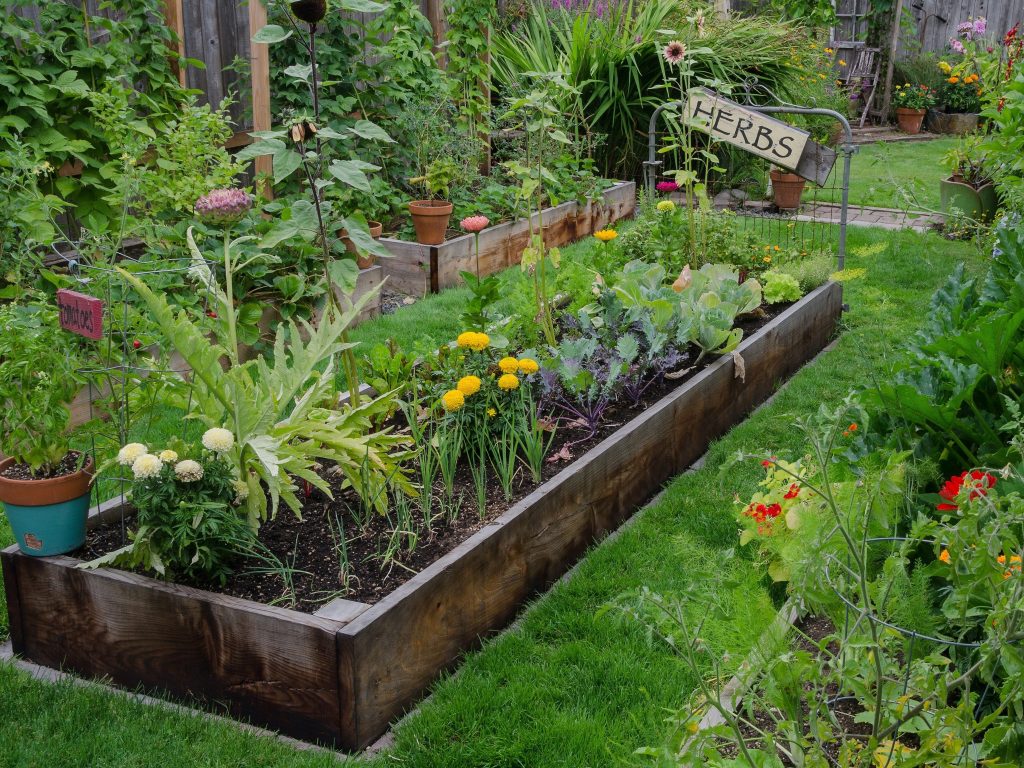
Credit: www.melnor.com
Frequently Asked Questions
How Do I Choose The Best Location For My Garden Bed?
Select a spot with at least 6 hours of sunlight daily. Ensure good drainage and easy access to water. Avoid areas with heavy shade or strong winds to promote healthy plant growth.
What Materials Are Ideal For Building Garden Bed Frames?
Wood, stone, and metal are common materials. Cedar and redwood resist rot well. Avoid treated wood with chemicals. Choose materials that suit your budget and garden style.
How Deep Should A Garden Bed Be For Vegetables?
A depth of 12 to 18 inches is ideal. This allows roots to grow freely and access nutrients. Deeper beds help retain moisture and improve soil quality.
How Can I Prepare Soil For A New Garden Bed?
Remove weeds and debris first. Loosen the soil to improve aeration. Mix in compost or organic matter to boost fertility. Test soil pH and adjust if needed.
Conclusion
Setting up a garden bed is easier than it seems. Start with a good plan and clear space. Choose the right soil and plants for your area. Keep your bed clean and water regularly. Watch your garden grow day by day.
Enjoy the fresh air and beauty it brings. With patience and care, your garden will thrive. Gardening brings peace and joy to daily life. Ready to dig in? Your garden awaits.



