
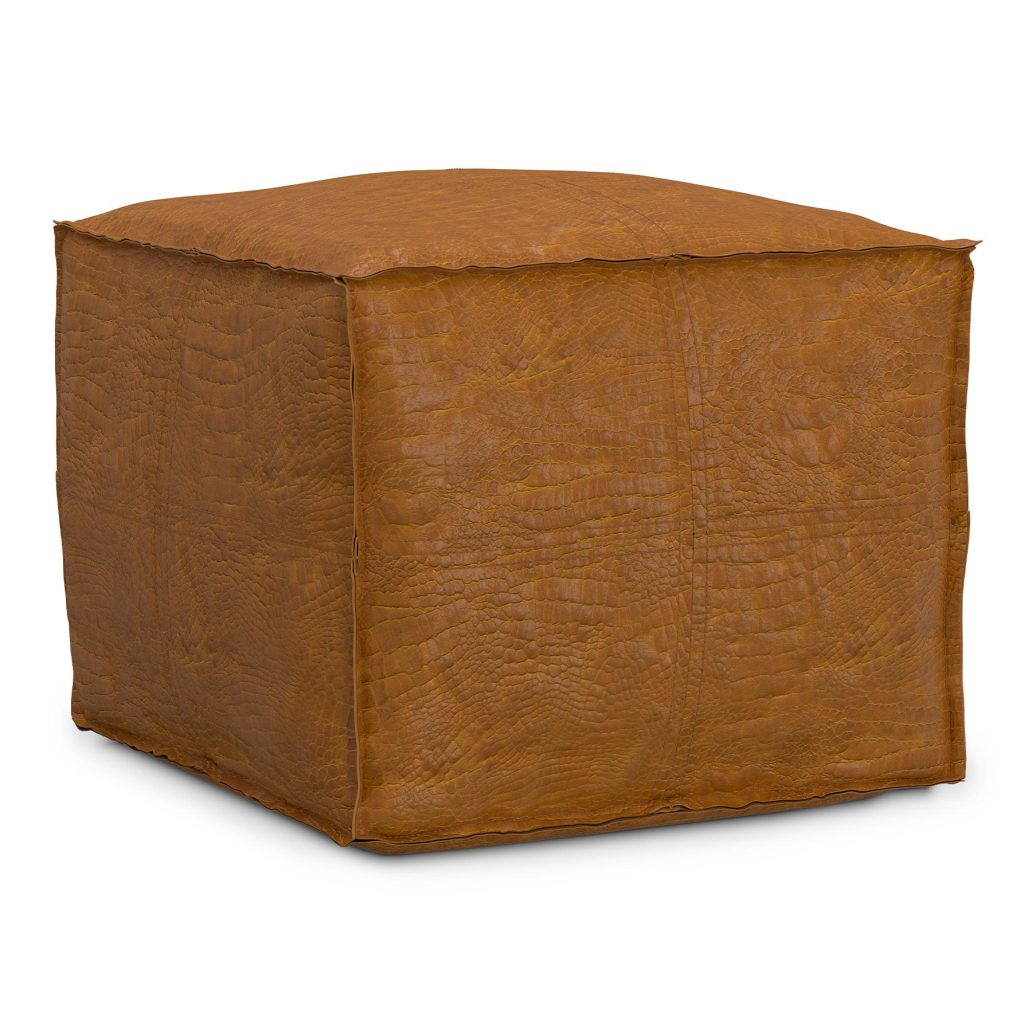
Are you ready to add a stylish and cozy touch to your living space? Making your own leather cube pouf is easier than you think—and it gives you a unique piece that matches your style perfectly.
Imagine sinking your feet into a soft, handmade pouf after a long day, knowing you crafted it yourself. This guide will walk you through simple steps that anyone can follow, even if you’ve never sewn leather before. Keep reading, and by the end, you’ll have the skills to create a beautiful, durable pouf that stands out in any room.
Materials Needed
Gathering the right materials is crucial before you start sewing your leather cube pouf. Having everything prepared not only speeds up the process but also helps you avoid frustration. Let’s break down the essential items you’ll need to create a sturdy and stylish pouf.
Choosing The Right Leather
Not all leather is suitable for a cube pouf. Look for leather that is thick and durable—around 1.2 to 1.5 mm works well for upholstery projects. You want something that can handle wear and tear without stretching out of shape.
Consider the finish too: smooth leather offers a sleek look, while distressed leather hides scratches better. Have you thought about color? Darker tones often mask dirt, but lighter colors can brighten your space.
Essential Sewing Tools
Sewing leather requires tools that handle its toughness. A heavy-duty sewing machine or a leather needle for hand sewing is a must. Regular needles will break or bend, so invest in a leather-specific needle.
You’ll also need strong thread—polyester or nylon thread works best because it resists breaking. Don’t forget a sturdy pair of scissors designed to cut leather cleanly. Can you imagine struggling with dull scissors halfway through your project?
Additional Supplies
- Ruler and Measuring Tape:Accurate measurements keep your pouf symmetrical and neat.
- Chalk or Fabric Marker:Mark your cutting lines without damaging the leather surface.
- Clips or Leather Clamps:Pins can leave holes, so use clips to hold pieces together.
- Leather Glue (optional):Helps secure seams before sewing and reduces shifting.
- Stuffing:Choose firm foam or polyester fiberfill to maintain the pouf’s shape.
With these materials at hand, you’re set to create a pouf that’s not only attractive but built to last. What’s your biggest challenge with sewing leather—cutting, stitching, or assembling?
Preparing The Pattern
Preparing the pattern is a vital step in sewing a leather cube pouf. This phase ensures all pieces fit perfectly and the final pouf looks sharp and professional. Taking time here saves effort later during sewing and assembling.
Accuracy is key. Careful measuring and cutting build the foundation for a sturdy pouf. Leather is a tough material, so mistakes are costly. Follow each step with care to create a flawless pattern ready for stitching.
Measuring For The Cube Pouf
Start by deciding the size of your cube pouf. Use a ruler or measuring tape for precise dimensions. Measure the length, width, and height you want for the pouf.
Note that a cube pouf has six equal square sides. Measure one side carefully. This single measurement will guide all other pieces. Write down the measurement to avoid forgetting it.
Creating A Template
Transfer your measurements to a piece of stiff paper or cardboard. Draw six equal squares based on your side length. Space them apart slightly to make cutting easier.
Cut out the template squares neatly. This paper template helps in marking the leather without mistakes. It also allows you to test the fit of your design before cutting the leather.
Cutting The Leather Pieces
Lay your leather flat on a clean surface. Place the template on the leather and trace around it using a pencil or chalk made for leather.
- Trace each square carefully to avoid errors.
- Keep the template steady while tracing.
- Leave a small seam allowance around each piece for stitching.
Use a sharp leather cutting tool or rotary cutter. Cut slowly and precisely along the traced lines. Avoid jagged edges to ensure smooth sewing and a neat finish.
Sewing The Panels
Sewing the panels of a leather cube pouf requires care and precision. Each panel must fit perfectly to create a clean, sharp shape. Using the right sewing techniques ensures strong, neat seams. This part of the process shapes the pouf and holds it together.
Stitching Techniques For Leather
Leather needs special stitches to avoid damage. Use a heavy-duty needle made for leather. Choose a strong polyester or nylon thread. A saddle stitch works well for durability and looks nice. Keep stitches even and tight, about 3-4 mm apart. Avoid pulling the thread too hard to prevent holes.
Joining The Sides
Start by aligning two panels edge to edge. Use clips or binder clips to hold them in place. Do not use pins; they leave permanent holes. Sew along the edge with a straight stitch. Keep the stitching line straight and close to the edge. Repeat for all panels to form the cube shape.
Reinforcing Seams
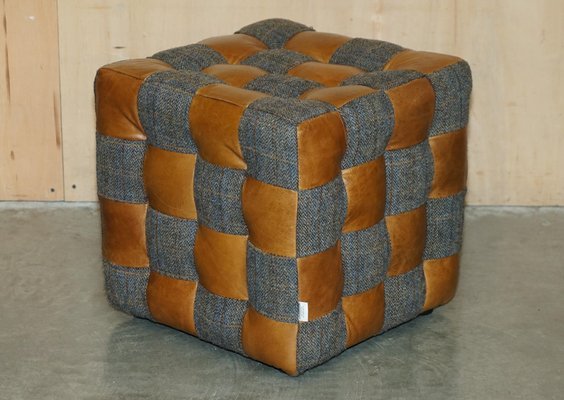
Leather seams need extra strength. Add a second row of stitching next to the first one. Backstitch at the start and end to lock the thread. Use a leather glue inside the seam for added hold. Press seams flat with a roller or bone folder. This keeps edges smooth and strong for long use.
Credit: www.pamono.ca
Assembling The Pouf
Assembling the leather cube pouf is where your project truly takes shape. This stage brings together all the pieces you’ve carefully cut and stitched, transforming flat panels into a cozy, functional piece of furniture. The key is to work patiently, making sure each part fits perfectly before moving on.
Attaching The Bottom Panel
Start by aligning the bottom panel with the sides of your pouf. Pin the edges securely so the leather doesn’t shift while you sew. Use a strong, heavy-duty needle and thread designed for leather to ensure durability.
Take your time stitching all around the edges, keeping your stitches even and tight. If you notice any puckering, pause and adjust the leather to keep it smooth. Have you ever tried sewing leather without pinning? It can quickly turn into a tangled mess.
Inserting The Filling
Once the bottom is attached, it’s time to add the filling. Use high-density foam or a firm stuffing material to give your pouf a comfortable yet sturdy feel. Cut the foam to fit snugly inside, avoiding any gaps that might cause sagging.
Push the filling in gradually, smoothing the corners as you go. If you want extra comfort, consider adding a layer of batting over the foam before closing the pouf. What kind of filling do you think would suit your space best—soft or firm?
Closing The Pouf
With the filling in place, finish by sewing the last opening closed. Use a ladder stitch or similar hand-sewing technique to keep the seam invisible and neat. This final step requires patience to ensure the pouf looks polished.
Check your work by pressing gently on all sides. The seams should hold firm without any gaps or loose stitches. How satisfying is it to see your handmade leather pouf complete and ready to use?
Finishing Touches
Finishing touches can transform your leather cube pouf from a simple project into a standout piece. These final steps add personality and ensure your pouf lasts longer. Paying attention now saves you from future fixes and helps your creation look professionally made.
Adding Decorative Elements
Think about how you want your pouf to reflect your style. Adding decorative stitching along the seams can create a unique pattern and strengthen the edges. You can also attach small leather tassels or metal studs to one or more corners for a bold statement.
Using contrasting thread colors is another easy way to make your pouf pop. If you prefer subtlety, try embossing a simple design onto one panel before assembly. These details make your piece one of a kind.
Leather Care Tips
Leather needs gentle care to maintain its look and feel. Use a soft cloth to wipe off dust regularly and apply a leather conditioner every few months to keep it supple. Avoid harsh chemicals; they can dry out or discolor the leather.
If your pouf ever gets wet, blot the moisture immediately and let it air dry away from direct heat. Have you tried using natural beeswax-based products? They often provide a protective layer without changing the leather’s natural texture.
Maintaining The Pouf’s Shape
Over time, your pouf can lose its firmness or shape if not properly maintained. Fluff the filling regularly to redistribute it evenly inside the leather cover. This simple habit keeps the pouf comfortable and looking full.
Consider adding a zipper or Velcro opening if you didn’t include one during sewing. This makes it easier to remove the cover and refresh the stuffing whenever needed. How often do you think your pouf needs a quick shape check to stay inviting?

Credit: www.amazon.com
Troubleshooting Common Issues
Common problems include uneven stitches or difficulty handling thick leather. Adjust needle size and use strong thread for better results. Patience helps when aligning pieces and sewing through tough spots.
Troubleshooting common issues while sewing a leather cube pouf can be a lifesaver when you’re deep in your project. Imagine you’ve spent hours cutting and preparing your leather, only to encounter unexpected wrinkles, stitching errors, or uneven seams. It’s frustrating, but rest assured, these challenges are part of the learning process. By understanding how to troubleshoot these issues, you can ensure your pouf looks polished and professional. Let’s dive into some practical solutions for common leather sewing problems.Handling Leather Wrinkles
Leather can be tricky, especially when wrinkles appear. They can make your project look messy and unprofessional. To smooth out these wrinkles, gently use a heat gun or hair dryer on a low setting. Make sure to keep it moving to avoid burning the leather. Another option is placing a heavy book on the wrinkled area overnight. This simple trick often works wonders.Fixing Stitching Mistakes
Everyone makes mistakes, especially when sewing leather, which is less forgiving than fabric. If your stitching goes off track, carefully unpick the stitches with a seam ripper. Be gentle to avoid making additional holes in the leather. Once you’ve removed the incorrect stitches, realign your pieces and sew again, ensuring your machine settings are adjusted for leather thickness.Dealing With Uneven Seams
Uneven seams can detract from the sleek look of your pouf. To fix this, first, check that your pieces are cut evenly before sewing. If seams are uneven after sewing, consider trimming the excess carefully with a rotary cutter. Use a straight edge to guide your cut for precision. Re-sew the seam to secure it, and you’ll be amazed at the difference it makes. Remember, every sewing project is a chance to learn and improve. What other challenges have you faced while sewing leather? Share your experiences and tips in the comments below!
Credit: www.marrakeche.com
Frequently Asked Questions
What Materials Do I Need To Sew A Leather Cube Pouf?
You need leather fabric, heavy-duty thread, a sewing machine, scissors, stuffing material, and a zipper or Velcro for closure. Choose durable leather and strong thread to ensure your pouf lasts long. Proper tools make sewing easier and the final product professional.
How Do I Prepare Leather For Sewing A Pouf?
Clean the leather surface and cut pieces accurately using a rotary cutter or sharp scissors. Mark seam allowances clearly. Use clips instead of pins to avoid holes. Conditioning leather before sewing can make it more flexible and easier to handle.
What Sewing Techniques Work Best For Leather Poufs?
Use a heavy-duty needle and strong thread designed for leather. Sew slowly with even stitches, and reinforce stress points with double stitching. Avoid backstitching, which can damage leather. A walking foot helps feed the leather evenly through the machine.
How Do I Stuff A Leather Cube Pouf Properly?
Fill the pouf with firm stuffing like foam or polyester fiberfill for shape and comfort. Add stuffing gradually, checking firmness as you go. Avoid overstuffing to prevent seams from bursting. Evenly distribute stuffing to maintain a neat cube shape.
Conclusion
Sewing a leather cube pouf is a fun and useful project. You can create a unique piece for your home. Follow the steps carefully, and take your time. Choose good materials for a strong and lasting pouf. Practice sewing skills with simple stitches first.
Enjoy making something with your own hands. This project brings style and comfort together nicely. Start your pouf today and see the results!



