
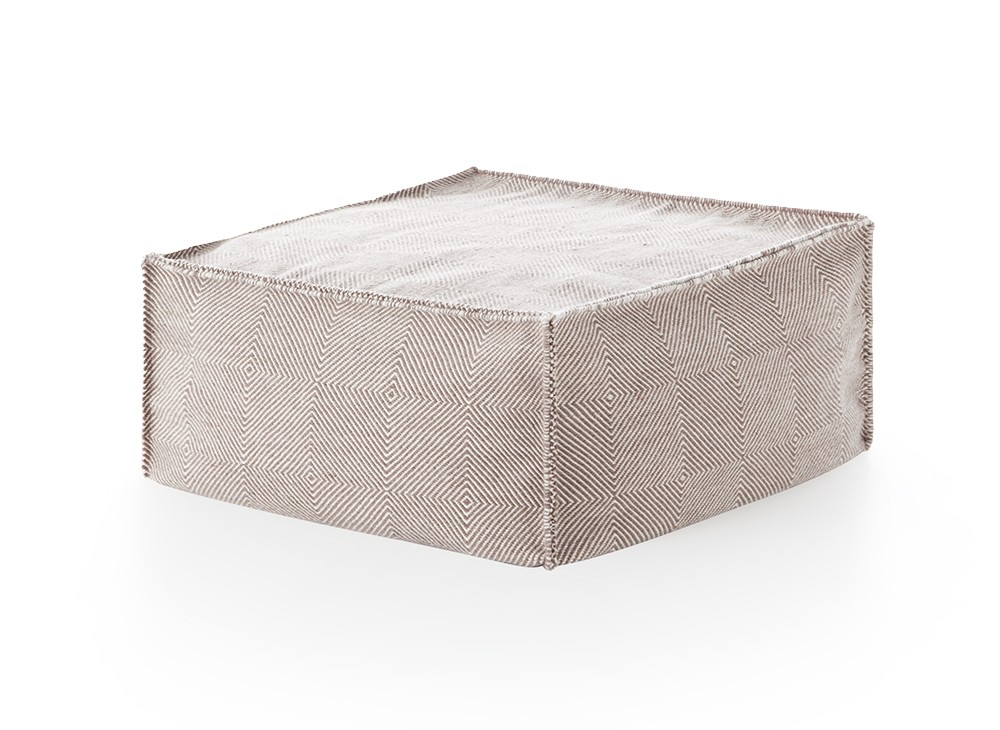
Are you ready to add a stylish and cozy touch to your living space? Learning how to sew a square pouf cover is easier than you think—and it’s a great way to refresh your room without spending a fortune.
Imagine having a unique, handmade cover that fits perfectly and reflects your personal style. In this guide, you’ll discover simple steps to create your own pouf cover, even if you’re new to sewing. By the end, you’ll have the confidence and skills to transform an ordinary pouf into a standout piece.
Keep reading—you’re just moments away from making your home more inviting and truly yours.

Credit: www.amazon.com
Materials Needed
Before you begin sewing your square pouf cover, gathering the right materials is essential. The choice of fabric and tools can make a big difference in the durability and look of your finished project. Let’s take a closer look at what you’ll need to get started.
Fabric Choices
Pick a fabric that fits your style and how you’ll use the pouf. Durable fabrics like canvas, denim, or upholstery fabric work well because they can handle wear and tear. If you want something softer and cozier, consider cotton or linen blends, but keep in mind they may need a lining for extra strength.
Think about color and pattern too. A bold print can make your pouf a statement piece, while solid colors offer more versatility. How do you want your pouf to complement your room’s decor?
Tools And Accessories
Having the right tools will make your sewing project smoother. You’ll need a good sewing machine with a heavy-duty needle to handle thick fabric. Sharp fabric scissors, pins or clips, and a measuring tape are basic must-haves.
Don’t forget accessories like a zipper or buttons if you want your pouf cover to be removable for washing. Thread that matches your fabric color is crucial for a neat finish. Would you prefer a hidden zipper for a clean look, or visible buttons for a decorative touch?
Measuring Your Pouf
Measuring your pouf correctly is essential before sewing its cover. Accurate measurements ensure a perfect fit that looks neat and feels comfortable. Taking careful dimensions avoids fabric waste and sewing mistakes. This step saves time and effort during the project.
Taking Accurate Dimensions
Use a soft measuring tape for precision. Measure the width, length, and height of your pouf. Write down each number clearly to avoid confusion. Measure the top and bottom sides separately. Check if your pouf has rounded edges or sharp corners. Note these details as they affect the pattern shape. Double-check all measurements to ensure accuracy.
Adding Seam Allowance
Seam allowance is extra fabric added for sewing seams. Without it, your cover will be too small. Add at least 1 inch (2.5 cm) to each dimension. This allowance gives space for stitching and fabric thickness. Mark this extra space on your fabric before cutting. Keep seam allowance consistent on all sides. It helps in aligning fabric pieces perfectly during sewing.
Cutting The Fabric
Measure the fabric carefully and mark the square shapes needed for the pouf cover. Use sharp scissors to cut along the lines for clean edges. Precise cutting helps the pieces fit together perfectly during sewing.
Cutting the fabric is a crucial step in creating a square pouf cover that fits perfectly. If you’ve ever been disappointed by a misaligned seam or an awkward fit, you know how important precision is in this stage. By focusing on careful preparation and accurate cutting, you’ll set a strong foundation for a beautifully crafted pouf cover that will enhance your living space.Preparing Fabric Pieces
Start by selecting a fabric that suits your style and space. Opt for durable materials like cotton or linen for longevity. Measure your pouf to determine the size of each fabric piece you’ll need. Typically, you’ll need five squares for the top, bottom, and sides, and one long piece for the zipper section. Wash and iron your fabric before cutting to prevent future shrinkage and ensure even cutting. This simple step can save you from frustrating surprises later.Marking And Cutting Tips
Use a fabric marker or tailor’s chalk to mark out your pieces clearly. This helps ensure each piece is the correct size and shape. Place your fabric on a flat surface and use a rotary cutter for clean, straight lines. A sharp pair of scissors also works well if you prefer them. Double-check your measurements and markings before making any cuts. It might seem tedious, but a few extra minutes here can save you hours of rework. Consider using pattern weights or pins to keep the fabric in place as you cut. This can prevent slips and help maintain the accuracy of your lines. Have you ever wished your DIY projects looked as polished as store-bought items? Paying attention to these details in the cutting stage can make all the difference.Sewing The Sides
Sewing the sides of your square pouf cover shapes the entire project. This step connects the flat panels into a three-dimensional form. Careful sewing here ensures the pouf looks tidy and holds its shape well.
Joining Panels
Start by placing two fabric panels right sides together. Align the edges carefully for a neat seam. Pin the edges to keep the fabric from moving. Sew along the pinned edge using a straight stitch. Keep the seam allowance consistent, about 1/2 inch wide. Repeat this process for all four sides to form a box shape.
Creating Clean Seams
Trim seam allowances to reduce bulk inside the pouf. Use pinking shears or a zigzag stitch to prevent fraying. Press the seams open with an iron for a flat finish. Topstitch close to the seam to secure and add a professional touch. This prevents seams from shifting and improves durability.
Attaching The Top And Bottom
Attaching the top and bottom pieces of your square pouf cover is a crucial step that defines the shape and durability of the finished product. Getting this part right ensures your pouf looks tidy and holds its stuffing well.
Aligning Pieces
Start by placing the top and bottom fabric pieces right sides together. Carefully match all the edges, especially the corners, to avoid any puckering later on.
Pin the layers in place using sewing pins or clips, spacing them evenly to keep the fabric from shifting. Take a moment to double-check your alignment; this small step saves a lot of frustration down the line.
Sewing Around Edges
Use a straight stitch to sew around the edges, leaving a small gap for turning the cover inside out. Sew slowly and keep your seam allowance consistent to maintain a professional finish.
If your fabric tends to fray, consider finishing the raw edges with a zigzag stitch or using pinking shears before sewing. This little detail can extend the life of your pouf cover significantly.
Have you ever noticed how a neat seam can change the whole look of a project? Paying attention to these edges makes your pouf not just functional but also a stylish accent in your room.

Credit: www.youtube.com
Adding A Closure
Adding a closure to your square pouf cover is essential for both functionality and style. It allows you to easily remove the cover for washing and keeps the filling secure. Choosing the right closure can change the entire look and feel of your pouf, so it’s worth spending some time on this step.
Zippers Vs Velcro
Both zippers and Velcro have their pros and cons when used as closures for pouf covers.
- Zippersoffer a clean and polished look. They hold the fabric tightly together, preventing any gaps. However, installing a zipper can feel tricky if you haven’t sewn one before.
- Velcrois much easier to sew and allows quick access. It’s great if you want a soft, flexible closure, but it might not look as neat. Plus, Velcro can wear out faster with frequent washing.
Think about how often you’ll remove the cover and how much you value appearance versus ease of use before choosing your closure type.
Installing The Closure
Once you decide on the closure, the next step is installation. For zippers, align the zipper teeth with the seam edges and pin carefully. Use a zipper foot on your sewing machine to get close to the teeth without breaking the needle.
If you opt for Velcro, sew one strip on one edge of the opening and the matching strip directly opposite. Hand-stitching might give you more control here, especially with thicker fabrics.
Test the closure several times before finishing the seams. Does the zipper glide smoothly, or does the Velcro hold firmly? Adjust if needed to avoid frustration later.
Finishing Touches
Finishing touches give your square pouf cover a neat and polished look. This stage ensures your sewing work looks tidy and fits perfectly. Small details here make a big difference in the overall quality.
Pressing Seams
Pressing seams flattens the fabric and sharpens edges. Use an iron on the correct heat setting for your fabric type. Press seams open or to one side, depending on your pattern. Avoid stretching the fabric while pressing to keep the shape crisp. Use a pressing cloth to protect delicate fabrics from direct heat.
Final Fit Check
Fit the cover over the pouf to check its size. Make sure all sides align well without excess fabric. Smooth out wrinkles and adjust any loose seams. Confirm the cover fits snugly but allows easy removal. This step guarantees a professional, comfortable finish for your pouf cover.

Credit: pattiewack.myshopify.com
Styling Your Pouf
Styling your square pouf cover enhances any room’s look. It brings personality and comfort. Choosing the right style helps the pouf fit your space and mood. The right colors and patterns make it stand out or blend in smoothly. Caring for your pouf keeps it fresh and inviting for a long time.
Color And Pattern Ideas
Choose colors that match your room’s theme. Neutral tones create calm and cozy vibes. Bright colors add energy and fun. Patterns give your pouf character and charm.
- Stripes or checks add a classic look
- Floral prints bring softness and warmth
- Geometric shapes offer a modern touch
- Solid colors keep it simple and clean
Mix and match patterns with other textiles in your room. This creates a balanced and stylish space.
Care And Maintenance
Keep your pouf cover clean to maintain its beauty. Regularly vacuum or shake out dust and dirt. Spot clean small stains with a mild detergent and water.
- Remove the cover if it is washable
- Follow washing instructions carefully
- Air dry to avoid shrinkage
- Store in a dry place when not in use
Proper care extends your pouf’s life and keeps it looking fresh.
Frequently Asked Questions
What Materials Are Needed To Sew A Square Pouf Cover?
You need fabric, thread, scissors, measuring tape, pins, and a sewing machine. Choose durable fabric like canvas for long-lasting covers.
How Do I Measure For A Square Pouf Cover?
Measure the pouf’s length, width, and height. Add extra inches for seams and ease. Accurate measurements ensure a perfect fit.
Can I Sew A Removable Pouf Cover?
Yes, add a zipper or Velcro on one side. This allows easy removal and cleaning of the cover.
What Type Of Fabric Is Best For Pouf Covers?
Choose heavy-duty fabrics like canvas, denim, or upholstery fabric. These materials are durable and can withstand regular use.
Conclusion
Sewing a square pouf cover can be a fun and useful project. You need simple tools and some patience. Step by step, you create a cover that fits perfectly. This helps protect your pouf and change its look anytime. Try different fabrics to match your room style.
Enjoy the satisfaction of making something with your hands. Soon, you will have a cozy and stylish pouf cover ready to use. Give it a try and see how easy sewing can be!



