
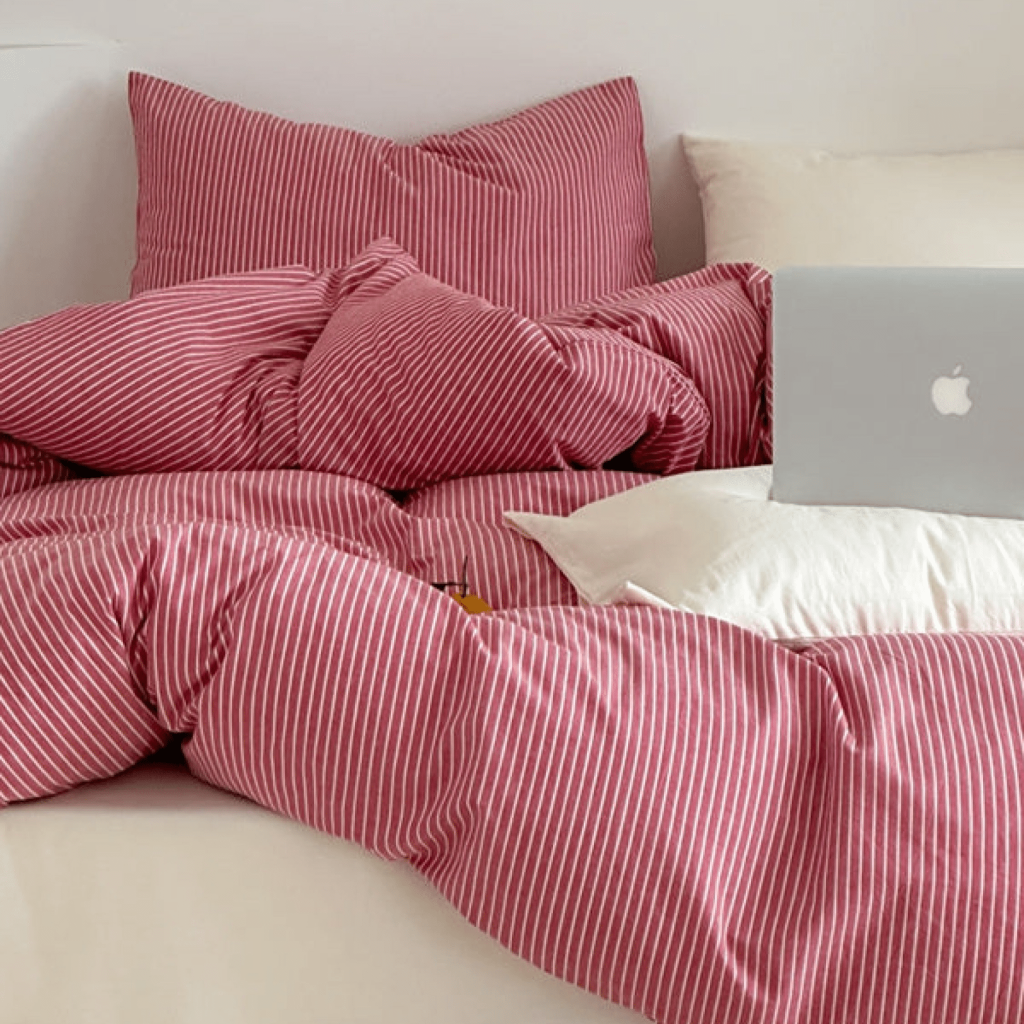
Choosing the perfect bed sheets can change the way you sleep and feel every night. But with so many options out there, it’s easy to feel overwhelmed.
What fabric feels best? Which size fits your bed? How do you find sheets that are both comfy and long-lasting? This guide will help you make smart choices that match your needs and budget. By the end, you’ll know exactly what to look for to create a cozy, restful space you’ll love crawling into every evening.
Keep reading to discover simple tips that make shopping for bed sheets easy and even enjoyable.

Credit: beddys.com
Choosing The Right Fabric
Choosing the right fabric for bed sheets affects comfort and durability. Different fabrics offer unique feels and benefits. Knowing these options helps pick sheets that suit your needs. This guide covers popular fabric types to make your choice easier.
Cotton Varieties
Cotton is soft, breathable, and widely used for bed sheets. It keeps you cool in summer and warm in winter. Egyptian cotton is known for its long fibers and strong threads. Pima cotton offers a silky feel and good durability. Organic cotton is grown without chemicals, ideal for sensitive skin.
Linen Benefits
Linen sheets come from flax plants. They are highly breathable and great for hot climates. Linen has a natural texture and softens with use. It absorbs moisture quickly and dries fast. These sheets are strong and can last many years with care.
Silk And Satin Options
Silk sheets are smooth, shiny, and gentle on skin. They help regulate body temperature and reduce friction. Satin is a weave, not a fabric, often made from polyester or silk. Satin sheets feel silky and look luxurious but may be less breathable than cotton.
Synthetic Fabrics
Synthetic fabrics like polyester and microfiber are affordable and wrinkle-resistant. They dry quickly and resist stains well. These sheets can feel less breathable than natural fibers. Some blends combine cotton and synthetics to balance comfort and durability.
Thread Count And Weave
Thread count and weave play key roles in bed sheet quality. Understanding these factors helps choose sheets that feel good and last long. They affect softness, durability, and overall comfort.
What Thread Count Means
Thread count counts the threads in one square inch of fabric. It includes both vertical (warp) and horizontal (weft) threads. A higher thread count often means softer sheets.
Sheets with a thread count between 200 and 400 are usually soft and durable. Extremely high thread counts can be misleading. They may use thinner threads or multiple threads twisted together.
Popular Weave Types
The weave type changes the texture and feel of sheets. Common weaves include:
- Percale:A plain weave that feels crisp and cool.
- Sateen:A satin weave that feels smooth and silky.
- Jersey:A knit weave that feels stretchy and soft.
Each weave offers a unique sleeping experience. Choose based on your personal comfort preferences.
Balancing Softness And Durability
Soft sheets feel nice but can wear out faster. Durable sheets last longer but may feel rough at first.
Look for a balance. Medium thread count with quality weave often works best. Cotton types like Egyptian or Pima add softness and strength.
Regular washing also keeps sheets comfortable and fresh longer.
Sizing And Fit
Choosing the right bed sheet size ensures a snug fit on your mattress. Measure mattress depth, width, and length for accurate sizing. Proper fit prevents sheets from slipping during sleep.
Shopping for bed sheets can be more intricate than it first appears, especially when considering the right sizing and fit. A perfect night’s sleep often hinges on how well your sheets align with your mattress. Ensuring that your bed sheets fit snugly is not only about comfort but also about maintaining the aesthetic appeal of your bedroom. Let’s dive into the essentials of getting the right size and fit for your bed sheets.Standard Bed Sizes
When choosing bed sheets, the first thing to note is the standard bed sizes. Mattresses typically come in Twin, Full, Queen, King, and California King sizes. Knowing your mattress size is crucial, as a mismatch can lead to sheets that are either too loose or too tight. Check the packaging for dimensions, as some brands might have slight variations. Always verify measurements, especially if purchasing from a new brand.Deep Pocket Sheets
If your mattress is on the thicker side, deep pocket sheets might be your best friend. These sheets are designed to accommodate mattresses that are taller than the average. A common mistake is assuming all sheets will fit any mattress depth, which can lead to frustration. Double-checking your mattress’s depth can save you from the hassle of constant sheet adjustments.Measuring Your Mattress
To ensure an ideal fit, take a moment to measure your mattress. Use a tape measure to determine its length, width, and height. This simple step can prevent the inconvenience of returning ill-fitting sheets. Have you ever struggled with a fitted sheet that just wouldn’t stay in place? Often, this happens due to incorrect measurements. Incorporating these steps into your sheet shopping routine can make a world of difference. Wouldn’t it be nice to sleep without the worry of sheets slipping off in the middle of the night? Investing time in understanding your mattress’s needs pays off in comfort and peace of mind.Color And Design Choices
Choosing the right color and design for bed sheets shapes your bedroom’s mood. Colors can make the room feel warm, calm, or lively. Designs add personality and style. Picking the perfect set means thinking about your room’s look and your own taste.
Matching Bedroom Decor
Match bed sheets to your room’s main colors. Look at walls, curtains, and furniture. Choose shades that blend well or contrast nicely. Light colors make the space feel bigger and brighter. Dark colors add coziness and depth. Think about the room’s style—modern, classic, or rustic—and pick colors that fit.
Patterns Vs. Solids
Patterns bring energy and fun to your bed. Stripes, florals, or geometric shapes create interest. Solid colors offer simplicity and calmness. They work well if your room has many patterns already. Mixing solids with patterns balances the look. Consider what feels best for your space and mood.
Seasonal Color Trends
Colors often follow seasons. Soft pastels and cool blues suit spring and summer. Warm tones like reds, oranges, and browns fit autumn and winter. Change bed sheets with seasons to refresh your room’s feel. Seasonal colors keep your bedroom inviting all year round.
Care And Maintenance
Taking care of your bed sheets properly can save you money and keep your sleep space fresh and comfortable. Paying attention to how you wash, dry, and maintain your sheets will preserve their softness and color. Small changes in your routine can make a big difference over time.
Washing Tips
Check the care label on your sheets before washing; different materials need different handling. Use cold or warm water to prevent shrinking and fading, especially with cotton or linen. Avoid harsh detergents and try gentle, fragrance-free options to protect the fabric.
Do you know that washing sheets separately can reduce wear and tear? Mixing sheets with heavy items like jeans might cause pilling or damage. Also, consider using a mild fabric softener sparingly—it can keep sheets soft but too much might build up residue.
Drying And Ironing
Air drying is ideal if you want to keep your sheets in top shape. Direct sunlight can bleach colors, so dry them in the shade or indoors. If you use a dryer, opt for a low heat setting to avoid shrinking and weakening fibers.
Ironing cotton sheets can restore crispness, but avoid ironing synthetic blends to prevent melting. A quick steam can freshen sheets without the hassle of full ironing. Have you tried removing wrinkles by folding sheets immediately after drying? It helps reduce the need for ironing.
Extending Sheet Lifespan
Rotate your sheets regularly to distribute wear evenly across your bedding. Investing in multiple sets allows you to wash frequently without overusing any one set. Storing sheets in a cool, dry place prevents mildew and keeps them smelling fresh.
Consider washing new sheets before the first use to remove any chemicals and improve softness. How often do you replace your sheets? Paying attention to signs like thinning fabric or persistent stains can guide you on when it’s time for new ones.
Budget And Quality
Balancing budget and quality is key to buying the right bed sheets. Good sheets last longer and feel better. Spending wisely means understanding what affects price and quality. This helps you choose sheets that fit your needs and wallet. Here are some tips to guide your choice.
Affordable Options
Affordable sheets can offer comfort without breaking the bank. Look for these features:
- Microfiber or polyester blends for softness and durability
- Lower thread counts around 200-300 for budget-friendly options
- Basic colors and patterns to save cost
- Machine-washable fabrics for easy care
Many affordable sheets perform well for daily use. They suit guest rooms or casual sleepers.
Investing In Luxury Sheets
Luxury sheets bring extra softness and durability. Materials like Egyptian cotton or linen offer breathability. High thread counts, usually over 400, feel smooth and strong. These sheets may cost more but last longer and feel better.
Luxury sheets often feature:
- Natural fibers for comfort and moisture control
- Fine weaving for a silky texture
- Elegant designs and colors
- Care instructions to maintain quality
Finding Value For Money
Value means getting good quality at a fair price. Check fabric type and thread count. Consider user reviews and brand reputation. Sometimes mid-range sheets offer the best mix of comfort and cost.
Tips for value shopping:
- Compare prices across stores
- Watch for sales and discounts
- Feel fabric samples if possible
- Prioritize comfort and durability over brand names
Shopping Tips
Shopping for bed sheets can feel overwhelming with so many options available. Knowing where to shop, how to read product labels, and understanding return policies can make your experience smoother and more satisfying. Let’s break down these essential tips to help you find the perfect sheets that match your comfort and style.
Where To Buy
Choosing the right place to buy your bed sheets is crucial. Specialty bedding stores often offer higher quality and allow you to feel the fabric before purchasing. Department stores and online retailers provide convenience and a wider selection, but be sure to check customer reviews and ratings.
Have you ever bought sheets online only to be disappointed by their feel or fit? Visiting a physical store can help you avoid this by letting you test the fabric’s softness and weight firsthand. However, if you prefer online shopping, stick to trusted websites with clear return policies.
Reading Labels
Labels reveal important details about your sheets’ material, weave, thread count, and care instructions. Don’t just chase high thread counts; sometimes, a lower thread count in good-quality cotton feels better and lasts longer. Look for terms like “long-staple cotton” or “Egyptian cotton” for durability.
Pay attention to the weave type too. Percale is crisp and cool, while sateen offers a silky, smooth finish. The care instructions matter—if you want low maintenance, avoid sheets that require special washing or ironing. Have you checked the label closely enough to know exactly what you’re buying?
Return Policies And Guarantees
Return policies can save you from ending up with sheets that don’t meet your expectations. Look for retailers that offer hassle-free returns or exchanges, especially if you’re buying online. Some brands provide satisfaction guarantees—don’t hesitate to use them if your sheets don’t feel right.
Always check how long you have to return the product and whether you need to keep the original packaging. Knowing these details upfront prevents surprises later. Would you risk a purchase without knowing if you can return it easily?

Credit: www.bedinabox.com

Credit: everlastingfabric.com
Frequently Asked Questions
What Thread Count Is Best For Bed Sheets?
A thread count between 200 and 400 is ideal for softness and durability. Higher counts don’t always mean better quality. Choose sheets that balance comfort and breathability.
Which Material Is Best For Bed Sheets?
Cotton, especially Egyptian or Pima, offers softness and breathability. Linen is great for hot climates. Bamboo sheets provide eco-friendly comfort and moisture-wicking properties.
How Do I Choose The Right Bed Sheet Size?
Measure your mattress’s length, width, and depth accurately. Pick sheets labeled with the matching mattress size, such as Twin, Queen, or King. Deep-pocket sheets fit thicker mattresses.
Are High Thread Count Sheets Worth It?
Not always. Extremely high thread counts can mean thinner yarns and less durability. Focus on quality fabric and weave rather than just thread count.
Conclusion
Choosing the right bed sheets can improve your sleep quality. Focus on fabric, thread count, and size for comfort. Softness and breathability matter most for a good night’s rest. Remember to check care instructions for easy maintenance. Your bed sheets should fit well and feel cozy.
Take your time to compare options before buying. Good sheets make your bedroom feel inviting and warm. Sleep better with sheets that suit your needs. Enjoy peaceful nights with your perfect bed sheets.



