
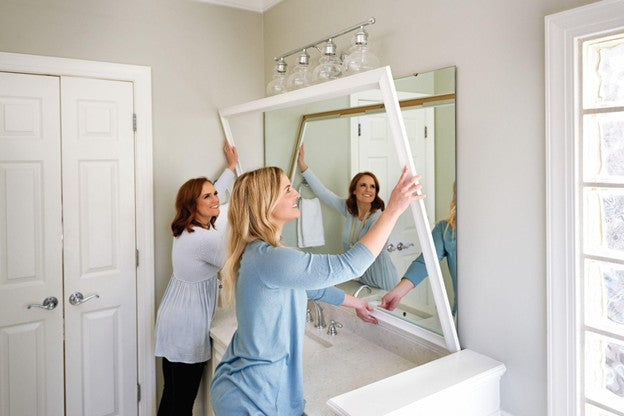
Looking to add a touch of style or make your room feel bigger? Sticking a mirror on your wall is a simple way to do both.
But if you’ve ever wondered how to do it without damage or hassle, you’re in the right place. This guide will walk you through easy, reliable steps to hang your mirror securely and beautifully. Keep reading, and you’ll discover tips that save time, avoid mistakes, and help your space shine like never before.
Your perfect mirror setup is just a few steps away!
Choosing The Right Mirror
Choosing the right mirror is crucial before you stick it on your wall. The mirror you pick affects not only the look of your room but also how securely it will stay in place. Consider factors like size, weight, and frame material to ensure your mirror fits perfectly and remains safe.
Size And Weight Considerations
Your wall space and the mirror’s size must match well. Large mirrors create a bold statement but can be heavy and tricky to hang securely. Smaller mirrors are easier to manage but might not have the same impact.
Think about the weight of the mirror. Heavy mirrors need strong anchors or special mounting hardware. If you’ve ever struggled with a mirror that fell off the wall, you know how important this is.
Ask yourself: Is my wall sturdy enough for a heavy mirror? What is the maximum weight my hanging hardware can support? Answering these questions helps prevent accidents and damage.
Frame Types And Materials
The frame adds style and affects how you hang the mirror. Lightweight frames, like those made of plastic or thin metal, are easier to handle. Heavy wood or ornate frames require stronger support and careful mounting.
Consider the material’s durability in your room’s environment. For instance, a metal frame resists moisture better in bathrooms, while wooden frames can warp if exposed to humidity.
Think about the style of your room, too. A sleek metal frame suits modern decor, while a rustic wooden frame fits cozy, traditional spaces. Your choice impacts both aesthetics and functionality.
Preparing The Wall Surface
Clean the wall thoroughly to remove dust and grease for better adhesion. Make sure the surface is dry and smooth before attaching the mirror. Any bumps or dirt can cause the mirror to fall.
Preparing the wall surface is a crucial step before sticking a mirror. A well-prepared surface ensures the mirror stays secure and lasts longer. This involves several important tasks that guarantee a smooth installation process.Cleaning And Drying
Start with a clean wall. Dust, dirt, or grease can weaken adhesion. Use a soft cloth and mild soap to wipe the area. Rinse with water to remove soap residues. Ensure the wall is completely dry before proceeding. Moisture can cause the adhesive to fail, posing safety risks.Checking Wall Material
Identify the wall material where the mirror will be placed. Different materials require different preparation methods. Drywall, concrete, and wood have unique properties. Ensure the wall can support the mirror’s weight. For drywall, locate studs for added support. For concrete, a proper adhesive is necessary. This assessment ensures the mirror is securely mounted and stable.Damage-free Mounting Options
Damage-free mounting options let you hang mirrors without harming walls. These choices keep surfaces intact and avoid holes or marks. Great for renters or anyone who wants a clean wall after removal.
These options use special adhesives or hooks designed for easy removal. You get a secure hold without permanent damage. Perfect for lightweight to medium mirrors.
Adhesive Strips And Hooks
Adhesive strips stick firmly to walls and mirror backs. They hold well and peel off cleanly. Hooks with adhesive bases can support hanging mirrors without nails. Ideal for smooth surfaces like painted drywall or tile.
Choose strips rated for the mirror’s weight. Press firmly for a strong bond. Remove slowly to avoid paint peeling.
Double-sided Mounting Tape
Double-sided tape offers strong grip on both surfaces. It is easy to cut to size and apply. This tape works best on flat mirrors and smooth walls.
Look for tape made for picture hanging or heavy-duty use. Test a small area first to check wall compatibility. Remove tape by heating gently with a hairdryer.
Removable Glue Dots
Glue dots provide small, strong sticky points. They hold mirrors without leaving residue. These dots are perfect for lightweight mirrors or decorative pieces.
Apply dots evenly behind the mirror. Press firmly against the wall. When removing, peel slowly to protect the paint.

Credit: www.youtube.com
Using Mounting Hardware
Using mounting hardware is a reliable way to hang a mirror securely on a wall. It offers strong support, especially for heavy or large mirrors. Choosing the right hardware depends on the wall type and mirror weight. Proper installation ensures the mirror stays in place and looks great.
Wall Anchors And Screws
Wall anchors and screws provide sturdy support for mirrors. Anchors hold the screw tightly in drywall or plaster. They prevent the screw from pulling out under weight.
- Select anchors suitable for your wall type.
- Drill holes where you want to hang the mirror.
- Insert the anchors into the holes.
- Screw the screws into the anchors, leaving a small gap.
- Hang the mirror on the screws using the frame or hooks.
This method is best for mirrors with built-in hanging hardware. It keeps the mirror flush against the wall and secure.
Picture Hanging Systems
Picture hanging systems use rails, hooks, and wires for easy adjustment. They distribute weight evenly and protect walls from damage.
- Install a wall rail at the desired height.
- Attach hanging wires or cords to the mirror frame.
- Hang the wires on hooks from the rail.
- Adjust the mirror position by moving the hooks along the rail.
This system suits rooms where you want to change mirror positions often. It works well for heavy mirrors and adds flexibility.
Alternative Methods For Delicate Walls
Delicate walls need gentle care when hanging mirrors. Traditional nails or screws can cause damage. Choose alternative methods that hold firm without harming the surface. These options work well on plaster, drywall, or wallpapered walls. Keep walls intact while displaying your mirror beautifully.
Command Strips
Command strips offer a simple, damage-free way to hang mirrors. They use strong adhesive but remove cleanly without leaving marks. Each strip can hold a specific weight, so check the mirror’s size before choosing strips. Apply strips to the mirror frame and press firmly to the wall. Hold for 30 seconds to ensure a strong bond. Wait one hour before hanging the mirror fully. Removing the strips is easy and safe for delicate walls.
Velcro Fasteners
Velcro fasteners create a secure hold with less wall damage. Attach one side of the Velcro to the mirror back. Stick the matching side onto the wall using adhesive pads. Press the mirror onto the wall firmly. Velcro allows easy removal and repositioning without holes or marks. This method works well for lightweight mirrors. It also lets you adjust the mirror’s position quickly.
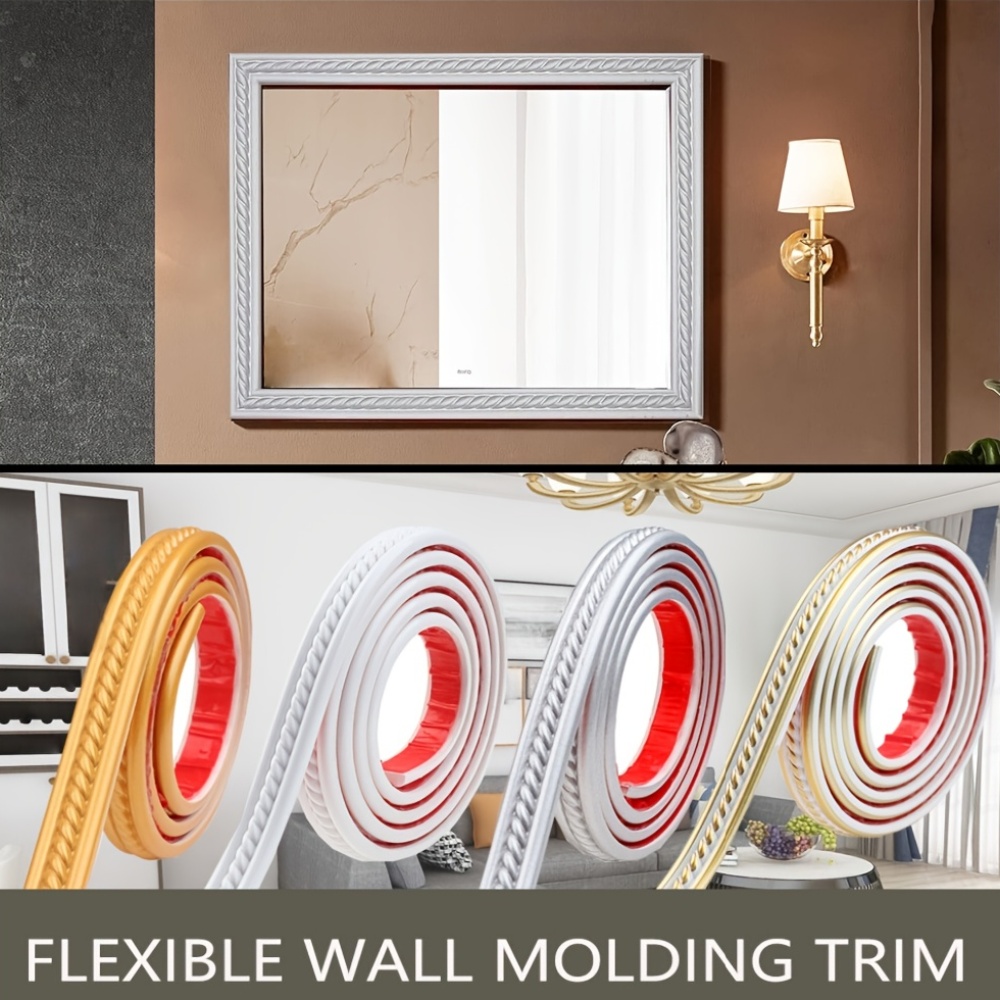
Credit: www.temu.com
Safety Tips And Precautions
Safety is key when sticking a mirror on a wall. Ignoring safety tips can cause injuries or damage. Always prepare well and choose the right tools. Taking precautions protects both the mirror and your wall. It also keeps you safe during installation.
Weight Limits
Check the mirror’s weight before choosing the adhesive or hooks. Each product has a weight limit. Do not exceed this limit to prevent falls. Use heavy-duty anchors for larger mirrors. Light adhesives work only for small, light mirrors. Always follow the manufacturer’s weight guidelines.
Avoiding Wall Damage
Test the wall surface before applying any adhesive. Clean the area to remove dust and dirt. Use painter’s tape to protect the paint around the mirror spot. Avoid nails or screws in drywall without anchors. Choose damage-free hooks or adhesives to keep walls intact. Remove the mirror carefully to prevent peeling paint or holes.
Maintaining Your Mounted Mirror
Maintaining your mounted mirror keeps it safe and looking great. Regular care prevents accidents and keeps the glass clear. Small actions can extend the mirror’s life and beauty.
Regular Checks
Check the mirror’s mounting every few weeks. Look for loose screws or adhesive that may weaken. Tighten screws or reapply glue if needed. Watch for cracks or damage on the frame and glass. Fix problems early to avoid bigger issues later.
Cleaning Without Damage
Use a soft cloth to clean the mirror surface. Avoid abrasive materials that scratch the glass. Use gentle glass cleaner or a mix of water and vinegar. Spray cleaner on the cloth, not directly on the mirror. Wipe softly to remove dust and smudges. Clean the frame carefully, matching its material type.

Credit: www.amazon.com
Frequently Asked Questions
How Do I Stick A Mirror On A Wall Without Damaging It?
Use strong, double-sided adhesive tape or mirror glue designed for walls. Clean the wall surface well. Press the mirror firmly and hold for a few minutes to ensure good adhesion. Avoid heavy mirrors without proper anchors to prevent damage.
What Type Of Adhesive Is Best For Hanging Mirrors?
Mirror-specific glue or heavy-duty double-sided tape works best. These adhesives are strong and designed to hold the mirror securely. Avoid regular glue, as it may not support the weight or could damage the mirror backing.
Can I Hang A Mirror On Drywall Without Studs?
Yes, use wall anchors or toggle bolts for extra support. Adhesive alone may not hold heavy mirrors on drywall. Anchors distribute the weight and prevent the mirror from falling or damaging the wall.
How Do I Prepare The Wall Before Sticking A Mirror?
Clean the wall surface with rubbing alcohol to remove dust and grease. Ensure the wall is dry and smooth. This preparation helps the adhesive bond better and prevents the mirror from falling.
Conclusion
Sticking a mirror on a wall is easier than it seems. Choose the right adhesive for your wall type. Clean the surface well before you start. Press the mirror firmly and hold it in place. Check that it is level and secure.
Small steps make a big difference. Enjoy your new mirror and the space it brightens. Simple tools and careful work bring great results. Try these tips for a smooth and safe mirror hanging.



