
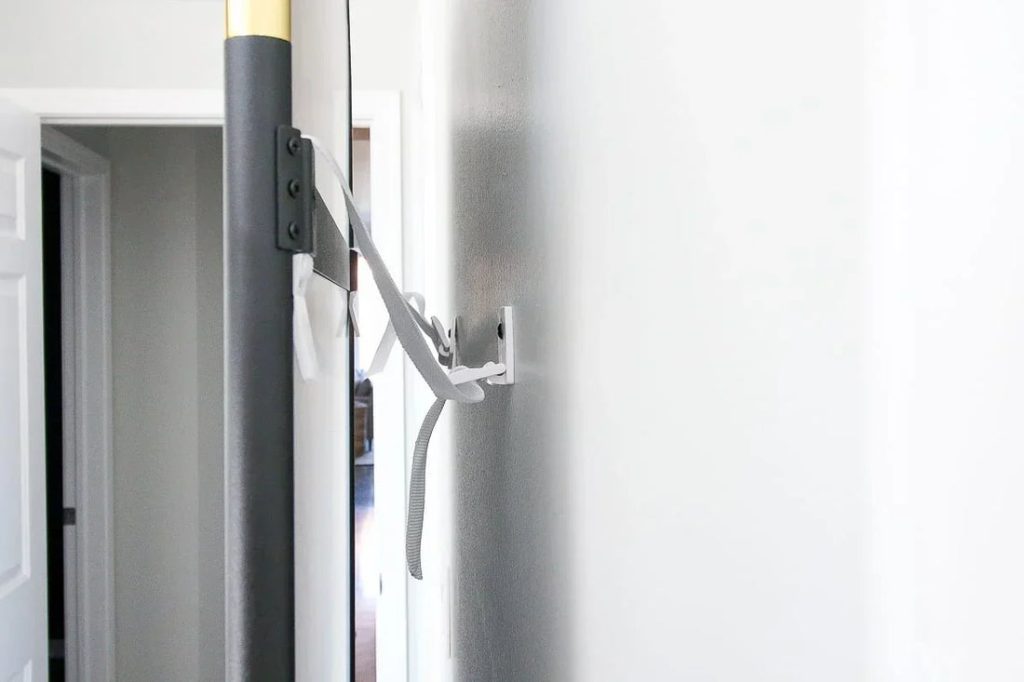
Have you ever tried to hang a mirror only to find it slipping, falling, or leaving marks on your wall? Sticking a mirror securely might seem tricky, but with the right steps, you can have it looking perfect in no time.
Whether you want to freshen up your room or add a stylish touch, knowing how to stick a mirror to the wall the right way saves you frustration and keeps your space safe. In this guide, you’ll discover simple, effective tips that anyone can follow.
Ready to transform your wall with ease? Let’s get started!
Choosing The Right Mirror
Choosing the right mirror is key to making your space look great and ensuring it stays securely on the wall. It’s not just about picking something that looks good; size, style, and weight all play important roles. Take a moment to think about how the mirror will fit into your room and your lifestyle.
Selecting The Ideal Size
Think about the wall space where you want to hang your mirror. A mirror that’s too small can get lost, while one that’s too big might overwhelm the area. Measure your wall carefully and imagine how different sizes will look—sometimes a tape measure and a bit of paper cut to size can help visualize it better.
Ask yourself: Do you want the mirror to be a focal point, or just a practical addition? For example, a large floor mirror works great for bedrooms, but a smaller mirror might be better for a narrow hallway.
Considering Frame And Style
The frame of your mirror sets the tone for the whole room. Choose a frame that matches your existing décor—whether it’s sleek and modern, rustic wood, or ornate metal. The style can enhance your room’s character or clash with it, so pick carefully.
Think about texture and color as well. A black metal frame adds an industrial vibe, while a golden frame can bring warmth and elegance. What feeling do you want the mirror to evoke when you or your guests see it?
Checking Mirror Weight
The weight of your mirror affects what kind of wall fixing you’ll need. Heavy mirrors require stronger anchors and sometimes professional installation. Don’t guess the weight—check the product details or use a scale if you can.
Consider your wall type too. Drywall, brick, and plaster need different hanging solutions. If your mirror is heavy, ask yourself if your wall can support it safely. It’s better to be cautious than to risk damage or injury.
Credit: www.temu.com
Preparing The Wall
Clean the wall thoroughly to remove dust, dirt, and grease. Make sure the surface is dry and smooth for better adhesion. Use a level to mark where the mirror will go.
Preparing your wall for a mirror installation is a crucial step that can determine the longevity and stability of your setup. Before you start, consider the wall’s condition. A clean, smooth, and stable surface ensures your mirror stays put for years. Let’s dive into how you can prepare your wall effectively.Cleaning The Surface
Begin by removing dust, grime, and any old adhesive residues. Use a damp cloth with mild soap to wipe the area where the mirror will go. If there are stubborn stains, a gentle scrub with a non-abrasive pad can work wonders. Ensure the wall is completely dry before proceeding. A clean surface is essential for the adhesive to bond effectively.Repairing Wall Imperfections
Check your wall for cracks, holes, or uneven spots. Even small imperfections can affect how the mirror adheres. Use a wall filler or spackle to fill in any gaps. Once dry, sand the area smoothly for an even surface. A smooth wall not only looks better but also supports your mirror more reliably.Testing Wall Material
Understanding your wall’s material helps you choose the right adhesive. Is your wall drywall, concrete, or wood? Each requires a specific type of adhesive. Perform a small test by applying a bit of adhesive on a discreet part of the wall. This helps verify compatibility and ensures that the adhesive doesn’t damage or discolor the surface. Taking these preparatory steps can save you from future headaches. Are you ready to take on the challenge of sticking a mirror to your wall? Remember, the effort you put into preparation will reflect in the quality and durability of your mirror installation.Gathering Necessary Tools
Before you start sticking a mirror to your wall, gathering the right tools is crucial. Having everything ready not only saves time but also ensures a smoother, safer installation. Think about what you’ll need to achieve a perfect, secure fit without any damage to your wall or mirror.
Adhesives And Mounting Options
Choosing the right adhesive or mounting option depends on your mirror’s size and wall type. For small mirrors, double-sided mounting tape or mirror adhesive gels work well. Larger mirrors may need heavy-duty construction adhesive or special mirror clips for extra support.
Have you checked if your wall surface is smooth or textured? Smooth surfaces allow adhesives to stick better, while textured walls might require mechanical mounts like brackets or hooks. Remember, using the wrong adhesive can cause your mirror to fall and break, so pick carefully.
Measuring And Leveling Tools
Accurate measurements prevent crooked mirrors and unnecessary holes in your wall. You’ll want a tape measure to get precise distances, a pencil to mark spots, and a spirit level to ensure the mirror hangs straight. A laser level can be a handy upgrade if you want pinpoint accuracy.
Why guess when you can measure? Taking your time here saves you the frustration of fixing mistakes later. Lay your tools out so they’re easy to reach before you start.
Safety Equipment
Safety should never be an afterthought. Protect your eyes with safety goggles to shield against dust or adhesive splashes. Gloves can protect your hands from sharp edges and sticky substances.
Have you considered the risks of handling glass? Using safety gear reduces your chance of injury, making the process less stressful. It’s a small step that makes a big difference in your DIY experience.
Step-by-step Mounting Process
Mounting a mirror on the wall requires careful preparation and the right technique. Follow this step-by-step mounting process to ensure your mirror stays secure and looks perfect. Each stage helps you place the mirror safely and neatly.
Marking Mirror Placement
Choose the exact spot for your mirror on the wall. Use a pencil to lightly mark the edges where the mirror will sit. Check the height and alignment with a level. These marks guide you during mounting.
Applying Adhesive Properly
Pick a strong adhesive made for mirrors and walls. Apply it evenly on the back of the mirror. Use small dots or thin lines, focusing on the edges and center. Avoid over-applying to prevent mess or slipping.
Securing The Mirror
Press the mirror gently but firmly against the marked wall area. Hold it in place for a few minutes to let the adhesive start bonding. Use painter’s tape or temporary supports to keep it steady as it sets.
Allowing Adhesive To Set
Leave the mirror undisturbed for the time recommended on the adhesive packaging. This lets the glue cure fully and ensures a strong hold. Avoid hanging anything on the mirror or applying pressure during this period.
Alternative Mounting Methods
Alternative mounting methods offer simple ways to hang mirrors without heavy tools. These options suit various wall types and mirror sizes. They keep your walls safe and make mirror placement easier.
Using Mirror Clips
Mirror clips hold the mirror firmly in place at the edges. They are small metal or plastic brackets that screw into the wall. Clips work well for medium to large mirrors.
- Measure mirror edges carefully before installation.
- Mark where clips will go on the wall.
- Drill holes and fix clips with screws.
- Slide the mirror into the clips for secure hold.
Hanging With Hooks And Wires
This method uses hooks on the wall and wire on the mirror back. It allows easy adjustment of mirror height and angle. Hooks and wires suit various mirror shapes and weights.
- Attach strong wire to the mirror frame.
- Install sturdy hooks on wall studs or anchors.
- Hang the mirror by placing wire over hooks.
- Adjust position for balance and level.
Command Strips For Damage-free Mounting
Command strips offer a no-damage way to hang mirrors. They use strong adhesive to hold light to medium mirrors. Strips remove cleanly without leaving marks.
- Clean the wall surface before applying strips.
- Attach strips to mirror back and wall.
- Press firmly and hold for the recommended time.
- Check weight limits to avoid accidents.

Credit: hellohomegirl.com
Troubleshooting Common Issues
Sticking a mirror to the wall can sometimes be trickier than expected. You might find the mirror slipping down, walls that aren’t perfectly flat, or later wondering how to remove the mirror without damage. These common issues can be frustrating, but with the right tips, you can handle them confidently and keep your mirror securely in place.
Preventing Mirror Slippage
Mirror slippage is a frequent problem, especially with heavier mirrors or smooth wall surfaces. To prevent this, make sure to use a strong adhesive designed specifically for mirrors, such as mirror mastic or construction adhesive.
Another trick is to clean the wall thoroughly before applying the adhesive. Dust, grease, or moisture can weaken the bond and cause the mirror to slide down.
Also, consider using mirror clips or brackets for extra support. These provide a mechanical hold and reduce the risk of slippage, giving you peace of mind.
Dealing With Uneven Walls
Uneven walls can create gaps behind the mirror, making it hard for the adhesive to hold properly. You can fix this by applying a layer of shims or small wooden wedges behind the mirror to create a flat surface.
Alternatively, use a thick adhesive that can fill in minor gaps and still create a strong bond. Avoid thin glues that dry too quickly without filling space.
If the unevenness is severe, you might need to sand or patch the wall first. This extra step saves you from future headaches with a loose mirror.
Removing Mirrors Safely
When it’s time to remove a mirror, rushing can cause damage to both the mirror and the wall. Start by loosening the edges gently with a thin putty knife or a wire between the mirror and wall.
Apply heat using a hairdryer to soften the adhesive. This makes the mirror easier to lift without cracking.
Once loose, carefully lift the mirror straight off the wall, and have a helper if it’s large or heavy. Always wear gloves to protect your hands from sharp edges.
Maintenance Tips For Wall Mirrors
Maintaining a wall mirror keeps it looking clear and bright for years. Proper care protects the mirror’s surface and ensures the mount stays secure. Simple habits help prevent damage from daily wear and environmental changes. Follow these tips to keep your mirror in top shape.
Cleaning Without Damage
Use a soft, lint-free cloth to clean the mirror. Avoid abrasive materials that can scratch the glass. Spray cleaner onto the cloth, not directly on the mirror. Wipe gently in circular motions to remove dust and smudges. For stubborn spots, use a mixture of water and vinegar. Dry with a clean, dry cloth to prevent streaks.
Inspecting Mounts Regularly
Check the mirror’s mounts every few months. Look for loose screws or nails and tighten them as needed. Ensure the adhesive is still holding firmly if you used glue or tape. Catching problems early prevents falls and damage. If the mirror feels unstable, remove and remount it securely.
Handling Humidity And Temperature Changes
Keep mirrors away from direct heat sources and high humidity areas. Bathrooms need good ventilation to reduce moisture buildup. Sudden temperature changes can cause the glass to crack or the frame to warp. Use a dehumidifier or fan if necessary. Choose mirrors with moisture-resistant backing for humid rooms.

Credit: www.youtube.com
Frequently Asked Questions
What Is The Best Adhesive For Sticking Mirrors To Walls?
The best adhesive for mirrors is a strong, clear silicone adhesive. It provides a secure hold and resists moisture. Avoid regular glue as it may damage the mirror or wall. Always choose adhesives labeled safe for mirrors to prevent silver backing damage.
How Do I Prepare The Wall Before Sticking A Mirror?
Clean the wall surface thoroughly with a damp cloth and let it dry. Remove any dust, grease, or loose paint. Smooth walls ensure better adhesive grip and prevent the mirror from falling. Use a level to mark where the mirror will go for accurate placement.
Can I Stick A Heavy Mirror Without Drilling Holes?
Yes, using high-strength mirror adhesive or heavy-duty mounting tape can support heavy mirrors. Ensure the wall is smooth and clean for best results. For very heavy mirrors, it’s safer to use wall anchors or brackets in addition to adhesive.
How Long Should I Wait For The Adhesive To Dry?
Most mirror adhesives need 24 to 48 hours to fully cure. Avoid moving or touching the mirror during this time. Proper curing ensures a strong bond and prevents the mirror from falling off the wall.
Conclusion
Sticking a mirror to the wall is simple with the right steps. Choose the right adhesive and prepare the surface well. Measure carefully to place the mirror straight and safe. Take your time and follow instructions closely. This way, your mirror will stay firm and look great.
Enjoy the new look in your room without any hassle. Try these tips next time you hang a mirror. It’s easier than you think!



