
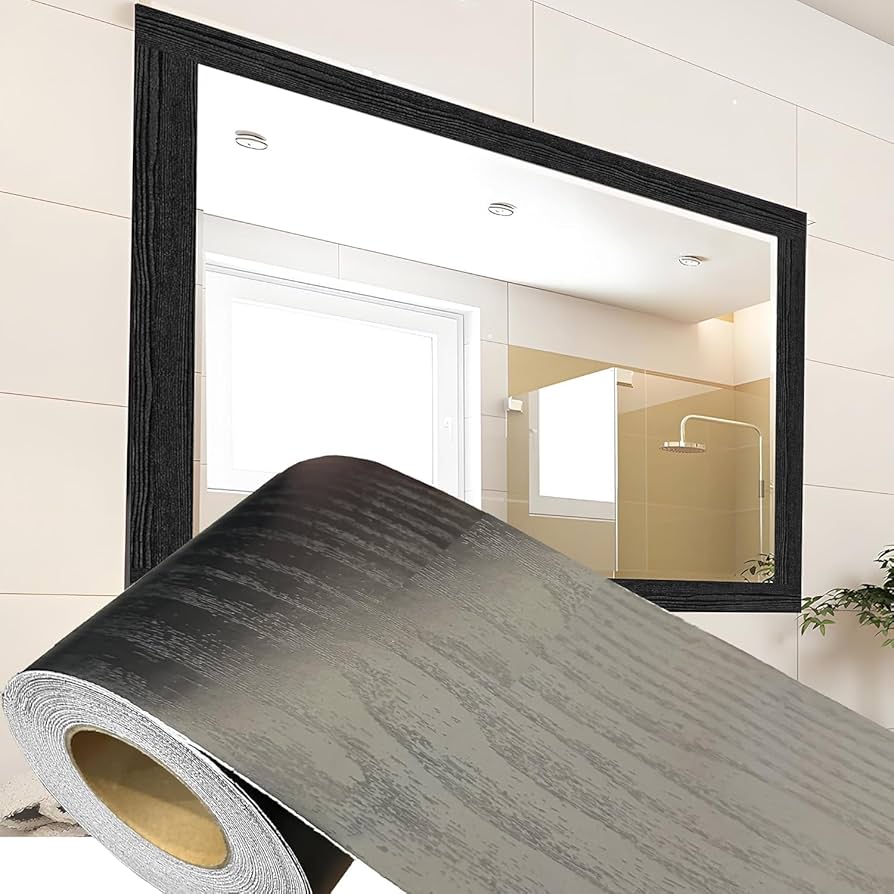
Are you tired of struggling with heavy mirrors that won’t stay put on your wall? You’re not alone.
Finding the right way to stick a mirror to your wall can feel tricky and frustrating. But what if you could do it quickly, safely, and without damaging your walls? In this guide, you’ll discover simple, effective methods that anyone can use.
By the end, you’ll have the confidence to hang your mirror perfectly, adding style and brightness to your space. Keep reading, and let’s make your walls mirror-ready!
Choosing The Right Mirror
Choosing the right mirror is crucial before you even think about sticking it to your wall. The mirror you pick affects not only the ease of installation but also how secure it will be over time. Paying attention to the mirror’s size, weight, and backing type helps you avoid common problems like falling mirrors or damaged walls.
Selecting Mirror Size And Weight
Think about where you want to place your mirror. Larger mirrors create a bold statement but come with added weight and require stronger support.
Smaller mirrors are easier to handle and stick but might not give you the visual impact you want. Ask yourself: how much wall space do you want to cover, and how much weight can your wall hold?
Keep in mind that heavier mirrors often need anchors or special adhesives. If you’ve ever had a mirror slip off the wall, it’s usually because the weight wasn’t properly accounted for.
Types Of Mirror Backings
Mirror backing isn’t just about looks—it plays a big role in how the mirror attaches to the wall. Some mirrors have a smooth glass backing, while others come with a wooden or metal frame.
- Glass backing:These mirrors are usually lighter but can be fragile. They often need special adhesive strips designed for glass surfaces.
- Wooden backing:This type provides a sturdy base and is easier to attach hooks or brackets onto. It’s a great choice if you want a secure hold.
- Metal backing:Metal-backed mirrors are strong and durable but can be heavier. You might need heavy-duty adhesives or screws for these.
Have you checked what your mirror’s backing is made of? This little detail can save you time and frustration during installation.
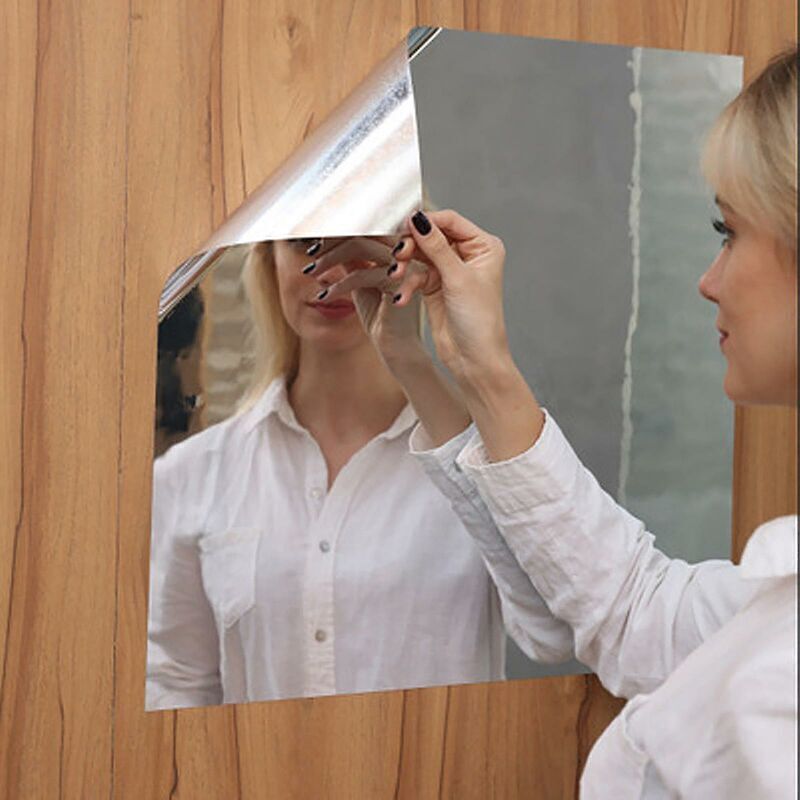
Credit: www.manomano.co.uk
Preparing The Wall Surface
Clean the wall thoroughly to remove dust, dirt, and grease. Ensure the surface is dry and smooth for better mirror adhesion. Lightly sanding rough areas helps the glue stick firmly.
Preparing a wall surface is crucial for securely sticking a mirror. A clean and stable wall ensures the mirror adheres well and stays in place. Let’s explore how to prepare your wall for this task.Cleaning And Drying The Wall
Start by cleaning the wall. Use a soft cloth and mild detergent. Wipe the wall gently to remove dust and grime. Avoid harsh chemicals that could damage the wall. After cleaning, ensure the wall is completely dry. Moisture can weaken adhesive strength. Use a dry cloth or let it air dry.Checking Wall Material And Condition
Assess your wall material. Is it drywall, wood, or concrete? Different materials need different adhesives. Check for cracks or peeling paint. These can affect the mirror’s stability. Repair any damage before proceeding. A smooth, intact surface is ideal for sticking a mirror.Picking Adhesive Options
Choosing the right adhesive to stick a mirror to your wall is crucial for safety and durability. The type of adhesive you pick depends on the mirror’s weight, the wall surface, and whether you want the option to remove the mirror later. Let’s look at some popular adhesive choices that balance strength and ease of use.
Double-sided Tape Choices
Double-sided tape is a quick and clean solution for lightweight mirrors. It’s easy to apply and doesn’t require drying time, making it perfect for small decorative mirrors.
Look for heavy-duty tapes labeled for mirror or glass use. These tapes often come with strong adhesives that resist moisture and temperature changes. If your wall is textured or uneven, the tape might struggle to hold, so ensure the surface is smooth and clean before applying.
Using Mirror Mastic Or Glue
Mirror mastic or specialized adhesive glue offers a stronger hold, especially for medium to large mirrors. This option bonds the mirror firmly to the wall, reducing the risk of falls or damage.
Applying mastic requires some patience—you need to press the mirror firmly and hold it in place until the adhesive sets. Consider using temporary supports or tape to keep the mirror steady while it dries. Also, always check if the adhesive is safe for your wall type to avoid damage.
Velcro Strips For Easy Removal
If you want flexibility to remove or reposition your mirror, Velcro strips provide a smart solution. They allow you to stick your mirror securely while making future removal simple without wall damage.
Choose industrial-strength Velcro designed for heavier items. The key is to attach both sides firmly and press the mirror well to the wall. This method works best for moderately sized mirrors and can save you time and effort when redecorating.
Step-by-step Application
Sticking a mirror to a wall requires careful preparation and precise application. Follow each part carefully to ensure the mirror stays safe and secure. This guide breaks down the process into clear, easy actions.
Marking Mirror Placement
Choose the exact spot for your mirror on the wall. Use a pencil to lightly mark the top and sides. Check the height and alignment with a level tool. Measure twice to avoid mistakes. Clear the wall surface from dust and grease before marking.
Applying Adhesive Correctly
Select an adhesive made for mirrors and walls. Apply the adhesive in small dots or thin lines on the back edges of the mirror. Avoid applying adhesive in the middle, as it can damage the glass. Follow the product instructions for drying time and amount. Use enough adhesive for strong hold but not too much to spill out.
Mounting The Mirror Safely
Lift the mirror carefully and align it with your marks on the wall. Press firmly but gently to spread the adhesive evenly. Hold the mirror in place for a few minutes to start bonding. Use supports or tape to keep the mirror stable while the adhesive cures. Wait the recommended time before removing supports or touching the mirror.
Preventing Wall Damage
Protecting your walls while hanging a mirror is crucial to keep your space looking fresh and intact. Damage can be costly and frustrating, especially if you rent or want to avoid extensive repairs. Let’s look at practical ways to secure your mirror without harming the wall.
Using Damage-free Hooks And Strips
Damage-free hooks and adhesive strips offer a smart way to hang mirrors without nails or screws. These products are designed to hold weight firmly and peel off cleanly, leaving no marks behind.
Make sure to check the weight limit on the packaging and match it with your mirror’s weight. For example, if your mirror weighs 10 pounds, choose hooks or strips rated for at least 15 pounds for extra security.
Applying these strips requires a clean, dry wall surface. Wipe the area with rubbing alcohol before sticking to improve adhesion. Have you tried this method and noticed how easy it is to reposition your mirror without damage?
Avoiding Excessive Weight And Pressure
Even the best hooks struggle if the mirror is too heavy or if you press hard while hanging. Always consider the mirror’s size and weight before choosing your hanging method.
Using lighter mirrors or those with sturdy frames reduces risk. If your mirror is heavy, consider support from the bottom, like a shelf, to relieve pressure from the wall attachment.
Avoid pushing or pulling excessively once the mirror is hung. Gentle adjustments keep the wall and mirror safe. Have you ever felt your mirror slip because of too much pressure? Paying attention to this can save you that trouble.
Maintaining Mirror Stability
Keeping your mirror stable on the wall is essential for safety and appearance. A loose mirror can fall and cause damage or injury. Regular care helps your mirror stay secure for years. Watch for small changes that may affect its hold. Taking simple steps can prevent bigger problems later.
Regular Checks And Adjustments
Check your mirror’s attachment every few months. Look for signs like wobbling or gaps between the mirror and wall. Tighten any screws or fasteners that hold the mirror. If using adhesive, gently press the mirror to reinforce the bond. Replace old or weakened adhesives to avoid falls. Keep the mirror frame clean to prevent dust from weakening the hold.
Handling Humidity And Temperature Changes
Humidity and temperature shifts can loosen mirror mounts. Avoid placing mirrors in very damp areas without proper ventilation. Use moisture-resistant adhesive for bathrooms or kitchens. Let the wall dry fully before attaching the mirror. Sudden temperature changes can expand or contract materials. Allow the mirror to adjust to room temperature before fixing it to the wall.
Alternative Mounting Solutions
Finding the right way to mount a mirror can change the entire look and feel of your space. If traditional adhesives or hooks don’t seem like the best fit, there are alternative mounting solutions that offer both style and stability. These options can provide a secure hold without damaging your walls or the mirror itself.
Using Mirror Clips And Brackets
Mirror clips and brackets are a sturdy choice if you want to secure your mirror firmly to the wall. They come in various finishes to match your decor and provide a clean, minimal look. Installing them is straightforward—you simply attach the clips to the wall and slide the mirror in place.
One advantage is that clips allow for easy removal when you need to clean behind the mirror or reposition it. Plus, they reduce the risk of adhesive marks or holes from screws directly on the mirror surface. Have you ever struggled with mirrors slipping or falling? Clips can put those worries to rest.
- Choose clips made of durable materials like stainless steel or brass for long-lasting support.
- Measure carefully to ensure the mirror fits snugly within the clips without pressure points.
- Use a level to keep the mirror perfectly straight during installation.
Freestanding Mirror Stands
If wall mounting isn’t an option, a freestanding mirror stand offers great flexibility. These stands come in different sizes and designs, from sleek modern frames to vintage-inspired options. You can move the mirror around your room whenever you want, making it ideal for renters or those who like to change their space often.
I’ve used a freestanding mirror in my own bedroom, and it became a focal point without any wall damage. It also helped me avoid the hassle of drilling holes and worrying about the mirror’s weight. Could a freestanding option be the perfect balance between style and convenience for your room?
- Look for stands with adjustable angles to find your best reflection.
- Consider lightweight models if you plan to move the mirror frequently.
- Check the base stability to avoid tipping over, especially if you have kids or pets.
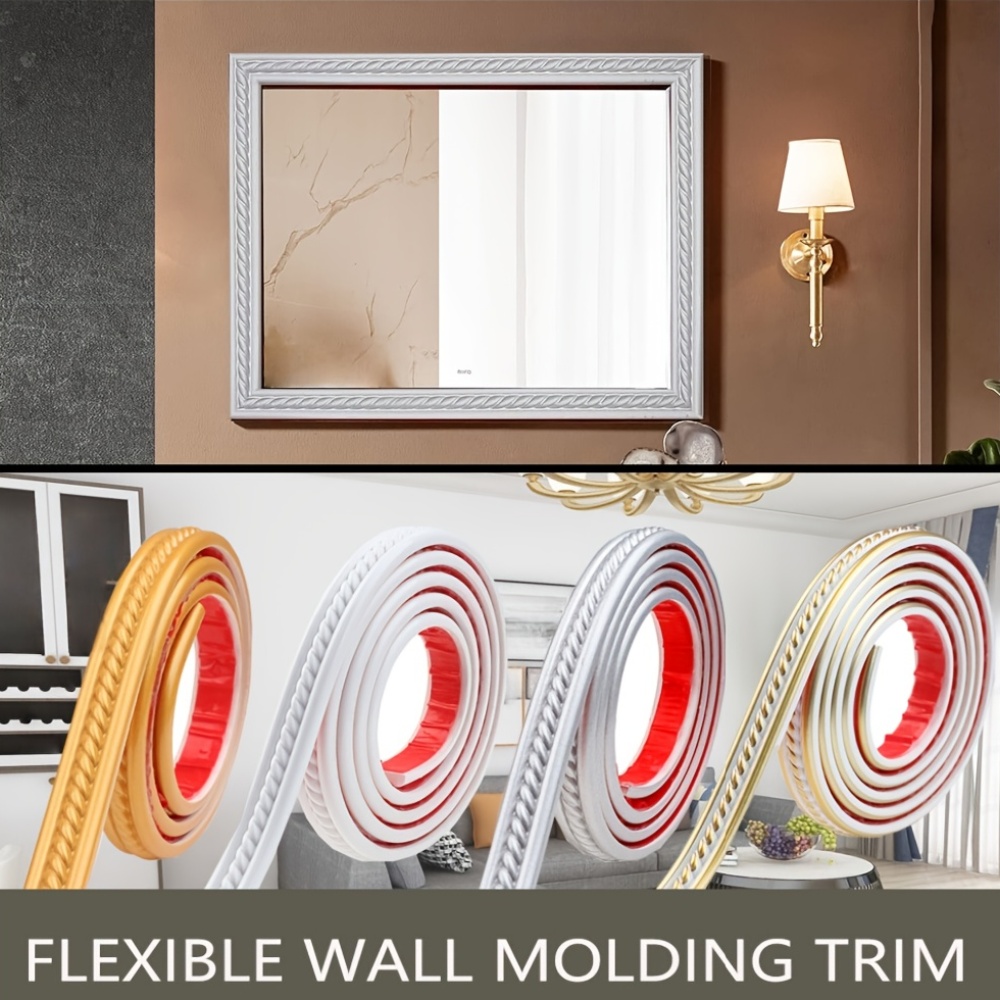
Credit: www.temu.com
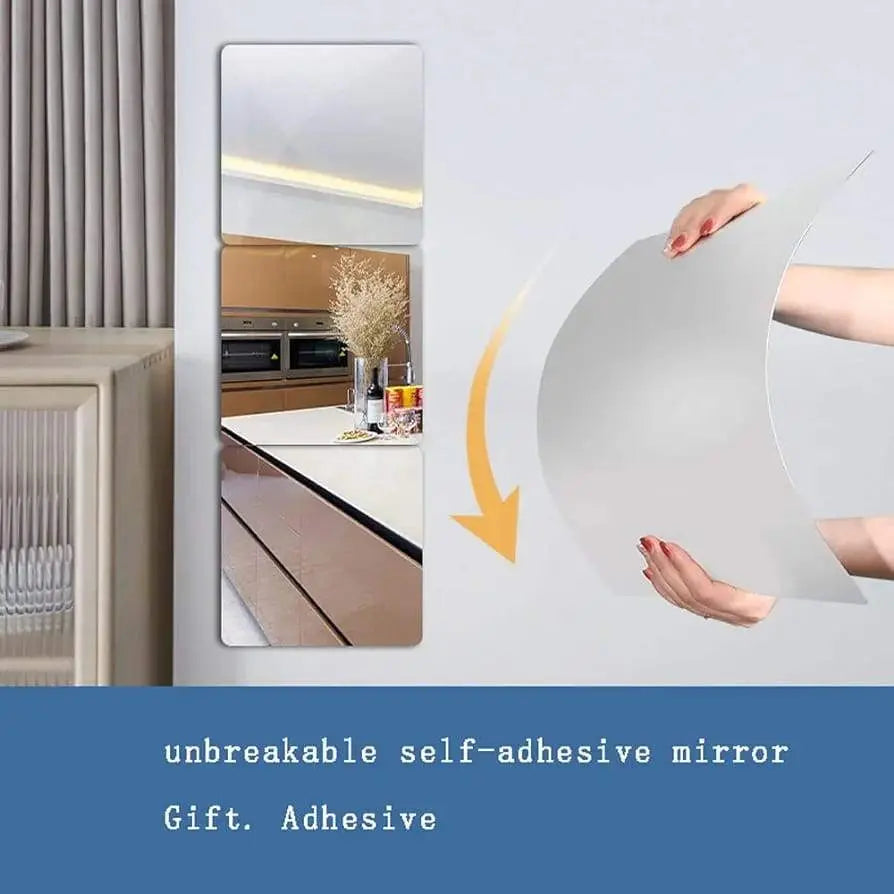
Credit: scrollcart.qa
Frequently Asked Questions
What Is The Best Adhesive To Stick A Mirror On Wall?
The best adhesive for mirrors is mirror mastic or construction adhesive. These adhesives provide strong, long-lasting bonds without damaging the mirror or wall. Avoid standard glue, as it can cause the mirror to fall or damage surfaces. Always follow manufacturer instructions for safety and durability.
How Do I Prepare The Wall Before Sticking A Mirror?
Clean the wall surface thoroughly to remove dust, grease, or moisture. Use a mild cleaner and let it dry completely. A smooth, dry wall ensures better adhesive bonding. Avoid textured or uneven walls for secure mirror installation.
Can I Hang A Heavy Mirror Without Drilling Holes?
Yes, use strong adhesives like heavy-duty mirror mastic or mounting tape designed for heavy items. Ensure the wall is smooth and clean for optimal adhesion. For very heavy mirrors, combining adhesive with mechanical support is safer.
How Long Should I Wait For Adhesive To Set Before Hanging Mirror?
Adhesive curing times vary but typically require 24 to 48 hours to fully set. During this time, avoid disturbing the mirror to ensure a strong bond. Check the adhesive packaging for exact drying times and follow instructions carefully.
Conclusion
Sticking a mirror to the wall is simple with the right steps. Choose the best adhesive for your wall type. Clean the surface well before you start. Press the mirror firmly and hold it in place. Wait for the glue to dry completely.
Avoid heavy mirrors without proper support. This way, your mirror stays safe and looks great. Enjoy your new decor that brightens up the room easily.



