
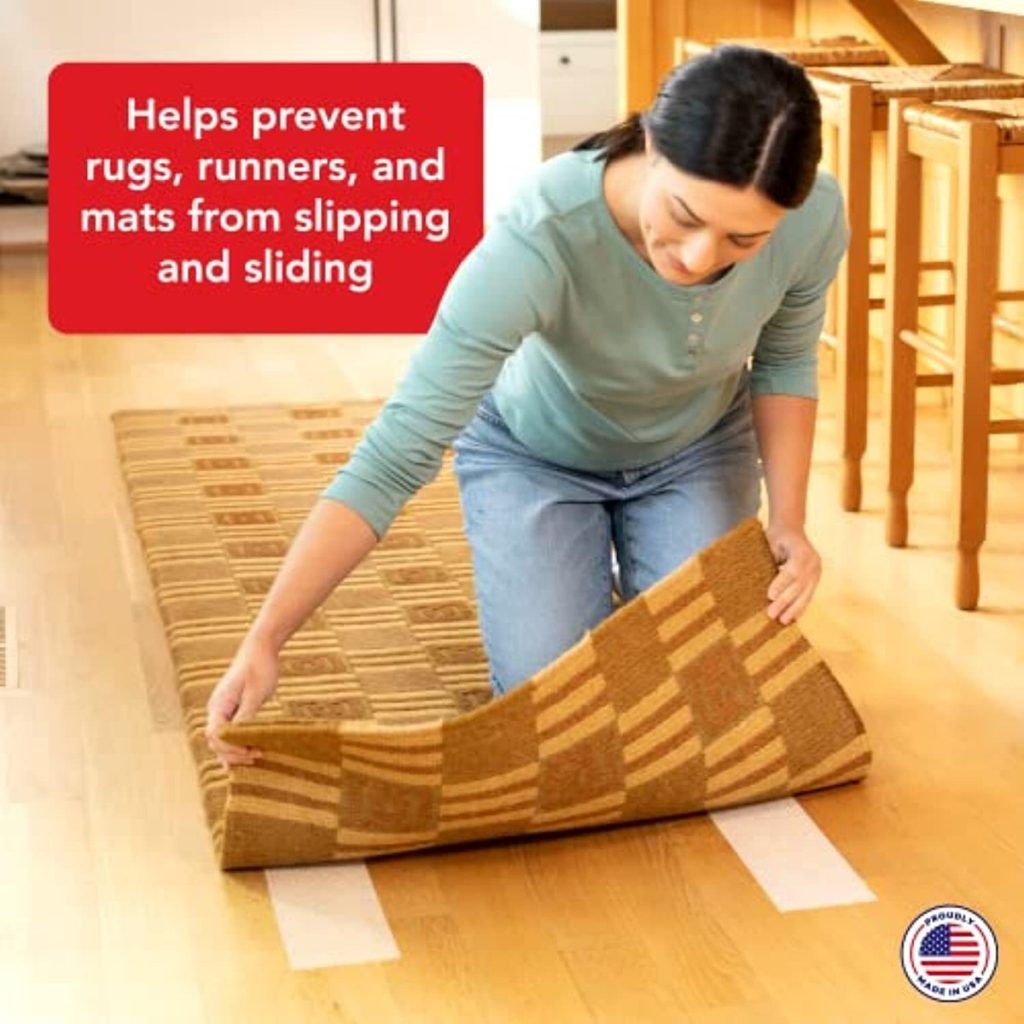
Are your area rugs or runners constantly slipping and sliding, making you worry about tripping or damaging your floors? You’re not alone—and the good news is, you don’t have to put up with it.
Imagine walking across your rugs with confidence, knowing they’ll stay perfectly in place every step you take. You’ll discover simple, effective ways to keep your rugs secure without ruining your floors or spending a fortune. Keep reading to learn how to stop those annoying slips and enjoy a safer, more comfortable home today.
Causes Of Rug Slipping
Rugs slipping and sliding can be more than just a minor annoyance. It can cause accidents, damage your floors, and make your space look messy. Understanding the causes of rug slipping is the first step to keeping your area rugs and runners firmly in place.
Smooth Flooring Surfaces
Smooth floors like hardwood, tile, or laminate create little friction for rugs to grip onto. This lack of grip makes it easy for rugs to slide, especially when you walk across them. Have you noticed how your rug moves more on shiny floors compared to carpeted ones? That’s because smooth surfaces don’t hold rugs in place well.
Thin Rug Backing
The backing of a rug plays a big role in preventing slipping. Thin or worn-out backing can’t create enough resistance against the floor. If your rug feels flimsy or slides easily, its backing might be too thin or made from slippery materials. Adding a non-slip pad underneath can often solve this problem quickly.
High Traffic Areas
Places with a lot of foot traffic naturally cause rugs to move more. Every step pushes and pulls the rug, especially if it’s lightweight or lacks a strong grip. Think about your hallway runner or kitchen rug—do they shift when you walk over them? High traffic wears down the rug’s ability to stay put, increasing the chances of slipping.
Credit: www.vevor.ca
Non-slip Rug Pads
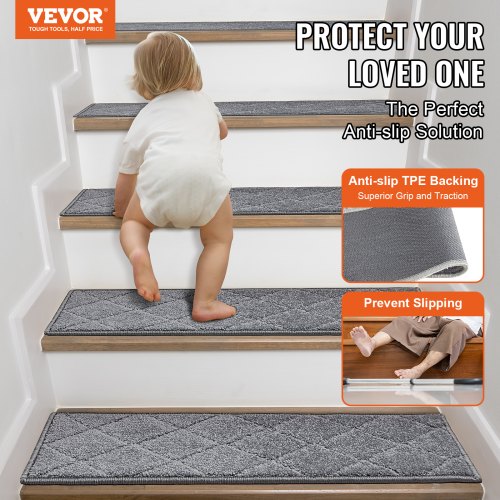
Non-slip rug pads are essential for keeping area rugs and runners in place. They prevent slipping, sliding, and bunching, which improves safety and maintains rug appearance. These pads create friction between the floor and the rug backing, ensuring stability on hard surfaces and low-pile carpets.
Using a rug pad also protects your floor from scratches and extends the rug’s life. Choosing the right type and size makes a big difference in performance. Proper installation ensures the pad stays flat and effective.
Types Of Rug Pads
- Rubber Pads:Offer excellent grip and durability. Ideal for hardwood and tile floors.
- Felt Pads:Provide cushioning but less grip. Best under thick rugs on carpeted floors.
- Memory Foam Pads:Soft and comfortable. Good for high-traffic areas but may not grip well on smooth floors.
- Combination Pads:Blend felt and rubber for both comfort and non-slip features.
Choosing The Right Size
Measure the rug before selecting a pad. The rug pad should be slightly smaller than the rug itself. This prevents edges from curling and tripping hazards.
A good rule is to subtract 1 to 2 inches from each side of the rug size. For example, a 5×8 rug needs a pad around 4.5×7.5 inches.
Installation Tips
- Clean the floor surface before placing the pad. Dirt reduces grip and causes slipping.
- Lay the pad flat with no wrinkles or folds. Smooth out any bumps.
- Place the rug on top, aligning edges carefully.
- Trim excess pad if needed to keep it hidden under the rug.
- Check the rug regularly to ensure the pad remains in place.
Double-sided Tape Solutions
Double-sided tape keeps area rugs and runners firmly in place on smooth floors. It prevents slipping without damaging surfaces or leaving residue. Easy to apply, it offers a simple way to secure rugs and improve home safety.
Area rugs and runners add warmth and style to any space, but they can be a safety hazard if they slide around. One effective and affordable solution is using double-sided tape to keep them in place. This method is straightforward and ensures your rugs stay exactly where you want them, enhancing both safety and aesthetics in your home.Best Tape Options
Choosing the right double-sided tape is crucial. Look for tapes specifically designed for rugs, as they provide strong adhesion without damaging your floors. Brands like Gorilla Grip and XFasten offer reliable options that are easy to find online or in local stores. Consider the surface of your flooring. For hardwood or laminate, select a tape that won’t leave residue. For carpeted areas, a stronger adhesive might be necessary for the best grip.Application Techniques
Applying double-sided tape correctly is essential for effectiveness. Begin by cleaning the floor and the back of the rug to remove dust and dirt. This ensures maximum adhesion. Cut the tape to fit the edges of your rug, applying it evenly along the perimeter. Press down firmly to secure the tape, then position your rug precisely where you want it. Check the placement by gently tugging at the rug. If it remains stationary, you’ve done it right. Repeat this process for any additional rugs or runners in your home.Removing Tape Residue
Removing tape residue can be a hassle, but it doesn’t have to be. Start by gently peeling the tape away from the floor. If residue remains, use a mixture of warm water and mild soap to soften it. A soft cloth or sponge can help lift the residue without scratching your floors. For stubborn spots, a small amount of vinegar or rubbing alcohol can be effective. Always test in an inconspicuous area first to avoid damage. Have you ever found yourself frustrated with sliding rugs? With these double-sided tape solutions, you can enjoy a safer, more stylish home without the hassle.
Credit: shop.wellwoven.com
Velcro And Grip Strips
Velcro and grip strips offer simple yet highly effective solutions to keep your area rugs and runners from sliding around. These tools provide a strong hold without damaging your floors or rugs, making your space safer and more comfortable. Understanding how to use them correctly can save you from constant adjustments and potential falls.
Using Velcro Strips
Velcro strips are easy to apply and remove, making them a great choice if you want a semi-permanent fix. Attach one side of the strip to the floor and the matching side to the rug’s underside. Press firmly to ensure a strong bond that holds your rug in place.
Velcro works best on smooth, hard floors like wood or tile. If your rug has a thick pile, consider trimming the backing slightly for better contact. Have you noticed how rugs often bunch up in high-traffic areas? Velcro strips can stop that from happening by gripping tightly.
Grip Strip Placement
Placement is key for grip strips to work effectively. Position strips along the edges and corners of your rug to prevent curling and sliding. For longer runners, adding strips at intervals along the middle can provide extra security.
Make sure the floor and rug are clean before applying strips. Dust or dirt can reduce adhesion and cause slipping. Curious about which grip strips last longest? Look for ones with a strong adhesive backing and textured surface for better grip.
Maintenance Tips
Check grip strips and Velcro every few months to ensure they remain sticky and effective. If you notice any peeling or loss of grip, clean the surface and replace the strips to maintain safety. Avoid using harsh cleaners that can weaken the adhesive.
Keeping your strips clean also prevents dirt buildup, which can reduce their effectiveness. Have you ever skipped this step and found your rug sliding again? Regular maintenance keeps your floors safe and your rugs looking great.
Alternative Fixes
Alternative fixes offer practical ways to keep area rugs and runners in place. These options work without major tools or complex steps. They help prevent slipping and improve safety. Explore simple ideas that suit different rooms and rug types.
Furniture Weighting
Place heavy furniture on rug corners or edges. This adds weight and stops sliding. Chairs, tables, or sofas work well. Adjust furniture slightly to cover slippery areas. This method is easy and uses items already in the room.
Rug Anchors And Clips
Use rug anchors or clips to secure rugs to the floor. These small devices attach to rug edges and grip the floor. They are ideal for runners and smaller rugs. Choose anchors that match your floor type for best hold.
Diy Non-slip Methods
Create your own non-slip backing with household items. Cut a piece of shelf liner or non-slip mat to rug size. Place it under the rug for extra grip. Another option is to use double-sided carpet tape. These DIY tricks help hold rugs firmly in place without damage.

Credit: www.amazon.co.uk
Preventive Care For Rugs
Taking care of your area rugs and runners helps prevent slipping. Regular upkeep keeps rugs fresh and stable. Small efforts extend their life and keep floors safe. Focus on cleaning, rotating, and checking for damage.
Regular Cleaning
Dust and dirt make rugs slippery. Clean rugs often with a vacuum or broom. Remove spills quickly to avoid stains. A clean rug grips the floor better. Use gentle cleaning products to protect fibers.
Rotating Rugs
Change rug positions to spread wear evenly. Heavy traffic areas wear out faster. Rotating rugs prevents thin spots that cause slipping. It also keeps colors looking fresh. Move runners to different hallways sometimes.
Monitoring Wear And Tear
Check rugs for frayed edges or worn backing. Damaged areas lose grip and slide easily. Repair or replace rugs showing signs of wear. Look under rugs for dirt buildup that reduces grip. Early care stops slipping before it starts.
Frequently Asked Questions
How Can I Prevent Area Rugs From Sliding On Hardwood Floors?
Use a high-quality rug pad designed for hardwood floors. It creates friction, keeping rugs securely in place and protects flooring from scratches.
What Materials Work Best For Non-slip Rug Pads?
Rubber and felt-rubber blends provide excellent grip and cushioning. These materials prevent movement while adding comfort and prolonging rug life.
Are Double-sided Tape Or Rug Grippers Effective For Runners?
Yes, both work well for runners on smooth surfaces. They hold edges firmly but may need replacement over time.
Can Furniture Placement Help Stop Rugs From Slipping?
Yes, placing heavy furniture on rug edges anchors them. This method adds stability and reduces the need for extra adhesives.
Conclusion
Stopping area rugs and runners from sliding keeps your floors safe and neat. Use rug pads or double-sided tape for a strong hold. Regularly check and adjust the rugs to keep them in place. Clean floors before placing any anti-slip materials.
These simple steps protect your home and prevent accidents. A secure rug also makes your space look tidy and comfortable. Keep your rugs steady, and enjoy a safer, cozier room every day.



