
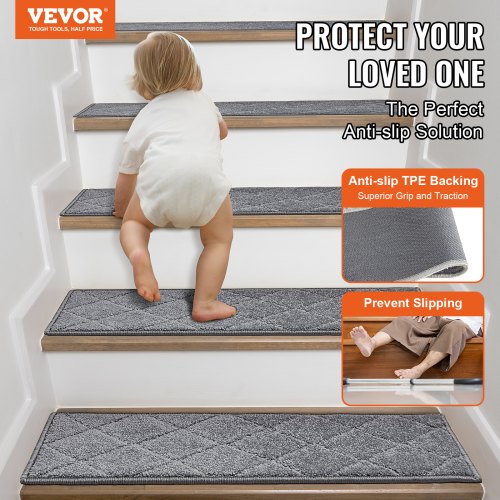
Are your area rugs or runners constantly slipping and sliding, turning your floors into a hazard? You’re not alone.
A moving rug can be frustrating, dangerous, and even damaging to your flooring. But what if you could keep your rugs perfectly in place with simple, effective solutions? You’ll discover easy ways to stop your rugs from sliding, so you can enjoy a safer, more comfortable home without worrying about trips or spills.
Keep reading to find out how to make your rugs stay put—once and for all.
Causes Of Rug Slipping
Rugs and runners often slide around, causing annoyance and safety risks. Understanding why rugs slip helps find the right solution. Several factors contribute to rug movement, including floor type, rug design, and usage patterns.
Smooth Flooring Surfaces
Hard floors like hardwood, tile, and laminate are very smooth. This smoothness reduces friction between the floor and rug. As a result, rugs can easily slide, especially during foot traffic or cleaning. Floors with a glossy finish increase slipperiness, making rugs less stable.
Rug Material And Backing
The type of rug and its backing affect grip on the floor. Rugs with a slick or plastic backing tend to move more. Natural fiber rugs like wool usually have better traction. Thin rugs lack weight, so they slide more than thick, heavy ones.
High Traffic Areas
Areas with frequent walking cause rugs to shift. Constant movement pushes rugs out of place. Doorways, hallways, and living rooms are common spots for rug slipping. Heavy foot traffic wears down the rug’s grip on the floor.
Credit: www.homedepot.com
Choosing The Right Rug Pad
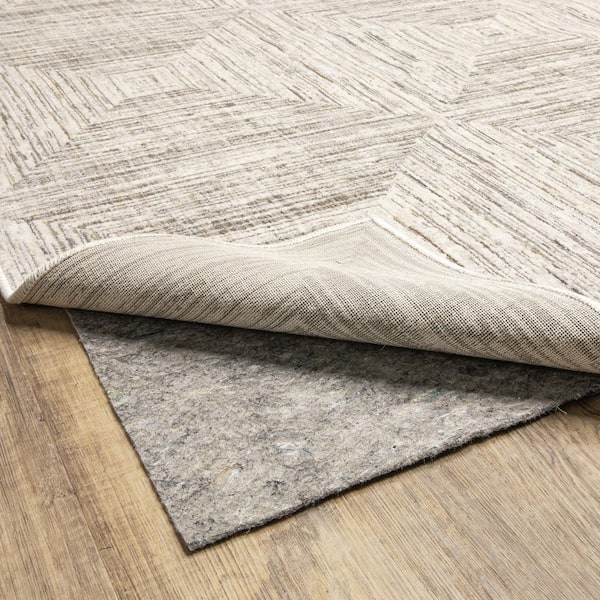
Choosing the right rug pad helps keep area rugs and runners firmly in place. It prevents slipping and protects your floors from damage. A good pad adds comfort and extends the life of your rugs.
Choosing the right rug pad can make all the difference in keeping your area rugs and runners securely in place. Not only does a good rug pad prevent slipping, but it also adds comfort and prolongs the life of your rug. Selecting the perfect pad involves understanding the types available, ensuring material compatibility, and knowing the right size and thickness for your needs.Types Of Rug Pads
Rug pads come in various types, each designed for specific flooring and rug needs. Felt pads are excellent for adding cushioning and work well with larger rugs. Rubber pads are ideal for preventing slips, especially on hard surfaces like wood or tile. Consider using combination pads that offer both felt and rubber layers. They provide the best of both worlds, ensuring stability and comfort. Think about where your rug will be and choose a pad that best suits that environment.Material Compatibility
It’s crucial to match your rug pad material with your floor type to avoid damage. For hardwood floors, choose non-staining rubber pads. They grip well without harming the finish. Carpeted floors benefit from thicker felt pads, which prevent the rug from wrinkling. Always check manufacturer recommendations to ensure compatibility and protect your flooring investment.Size And Thickness Tips
A common mistake is selecting a pad that’s too large. Ensure your rug pad is slightly smaller than the rug itself—about an inch on all sides. This keeps the edges of your rug from curling up. When considering thickness, think about foot traffic. High-traffic areas benefit from thinner pads that provide stability without adding bulk. Low-traffic areas, like bedrooms, can enjoy the plush comfort of thicker pads. Have you ever tripped over a rug because it lacked a proper pad? Choosing the right rug pad can prevent these mishaps, ensuring safety and longevity for your beloved rugs.Diy Solutions To Prevent Sliding
Keeping area rugs and runners firmly in place can be a challenge, especially on slippery floors. Luckily, you don’t need to buy expensive mats or professional fixes. Simple DIY solutions can do the trick and keep your rugs from sliding around, making your space safer and more comfortable.
Double-sided Tape Tricks
Double-sided tape is a quick and affordable way to stop rugs from moving. Just cut strips of tape and stick them to the back edges of your rug. Press the rug firmly onto the floor to create a strong hold.
Make sure to use tape designed for carpets to avoid residue or damage. Have you noticed how easily rugs slide on hardwood? This tape can change that instantly.
Using Velcro Strips
Velcro strips offer a reusable and reliable grip for your rugs. Attach one side of the Velcro to the floor and the other to the rug’s underside. This setup lets you lift or move the rug without losing grip.
This solution works especially well on runners in busy hallways where you want stability but also occasional removal for cleaning. Have you tried Velcro before? It might surprise you how secure it feels.
Non-slip Spray Options
Non-slip sprays are another effective DIY option. These sprays add grip directly to the rug’s underside without changing its look or feel. Simply spray the product evenly, let it dry, and place your rug back down.
This method is great if you want a low-profile fix without extra materials. Are you looking for a solution that doesn’t add weight or bulk? Non-slip sprays could be your answer.

Credit: www.amazon.co.uk
Furniture Placement Strategies
Furniture placement plays a key role in keeping area rugs and runners from sliding. Proper arrangement helps anchor rugs naturally, reducing movement. Strategic positioning not only improves safety but also enhances room aesthetics. Using furniture to hold rugs in place creates a stable and comfortable floor space.
Anchoring Rugs With Furniture
Place heavy furniture pieces on the edges or corners of rugs. Sofas, coffee tables, and beds work well for this purpose. This pressure keeps the rug flat and prevents slipping. Avoid leaving large rug sections exposed without support. Anchoring rugs this way blends function with design.
Weight Distribution Tips
Distribute furniture weight evenly across the rug surface. Spread legs of chairs or tables on different rug parts. This balance prevents one side from sliding or bunching up. Use furniture with broad legs or bases for better grip. Even weight helps rugs stay firmly in place during daily use.
Maintenance Tips For Rug Stability
Keeping your area rugs and runners stable isn’t just about choosing the right pad or grip strips. Regular upkeep plays a huge role in maintaining their position and preventing slips. Small maintenance habits can make a big difference in how well your rugs stay put over time.
Regular Cleaning Routines
Dirt and dust can reduce the effectiveness of your rug pads and anti-slip backings. When debris accumulates, it creates a barrier between the rug and the floor, causing more sliding.
Vacuum both your rugs and the floor beneath them often. This keeps the surfaces clean and improves grip. Washing or spot-cleaning your rugs also helps maintain their texture and stickiness, which adds to stability.
Have you ever noticed how a freshly cleaned rug feels more secure? That’s because clean fibers hold onto pads better. Don’t overlook this simple but powerful step.
Inspecting Pads And Fixings
Rug pads and fixings lose their grip over time. Check them regularly to see if they’ve worn out or shifted. Replace pads that have become thin or brittle to keep your rugs secure.
Look for curled edges, loose tape, or slipping corners. These signs mean your rug is at risk of sliding. Adjust or replace the fixings as needed to maintain a tight hold.
Have you ever tripped over a rug corner that popped up unexpectedly? Inspecting your rug’s support system can prevent accidents like that. It’s a quick task that saves hassle and keeps your home safe.

Credit: luxeweavers.com
When To Replace Your Rug Pad
Rug pads play a big role in keeping area rugs and runners in place. Over time, these pads wear out and lose their grip. Knowing when to replace your rug pad helps maintain safety and appearance. Worn pads cause rugs to slip, wrinkle, or bunch up. This can lead to trips or damage to floors.
Replacing an old rug pad refreshes the rug’s stability. It also protects floors from scratches and moisture. Regular checks of your rug pad ensure a safe and tidy home. Look for clear signs that your rug pad needs replacing.
Signs Of Wear And Tear
- The rug slides easily on the floor.
- The pad feels thin or compressed.
- Edges of the pad are curled or torn.
- The pad no longer sticks or grips the floor.
- Visible dirt and dust buildup that won’t clean off.
- Rug wrinkles or bunches up frequently.
Any of these signs mean the rug pad can no longer do its job well. It is time to replace it to avoid accidents and keep your rug looking neat.
Choosing A Replacement
Select a rug pad that fits your floor type and rug size. Check if your floor is hardwood, tile, or carpeted. Different floors need different pads to avoid damage.
- For hardwood floors, choose non-slip pads made of natural rubber or felt.
- For carpeted floors, thinner pads can help prevent wrinkles.
- Ensure the pad is slightly smaller than the rug to avoid visible edges.
- Look for pads that offer cushioning and grip without leaving marks.
- Check the pad material for durability and easy cleaning.
Matching the right pad to your rug and floor keeps your space safe and attractive. Regularly replacing worn pads makes your rugs last longer.
Frequently Asked Questions
How Can I Prevent Area Rugs From Slipping On Hardwood Floors?
Use a non-slip rug pad under your area rug. It creates friction and keeps the rug firmly in place. Choose a pad that matches your floor type for best results.
What Materials Work Best For Stopping Runner Rugs From Sliding?
Rubber, latex, and felt pads are effective for runner rugs. Rubber and latex provide grip, while felt adds cushioning. Combining these materials offers both stability and comfort.
Are Double-sided Rug Tapes Safe For All Floor Types?
Double-sided rug tapes work well on many floors but may damage delicate surfaces. Test a small area first to ensure no residue or discoloration occurs. Use tape designed specifically for your floor type.
Can Furniture Help Keep Area Rugs From Moving?
Yes, placing heavy furniture on rug edges anchors it and prevents sliding. Ensure furniture legs have protective pads to avoid floor scratches. This method works well in high-traffic areas.
Conclusion
Stopping area rugs and runners from sliding keeps your floors safe and neat. Use rug pads or non-slip tape for extra grip. Clean the floor and rug bottom before placing them down. Small fixes can prevent trips and falls. Enjoy a tidy space without constant rug shifts.
Simple steps make a big difference in your home. Keep your rugs steady and your floors protected every day.



