
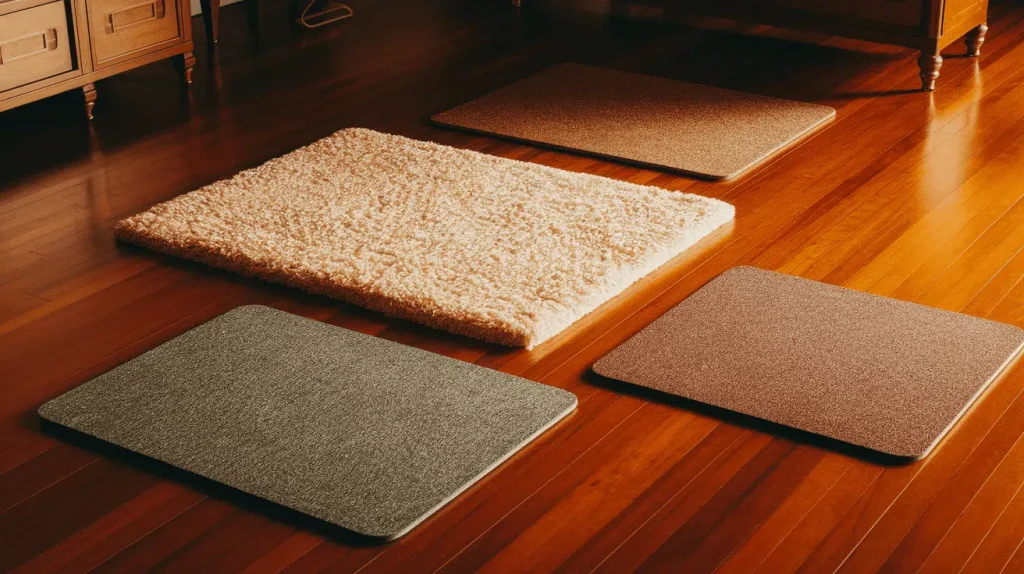
Are you tired of your rug sliding around every time you walk across your wooden floors? It’s not just annoying—it can be dangerous too.
You want your rugs to stay put, looking great and keeping your space safe. Luckily, there are simple tricks you can use right now to stop those rugs from moving. Keep reading, and you’ll discover easy solutions that work every time, so your floors stay beautiful and your rugs stay exactly where you want them.

Credit: gatheredinthekitchen.com
Causes Of Rug Movement
Rugs that slide around on wooden floors can be more than just an annoyance—they can be a safety hazard. Understanding why rugs move is the first step to keeping them firmly in place. Several factors, from the nature of your floor to how much foot traffic passes over your rug, influence this movement.
Smooth Wooden Surfaces
Wooden floors with smooth finishes offer little grip for rugs. The slick surface allows rugs to easily slide when stepped on or brushed against.
If your floor has a glossy varnish or polyurethane coating, it becomes even more slippery. This lack of friction is a major reason rugs don’t stay put.
Rug Material And Backing
Not all rugs are created equal when it comes to staying still. Rugs with a smooth or synthetic backing tend to slip more on wooden floors.
Natural fiber rugs like jute or sisal usually have rougher backs that grip better. However, some soft rugs without any anti-slip backing can easily move, especially if they are lightweight.
Foot Traffic And Pets
Constant walking, running, or playful pets increase rug movement. Every step or paw puts pressure that shifts the rug slightly, causing gradual slipping over time.
Think about your own home—does your living room rug slide more where people walk the most? High traffic zones demand extra measures to secure rugs.
Credit: www.homedepot.com
Choosing The Right Rug Pad
Choosing the right rug pad is key to keeping your rugs firmly in place on wooden floors. The right pad not only prevents slipping but also protects your floor from scratches and extends the life of your rug. It’s worth spending time finding a pad that suits your specific rug and floor type.
Types Of Rug Pads
There are several types of rug pads to consider, each offering different benefits:
- Felt Pads:Soft and thick, these provide cushioning and are great for adding comfort underfoot.
- Rubber Pads:Known for strong grip, ideal if your main goal is to stop slipping.
- Memory Foam Pads:Combine cushioning with moderate grip, good for high-traffic areas.
- Combination Pads:Blend felt and rubber layers to offer both comfort and anti-slip features.
Think about the balance you want between comfort and stability before choosing.
Material Compatibility
Not all rug pads work well with wooden floors. Some pads can trap moisture or cause discoloration over time. Avoid pads with adhesives or those made from materials that can react with wood finishes.
Natural rubber and felt pads are usually safe choices. If you’re unsure, check the product details or ask the manufacturer. Your wooden floor deserves protection just as much as your rug does.
Size And Thickness
The size of your rug pad should be just a bit smaller than your rug—usually about 1 to 2 inches less on each side. This prevents the pad from peeking out and keeps the edges neat.
Thickness affects both comfort and grip. Thicker pads offer more cushion but might make doors hard to open or create uneven surfaces. A thickness between 1/8 to 1/4 inch works well for most wooden floors.
Have you measured your rug carefully? A properly sized pad can make all the difference in stopping movement without causing new problems.
Diy Fixes For Rug Slippage
Rugs sliding on wooden floors can be annoying and unsafe. Simple DIY fixes can keep rugs in place and protect floors. These options use common materials and take little time.
Choose a solution based on your rug type and floor finish. Each method helps stop rugs from moving and adds stability.
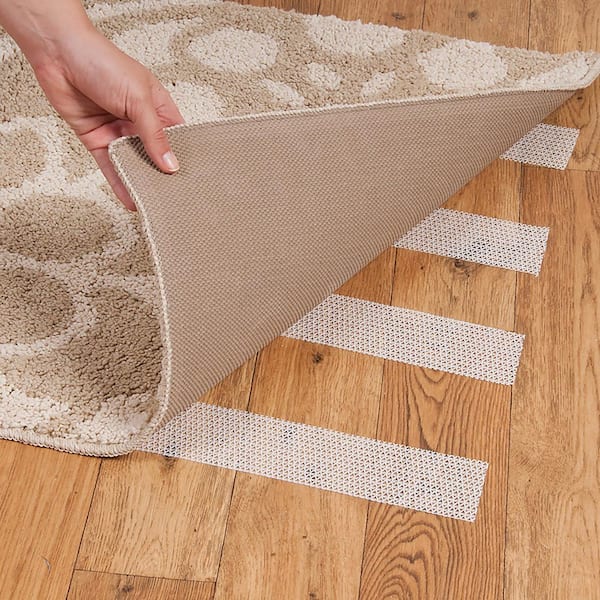
Double-sided Carpet Tape
Double-sided carpet tape sticks rugs firmly to wooden floors. It is easy to apply and remove without damage. Clean the floor surface before use for better grip.
- Cut tape strips to fit rug edges or corners
- Press tape onto floor firmly
- Place rug over tape and press down
- Check that no tape edges show
Replace tape every few months for best results. This method works well for small to medium rugs.
Non-slip Rug Grippers
Non-slip rug grippers create friction between the rug and floor. They come as pads or sheets and are reusable. Choose soft grippers to protect hardwood finish.
- Lay gripper pads under rug corners or edges
- Press rug firmly onto grippers
- Trim excess gripper material if needed
- Lift and clean grippers occasionally
This method suits larger rugs and areas with heavy foot traffic. It avoids sticky residues on floors.
Silicone Caulk Method
Silicone caulk adds a textured grip under rugs. It is inexpensive and long-lasting. Use clear silicone to keep it invisible under the rug.
- Turn rug backside up
- Apply small dots or lines of silicone caulk evenly
- Let silicone dry completely (24 hours)
- Place rug back on floor and press down
Silicone grips well and prevents slipping on smooth floors. Test on a small rug corner first to avoid stains.
Furniture And Rug Placement Tips
Is your rug constantly slipping and sliding on your wooden floor? Keeping rugs in place can be a challenge, but strategic furniture and rug placement can help. With a few simple adjustments, you can anchor your rugs effectively, ensuring both safety and style in your living space.
Anchoring With Furniture
One effective way to keep rugs stationary is by anchoring them with furniture. Positioning heavier pieces like couches or coffee tables on the corners or edges of the rug can prevent unwanted movement. This not only secures your rug but also creates a cohesive look in your room.
Try placing the front legs of your sofa on the rug. This setup provides stability and visually ties the furniture arrangement together. Have you ever noticed how a room feels more unified when the rug connects different elements?
Adjusting Rug Size
Sometimes, the issue might be that the rug size isn’t quite right for the room. A rug that is too small can easily slip, while a larger rug has more surface area to grip the floor. Consider upgrading to a rug that extends under all key furniture pieces in the area.
Measure your space and ensure your rug covers enough of the floor to prevent sliding. You might find that a larger rug not only stays in place better but also enhances the overall aesthetic of your room. What size fits your room best?
Layering Rugs
Layering can be both a practical and stylish solution. By placing a larger, non-slip rug pad or a heavy-duty rug underneath your decorative rug, you can add extra grip. This method not only prevents movement but also adds texture and depth to your decor.
Experiment with textures and colors to create a layered look that reflects your personal style. Have you ever tried mixing different patterns or materials to see what unique combination you can achieve?
These practical tips can transform your home, keeping your rugs in place while enhancing your interior design. Try them out and see which works best for your space!
Maintenance To Prevent Movement
Keeping rugs in place on wooden floors needs regular care. Maintenance helps avoid slipping and bunching. Small efforts prevent damage to both the rug and floor.
Check and care for your rug regularly. This keeps it secure and looking good longer.
Regular Cleaning
Dust and dirt reduce rug grip on wood. Clean rugs often using a vacuum with a brush attachment. Shake smaller rugs outside to remove loose dirt. Clean the floor beneath the rug to prevent slipping.
Checking Rug Pads
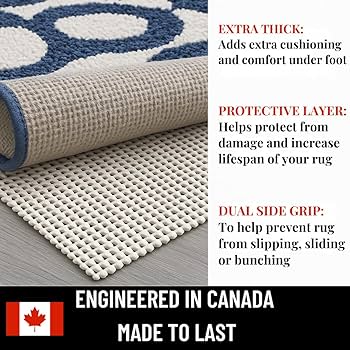
Rug pads stop rugs from moving on wooden floors. Check the pad under your rug every few months. Replace worn or thin pads to keep strong grip. Choose a pad made for hardwood floors to avoid scratches.
Avoiding Moisture
Water weakens rug pads and causes slipping. Keep rugs dry to maintain their grip. Clean spills immediately and dry the area well. Avoid placing rugs where water or moisture collects often.
Credit: www.amazon.ca
Frequently Asked Questions
How Can I Prevent Rugs From Slipping On Wooden Floors?
Use non-slip rug pads under your rugs. These pads provide grip and protect the floor. They keep rugs in place effectively.
What Materials Work Best For Rug Grip On Wood Floors?
Natural rubber and felt pads work best. They offer strong grip without damaging wooden surfaces. Choose pads that fit your rug size.
Are Double-sided Tapes Safe For Rugs On Wooden Floors?
Yes, but use tapes designed for hardwood floors. They prevent slipping without leaving residue. Test a small area first for safety.
Can Rug Underlays Protect Wooden Floors And Stop Movement?
Absolutely. Rug underlays cushion the floor and increase friction. They prevent rugs from sliding and protect wood from scratches.
Conclusion
Stopping rugs from moving on wooden floors is easier than you think. Use rug pads or double-sided tape for a quick fix. Regularly check and adjust the rug’s position to keep it stable. Clean floors before placing rugs to improve grip.
These small steps keep your rugs safe and floors protected. Enjoy a neat, slip-free space without much effort. Simple actions make a big difference in your home’s comfort and safety. Try these tips today and see the change yourself.



